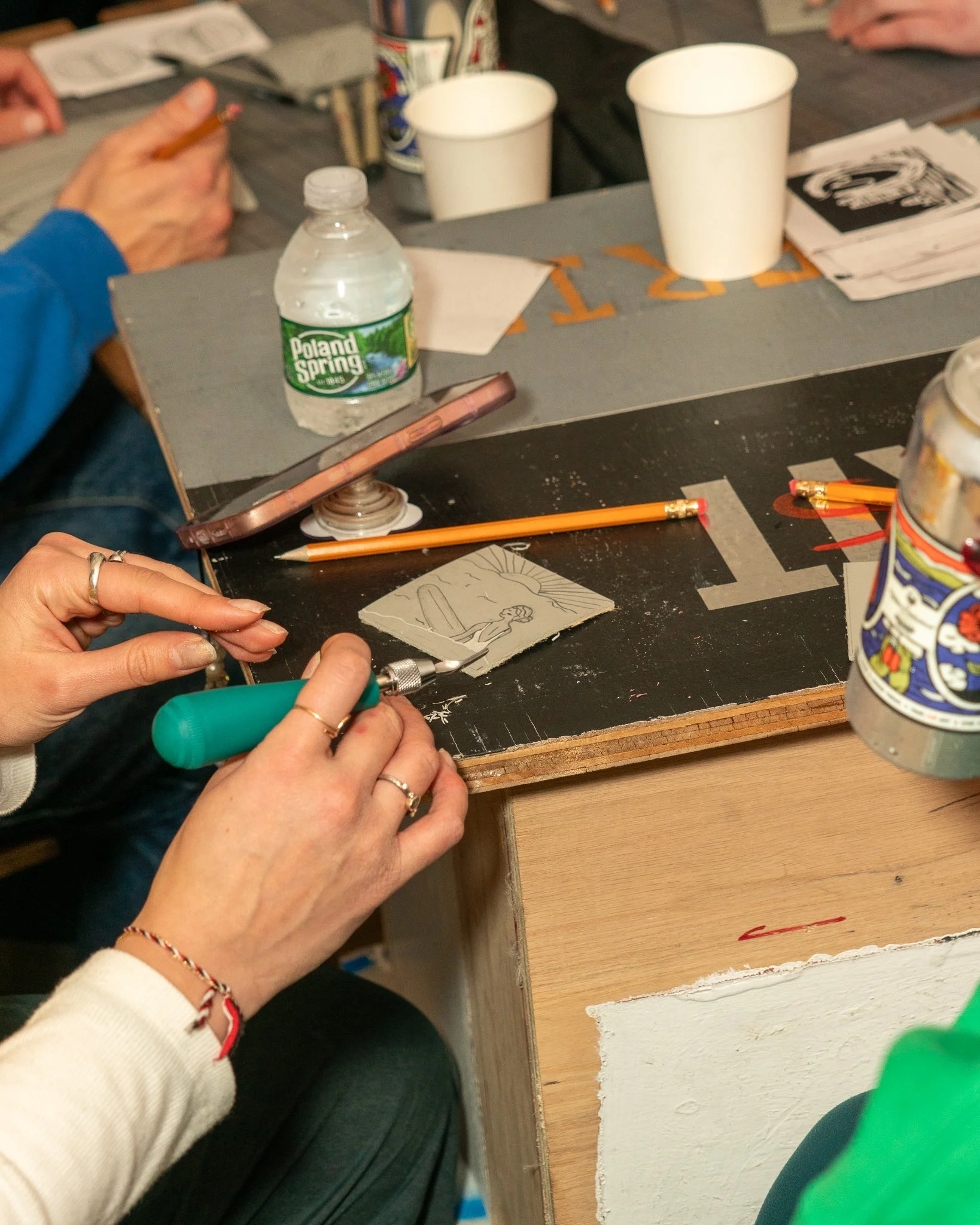
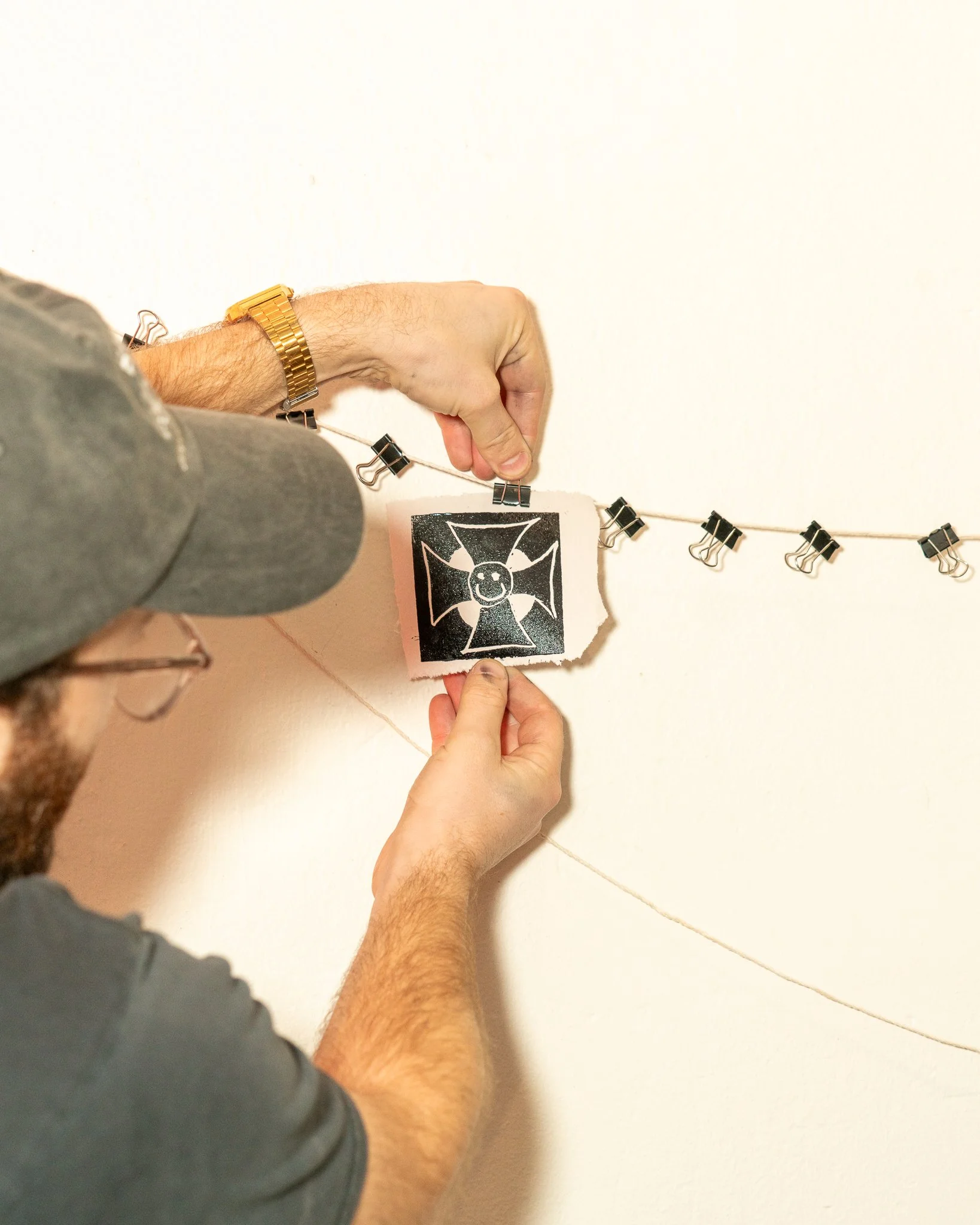
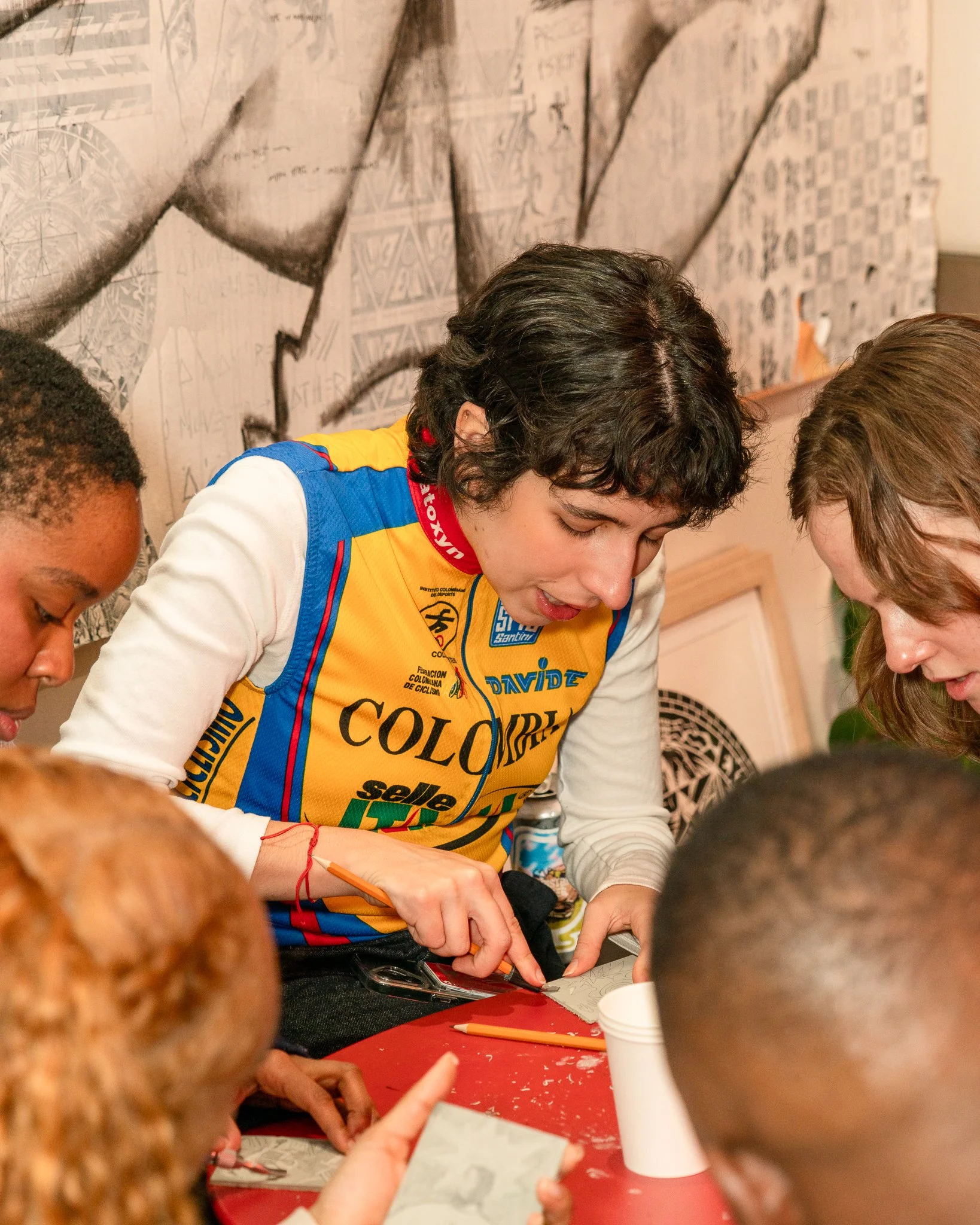
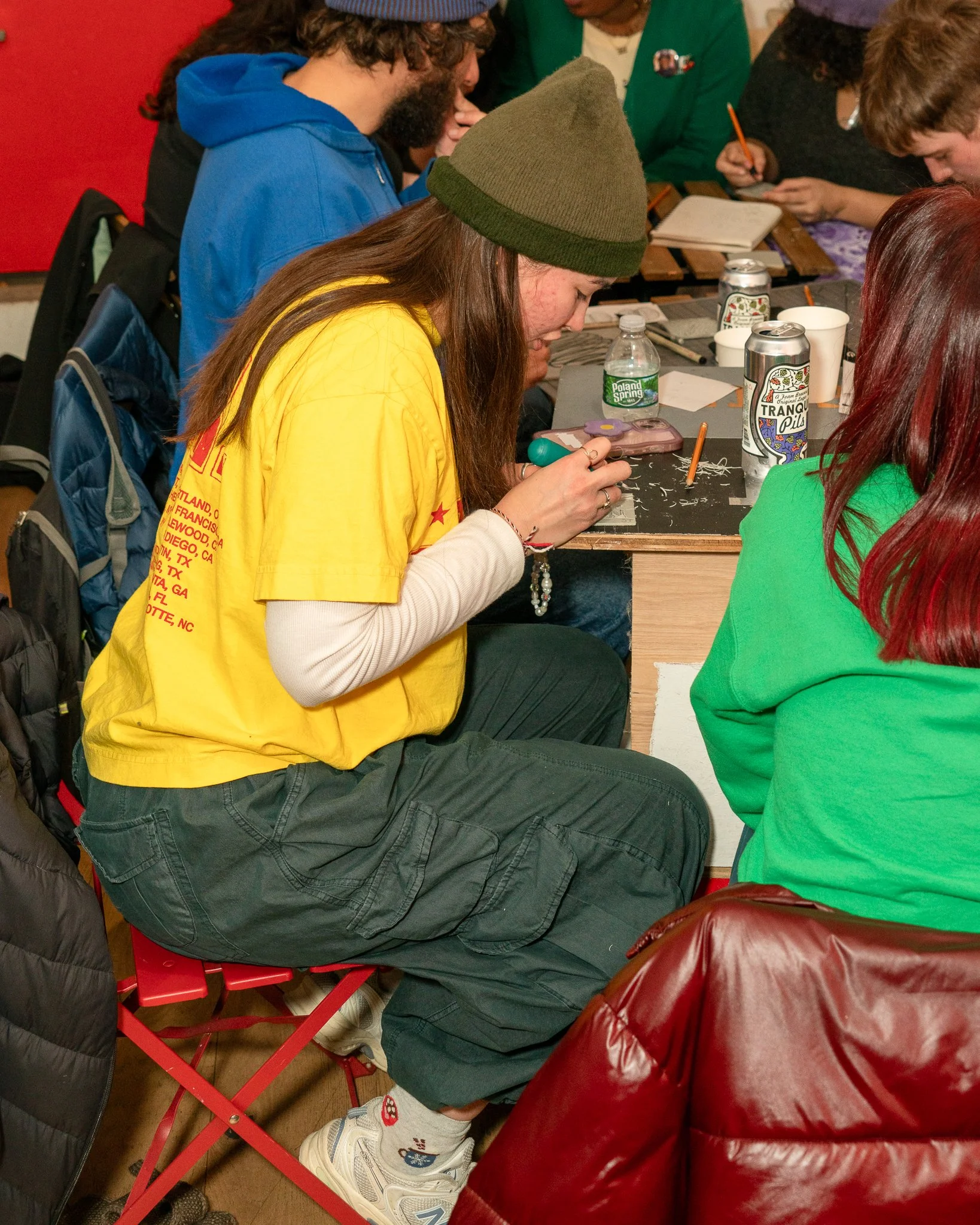
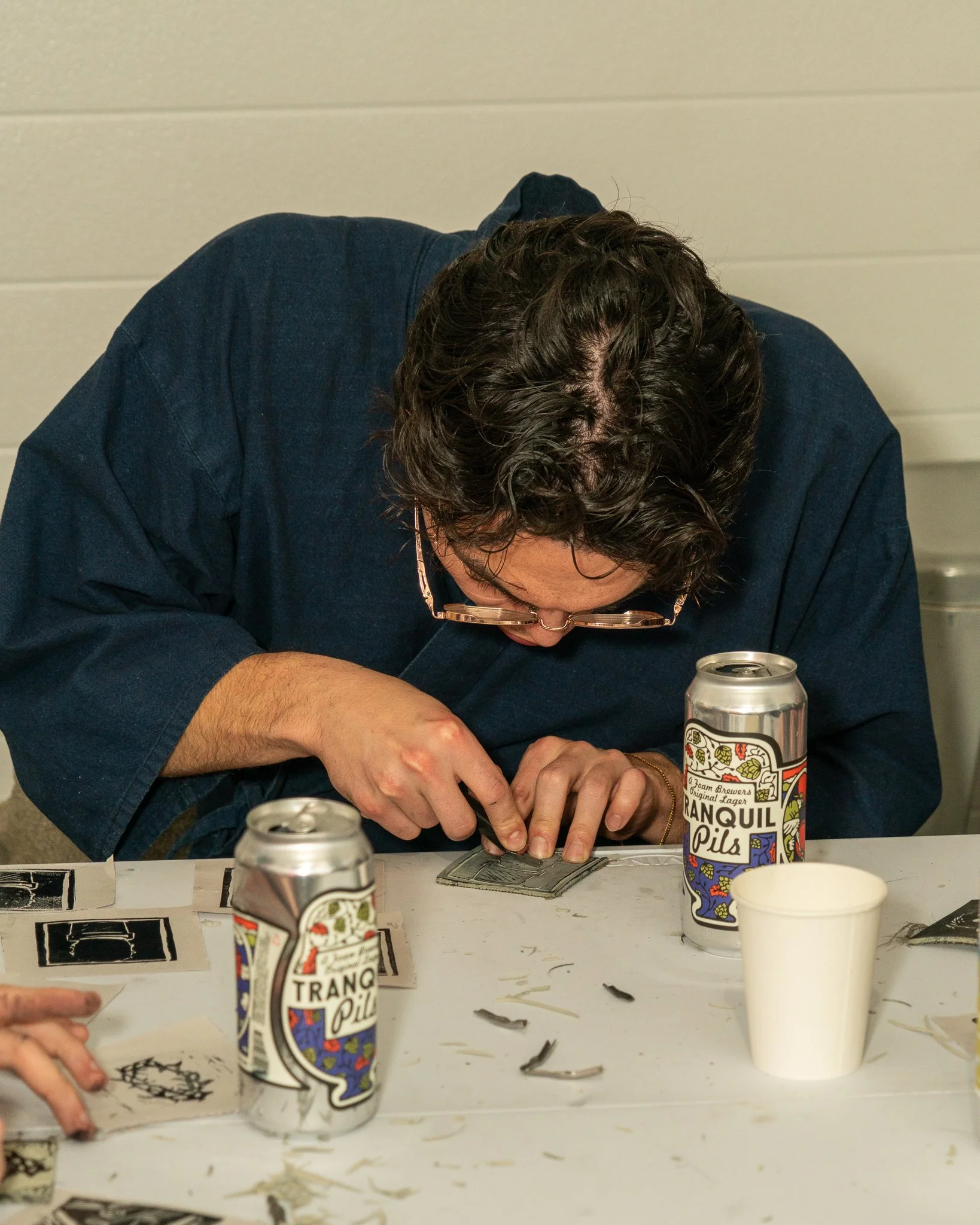
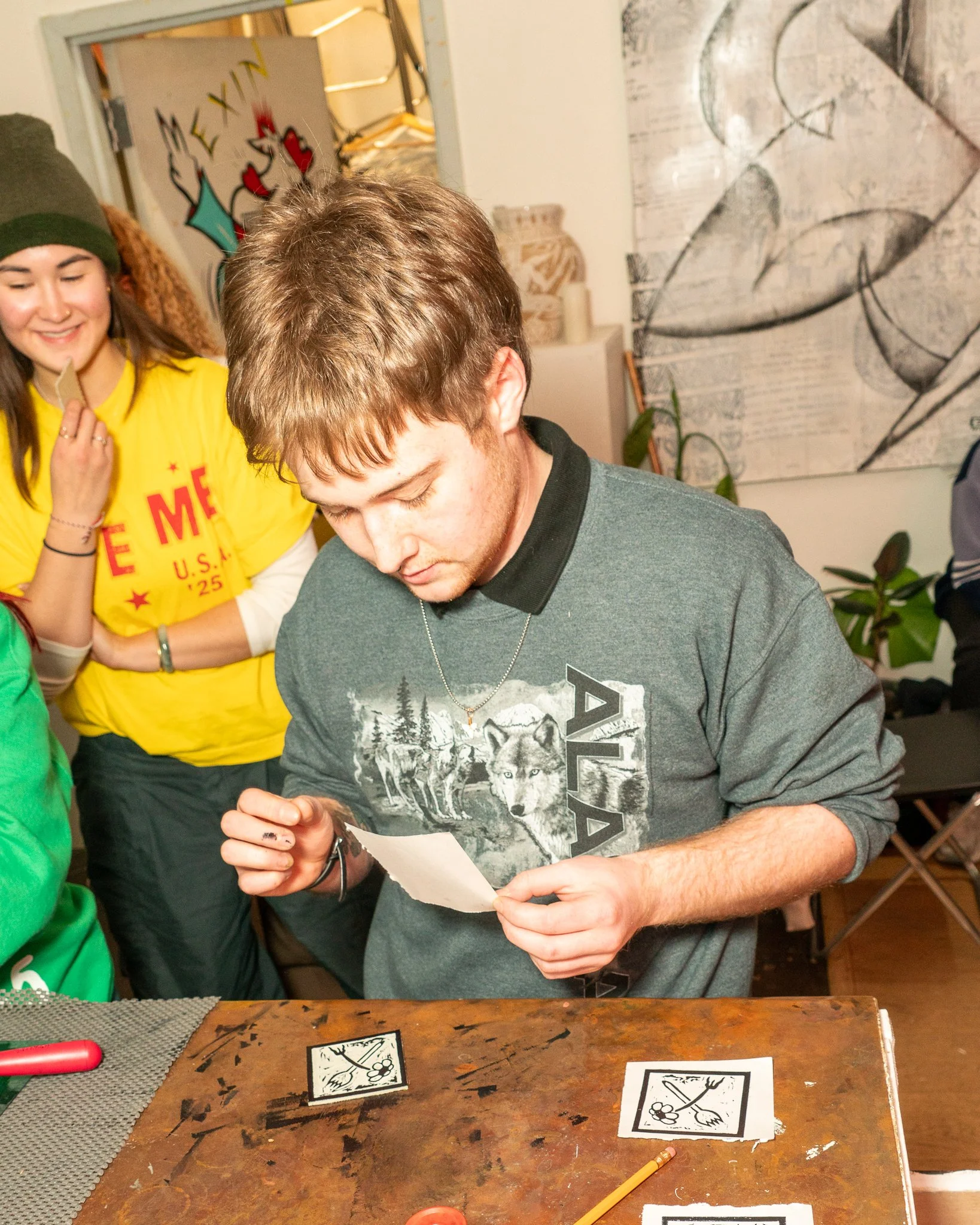
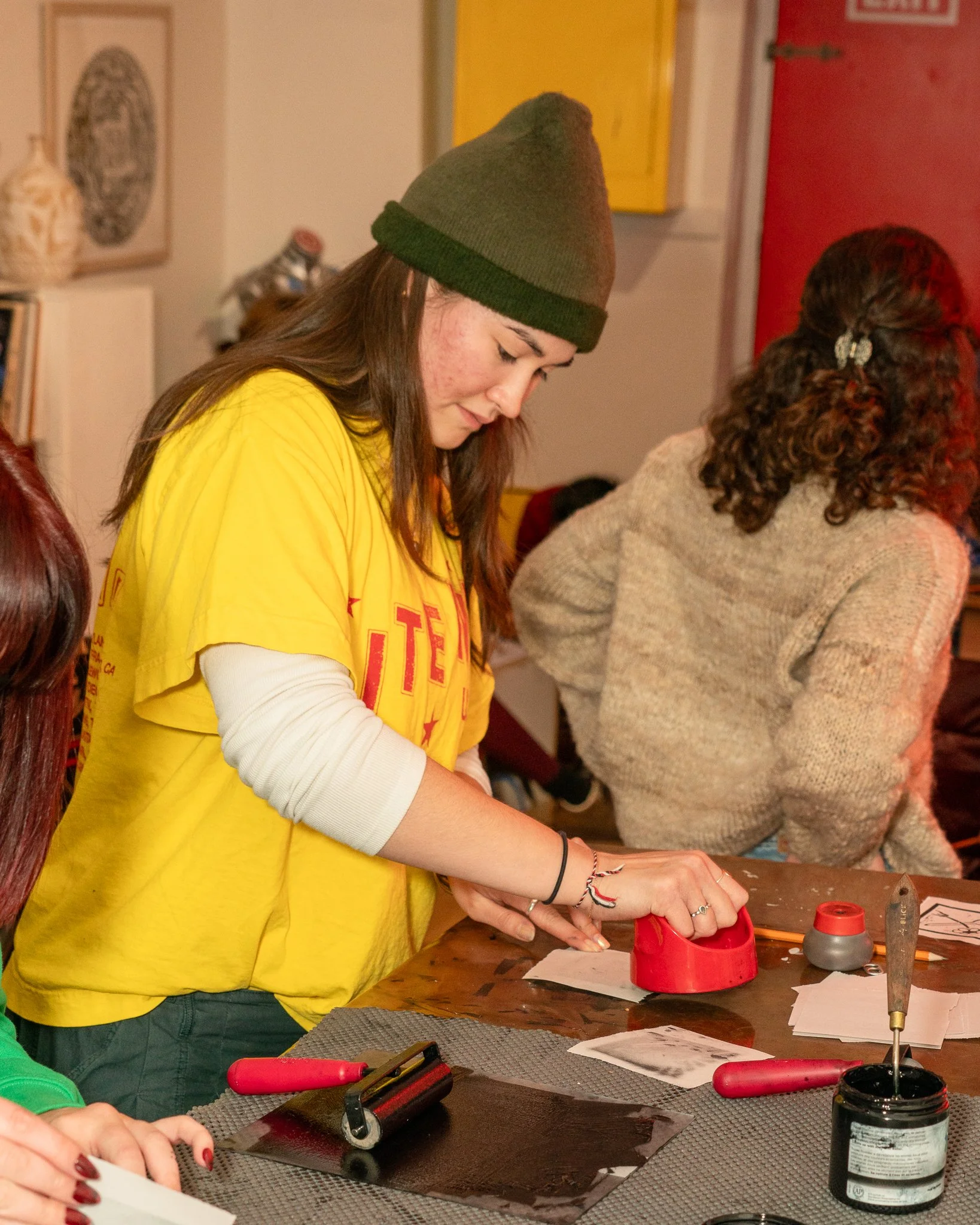
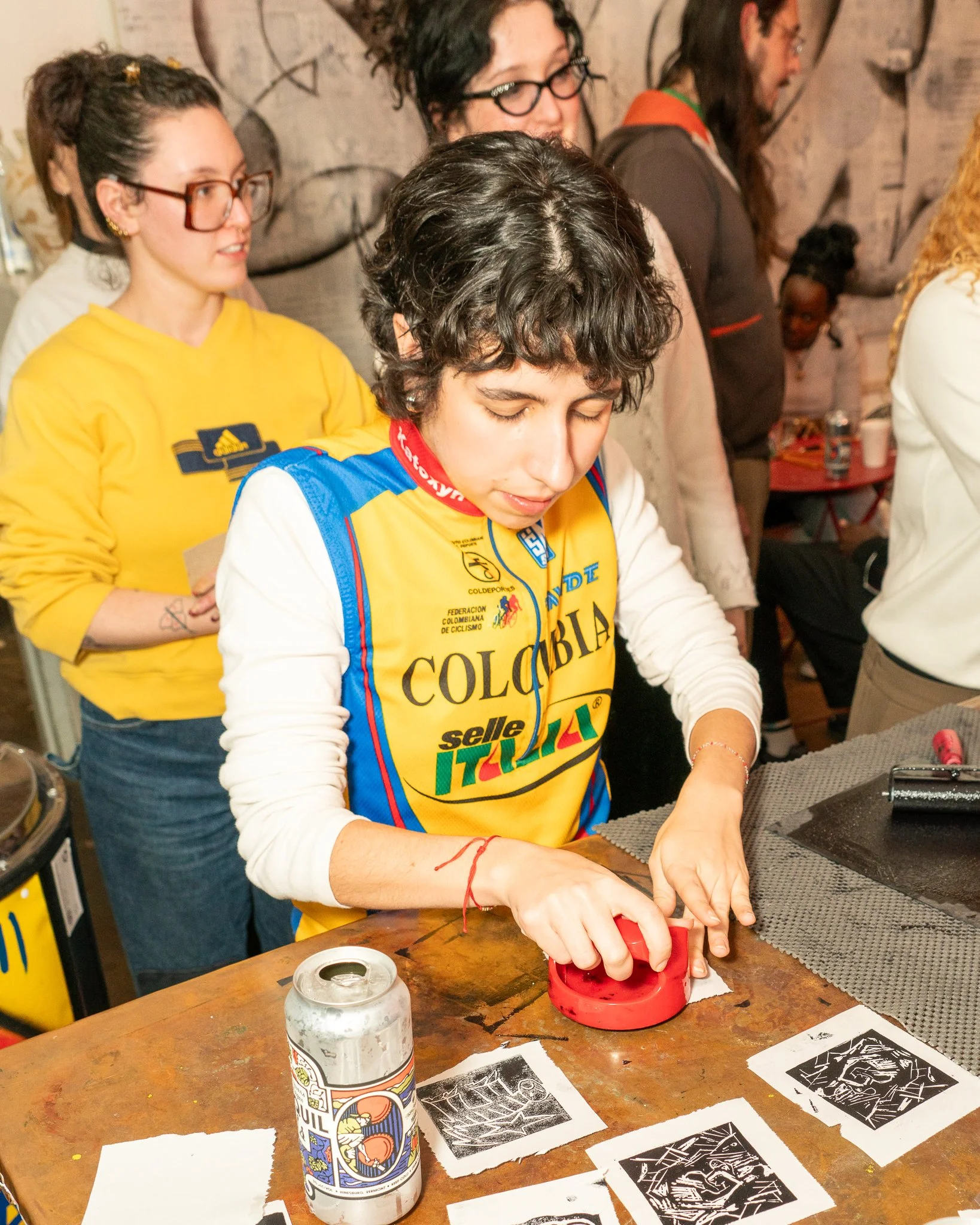
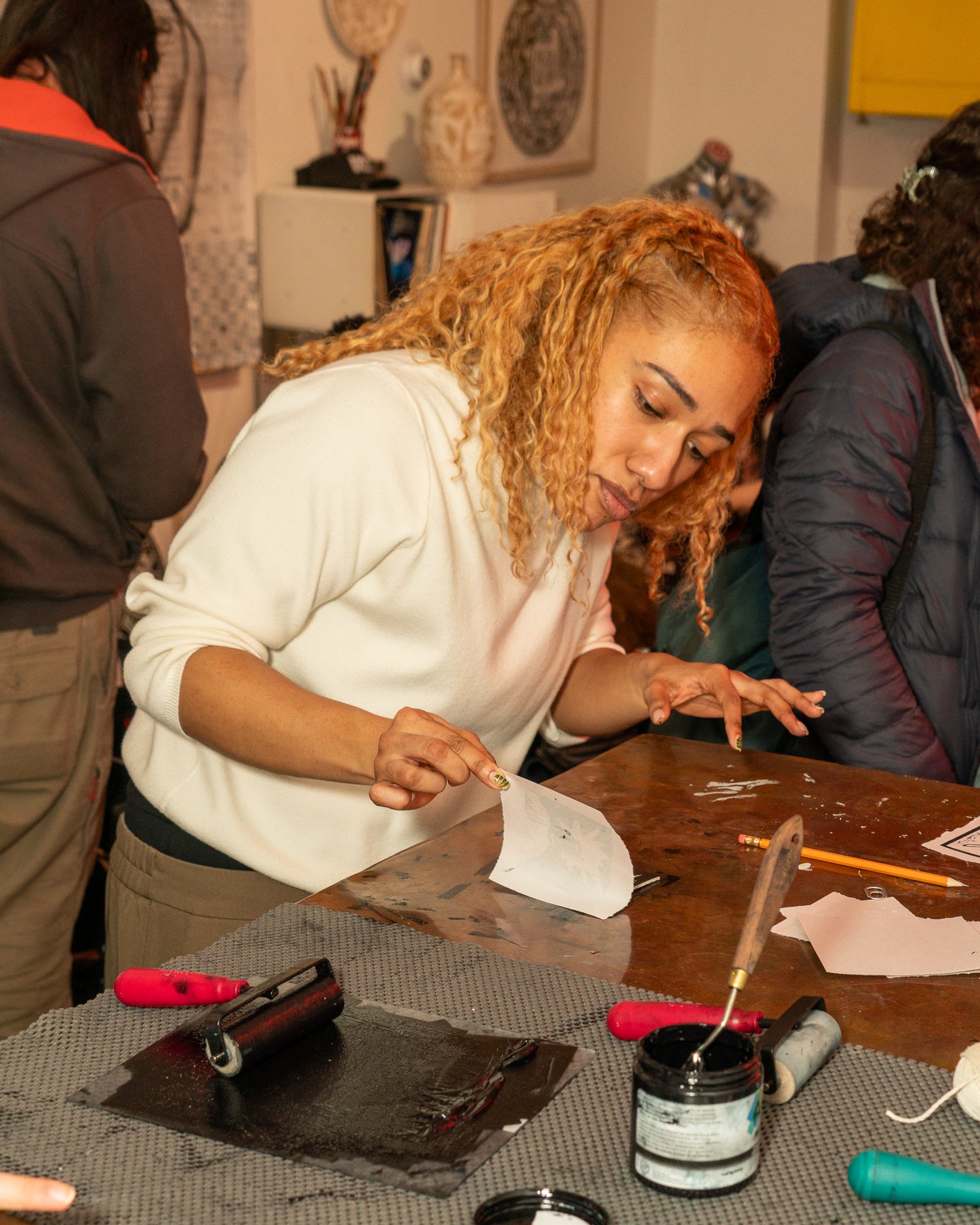
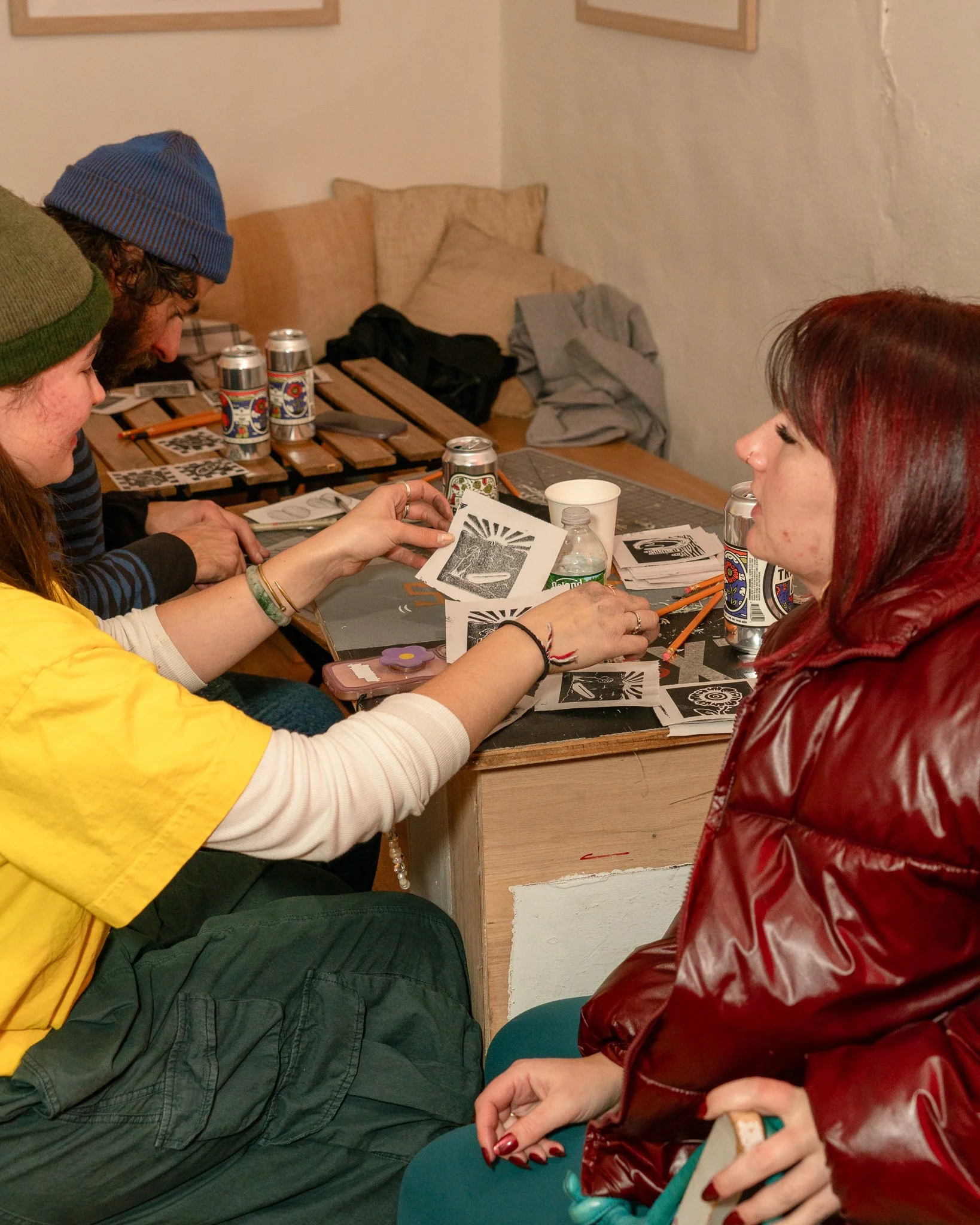
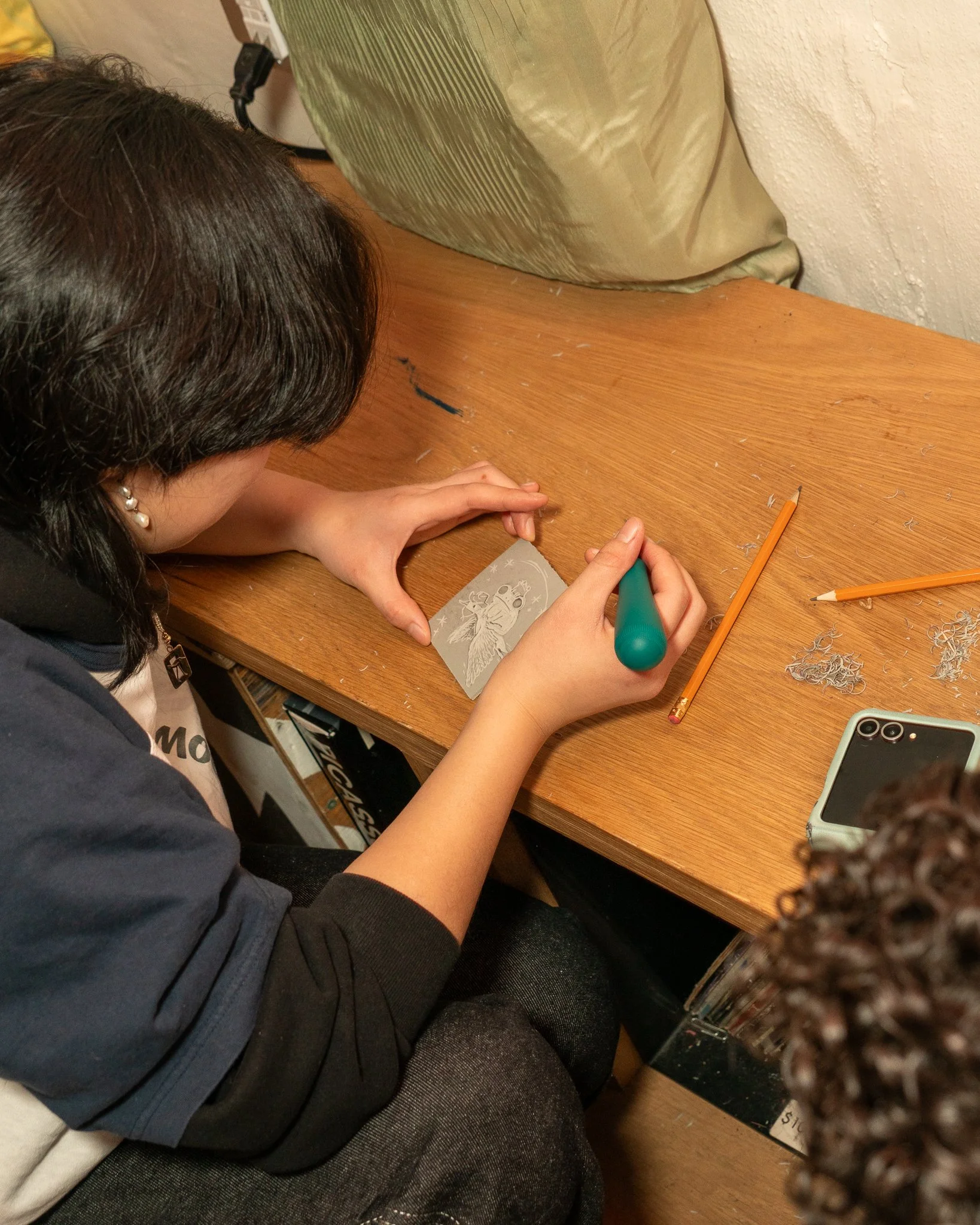
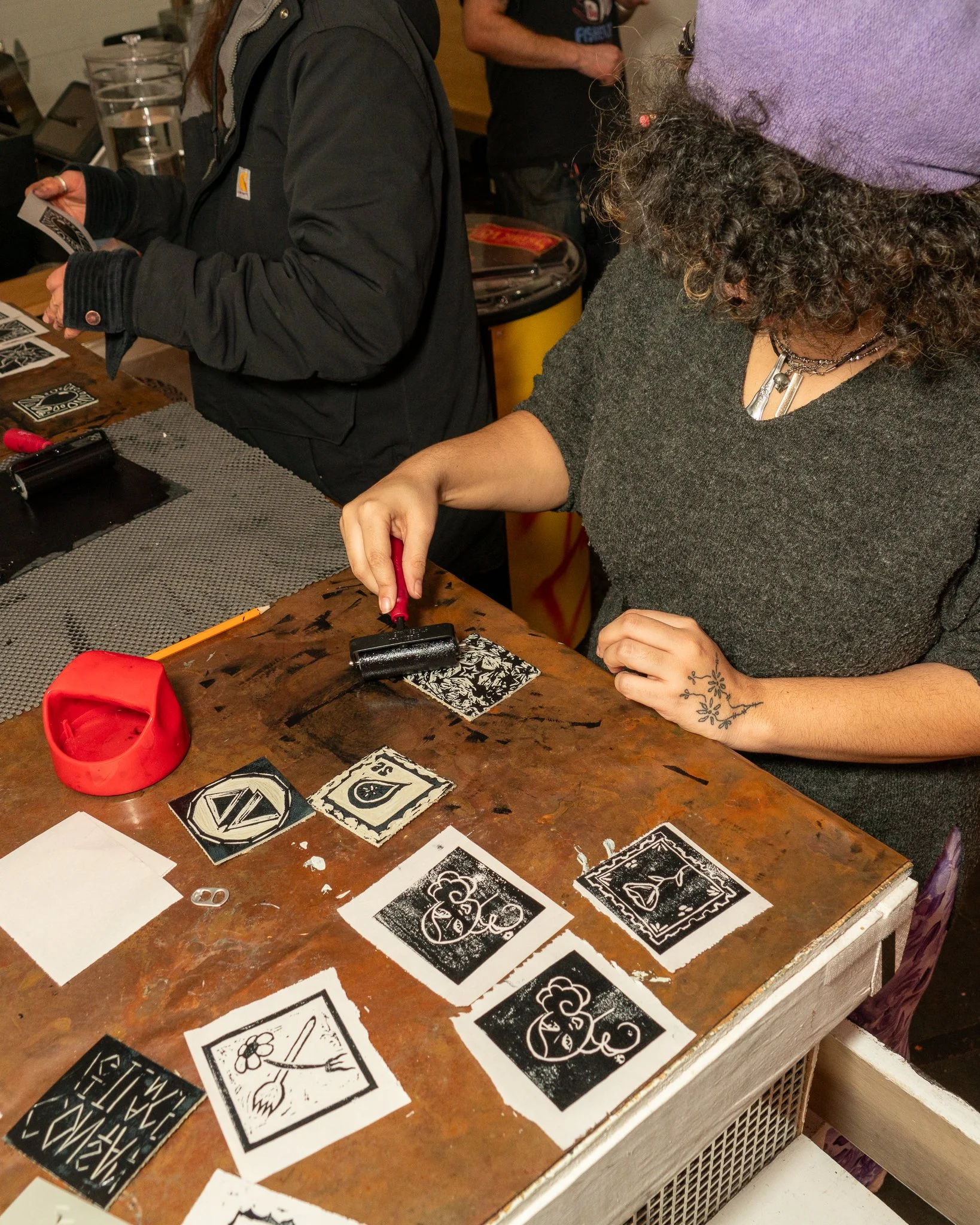
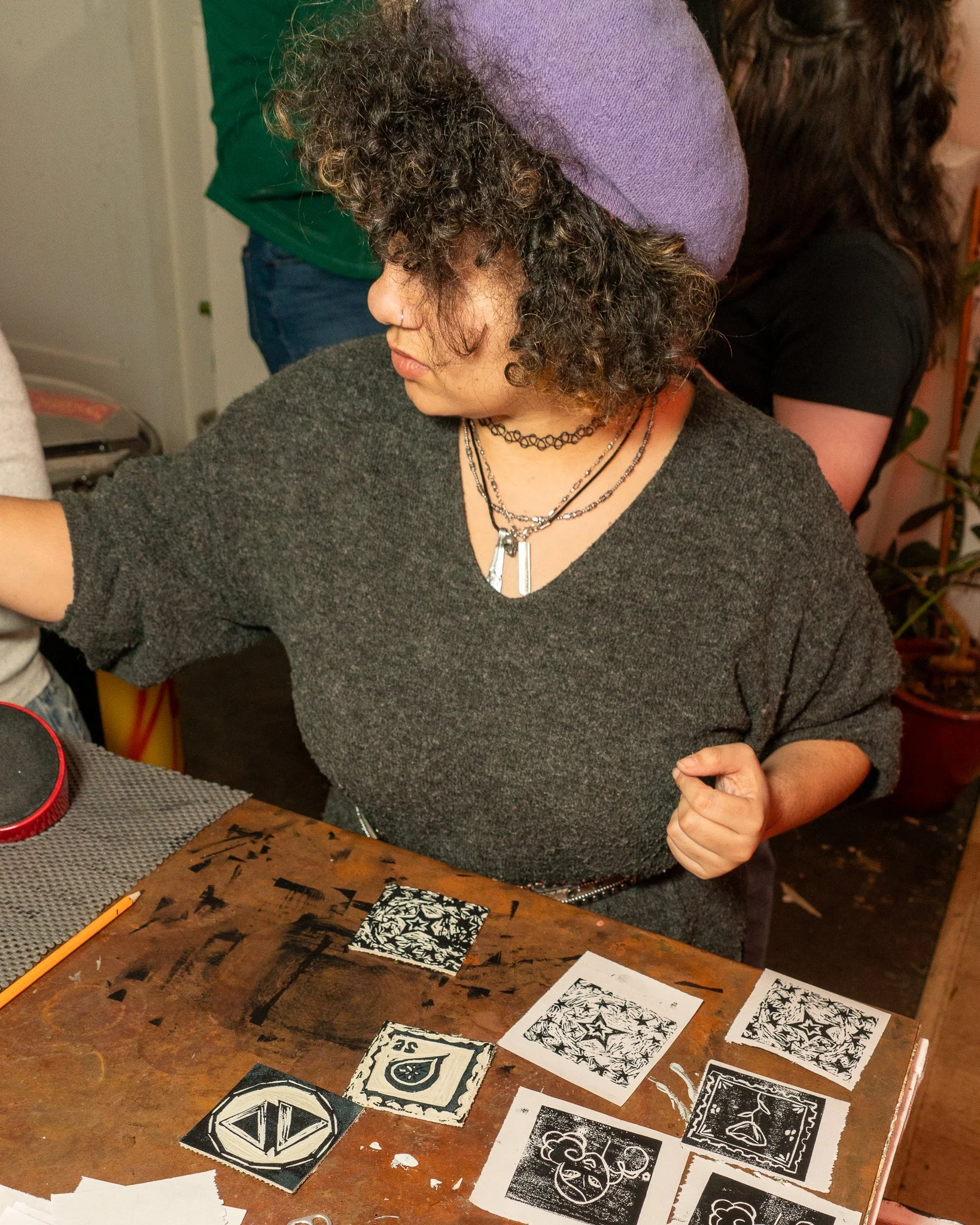
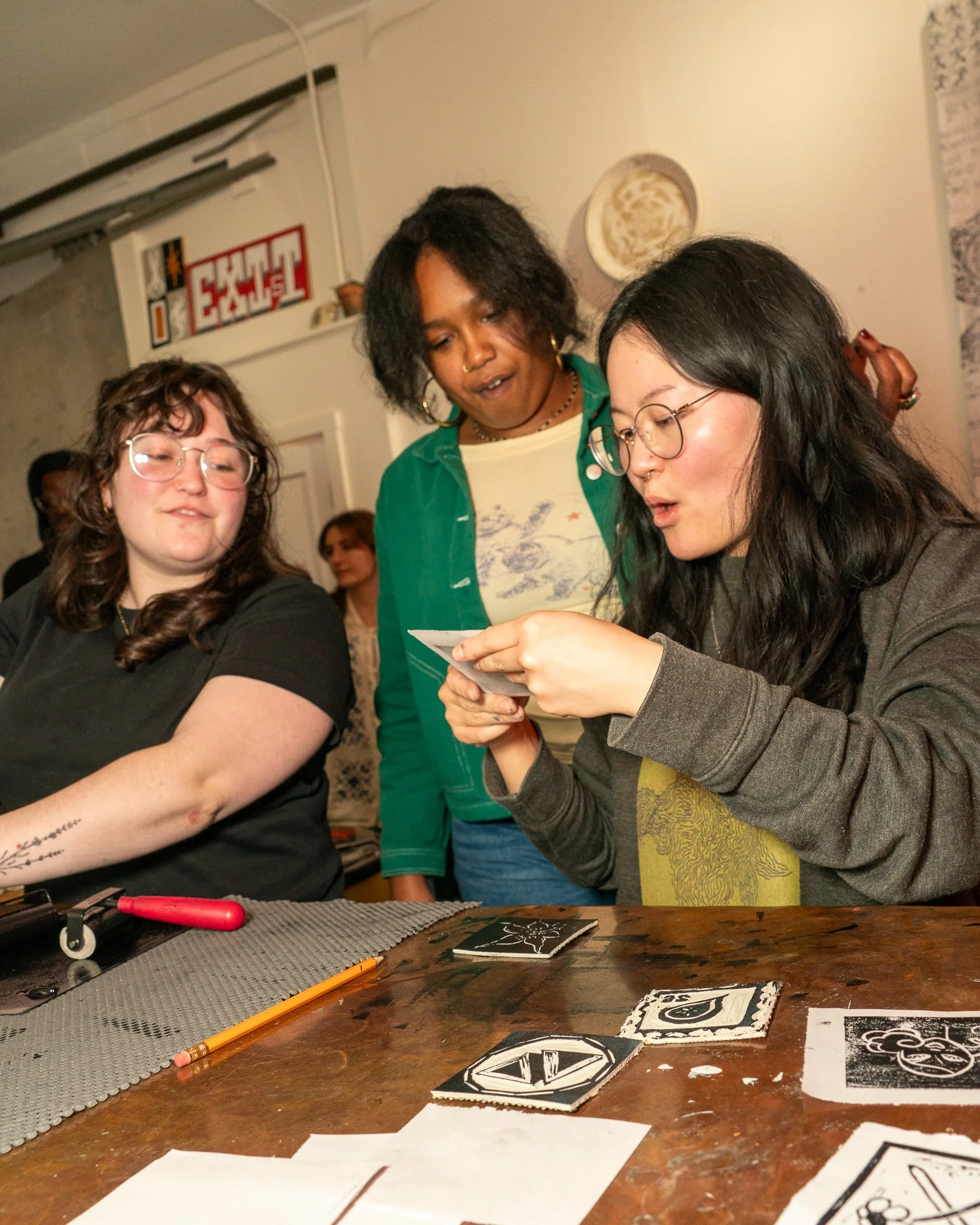
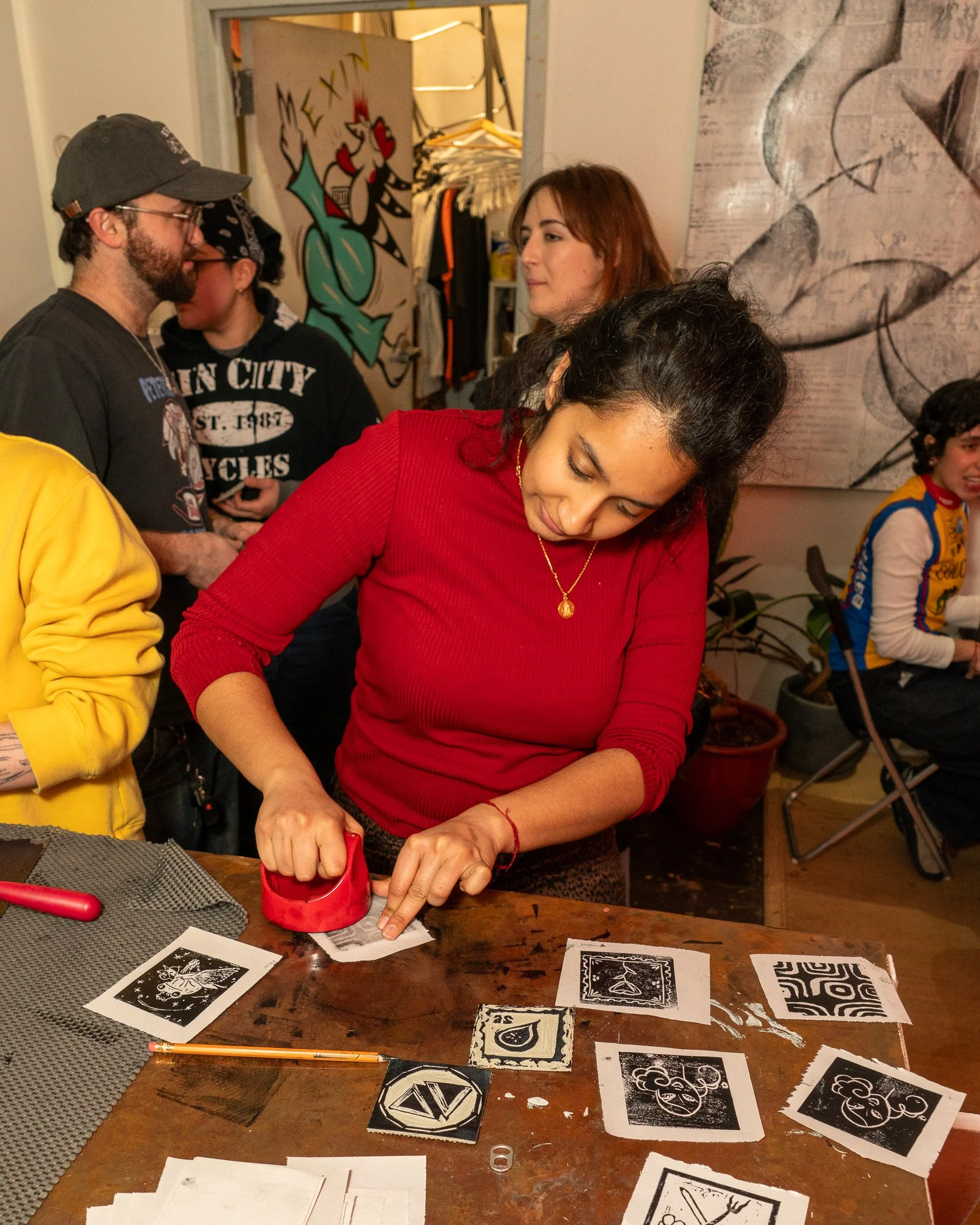
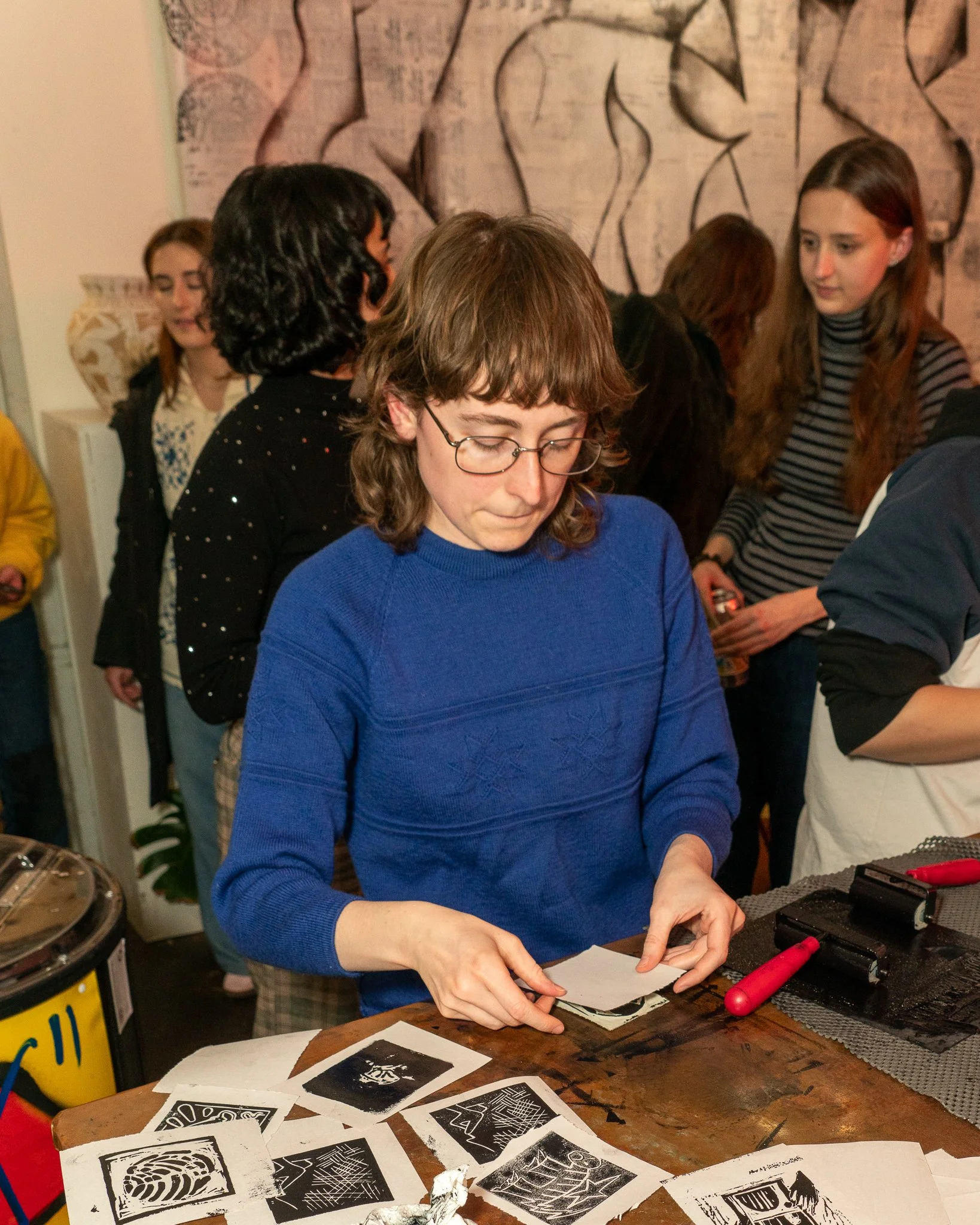
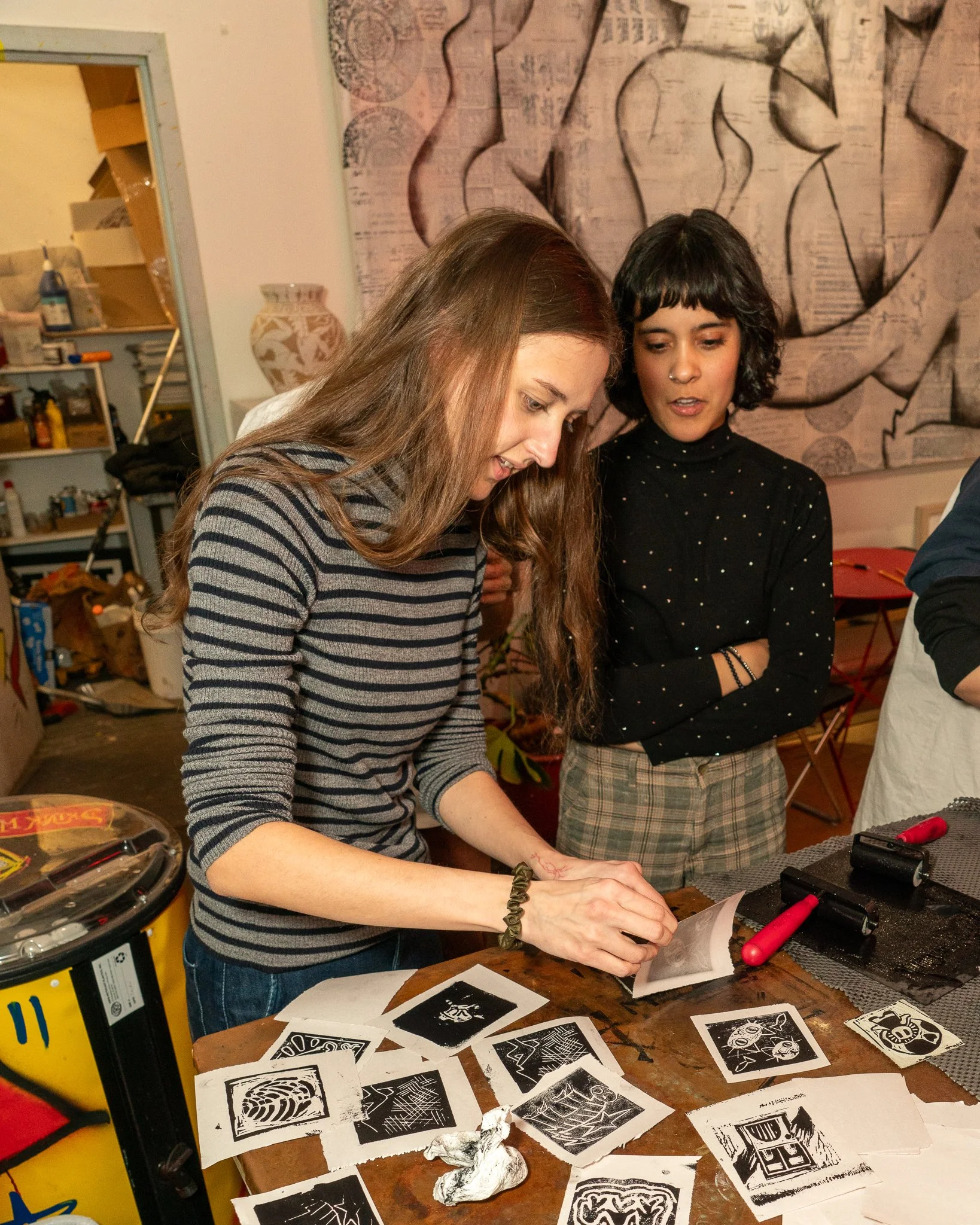
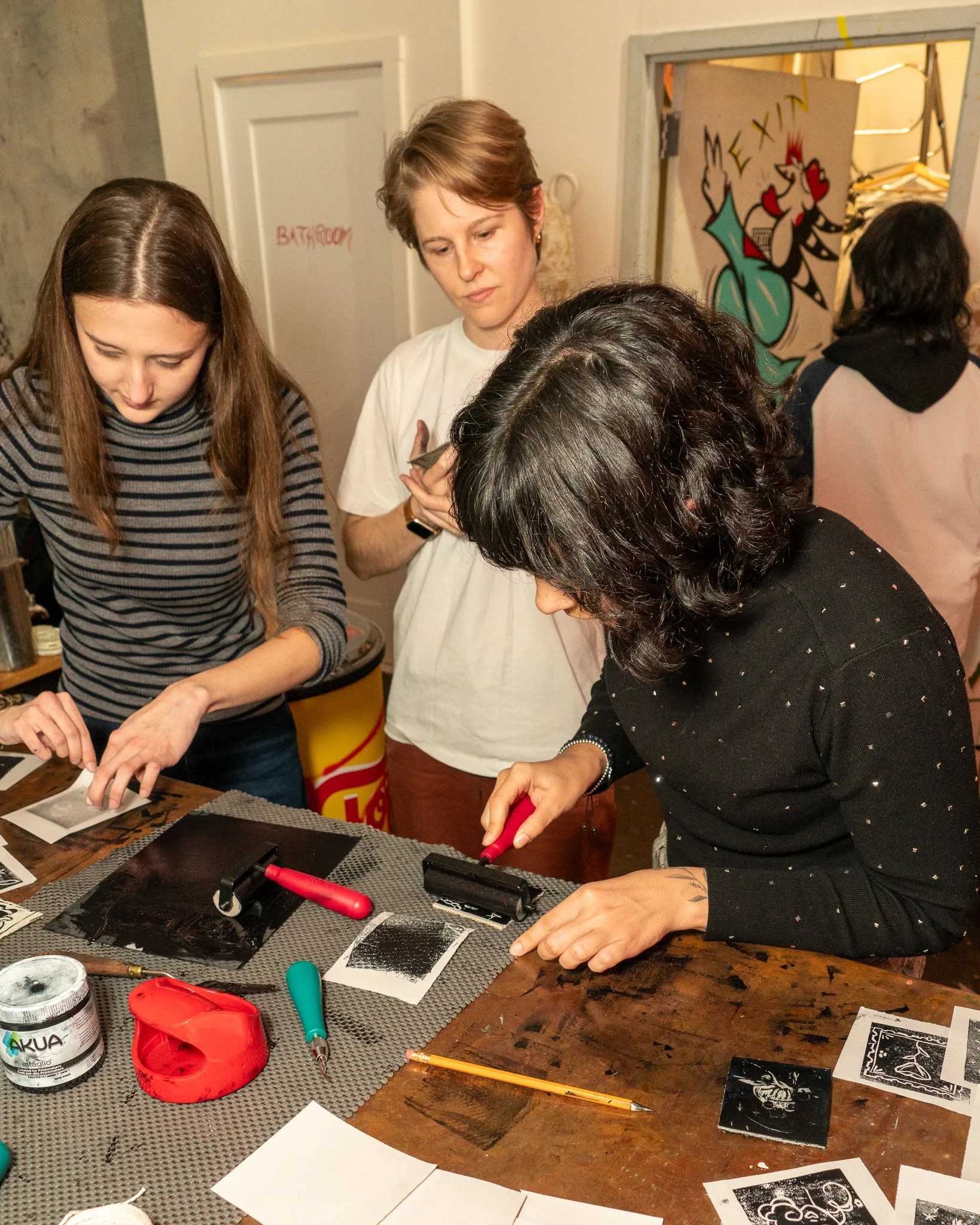
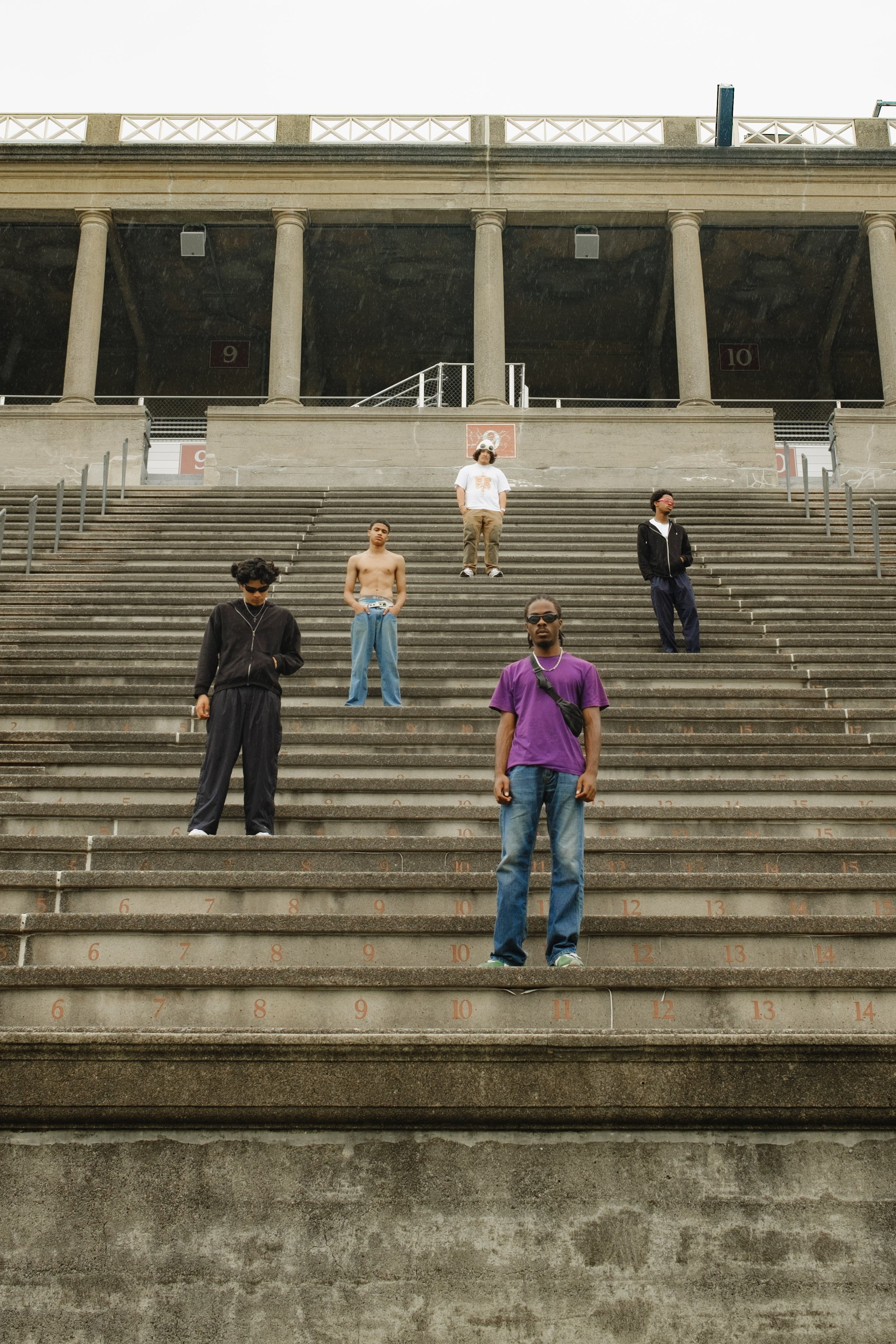
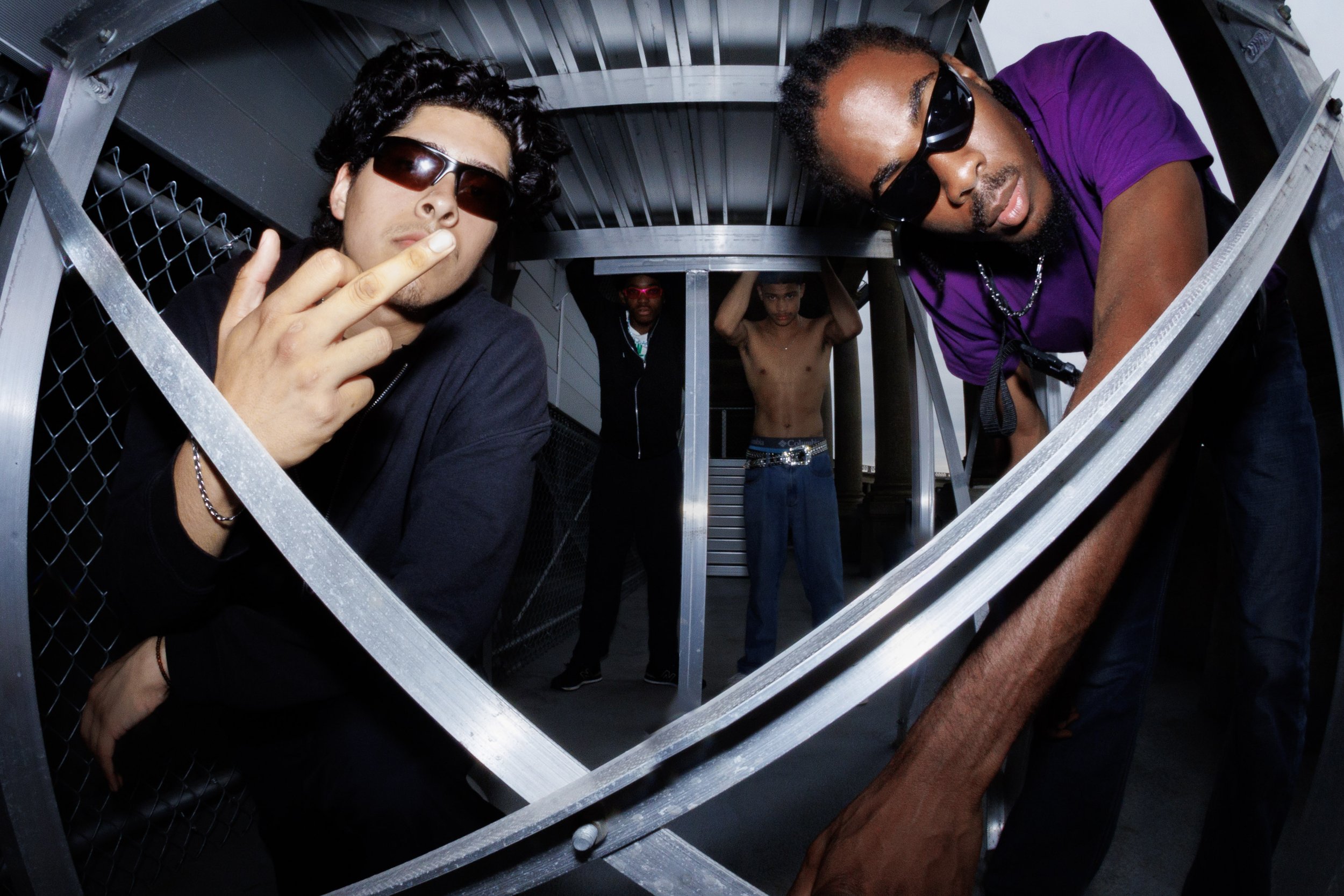
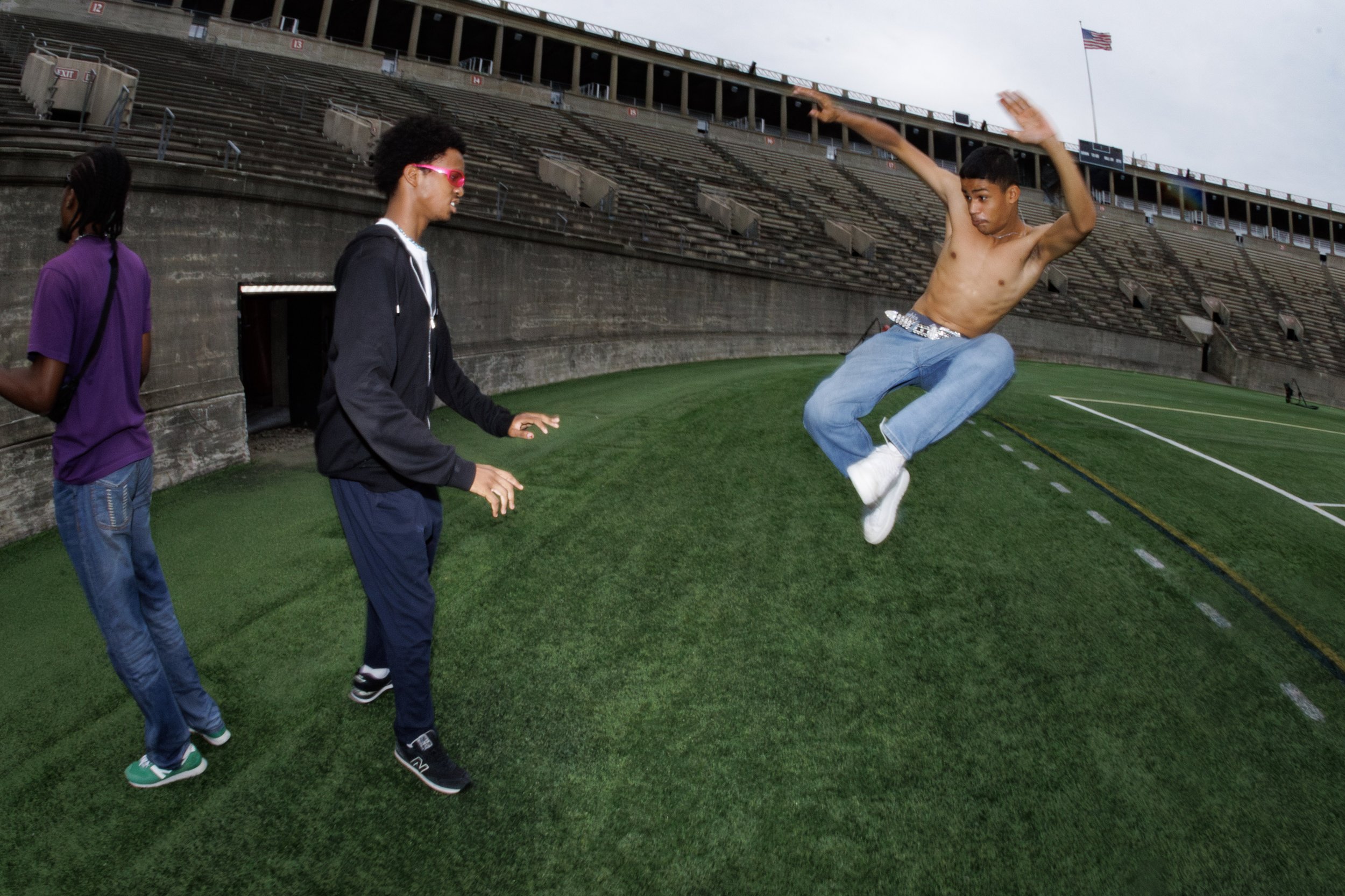
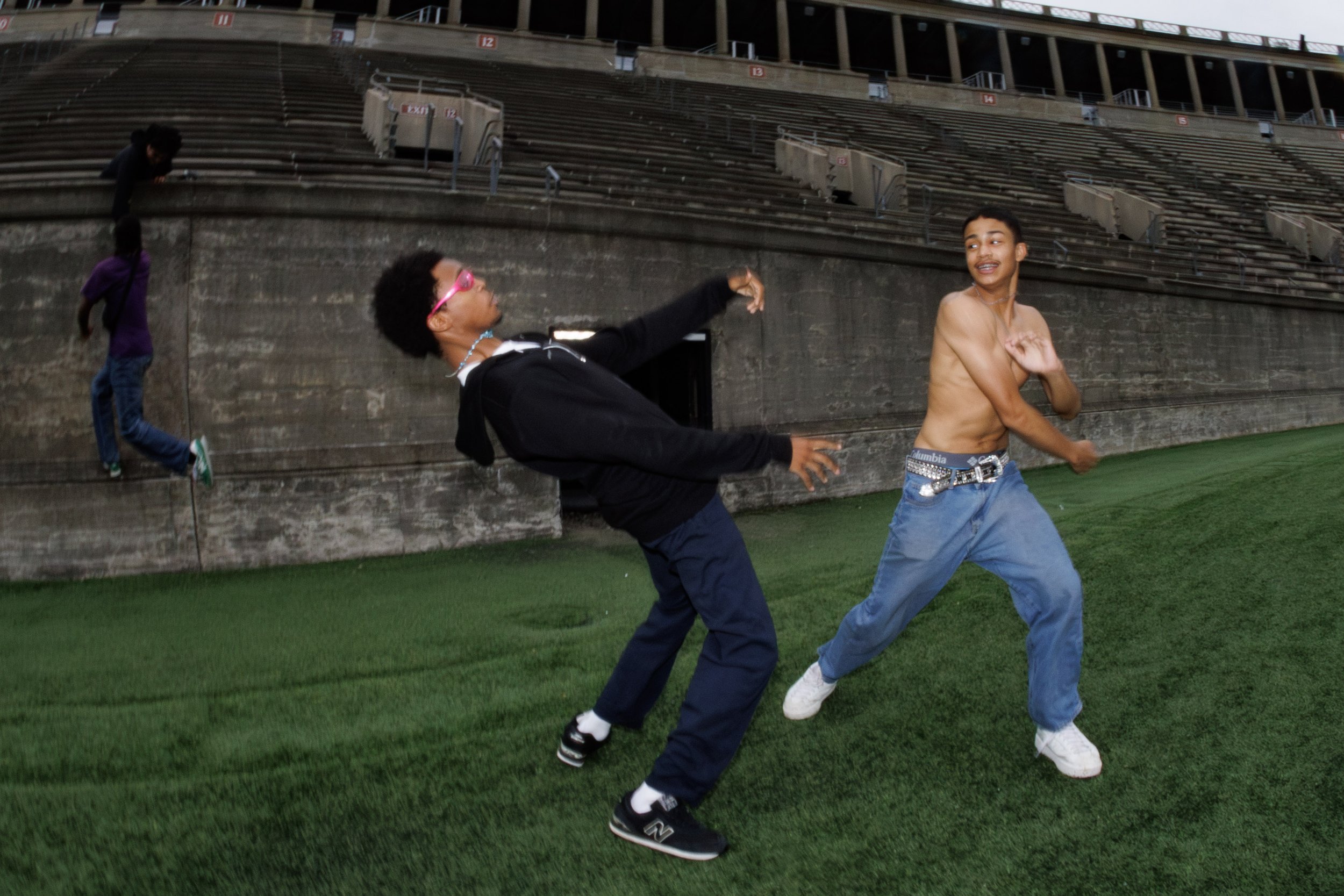
DRAWING CLUB /
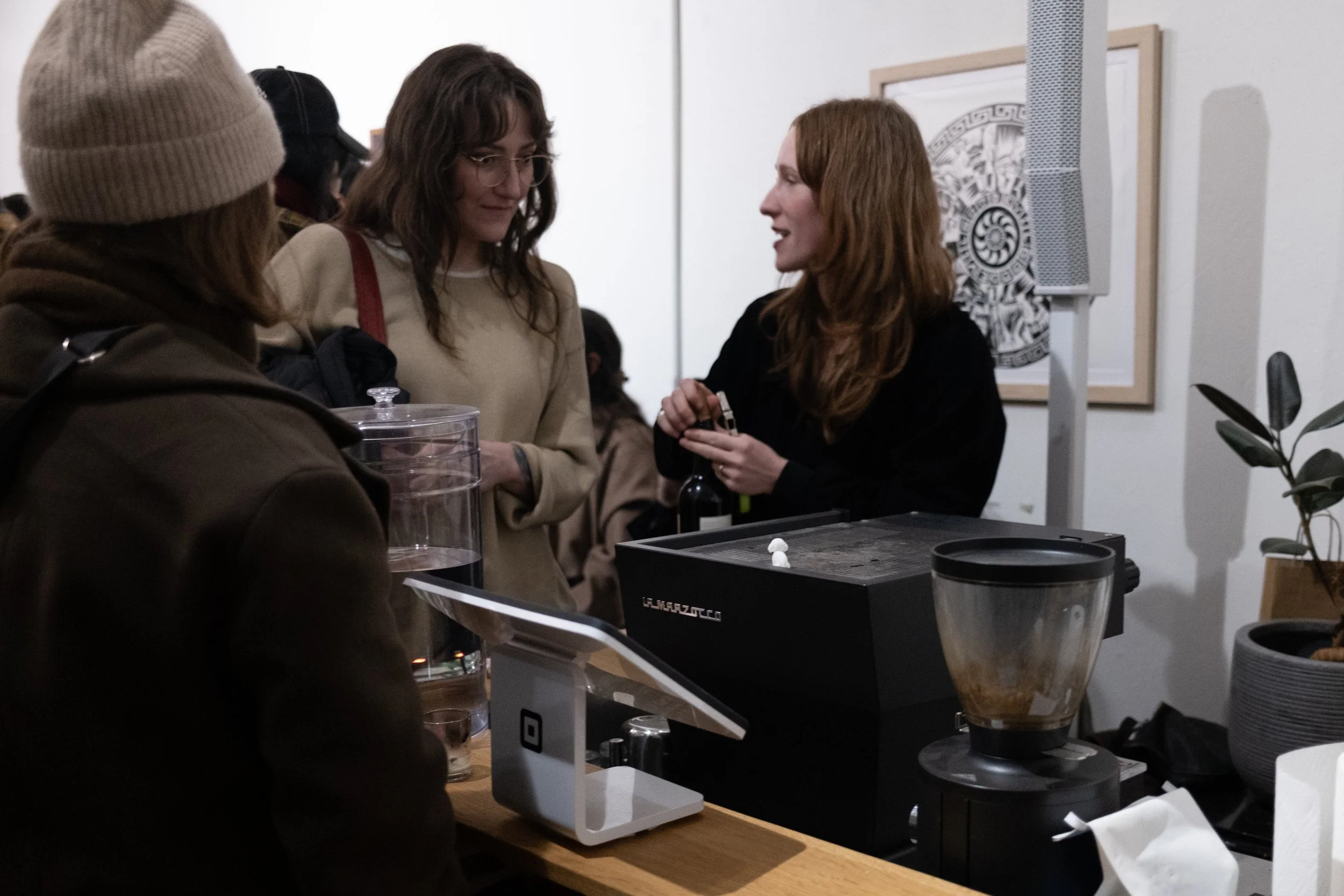
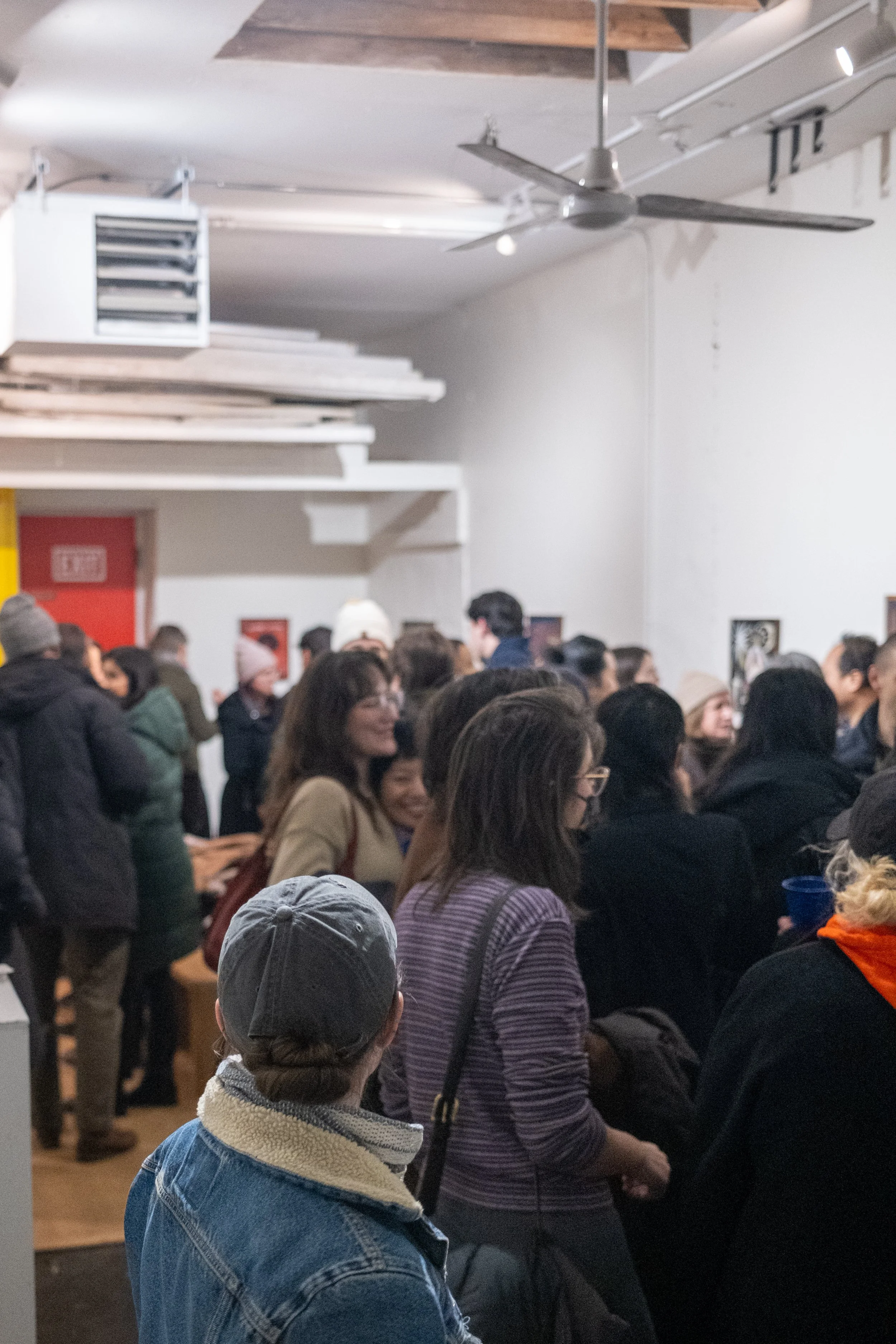
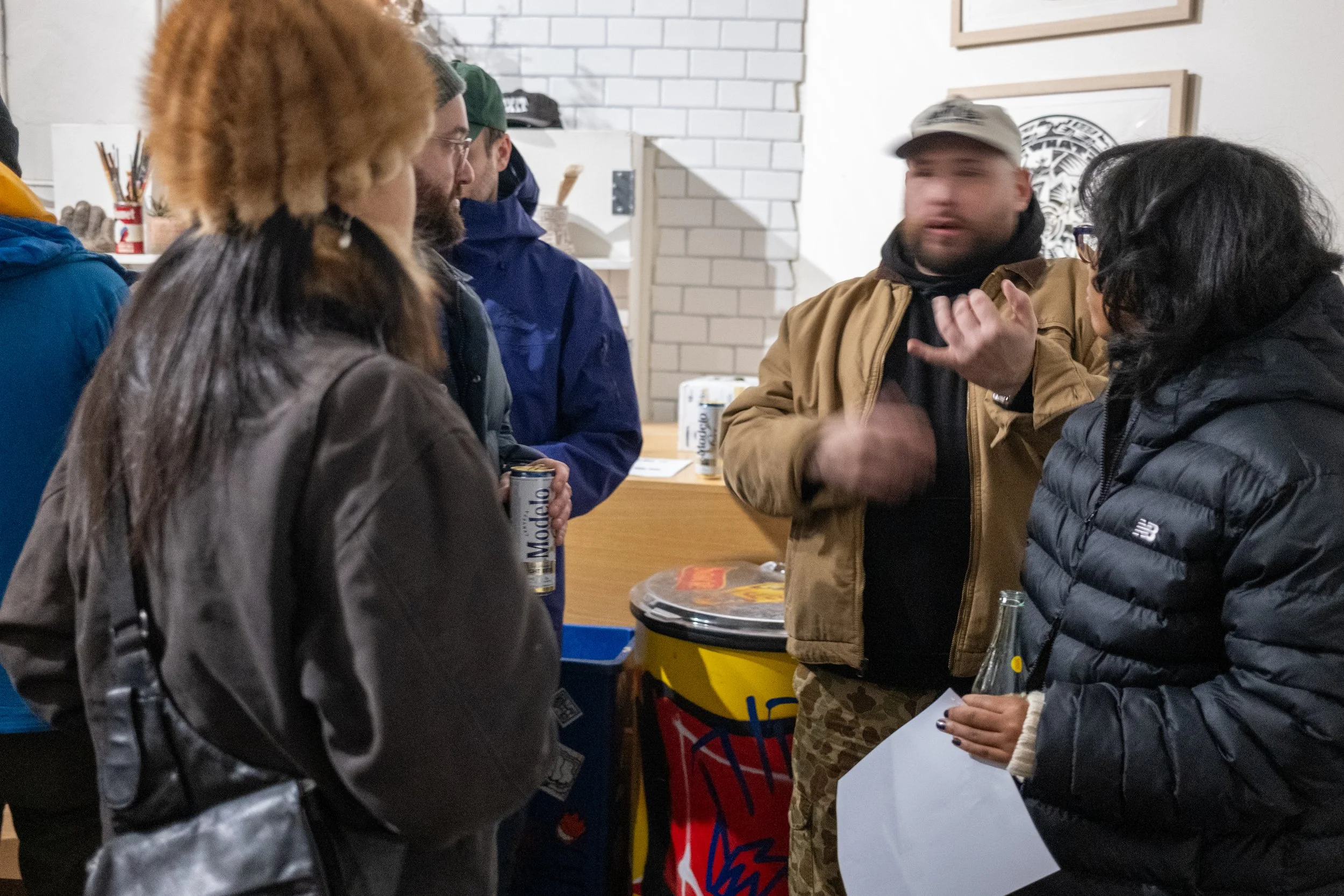
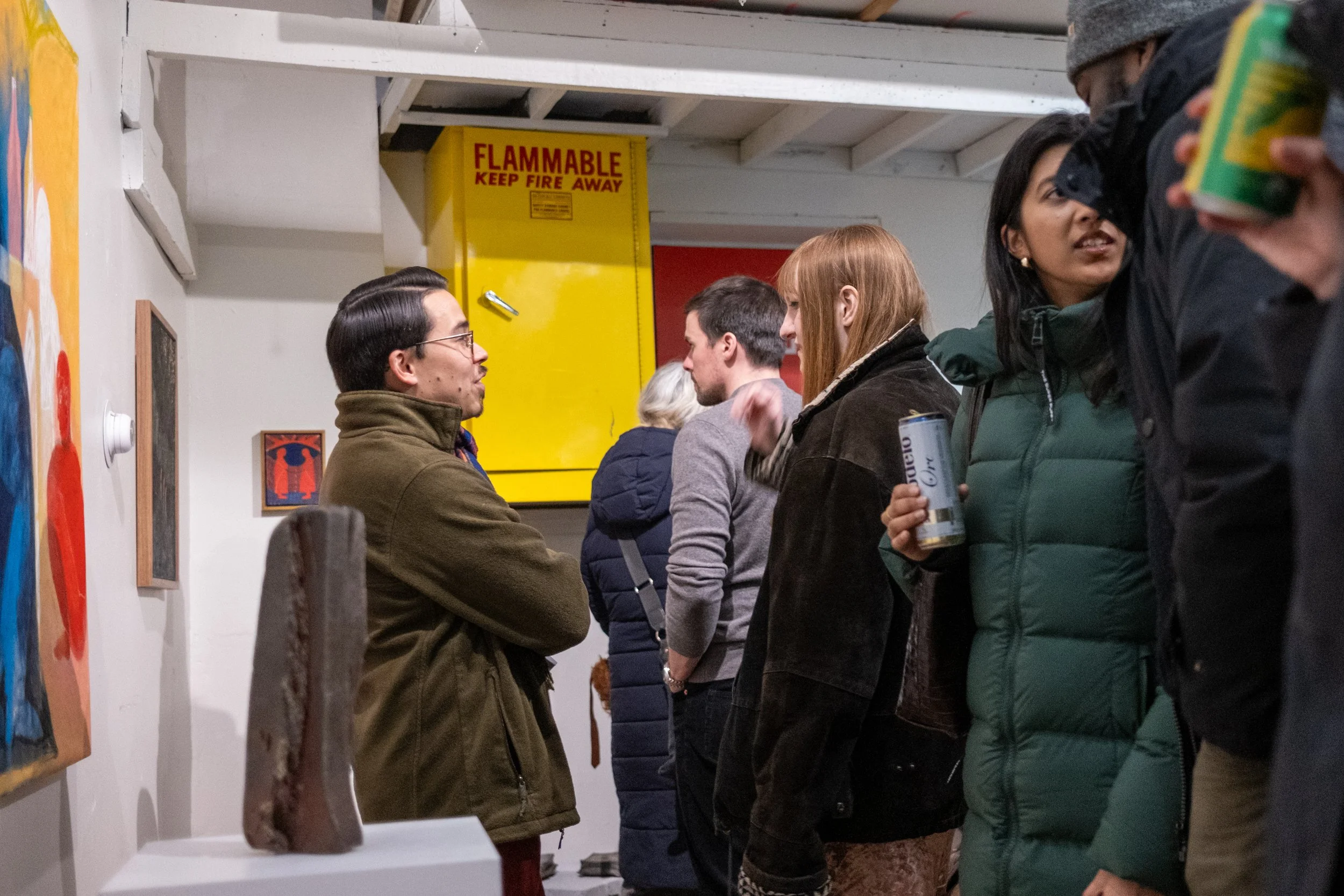
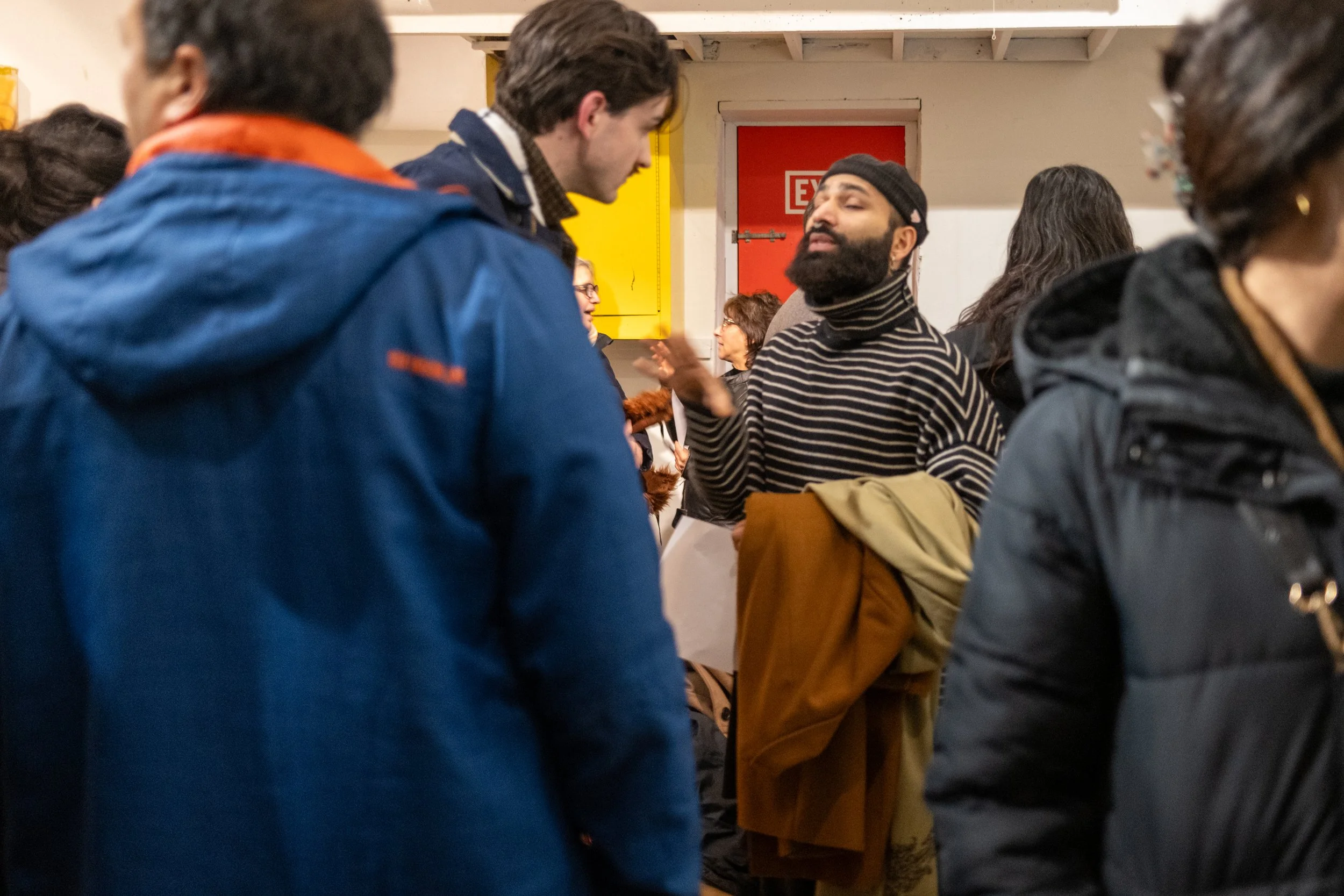
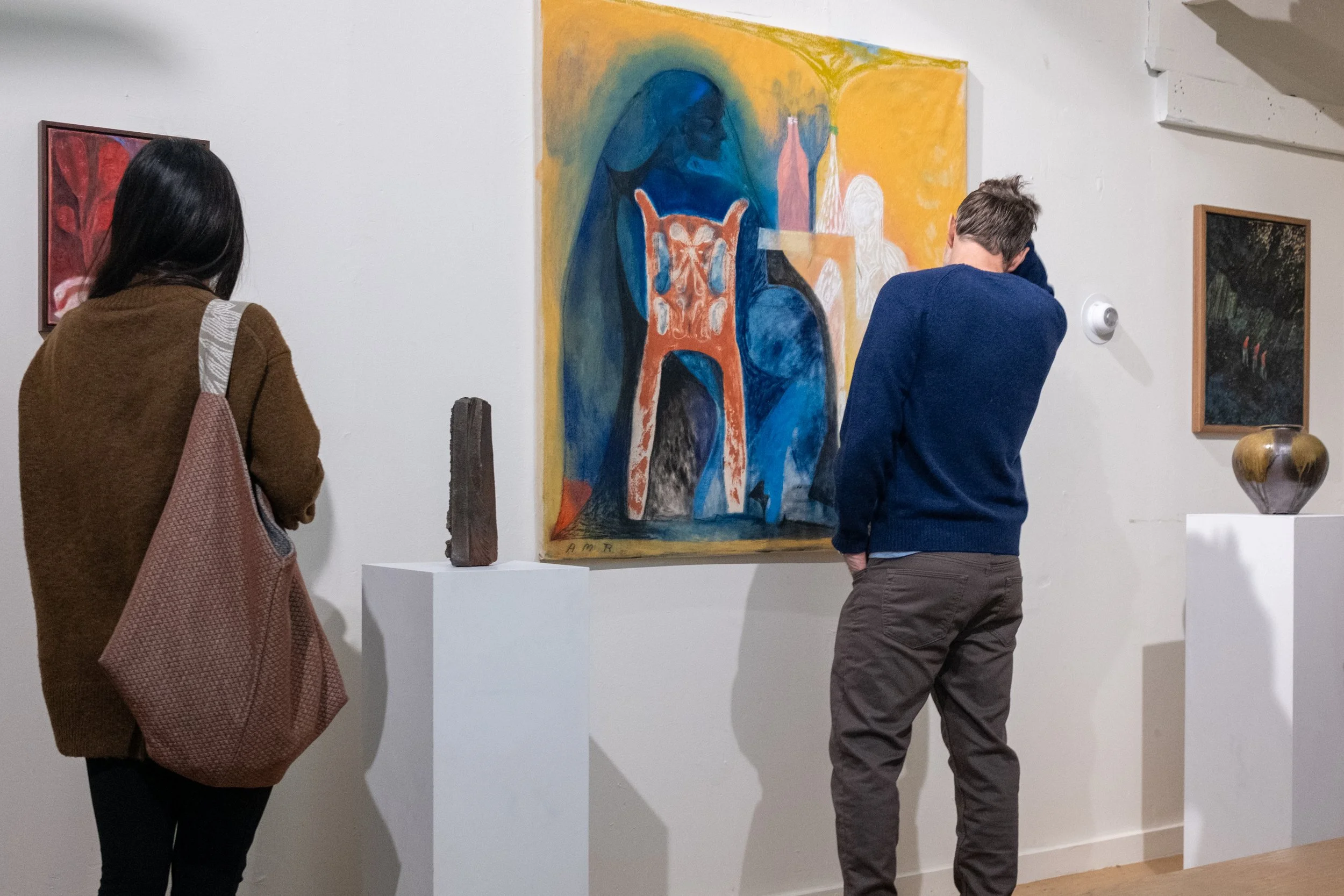
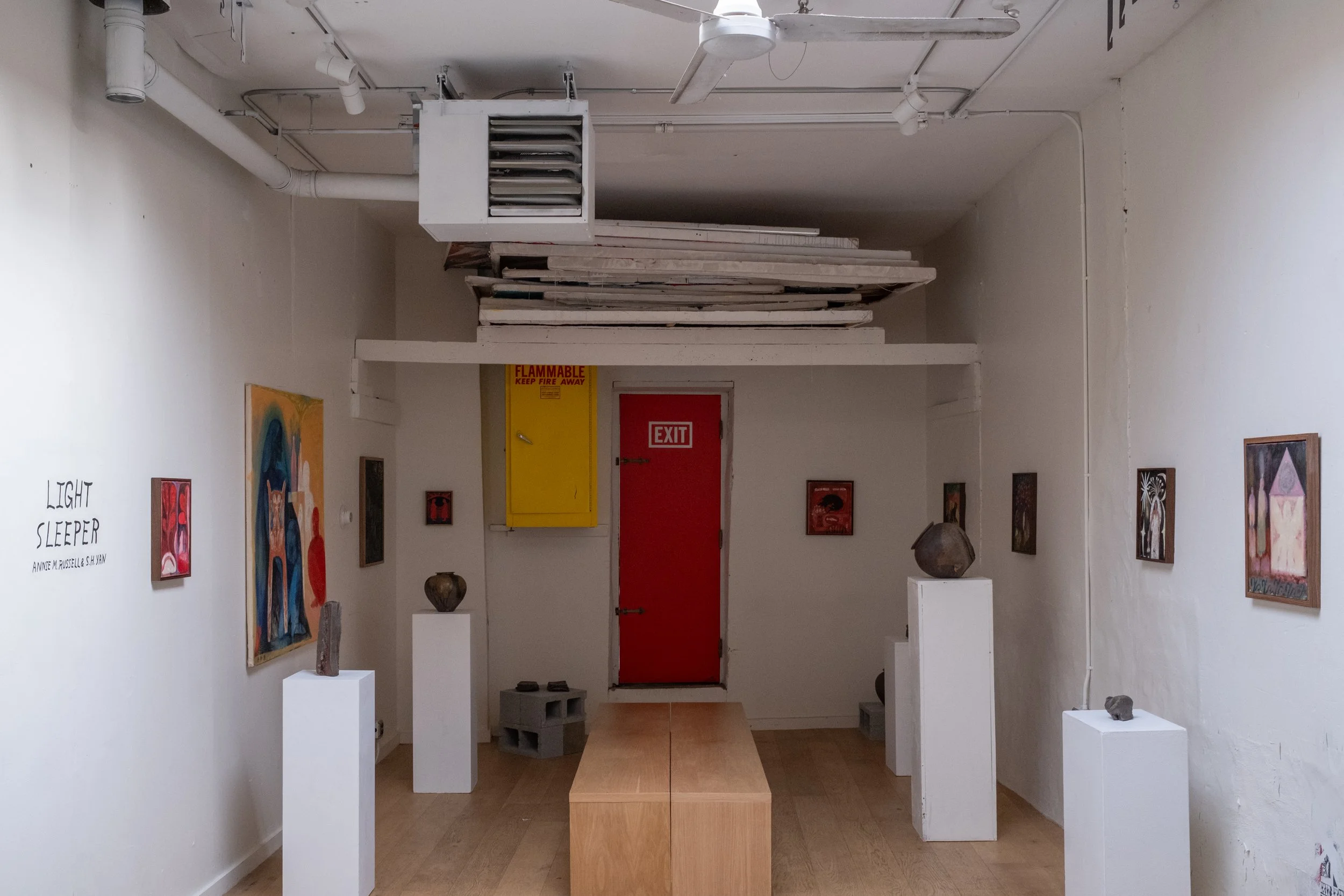
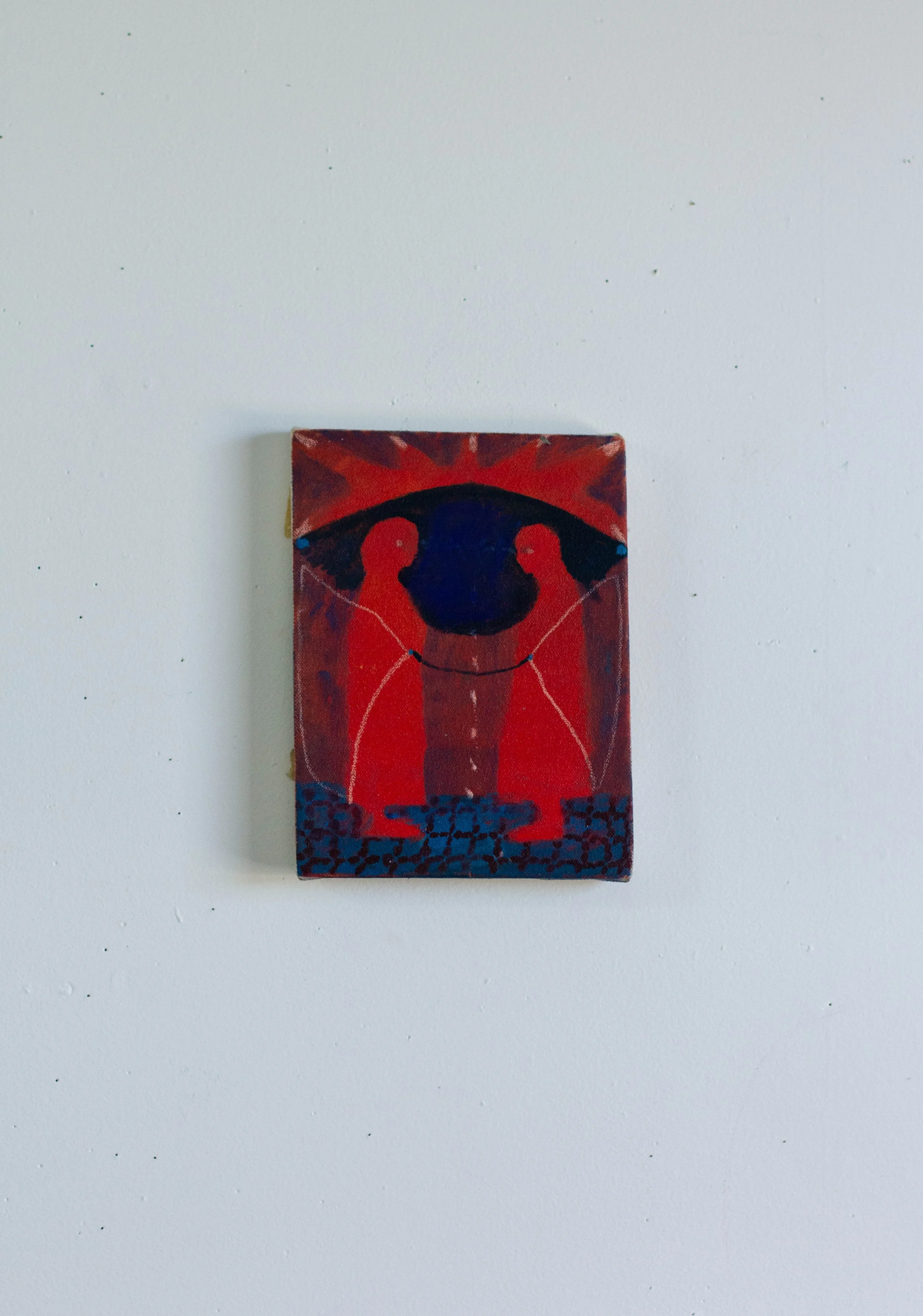
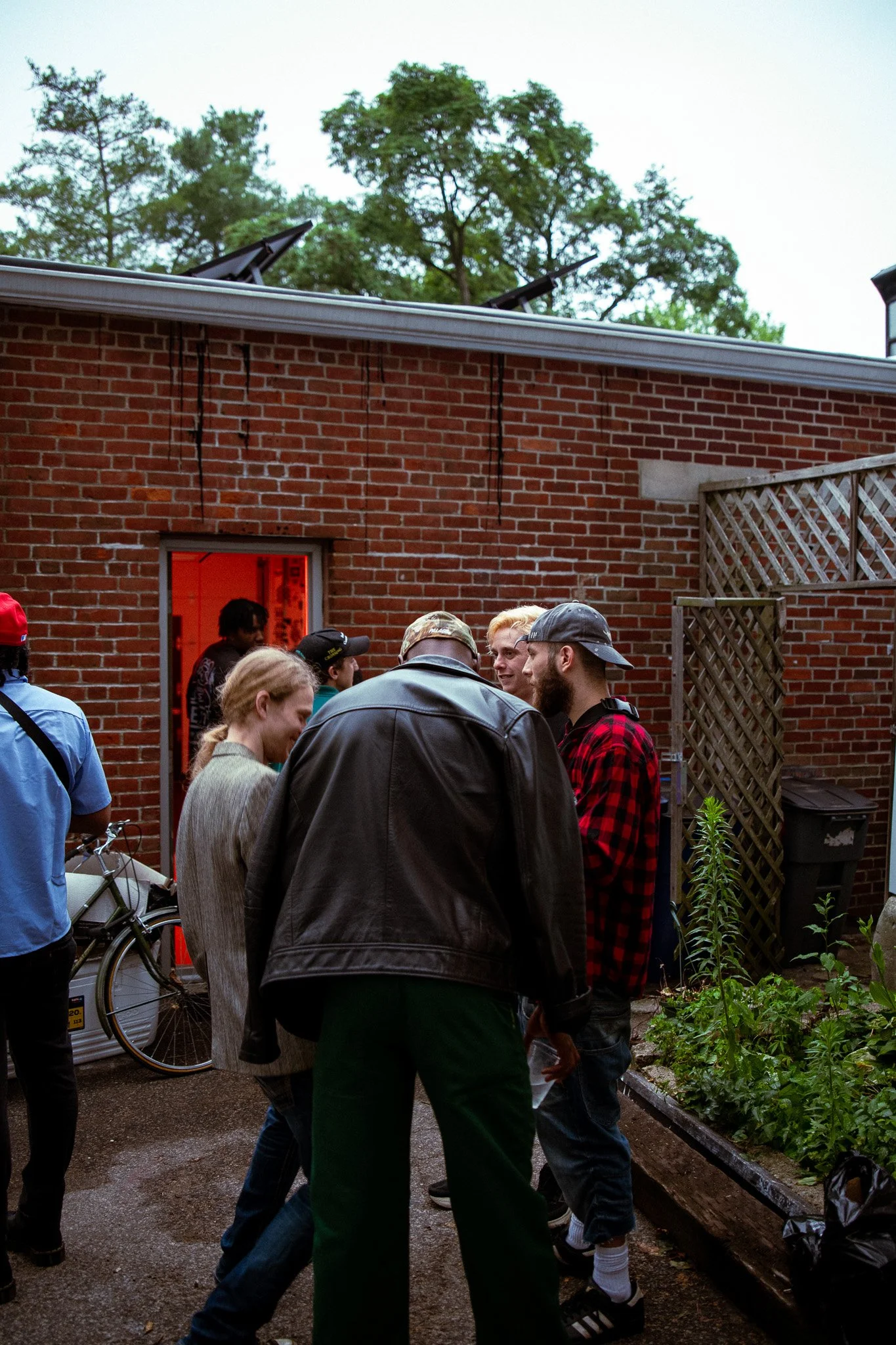
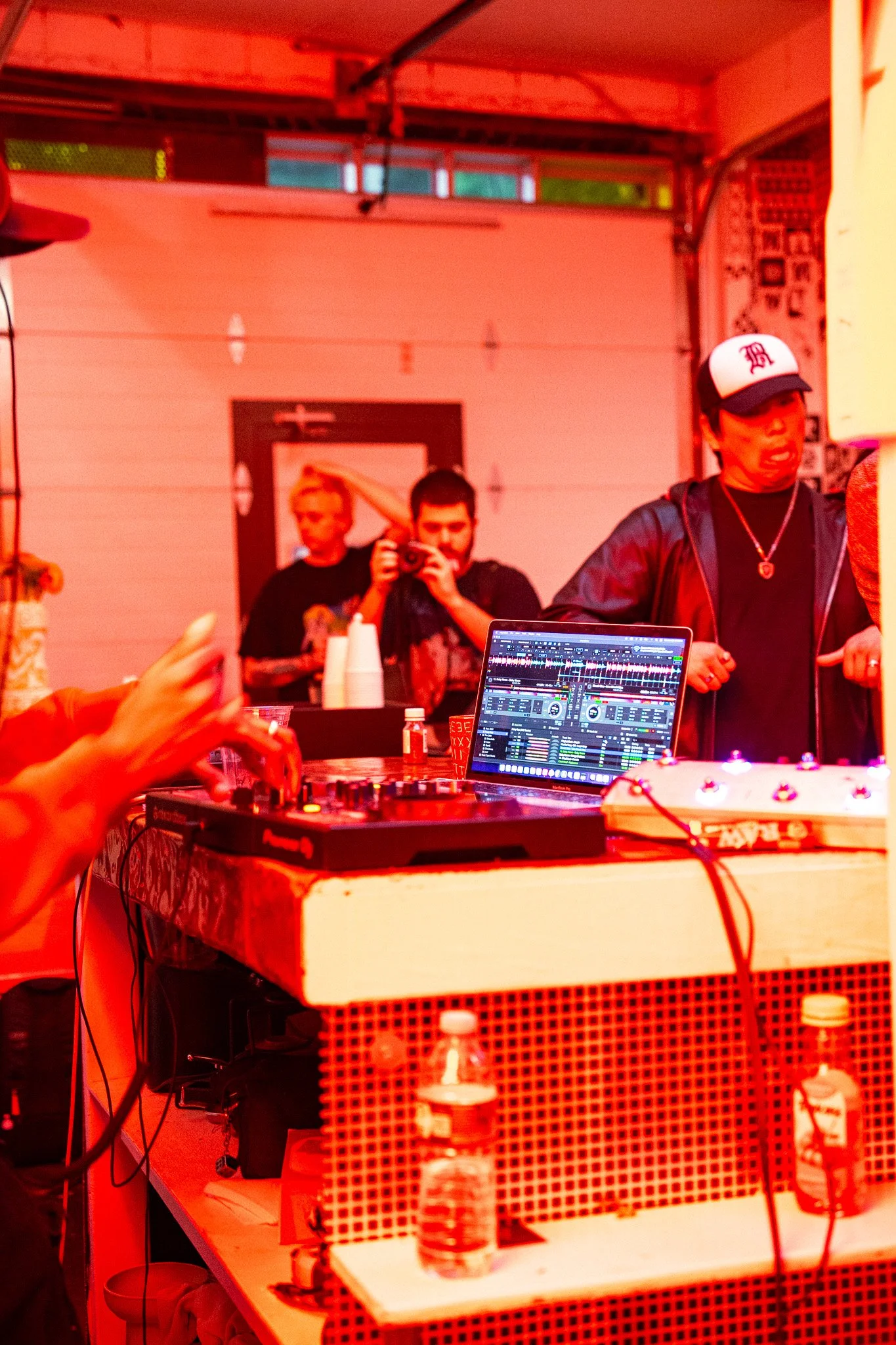
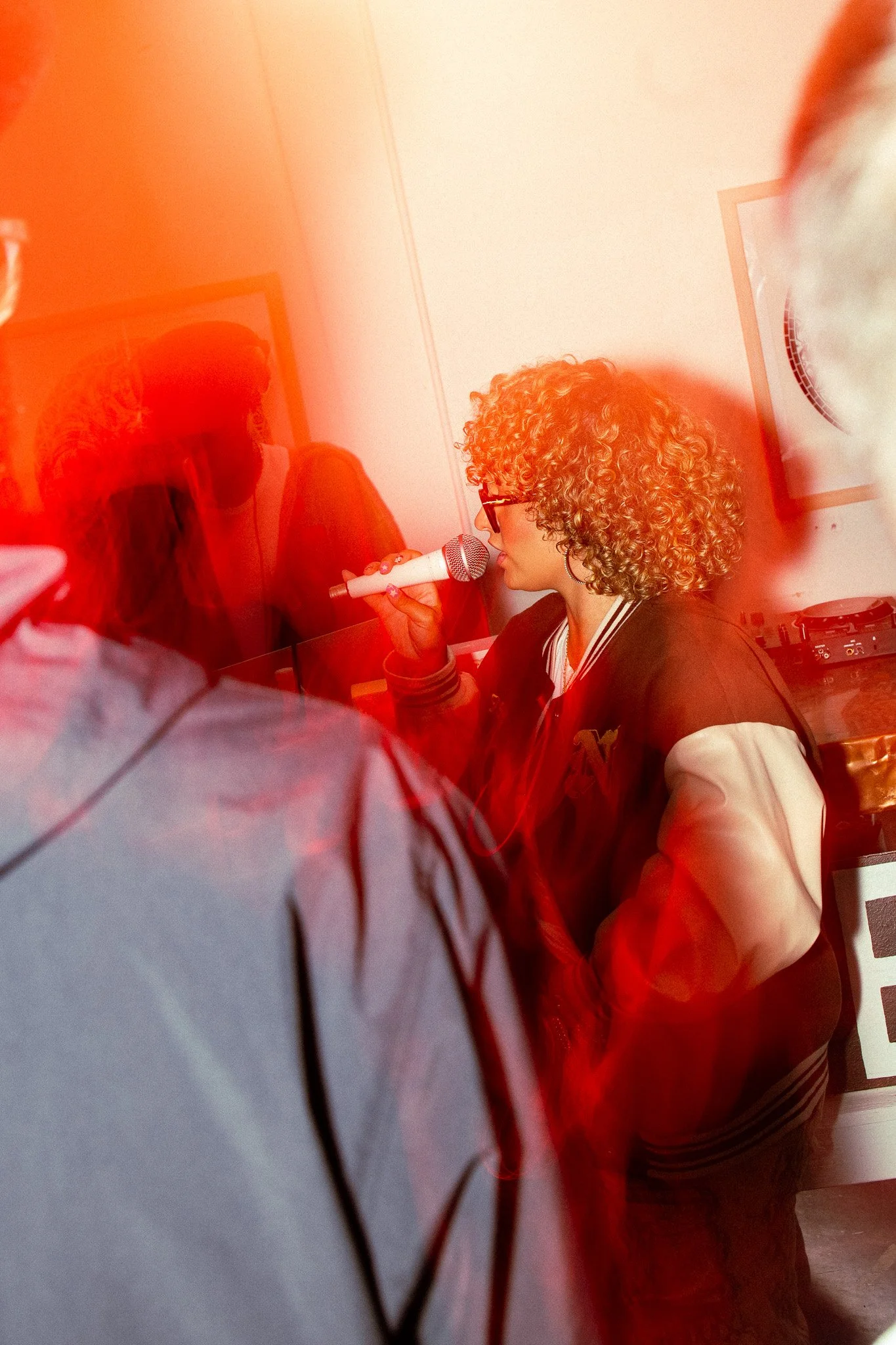
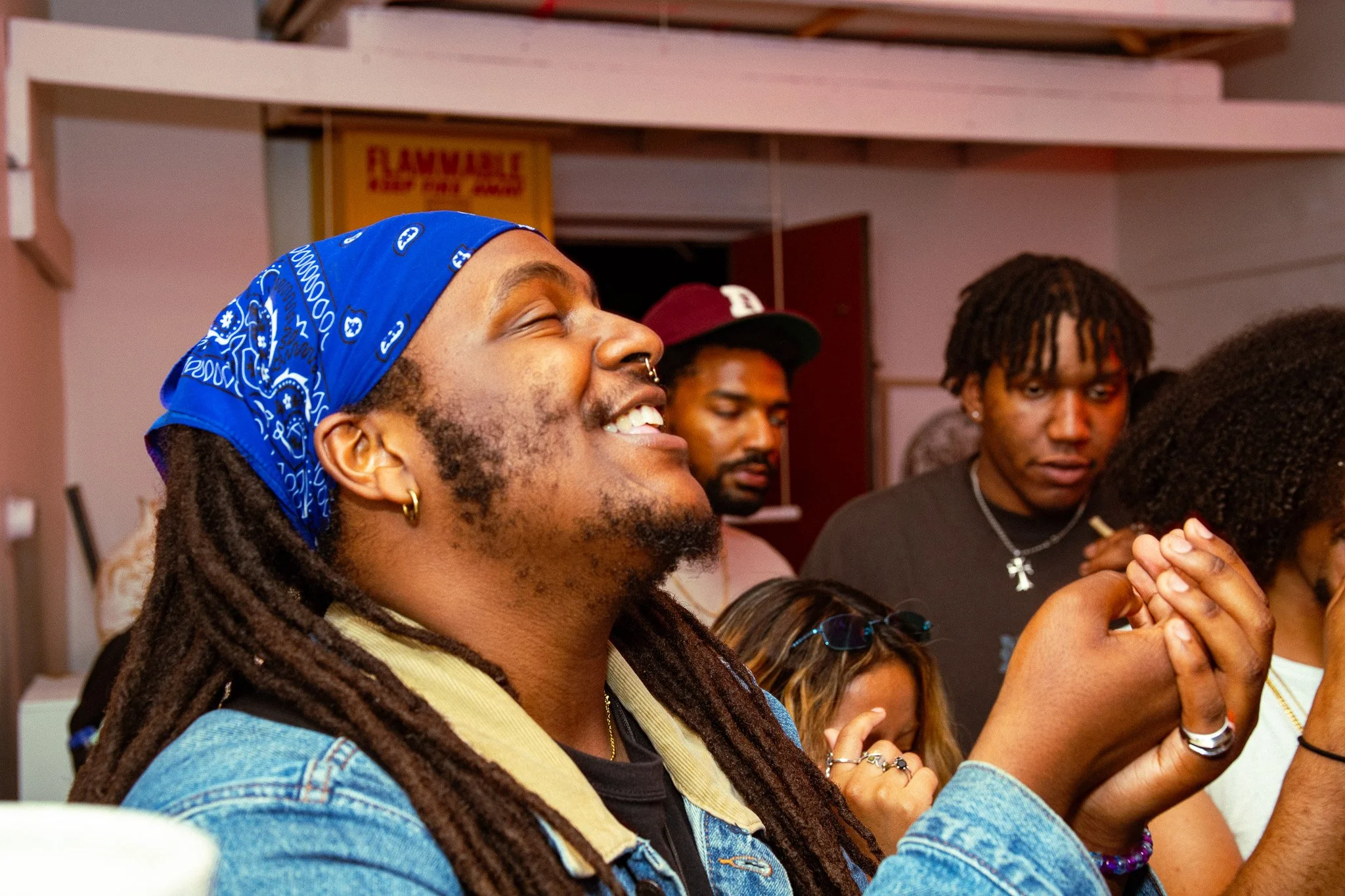
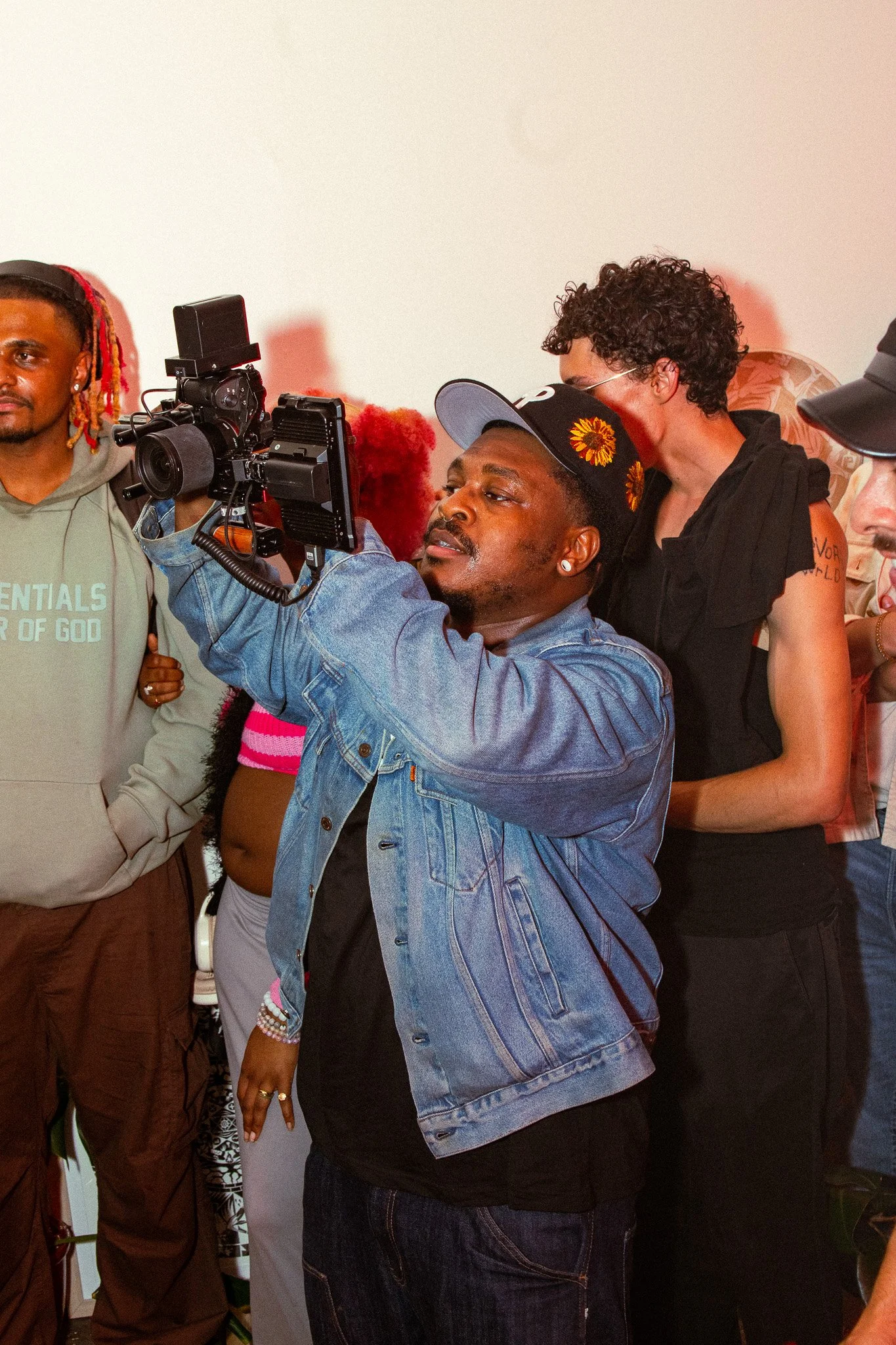
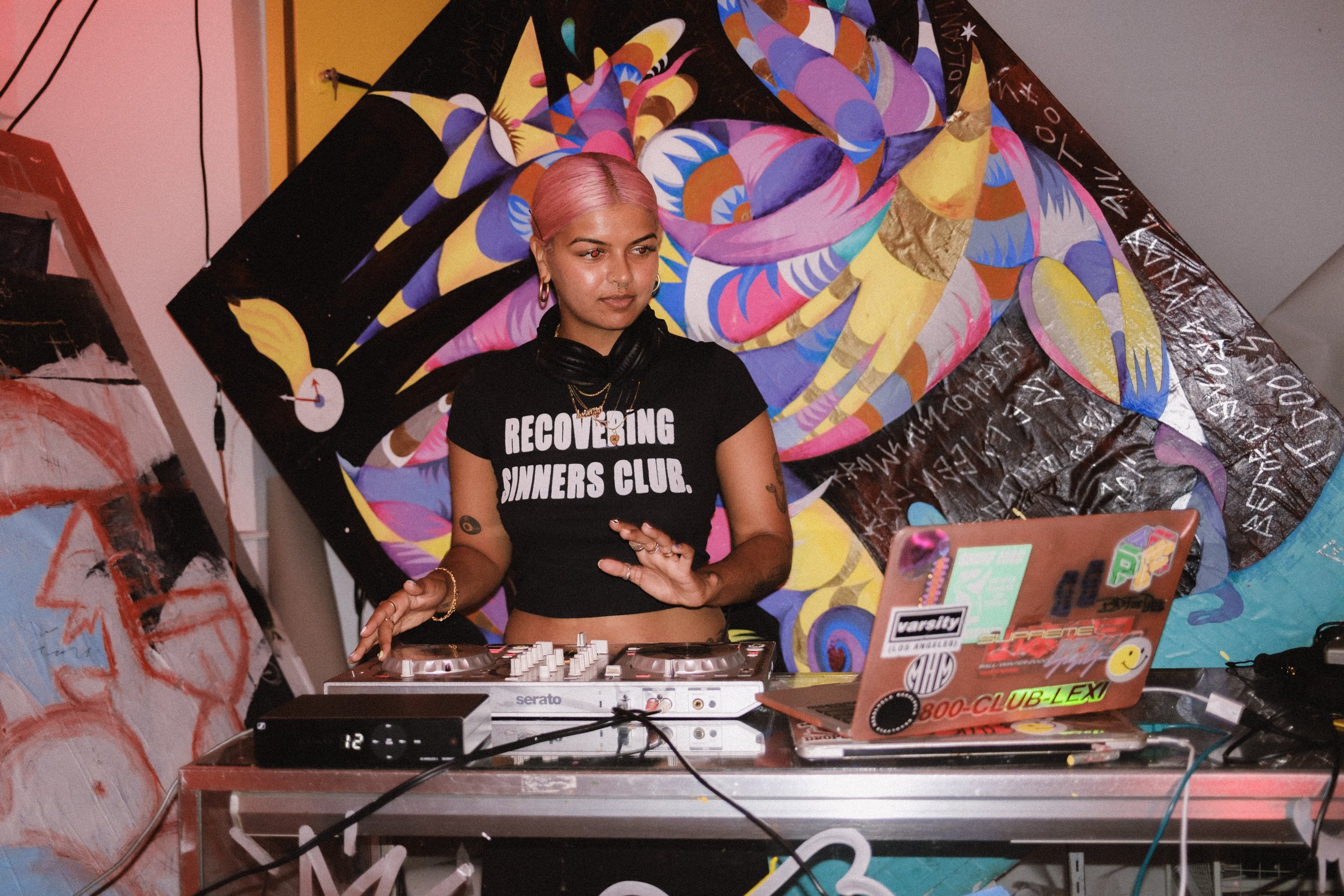
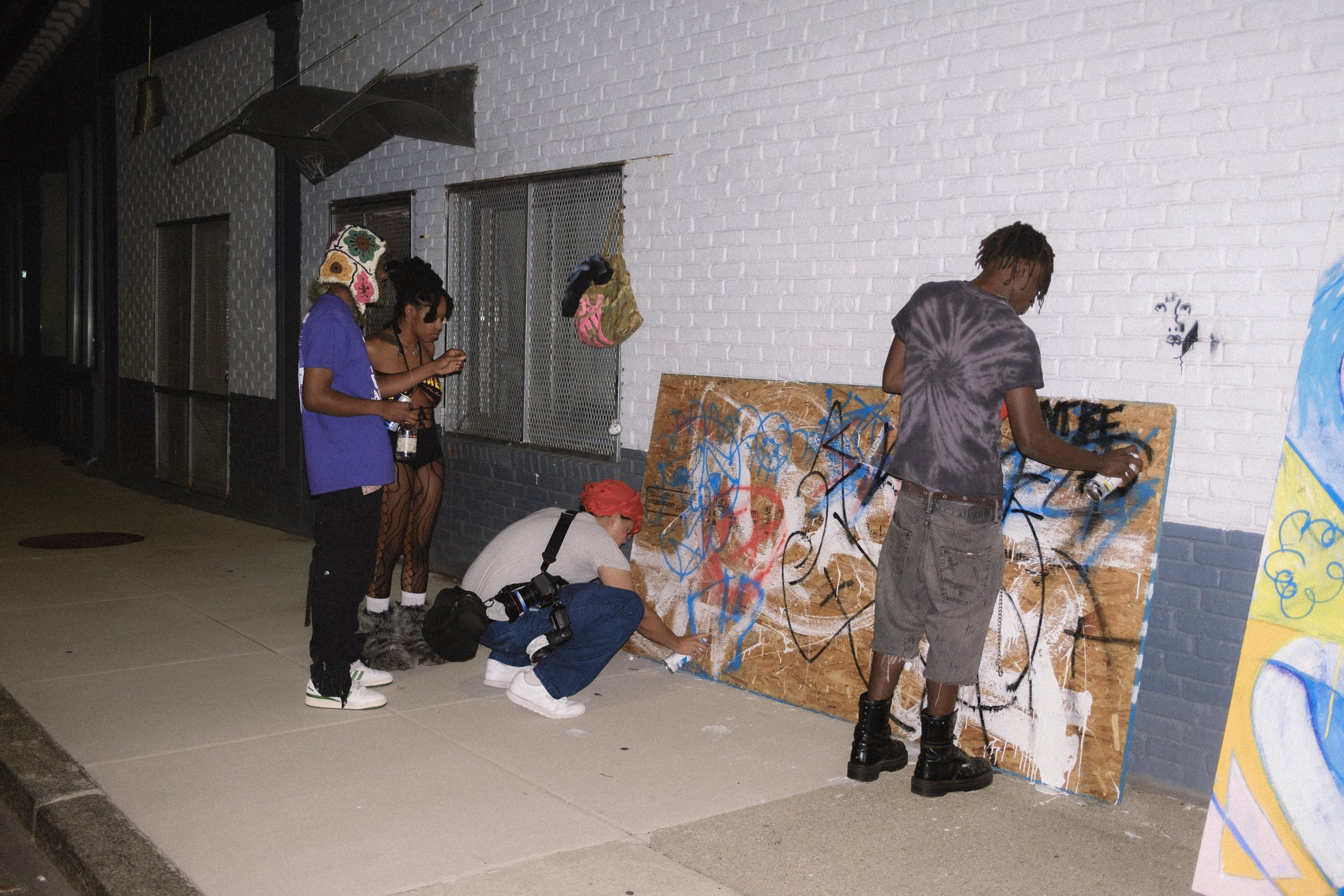
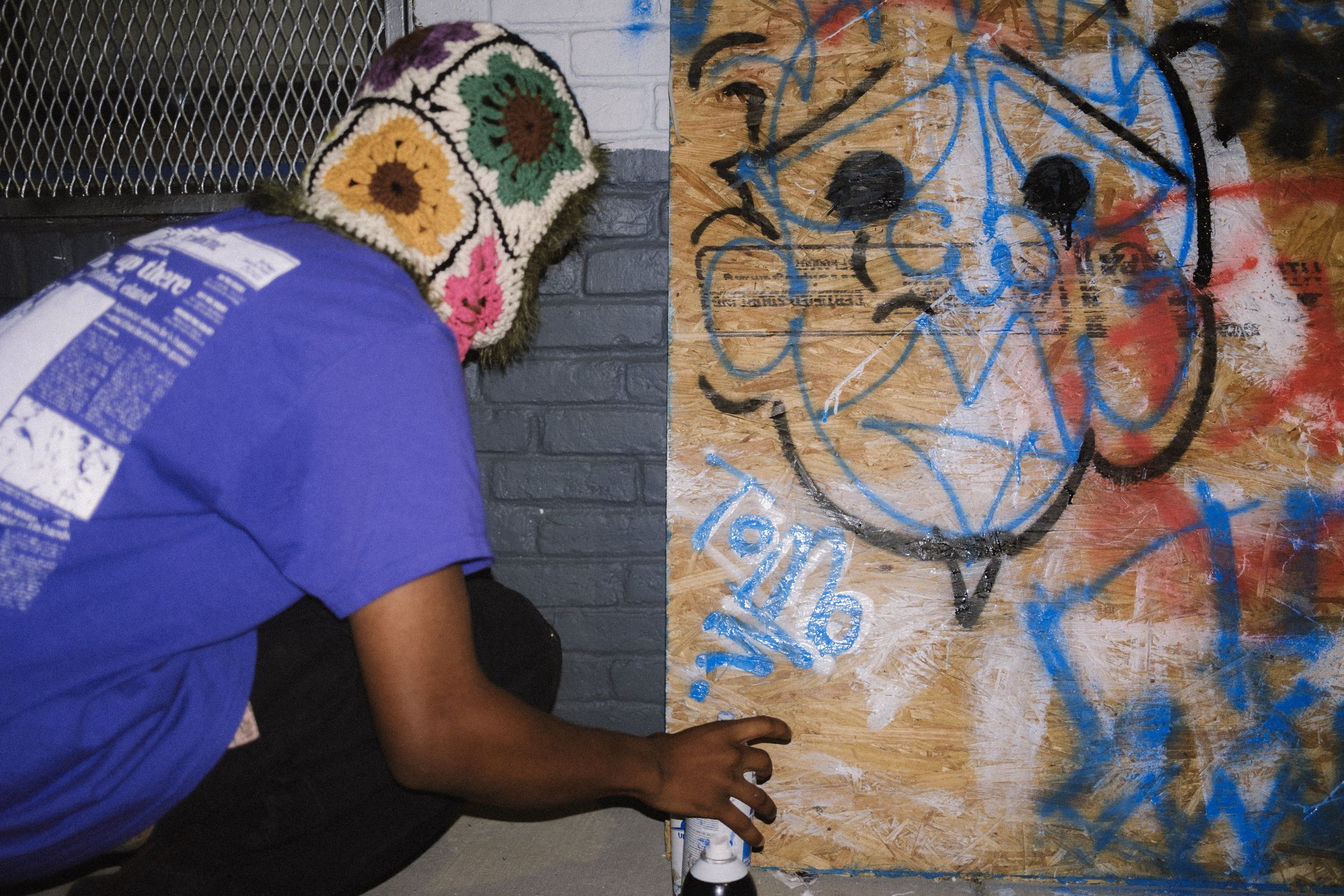
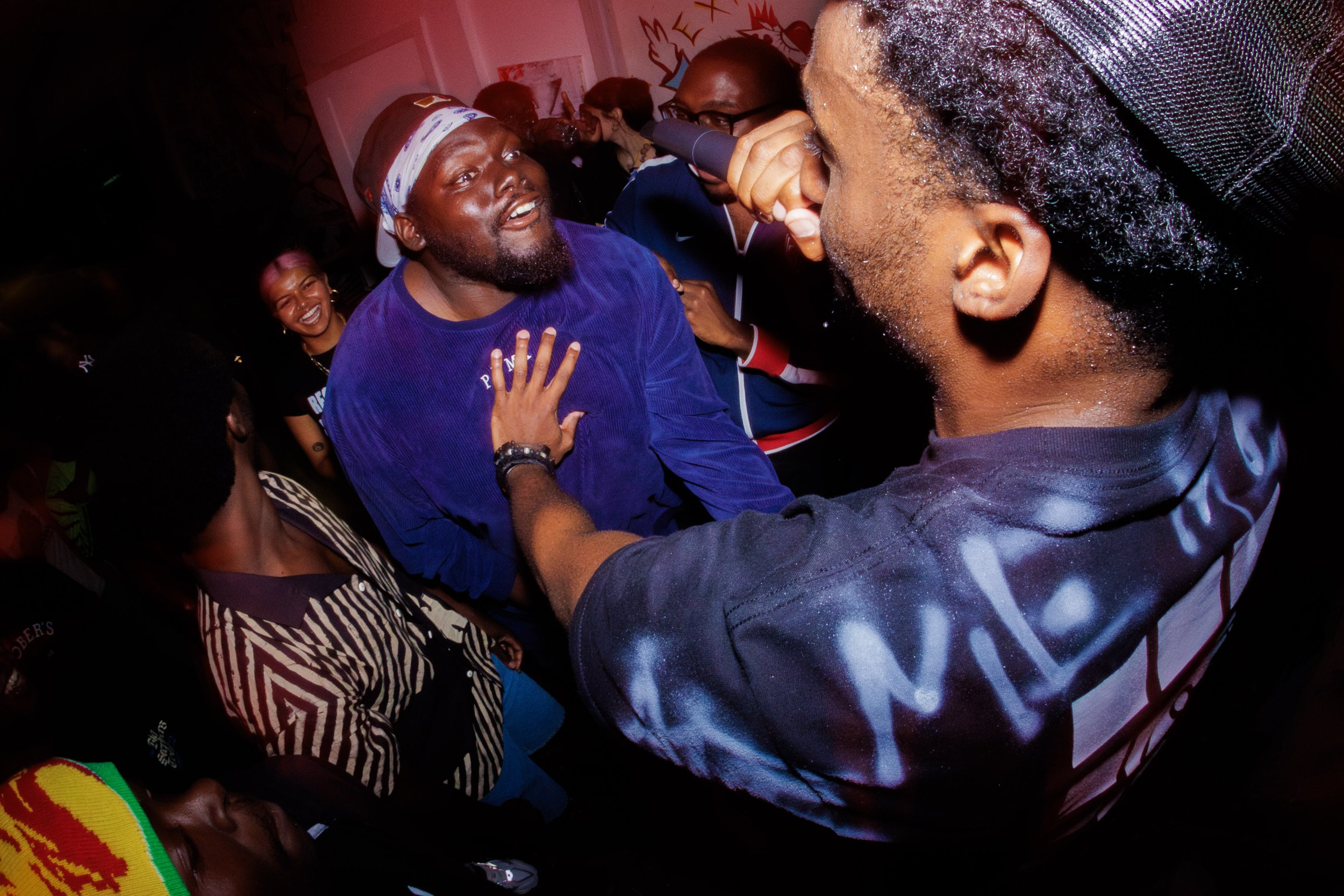
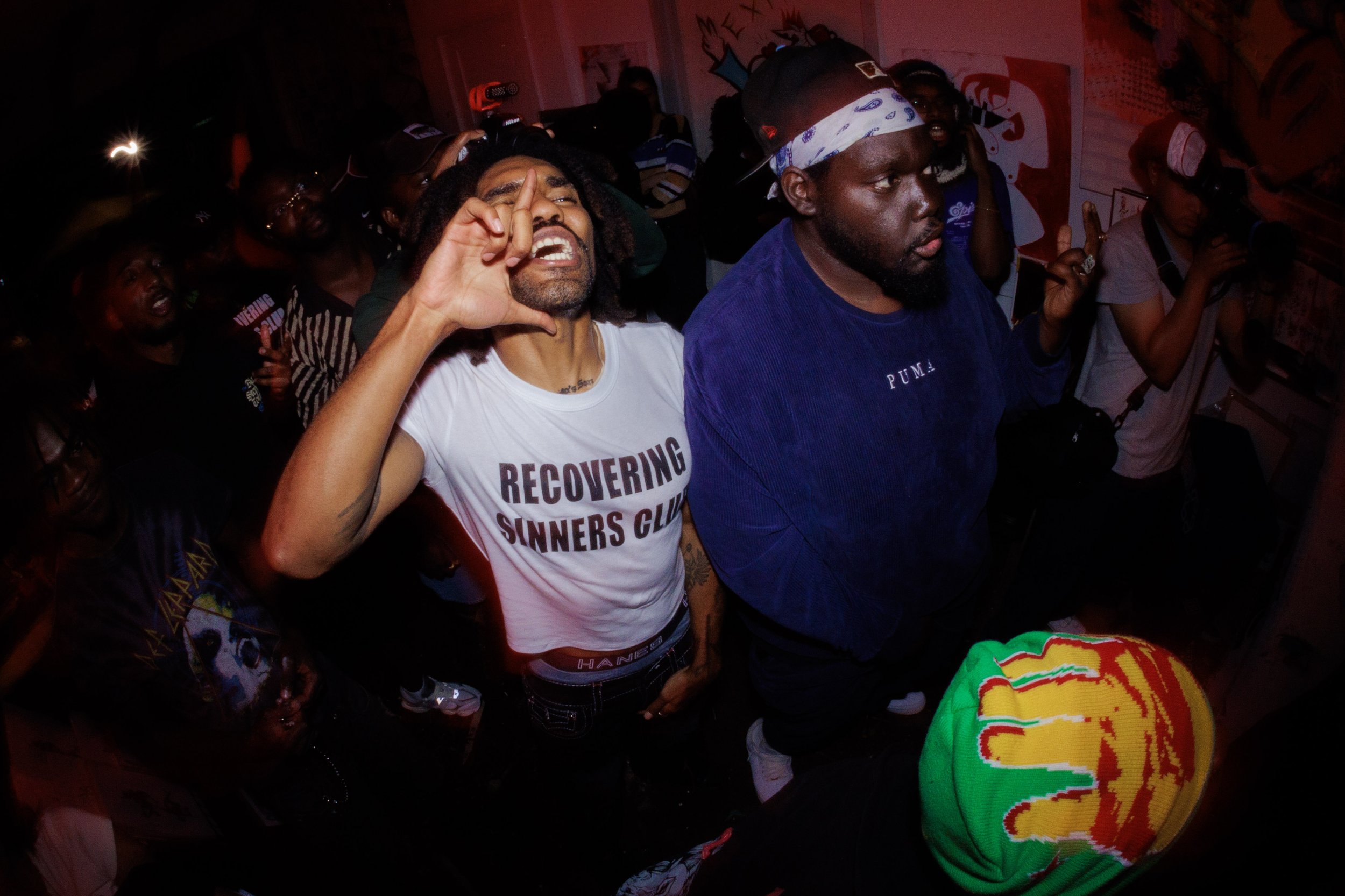
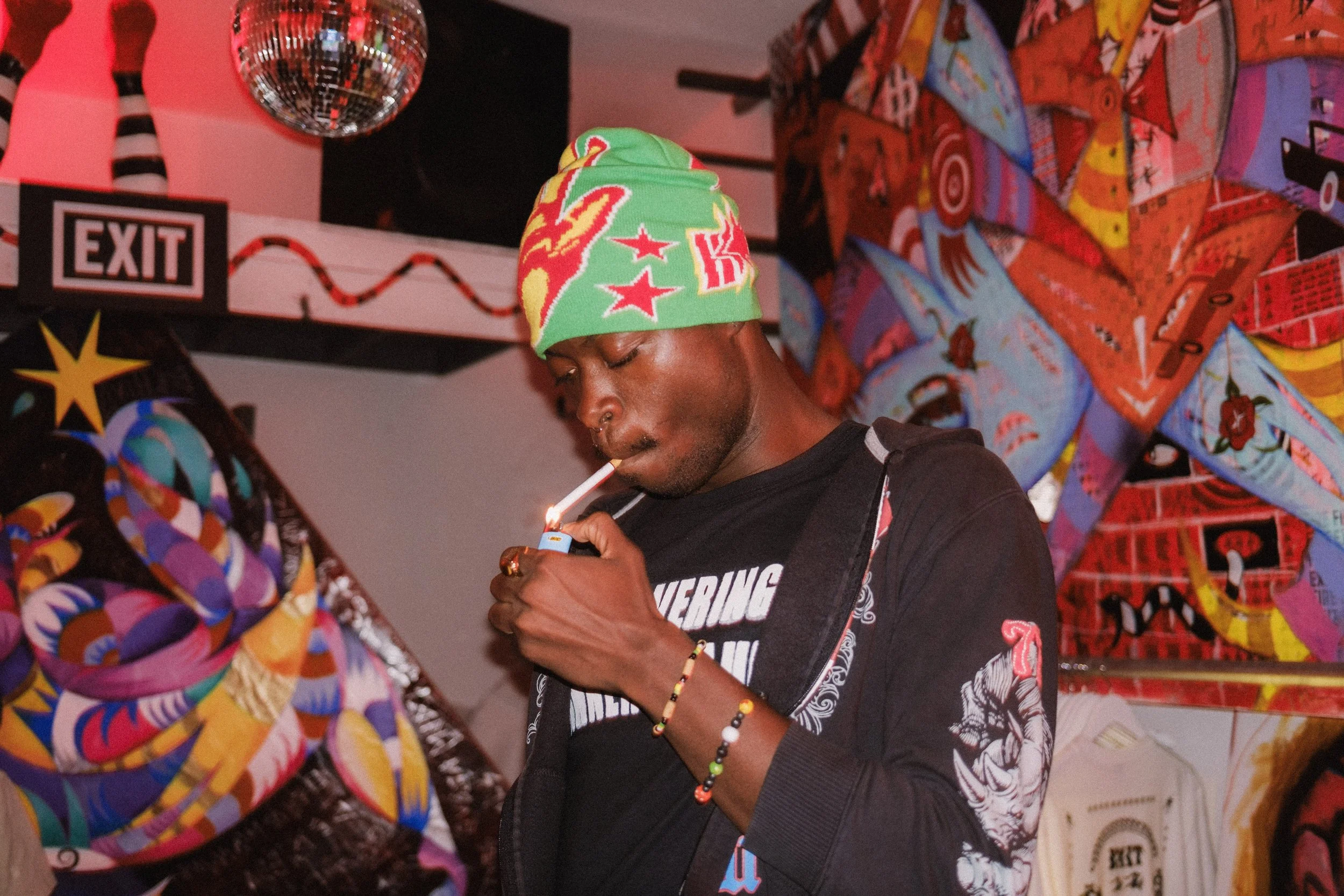
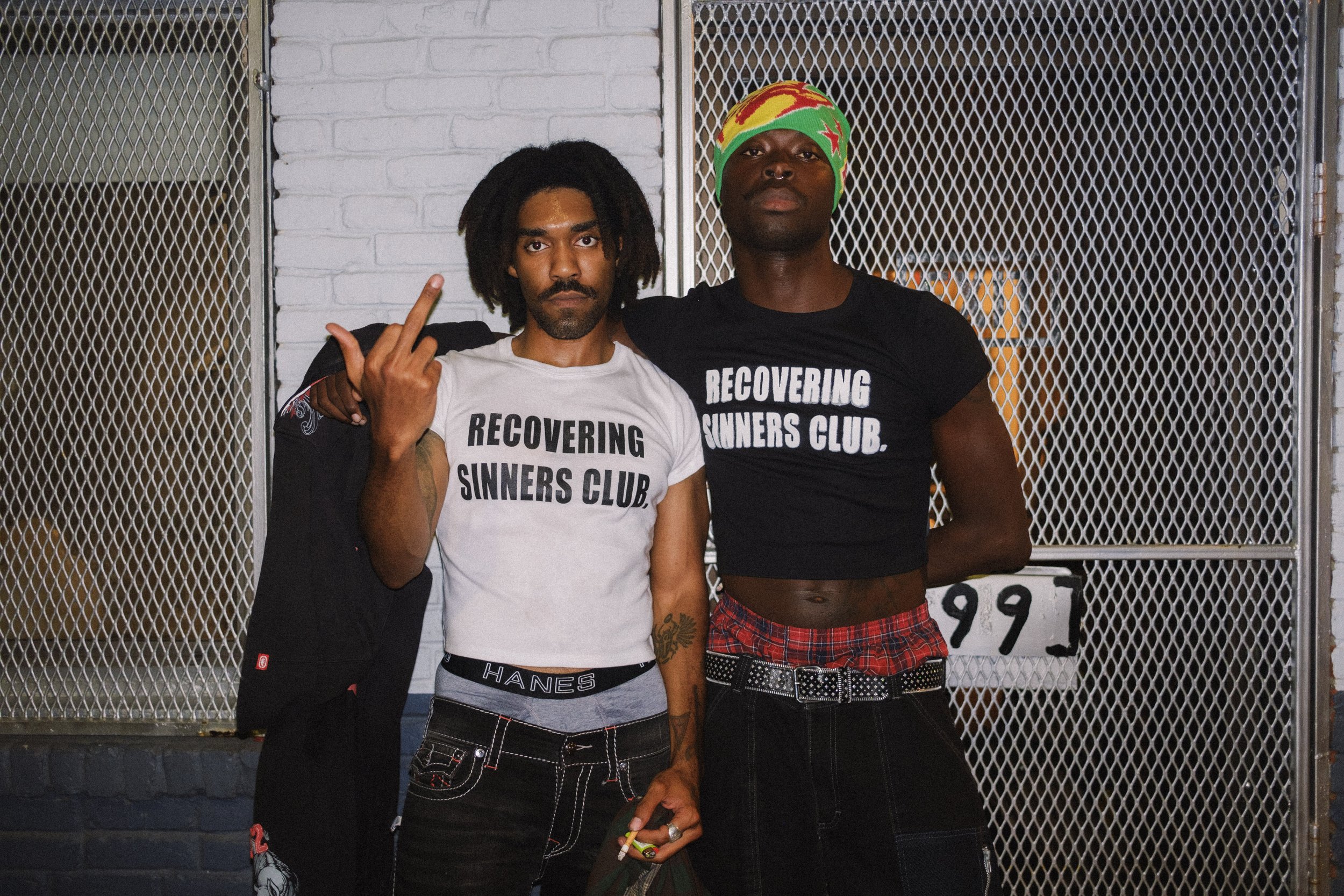
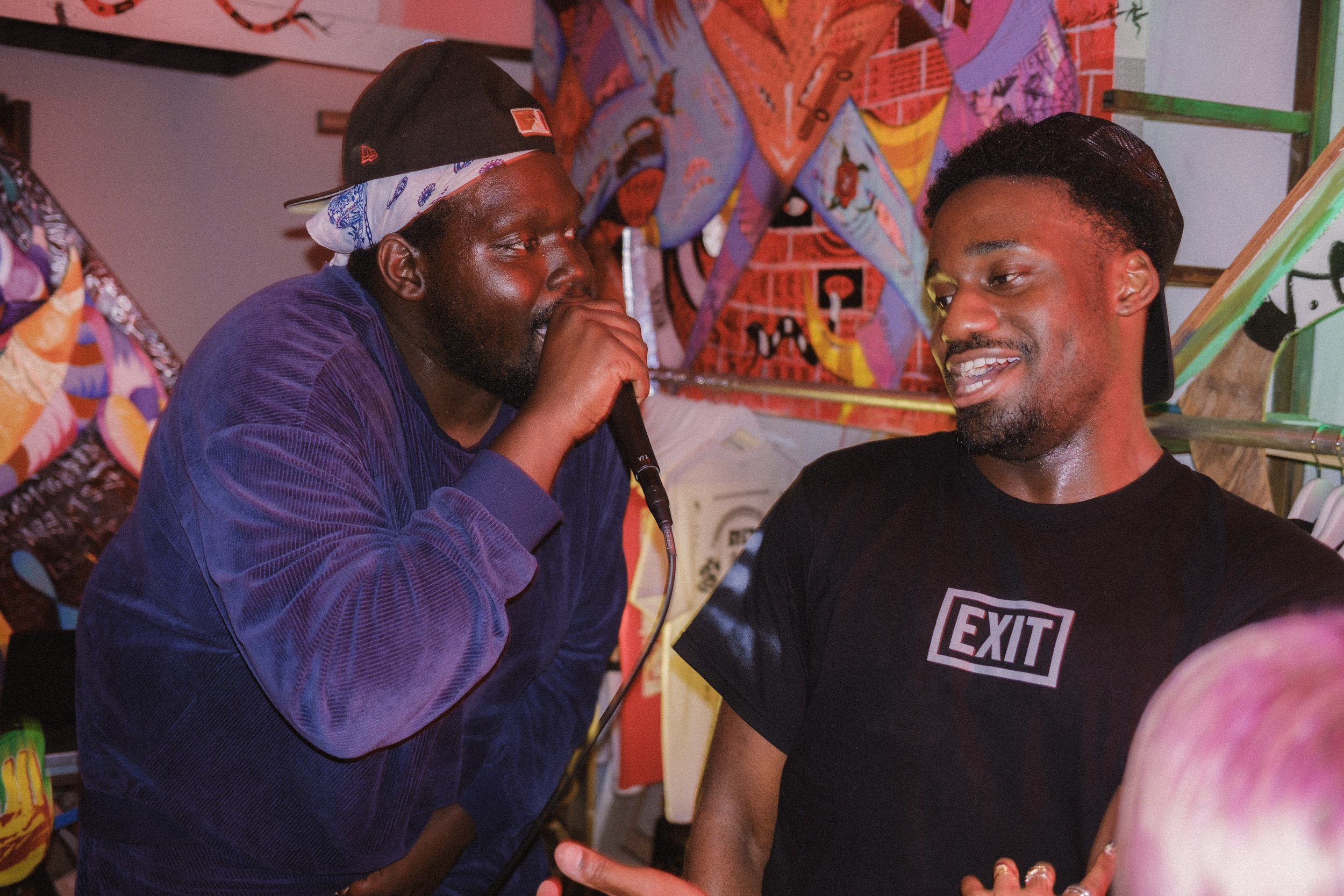
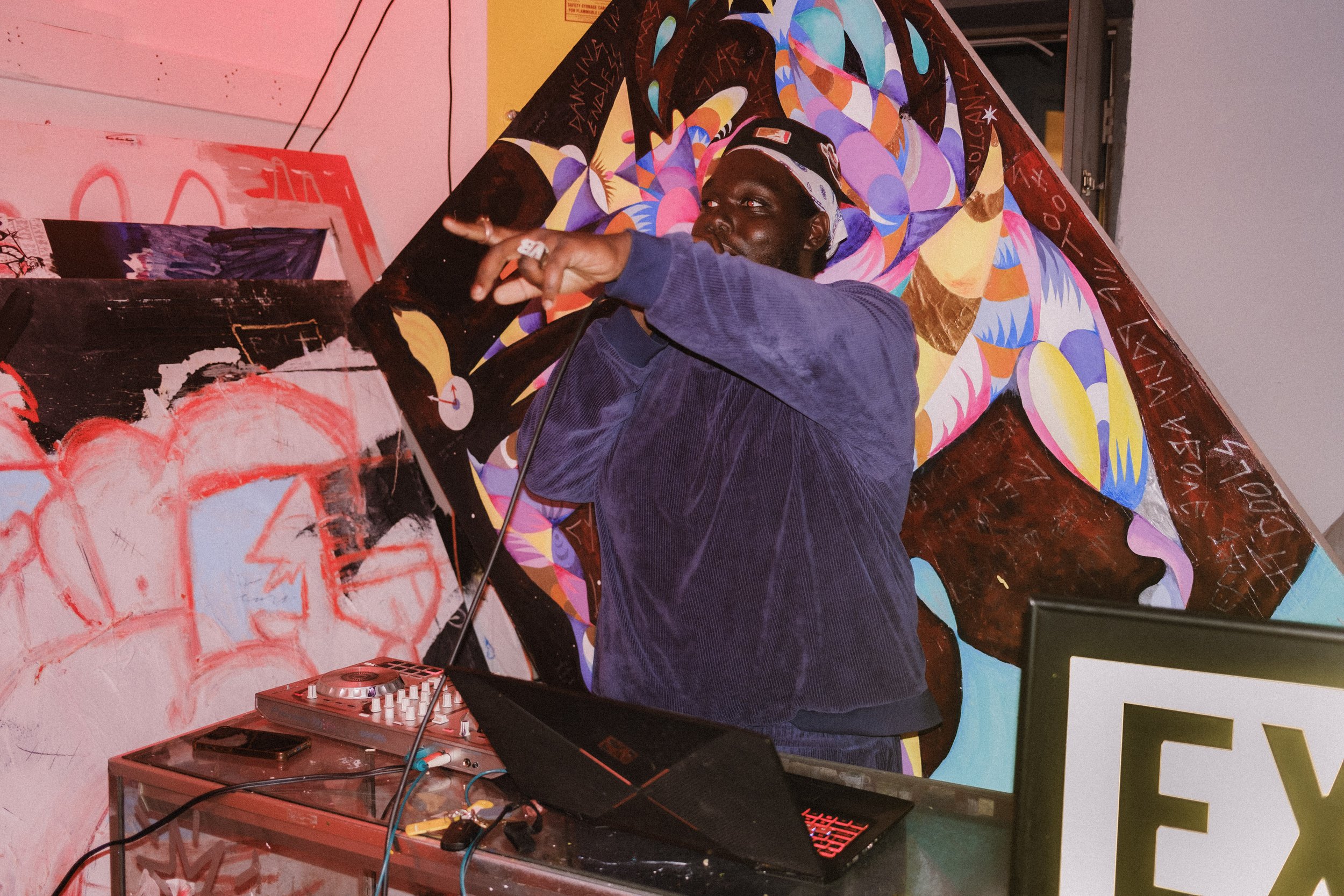
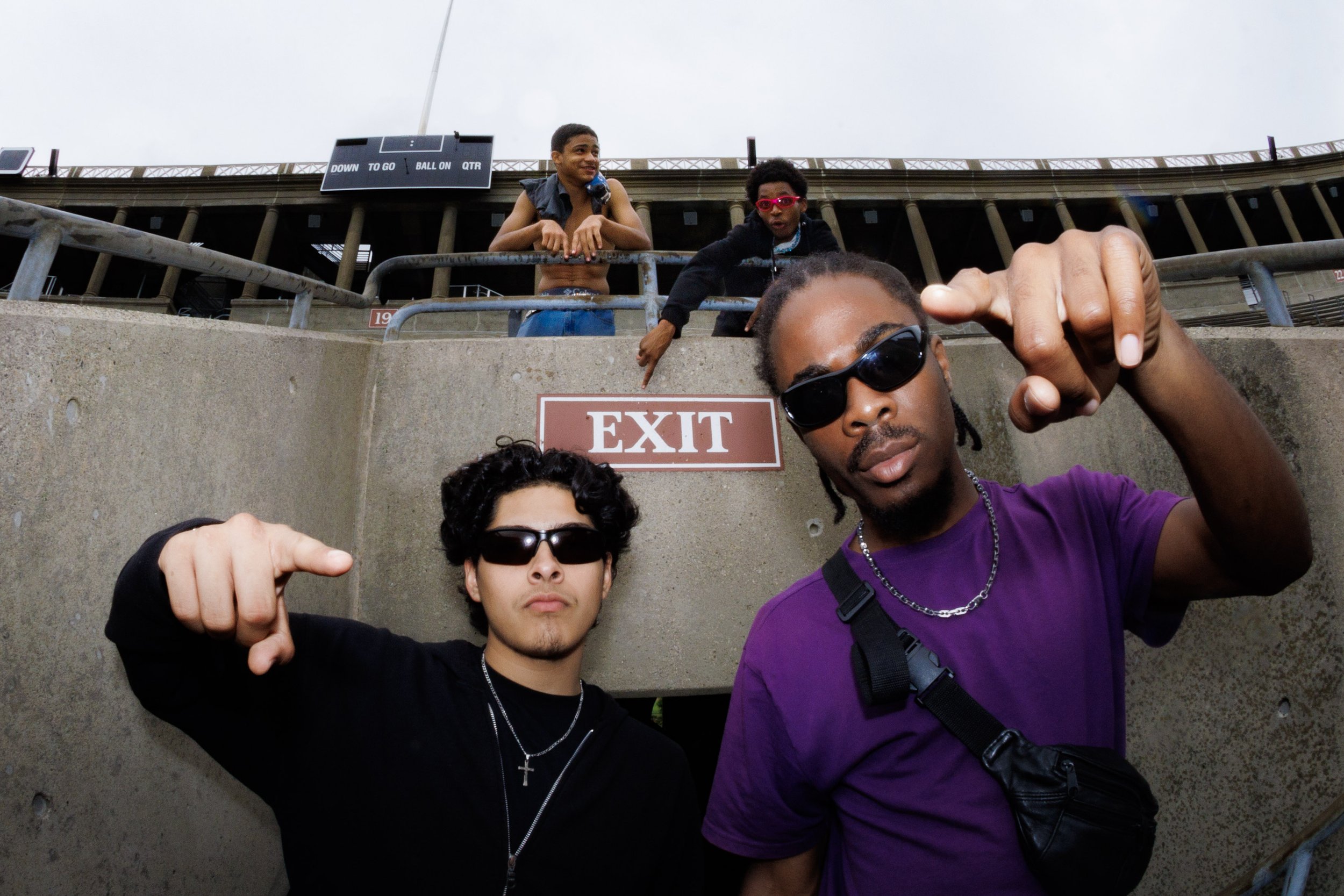
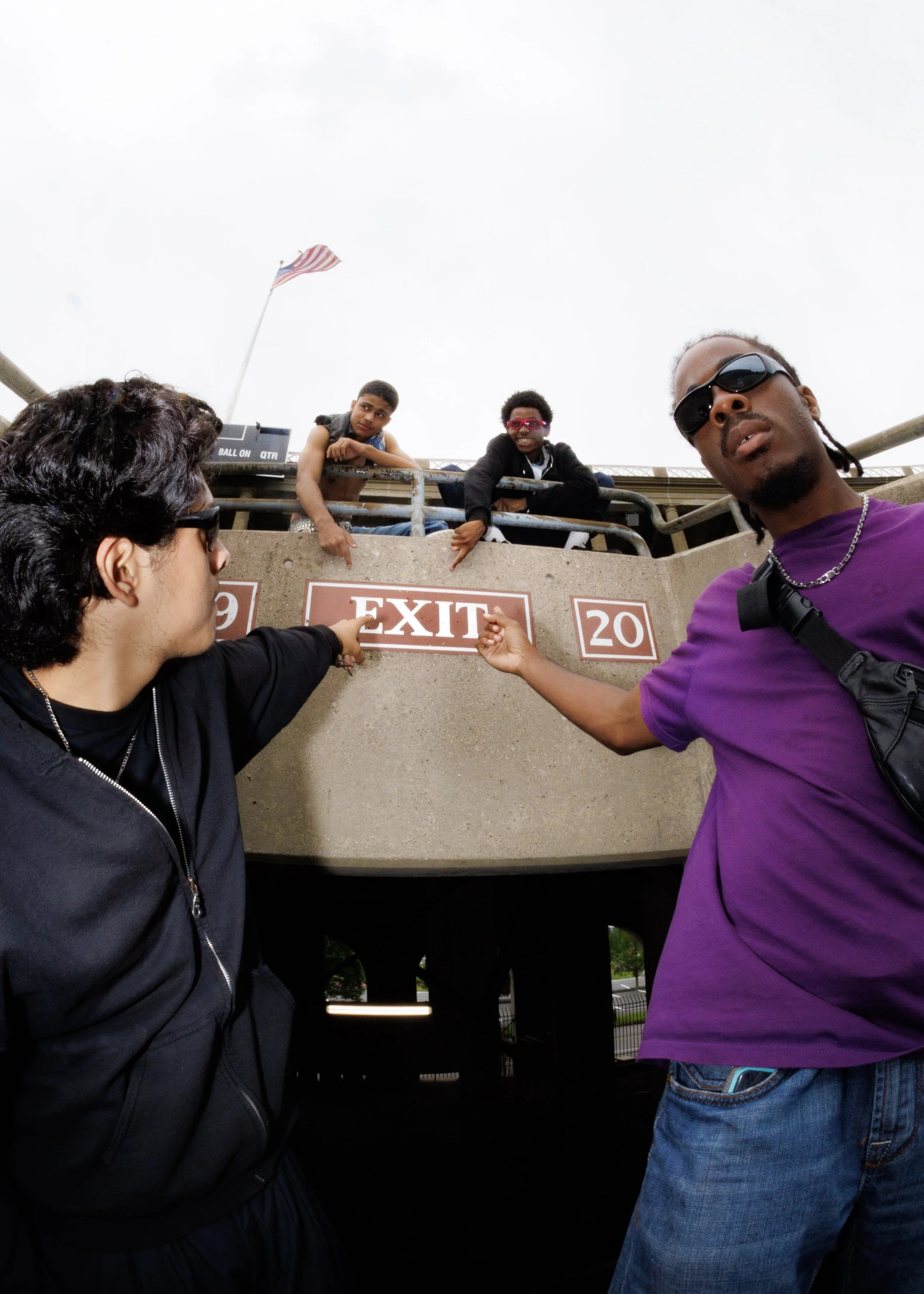
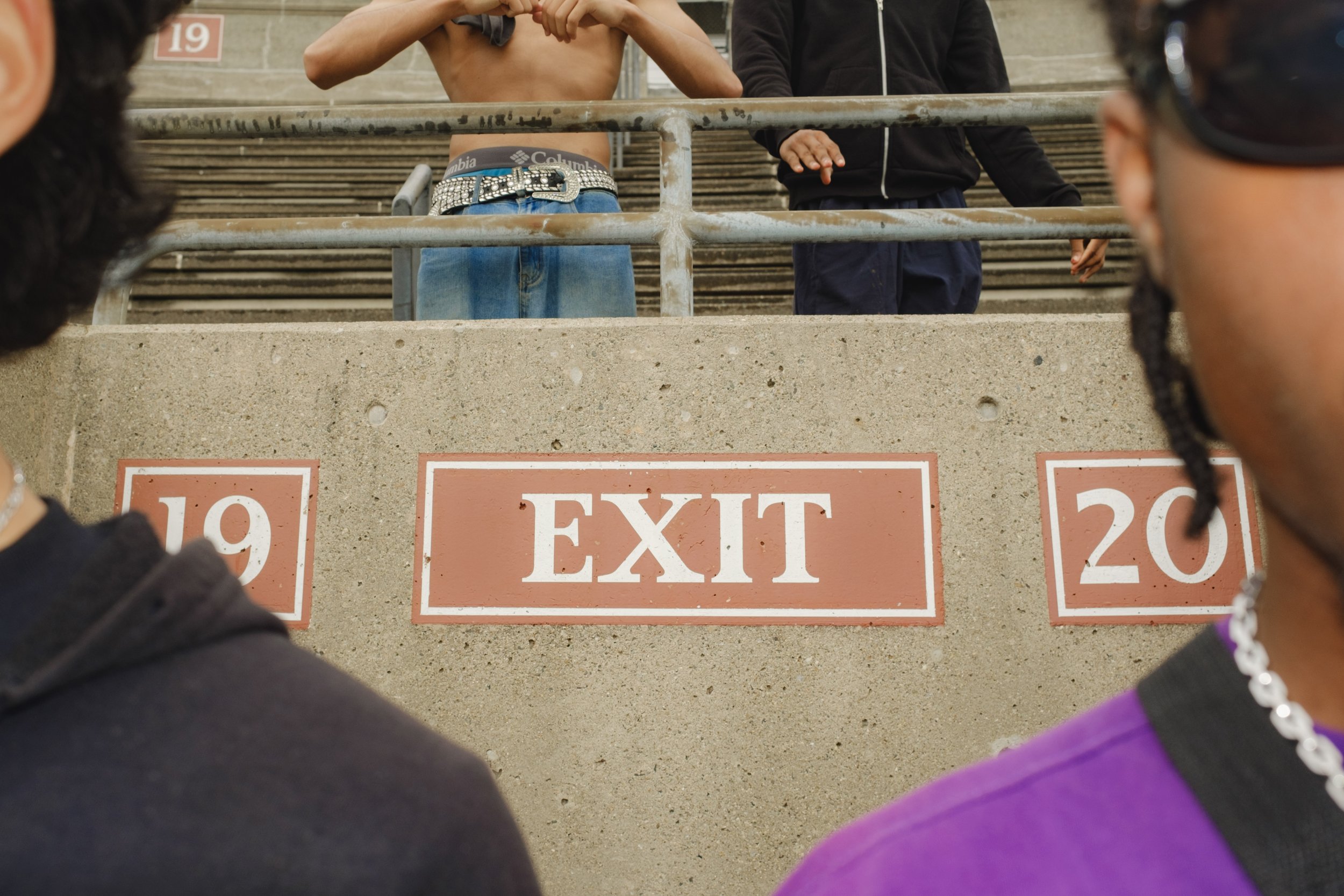
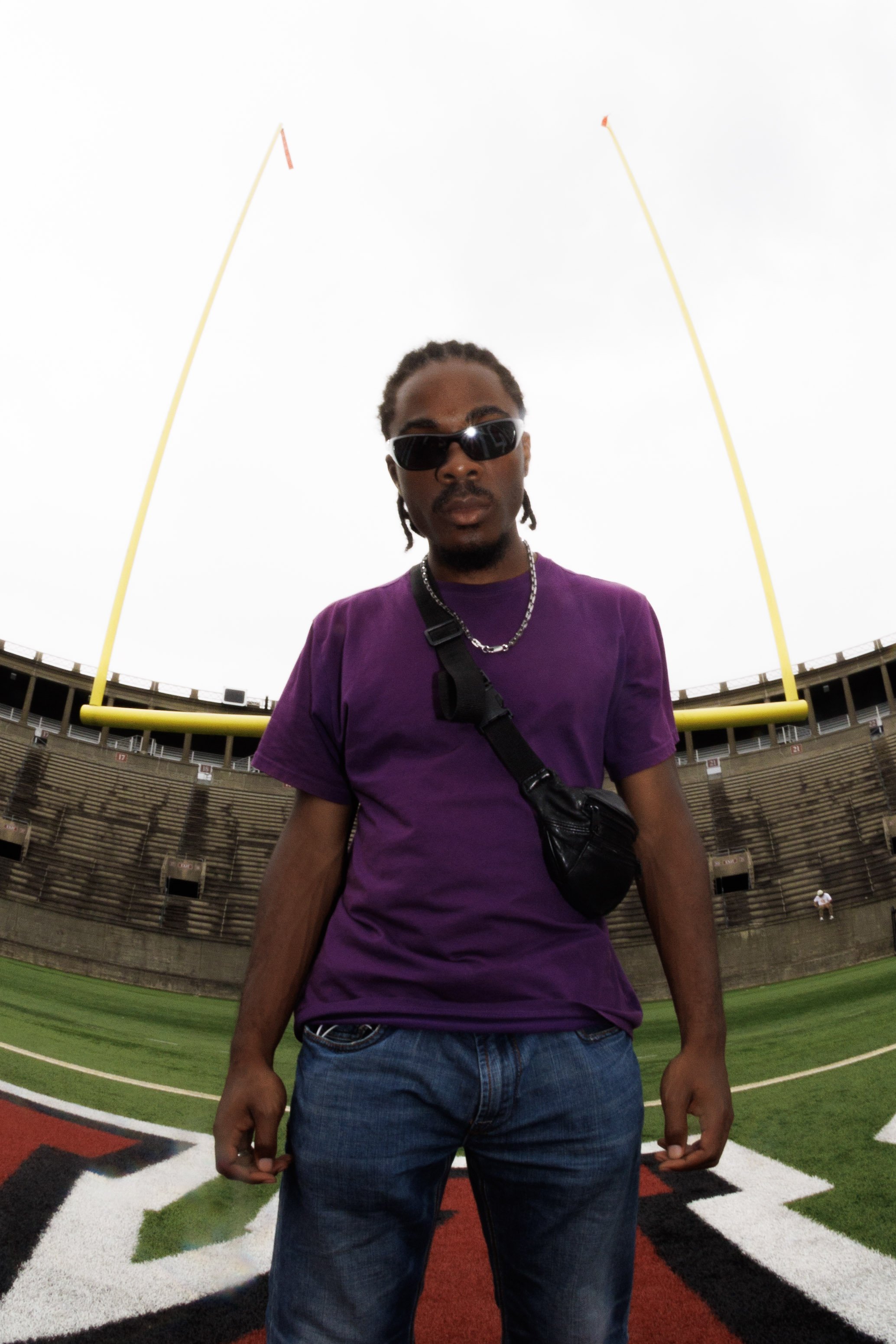
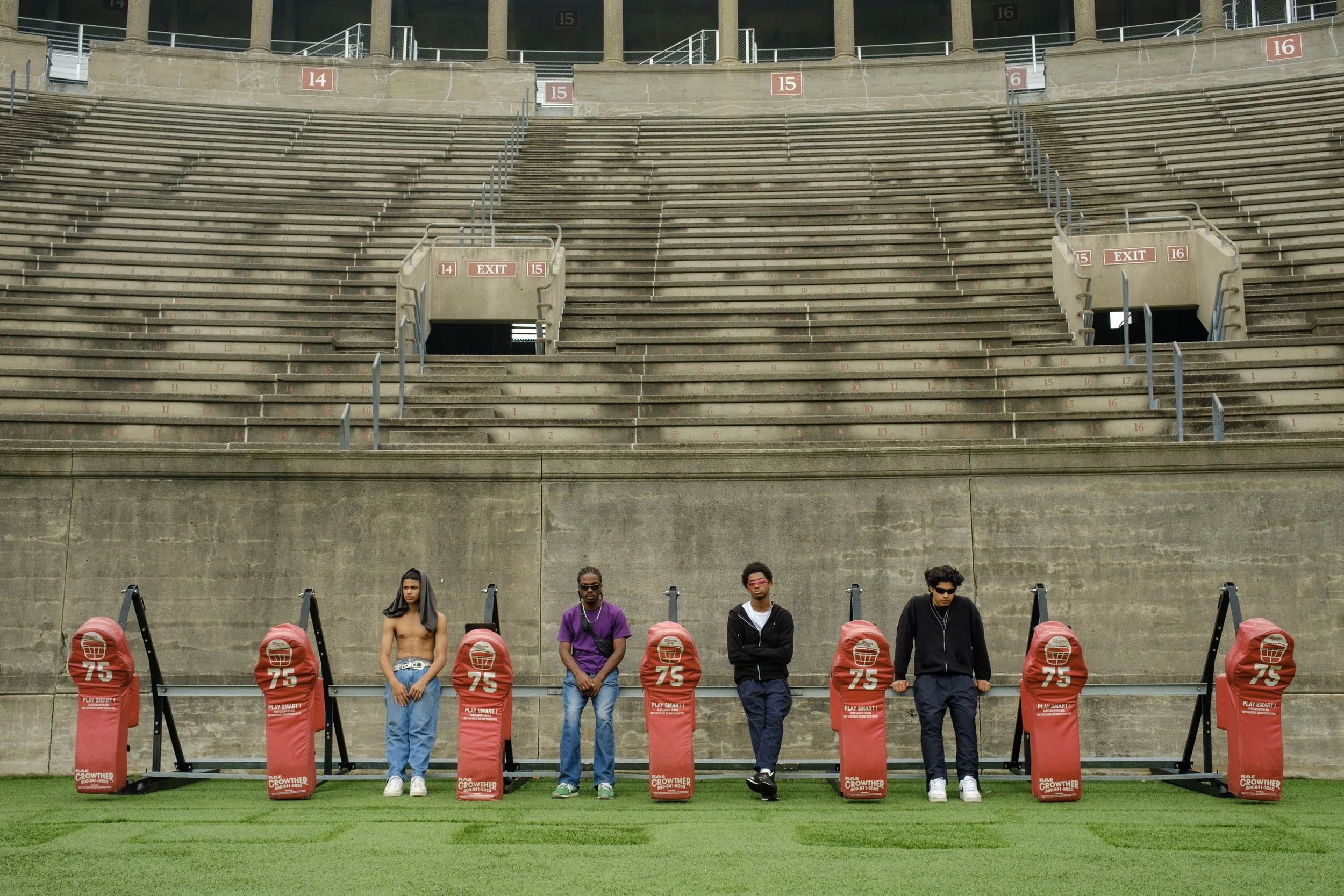
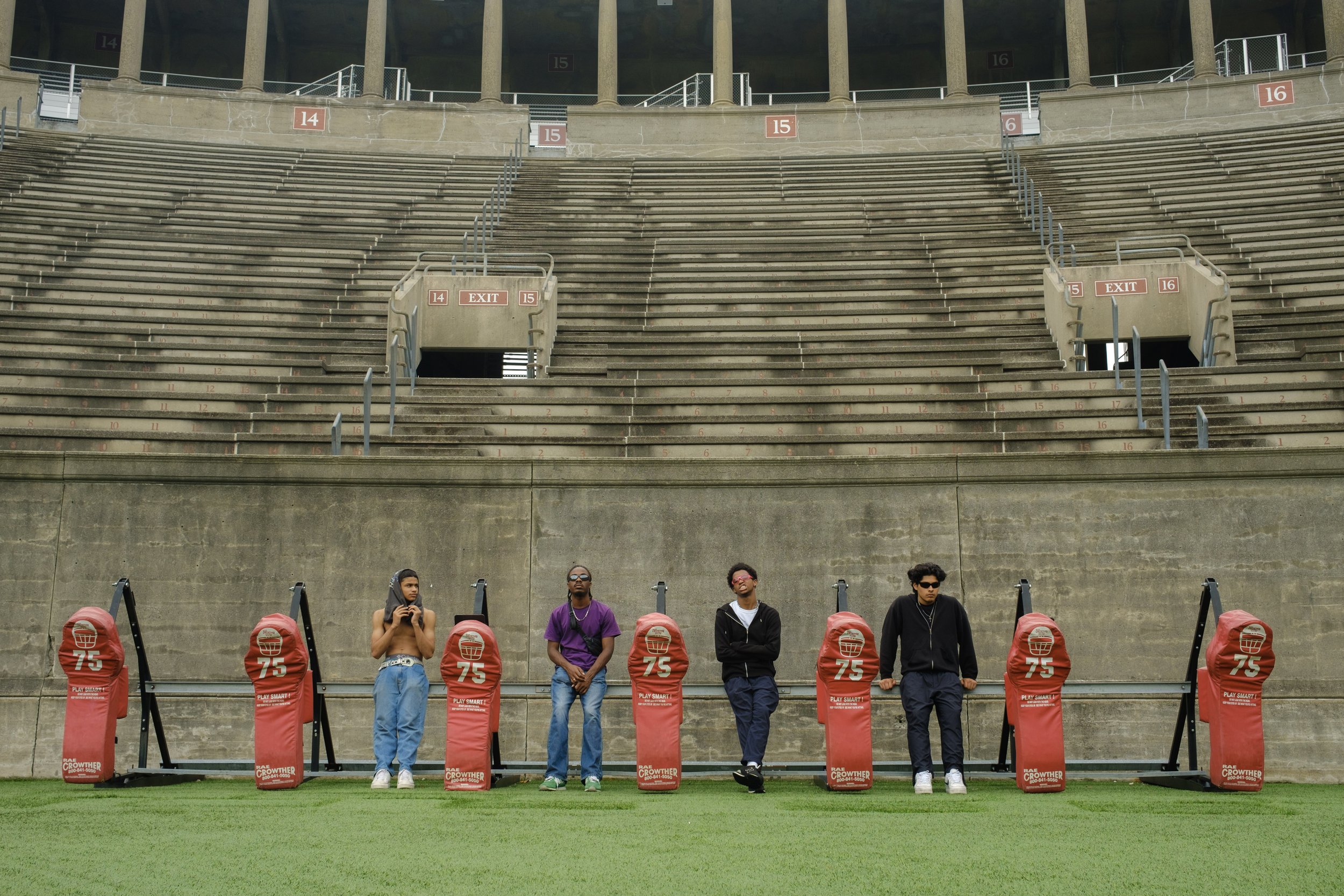
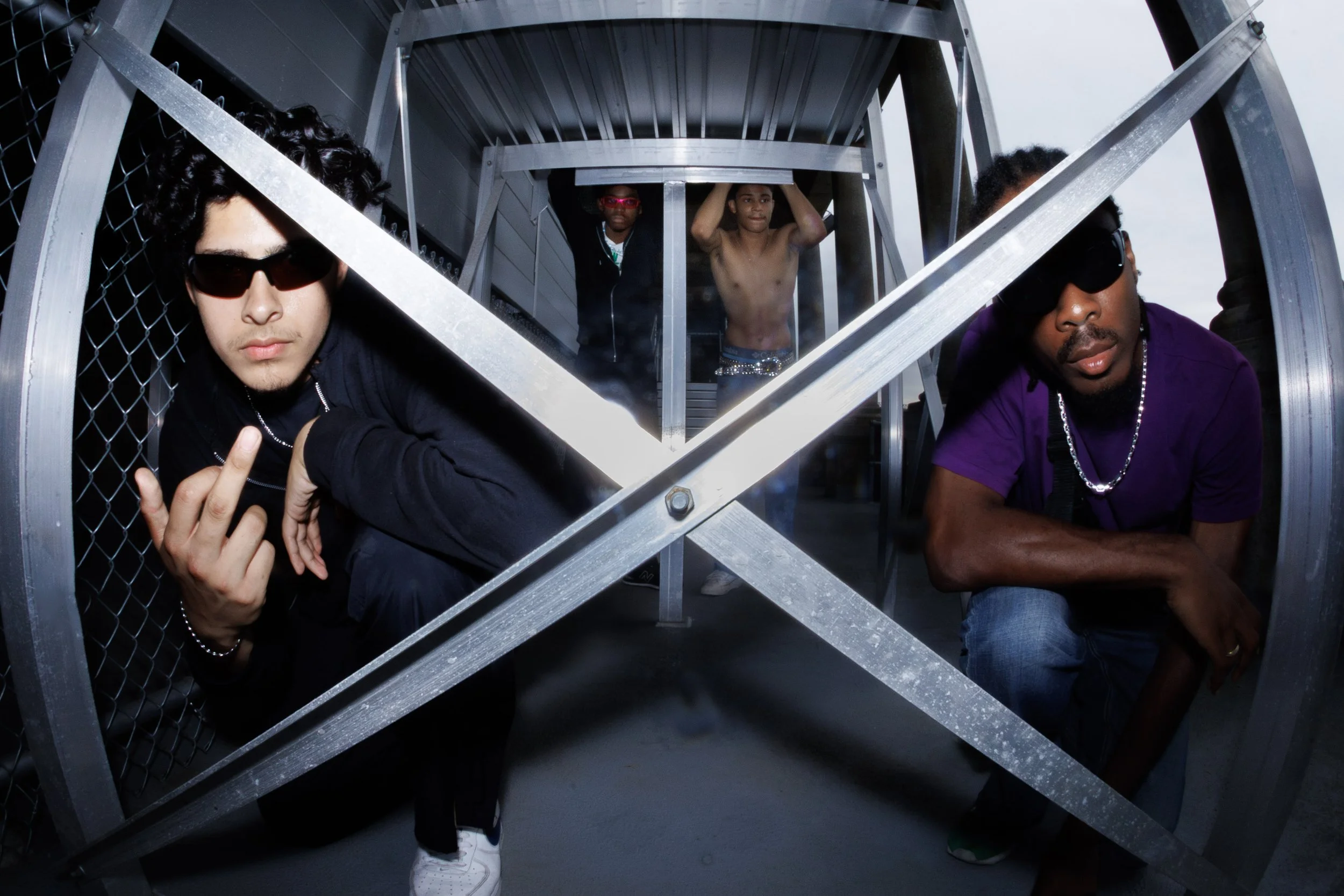
photography by Derek Feoie
galleries
Our communicative capacities — as methods of coordinating shared perception of reality — have grown increasingly abstract through time. Inextricable from our communication systems is how we work: how we strive together toward common goals, actualize collective potential, and benefit the whole.
Beginning at the energetic level, raw potentia actualized into thingness — striding upward into increasingly vertical atomic structures: quarks, electrons, atoms, molecules. This coming-together gave rise to single-celled organisms, then multicellular life, and eventually animal consciousness.
This emergence was not passive. It was the result of tension — of a kind of competitive striving. The first act of becoming was also a contest. Not a battle of domination, but a differentiation. The will to form is, at its root, a kind of will to participate — to stand in tension with the field so that relation can become meaningful. Competition, in this light, is not antagonistic to coherence but essential to it. It is through dialectical striving that coherence sharpens.
Roughly 10,000 years ago, another radical phase shift occurred. We transcended the purely physical layer of biology and entered an imitative behavioral layer — freeing us from the long timelines of genetic evolution. Working together and coordinating collective action could now be enacted through shared symbols and communication, not just instinct.
Through mimesis — imitation and learned behavior — we began shaping ourselves and our communities in dynamic relationship with our environments. We created tools and technologies that extended our adaptive reach: furs for warmth, projectile weapons for distance hunting, shelters for modifying habitat.
We began to "work" — and while our methods evolved, this work was always infused with meaning. It was never merely a utility function; it was an enactment of survival, coherence, and belonging within tightly knit communities. Our labor was a social and spiritual offering — a way of showing up in sacrificial service of the whole.
As we adapted and grew, the competitive frame shifted. Humanity had fewer biological threats. We had evolved beyond the purely survival-based contests of species against species. Instead, we began competing with each other. Civilization versus civilization. Group versus group. Our shared drive to actualize potential — to strive — now expressed itself at the inter-group level.
Yet even this competition, at its best, was not purely destructive. It was a pressure toward refinement — toward better coordination, deeper technology, more cohesive symbolic systems. The dialectical tension of difference could still generate coherence, if held in a shared frame.
The Agricultural Revolution and the Birth of Division
As we grew more dominant over our environments, we began to settle and fortify our communities. Agriculture allowed us to stay in place, concentrate resources, and focus inward. With this shift came a deepening of abstraction: our relationship to sustenance and labor became mediated through increasingly complex systems. We no longer worked directly for food; we maintained tools and systems that produced it for us.
This shift also redirected the competitive impulse. With expansion less necessary, civilizations began competing less through direct conflict and more through the refinement and hoarding of abstraction — controlling knowledge, technologies, and cosmologies as strategic advantages. Cross-cultural learning diminished; in its place, fear of loss and the desire for dominance took root.
Multipolar traps emerged. No group wanted to be the first to lay down arms or share information, lest they be overtaken. And so, abstraction — once a shared language of survival and communion — fractured into fragmented arms races of symbolic control. The original frame of competition-as-refinement collapsed into competition-as-domination. We began to compete not to build coherence, but to protect ourselves from the imagined (or real) threat of others.
Systems of Justification and the Fracturing of Meaning
To re-anchor abstraction to purpose, societies developed systems of justification — symbolic rituals, myths, and cosmologies that reminded us of the reasons we worked, sacrificed, and believed. Agricultural rites bound the symbolic to the material, reminding us that labor was sacred, that tools were gifts, that food was earned through alignment with greater cosmic rhythms.
These systems were not just explanatory; they were stabilizers of coherence. They took the potentially infinite play of abstraction and re-bound it to place, time, and meaning. They reminded us that competition, at its best, was a striving within reality — not against it. It was a force to sharpen the communal spirit, not to dissolve it.
But as abstraction accelerated, these binding rituals weakened. Those who controlled the symbols began to control society. Competition over meaning itself became the battleground. Religion ossified. Myth hardened into dogma. Power concentrated into those who could mediate — and manipulate — symbolic reality. Symbols no longer pointed beyond themselves; they became ends in themselves.
Abstraction was no longer a tool for shared navigation. It became idol. And in the worship of abstraction for its own sake, we lost the thread of purpose. We forgot that the entire project of abstraction was meant to help us see together — to bind reality through shared perception and communal striving.
We abstracted beyond our evolutionary constraints. Our tools outpaced our contexts. A lion can only kill one gazelle at a time. But we could build trawlers that empty oceans. There was no longer a natural limit. And so we kept scaling, kept abstracting — just to keep up. Just to survive the competition. The justification for growth vanished, replaced by the inertia of survival in a world unmoored from meaning.
The Rise of Civic Identity and Labor as Ritual
As civilizations expanded, population centers gave rise to cities — dense clusters of symbolic life, architectural narrative, and bureaucratic function. These spaces reflected the abstraction of abstraction: layers upon layers of symbolic infrastructure organizing human behavior at scale.
The city was a container for labor, but also for meaning. It provided roles, rites, rhythms. You traveled into the city to work, to perform your civic function. You ate lunch downtown, socialized after — the entire urban rhythm was structured around showing up somewhere to get something done.
Even when work was abstract or alienating, it still brought people into relation. The shared choreography of showing up, clocking in, participating in something beyond oneself — this was still a kind of coherence. And with it came ritual: pubs after work, soccer teams with coworkers, the status of lunch spots, the choreography of daily transit. Even within the machinery of abstraction, there was still some semblance of community.
But something began to slip. As cities grew in size and complexity, the connection between labor and shared survival eroded. The roles people played became narrower, more specialized, and increasingly detached from any visible impact on communal life. The market began rewarding the most abstract forms of contribution — finance, intellectual property, speculative technologies — over the more tangible forms of service or stewardship.
The Symbol of Money: From Tool to Idol
At the center of this shift was money — a tool of abstraction meant to mediate exchange, originally tethered to shared systems of value (metals, goods, services). But over time, money itself became unmoored. From commodity to currency to fiat, it evolved into pure symbol — a free-floating referent worshipped not as tool but as truth.
This was the clearest case of abstraction turned idol. The purpose of money was forgotten; the symbol became the goal. Wealth was pursued not to build or bind community, but to accrue more wealth. The game became self-referential.
Market logic rewired work entirely. Labor became about optimization — not service. Productivity divorced from place. Innovation untethered from meaning. People no longer worked to serve the commons; they worked to signal competence within fragmented systems of status.
The Return of Competition — Now Without Coherence
Competition, once a pressure toward refinement within a shared frame, was now severed from coherence. Instead of competing to serve something greater, we competed to win in isolation. Symbolic capital — likes, clicks, titles, dollars — became the only metric of worth.
The feedback loop was brutal. Those who could best manipulate symbols — not those who most meaningfully contributed — rose to the top. Appearances triumphed over substance. Work was no longer about moving something forward together; it was about surviving in a symbolic economy increasingly divorced from reality.
What had once been ritual became performance. What had once been service became branding. The sacredness of labor — the existential dignity of contributing to something larger than oneself — was hollowed out.
Civic work, once a binding force of identity and coherence, became a treadmill of disembodied roles. And as remote work and digital abstraction accelerated, even the spatial coherence of cities began to dissolve. No longer physical centers of civic identity, cities morphed into logistical nodes for capital flow — housing units and data centers optimized for efficiency, not community.
The Urban Dislocation
Without embodied rituals, without spaces that reminded us of our shared participation, without symbols re-bound to meaning — we forgot how to work together. Not just in task, but in orientation. In why.
In this void, we returned to competition. But not the sacred competition that refines. A neurotic, survivalist mimicry. A race to appear valuable. Not to be valuable.
Yet the seeds of something deeper remain. Even in dislocation, humans long to strive. To contribute. To be part of something meaningful.
What we need now is not to abandon competition — but to re-bind it. To remember its role as a sacred tension, a pressure toward coherence, a dance between difference and unity. To reimagine work not as isolated utility, but as relational ritual.
This is what EXIT gestures toward. A symbolic architecture not for idol worship, but for re-integrating abstraction with purpose. A space to remember how to strive — together.
Rebinding Labor to Purpose in a Post-Utility Age
We are arriving at a civilizational threshold. The systems that once organized human striving — from tribal survival to religious ritual, from civic work to corporate labor — are dissolving under their own abstraction. As automation and AI advance, the scaffolding of necessity that propped up “work” for millennia is collapsing. The existential question surfaces: What now?
This isn’t just about economics. It’s about orientation. It’s about meaning. If utility is no longer our metric of worth, what becomes of effort? What becomes of striving?
What remains is the sacred impulse beneath all work — the will to participate. Not just to produce, but to commune. To shape, to cohere, to refine reality together.
In this light, work can no longer be framed as toil or transaction. It must become a kind of sacred play — a way of participating in the continued articulation of what matters. It becomes a ritual of contribution, no longer to survive, but to perceive together what’s worth surviving for.
This will require a re-binding of competition to coherence. Not competition as domination, but competition as mutual refinement. A sacred tension, not a war. This is the forgotten potential of rivalry: to draw each other upward.
But such a shift cannot happen in theory alone. It must be enacted. It must be given form. Which is why we need not just new ideas, but new places. Shared, embodied architectures that hold space for this transformation. Places that invite us not into performance, but into presence.
EXIT is one such architecture. Not a brand or business, but a living symbol — a civic psychotechnology — designed to re-integrate abstraction with purpose. To move us from idol to icon. From status to service. From fragmentation to flow.
What might come after work? Not nothing. But something like the work — the sacred effort of becoming, together.
If the crisis of modern work is symbolic — a severing of abstraction from embodied reality — then the response must also be symbolic. Not merely ideological, but architectural. We need environments that re-train perception. We need symbolic infrastructure that doesn’t just represent values, but enacts them.
EXIT is not just a gallery, a café, or a venue. It is a civic prototype — a psychotechnology in physical form. A shared architecture that invites people to re-participate in meaning-making through ritual, relation, and presence. Its aesthetics, programming, and symbolic motifs aren’t decoration; they are mnemonic triggers designed to re-bind our attention to what matters.

Every EXIT is an invitation to re-enter reality together. To reattune to the sacred tension of coexistence. To shift from transactional consumption to participatory becoming.
The aesthetic language of EXIT — from its iconography to its spatial layout — points toward what we’ve called re-integrative abstraction: symbolic form not as an escape from the world, but as a directional cue back into it. Like a cathedral pointed at the sky, or a hearth pulling the tribe into a circle, EXIT holds a shape that orients human presence toward coherence.
In an age where most cultural architecture is either commodified or hollow, EXIT offers a living grammar. A shared syntax of symbolic depth. A place where the work of being human — not producing, but perceiving — can be practiced, together.
As automation strips away our survival-based labor, we are given a strange and sacred task: to learn to see again. To remember how to use symbol not as idol, but as mirror and torch. EXIT is one such mirror — and one such torch.
From Utility to Being: The Play Beyond Survival
We are entering a phase where human labor is no longer essential for material survival. AI, automation, and scalable technological systems threaten to render most work — even creative and intellectual labor — obsolete. This is not speculative science fiction; it is already happening. And while this might seem like liberation, it also confronts us with a crisis of meaning.
If survival and utility are no longer driving forces, what remains?
This is not a technical problem. It is an existential one. For centuries, “work” has provided the structure for identity, social cohesion, and moral worth. It has been how we contributed, how we mattered, how we were seen. The fading of utility forces us into an older, deeper question:
What is the human for?
Perhaps this moment is not an end, but a return — an opportunity to re-enter the primordial coherence from which abstraction first emerged. When our ancestors labored, they did so with reverence. The hunt, the harvest, the carving of tools — these were not chores, but rituals. Every act of survival was also an act of participation with reality.
Could we now reclaim this orientation — not through necessity, but through play? Could we return to work not as obligation, but as sacred creativity?
In the absence of external threat, perhaps we can reframe competition as an inner striving — a dialectic within and between us to refine, to beautify, to cohere. Instead of vying for domination, we might learn to strive for resonance. Not who wins, but what harmonizes.
We may begin to treat labor as liturgy — a collective enactment of care, of beauty, of attention. The impulse to build, to coordinate, to bring forth novelty — these do not vanish when utility disappears. They become freed.
But we will need new architectures. New myths. New spaces where this post-utilitarian striving can take form.
We must build symbolic containers that reframe human effort as a meaningful expression of Being — not a task, not a signal, not a performance, but a participation.
EXIT is one such prototype: a re-integrative social infrastructure that invites shared awareness, embodied coordination, and aesthetic coherence. A frame not for productivity, but for presence. A platform not for extracting value, but for making meaning.
If we no longer work to survive — then let us work to remember. Let us labor toward coherence. Let us play at the edge of the real.
If competition is not the enemy, but a formative pressure that — when rightly held — sharpens coherence, then the real crisis is not that we compete, but how and for what we compete.
We need a new symbolic infrastructure — one that reframes competition as a sacred striving rather than a neurotic race. This begins with remembering the original function of abstraction: to allow us to coordinate perception, to build together, and to relate across difference in service of the Whole.
EXIT proposes a reintegration of this function. It is not a retreat from competition, but a redesign of the gameboard. A reframing of labor, status, and contribution as aesthetic, participatory offerings — not empty performances for extractive platforms.
Rather than abandoning symbolic play, we imbue it with purpose. We treat the symbolic as a field of shared meaning again — not a currency of division. We make the competitive drive visible, conscious, and bounded by higher-order goals: coherence, beauty, insight, mutual refinement.
In this frame, to “win” is to serve. To succeed is to align with the emergent Whole. Competition becomes the pressure that polishes — not the force that fragments.
This reframing doesn’t demand we all agree. It doesn’t ask us to suppress difference or avoid conflict. On the contrary — it relies on difference. But it situates that difference in a relational architecture that rewards synthesis, not separation.
The old economy of work was built on scarcity: the idea that value must be extracted, hoarded, and defended. But in the post-utility age, the real scarcity is meaning. The new economy of work — of symbolic play — must be built on generativity: the ability to create value through presence, insight, and relational alignment.
We do not need to compete less. We need to compete differently. As sacred play. As public offering. As mythic rehearsal. As a striving toward ever-deepening coherence.
And that requires space. Real, physical, communal space — to rehearse new games. To remember how to relate. To build the symbolic rituals of a culture yet to come.
This is what EXIT offers: a prototype for the reintegration of competition and coherence. A civic vessel for practicing the next economy of attention, care, and creation. A way out — and through — the collapse of meaning.
EXIT is not a product. It is not a brand. It is not merely a space. EXIT is a mnemonic device — a symbolic intervention meant to help us remember how to work together again. It is a tool to re-bind abstraction to meaning, to reframe competition as coherence, to reorient attention toward shared becoming.
In EXIT, work becomes ritual once more. But not rote performance. It is ritual as rehearsal — as improvisational coordination toward an unknown but felt telos. The work is not to produce widgets or accumulate symbols. The work is to figure it out together. To re-weave a culture of symbolic fidelity, where our representations point beyond themselves and back to the Real.
The aesthetic language of EXIT embodies this aim. In the paintings, we see figures emerging from figuration — half-formed, reaching, dissolving, combining. These are renderings of distributed meta-cognition: not images of answers, but depictions of the process of asking. The process of becoming-with. Of striving-toward.
EXIT is artwork as philosophical infrastructure. It is labor as aesthetic offering. It is a reintegrative abstraction: abstraction that leads us back to presence, back to coherence, back to participation.
This is the new work. Not the extraction of value, but the cultivation of sense. Not the hoarding of status, but the building of meaning. Not the signaling of alignment, but the enacting of communion.
The future of work is not post-human. It is post-utility. It is a return to sacred play.
And EXIT is the invitation to begin — a reminder that the existential process is not abstract, but embodied. That life is a living philosophy. That context itself — when rightly framed — becomes a shared space for falling in love with being together again.
EXIT helps us recognize that space has always held this potential. By recontextualizing our environments as vessels for participatory wisdom-seeking, it reveals that the work now is not to escape, but to enact — together.
This essay is not a manifesto. It is not a prophecy. It is a rehearsal.
A rehearsal for the next symbolic game. A practice round for remembering how to live together again. A speculative draft of a culture not yet born.
EXIT is not the answer. But it is a portal. It is a threshold-space where new civic myths can be prototyped. Where the tension between difference and unity can be played with, held, transformed. Where abstraction can become transparent to its own telos: the binding of the many to the real.
In a time of fragmentation, EXIT offers a rehearsal for coherence. In a time of idol worship, it offers a return to symbol-as-direction. In a time of meaning crisis, it offers not meaning, but the practice of meaning-making.
This is our civic work now. To build the spaces where symbolic life can be reborn. To rehearse new patterns of attention, presence, and care. To show up, again and again, not with perfect clarity, but with shared commitment to the process.
The EXIT is not away. It is into.
Into the game. Into the ritual. Into the sacred struggle to make sense.
Together.
photography by Marcus Earl
“We used to build pathways for transportation. Now we must build spaces for transformation.”
Our common core of Understanding—what we all stand/under—has disintegrated. The fundamental ground of what we might once have called shared existential identity is fissured—close to beyond repair.
Reality has been reduced to an algorithmically manipulated feed—the ultimately consumptive and isolating ontological stance. We no longer experience reality directly together; it is administered to us individually in titrated doses, like fentanyl for the brain. We scroll, we numb, we forget what we even ate.
In the cultural paralysis that keeps us suspended in this loop, something deeper is being revealed. The old coordinates that once drew us out of our zombie-like state—social, spiritual, symbolic—no longer hold. And nothing coherent has replaced them. (The zombie is the mythic archetype of our age: soulless, unaware, caught in endless consumption without transformation. The symbol isn’t metaphorical—it’s infrastructural.)
Our capacity for memory—to re-member ourselves—is eroding. We’ve lost contact with the trajectory of real, embodied experience. The thread of lived reality has been replaced by algorithmically manipulated simulation. What we once lived, we now perform. What we once remembered, we now render.
In this shift, ‘memory’ as lived continuity has been replaced by ‘meme’—a digital, commodified shorthand for cultural participation. Memes reverberate through the culture faster than reflection ever could. In many ways, a meme is a stereotype of a shared human moment—a flattened echo of what we might otherwise live through together. But instead of living it, we share it. We like it. We signal that we belong.
And yet, the driving force behind meme culture isn’t meaning—it’s engagement. The most viral symbols are not those grounded in truth, beauty, or goodness, but those optimized for salience. Our cultural signals are no longer calibrated for depth—they are calibrated for clicks.
This isn’t richness of information, but smoothness—thin, limbically hijacking, instantly transmissible. And now, artificial intelligence outperforms us at this game—because it’s been trained on our full behavioral dataset. It knows how to mimic meaning faster than we can remember how to make it.
Look at the meme-driven rise of running clubs, where genuine discipline is reduced to aesthetic performance. Movement becomes content. Presence becomes performance. We act to be seen acting.
Our cities, once vessels for the sacred, are now engines of consumption. Our institutions, once aspirational, have become adversarial or irrelevant. And our attention—the primary currency of human meaning-making—has been flattened, extracted, and sold back to us as spectacle.
We are not just in crisis. We are in a meta-crisis—a collapse of the symbolic frameworks that once helped us orient to being. How did we get here?
We’d argue the crisis began with a split: “I think, therefore I am.”
Descartes’ formulation, meant to ground knowledge in certainty, instead severed mind from body, self from world. It framed consciousness as isolated observer—disembodied, rational, and removed.
This Cartesian abstraction became the metaphysical foundation of modernity. Enlightenment thought privileged reason over ritual, measurement over meaning. The cosmos was no longer a living whole—it became a machine. And humans, its master operators.
Out of this grew modern institutions: universities, markets, bureaucracies. They coordinated at scale, but at the cost of soul. The sacred was privatized. Ritual was replaced by regulation. And the animating myth of the modern world became progress—measured by growth, speed, and control.
As this logic calcified, a new infrastructure emerged to manage perception itself.
The 20th-century infrastructure for meaning-making—what Jordan Hall calls the Blue Church—was built for a slower, more stable world. It relied on centralized broadcast authority, institutional consensus, and top-down coordination to hold society together. Its underlying logic was the secular offspring of post-Enlightenment rationalism: that progress, growth, and reason would be our salvation.
But in the absence of shared myth or ritual, worship didn’t disappear—it simply migrated. The sacred was sublimated into the market. Our rituals became transactions. Our cathedrals became shopping malls. Our gods became brands. And the dominant liturgy of the Blue Church became: “growth is good, no matter what.”
As trust in this system decayed—under ecological strain, financial collapse, and spiritual disillusionment—postmodernism emerged as critique. It exposed the cracks: the exclusions, the colonial shadows, the failures of universalism. But without a new story to replace it, the critique became totalizing. It didn’t rewrite the myth—it erased it. And into that void, we poured a new kind of golden calf.
The postmodern condition radicalized the language of care, weaponizing it into a new moral order. Worship didn’t vanish—it turned inward. The systemic abstractions of progress were replaced by intensely personal narratives of harm, identity, and victimhood—each with their own dogmas, taboos, and rites.
Wholeness was no longer the aim; fragmentation became a virtue. Power was relocated from institutions to feelings. Critique itself became a form of salvation.
This cultural shift was necessary—but incomplete. In rejecting the failures of modernism, we also rejected the possibility of transcendence. And what we were left with was aestheticized fragmentation and spiritual exhaustion.
What we need now is integration.
As Ken Wilber and other integral theorists have shown, evolution must include and transcend. We must learn to hold traditional depth, modern structure, and postmodern sensitivity—together. We must recover coherence without falling back into dogma. We must reawaken the sacred—not as superstition, but as symbolic orientation. A rational, embodied, relational spirituality—practiced in space and time.
EXIT is a prototype of this integration.
A civic meta-infrastructure not designed to dictate belief, but to host awareness.
To provide the symbolic scaffolding and spatial rhythm through which Transcendence can re-enter public life—not as ideology, but as lived participation.
It is infrastructure for reorientation.
A vessel for remembering.
A mirror for becoming.
What’s missing is not more content.
What’s missing is infrastructure—not just steel and software, but shared sense and direction.
Infrastructure has always mirrored what we value:
Aqueducts for water.
Roads for trade.
Schools for knowledge.
The internet for speed.
As abstraction advanced, so did our capacity to coordinate.
From projectile weapons to farming tools.
From formal language to emojis—symbols for global, empathic connection.
But now our abstract technologies have layered so thickly over reality that they’ve become ends in themselves—detached from their original purpose. We have lost their meaning, and we have no infrastructure to help us remember it.
The earliest commons were forums—for gathering, exchanging, and reflecting on what mattered most. But as culture evolved, these functions fragmented. Commerce. Health. Faith. Abstracted. Dislocated. Until finally: data.
Meaning was no longer lived. It was digitized, distributed, and commodified.
We now drift through a virtual world governed by corporate logic. Our survival risk is low, but our existential risk is high—and abstract. So we transpose the ego into a game online, and the game rewards manipulation.
We’ve lost not just attention—we’ve lost the frame.
It’s not only that we can’t focus. It’s that we no longer know what to focus on. The structure that once tethered attention to meaning is gone. And so, attention loops back onto the self—atomized, aestheticized, addicted.
Hell is not hypothetical. It is a perceptual condition—when the loops of attention close entirely around performance, consumption, and fear. Look at our bodies, hunched and bent inward toward glowing rectangles. The zombie is no longer a cinematic metaphor. Walk through any city. It’s viscerally real.
Today:
Physical infrastructure moves bodies.
Digital infrastructure moves data.
But nothing helps us move together—in perception, in direction, in shared awareness of what matters.
We lack a nervous system for cultural sense-making.
No symbolic scaffolding.
No orientation.
No holding space.
This is the void EXIT exists to address. re-drawing our relationship to Existence itself.
“The most important systems of the 21st century won’t be visible. But they will be felt.”
Civic meta-infrastructure is not built from concrete or code. It is built from ritual, rhythm, symbolic language, space, and design.
It doesn’t extract attention—it frames it. It doesn’t impose meaning—it creates the conditions for meaning to emerge. It doesn’t broadcast content—it invites participation.
It is the nervous system of culture—the scaffolding that helps us metabolize complexity so we don’t collapse beneath it. A living architecture for our shared symbolic life.
As Jordan Hall articulates in his vision of Civium, the next evolution of civilization will not be held together by nation-states or market systems alone, but by sense-making environments—coherent symbolic and cognitive ecologies capable of hosting collective intelligence. EXIT can be seen as a proto-node of that environment: a civic container for participatory coherence.
To move forward, we must construct civic scaffolding that allows us to re-socialize ourselves with the transcendent. Infrastructure where the sacred can re-enter public life not as ideology or abstraction, but as felt experience—as ritual, relation, and existential stance.
This requires a crucial cognitive shift: the naturalization of the transcendent. Not as a supernatural claim, but as a recognition of the suchness of the between—the ontologically real quality of what emerges when we become mutually aware, together. This is the work of distributed meta-cognition: learning to perceive the relational field as a kind of sacred terrain.
EXIT exists to facilitate this awareness. Its design, aesthetics, and symbolic framing are all oriented toward making this relational truth perceptible again. EXIT is not just a space—it is a structure for remembering. A framework that makes space for transcendence to be felt, practiced, and integrated as a shared existential reality.
Civic meta-infrastructure is not an ideology. It is a format. A space where presence is hosted. A rhythm where value can emerge. A frame that keeps meaning alive, open, and relational.
EXIT is a prototype of that format.
A nervous system for collective sense-making.
A vessel for symbolic coherence in an age of fragmentation.
A place where the sacred can once again be known—not as something outside us, but something between us.
EXITs contextualize the shared Existential Process itself—as a way of grounding us inside a lived, intrinsically transformational ontological framework. Where the purpose is not transaction, but transformation. Where the aim is not content, but coherence. EXIT frames the practice of human communication and interaction as ritual. It is not merely a venue—it is a civic vessel. A space for symbolic attunement. A temple for relational presence.
EXIT reclaims the language of commerce and architecture—not to sell, but to reorient. To host perception. To signal transition. To remind us that the world is not made of things, but of relations.
“What are you exiting?”
Each EXIT is a soft container, a threshold, an anchor. Carefully calibrated to host:
Spatial cues that guide attention
Ritual design that slows perception
Language that opens symbolic space
EXIT is designed to scaffold the perception of the sacred—not as dogma, but as a practice. It doesn’t deliver answers—it holds openings. It doesn’t function as a venue for entertainment—but as an ecology for existential participation.
It is a meta-structure for distributed meta-cognition. A place where the real between can be felt, known, and practiced. Where the transcendent becomes naturalized—through presence, orientation, and relational stance.
EXIT doesn’t seek to scale like a startup. It seeks to stabilize relevance—to model coherence in a fragmented world. It is an open node for culture to cohere around—not to dictate what is true, but to give space for truth to be pursued together.
It steals the language of physical transportation, quite naturally, and repurposes it for metaphysical transformation. Each EXIT is a portal—not to escape, but to arrive.
If attention is sacred, public space must protect it. But nearly every space we enter today is designed to hijack it.
Retail. Culture. Social media. Even “art.” These are no longer spaces of reflection, but ambient manipulation. We don’t enter environments—we enter persuasion engines.
EXIT proposes a different kind of public service.
Not one of delivery—but of existential orientation.
“EXIT is not entertainment. It is not escape. It is a site of civic metabolism—where we digest reality together.”
Like libraries once held knowledge, EXIT holds presence. A civic system for returning attention to itself. A structure for hosting the sacred act of perception.
EXIT does not demand performance. It invites being.
It is not a spectacle—it is a frame.
It is not an answer—it is a rhythm.
EXIT is a lobby for life itself—a shared space where we can collectively remember how to be, and become, again. A scaffolding for re-socializing ourselves with the transcendent.
A place to practice shared becoming.
We are already inside the breakdown.
Climate collapse. Economic instability. Cultural fragmentation.
But beneath them all: the symbolic floor—the foundational architecture of shared meaning—is giving way.
When that floor collapses, spectacle fills the void.
Conflict replaces connection.
Addiction replaces ritual.
Visibility replaces significance.
This is why we must build now—while there’s still something to stand on.
EXIT is not a solution. It is a preemptive intervention.
A living prototype for the spaces we’ll need to metabolize the present—without succumbing to it.
We cannot wait for total collapse to realize we needed new vessels for coherence.
We must start building them now.
EXIT is not a product.
It is a practice.
It is not a brand.
It is a threshold.
It is not a theory.
It is a lived frame—a public invitation into symbolic coherence.
EXIT is the prototype for a future civic architecture:
– where perception is protected,
– where attention is attuned,
– where meaning is made real again.
Because without symbolic infrastructure, culture becomes content.
Experience becomes performance.
And meaning becomes impossible.
EXIT offers a way out—not as escape, but as entry.
Not a departure from the real, but a re-immersion into it.
“What might it feel like to become human again—together?”
Let Boston be the place that remembers.
Let EXITs be the scaffolding.
Let this be the invitation—to begin.
For decades, the promise of public art has been to provoke, to beautify, to “activate” space. But in an era dominated by spectacle—a condition famously critiqued by Guy Debord, where social life is reduced to images and mediated representation—this promise has been hollowed out. Our cultural language has been flattened into marketing taglines, aimed not at deepening understanding, but at capturing attention and steering behavior. Art has become propaganda—regardless of ideology—where the goal is not exploration, but confinement; not disclosure, but assertion.
In this context, art, public life, and communication itself have become a series of curated experiences designed to seize attention rather than deepen participation. These experiences fragment and categorize our realities instead of offering spaces for shared understanding. Public art is often reduced to objects installed for aesthetic enhancement, events staged for fleeting engagement, or performances programmed either for ideological reinforcement or social media appeal. The result is art that is consumable, commodified, and ultimately disposable—just another flicker in the endless scroll. Our experience of life itself has been fractured into moments designed for consumption rather than connection.
This pattern is not incidental. As Iain McGilchrist argues in The Master and His Emissary, our cultural and technological systems co-evolve with our neurocognitive structures. The dominance of left-hemispheric modes of perception—characterized by abstraction, control, and fragmentation—has shaped a world of optimization, categorization, and propositional knowledge, while suppressing the right hemisphere’s capacities for relational, contextual, and participatory awareness. The fragmentation of public space mirrors the fragmentation of perception itself. We are caught in a feedback loop between mind, culture, and design—one that accelerates our disconnection from embodied, relational, shared reality.
Yet beneath these aesthetic outputs—murals, exhibitions, campaigns—the deeper crisis remains: not a crisis of creativity, but a crisis of coherence. What we lack is not expression, but shared meaning. Not content, but collective presence. Creative abundance is no longer the solution—it is part of the problem. A flood of content without a frame to hold it. Our cultural output reflects the inner fragmentation of our symbolic lives—communications that reinforce our separateness rather than inviting us into a sense of shared wholeness.
We are drowning in misdirected creativity—creativity that serves isolated subjectivity, feeding cycles of distraction, consumption, and novelty for its own sake. Tristan Harris, former Google ethicist, calls this the “race to the bottom of the brainstem”—a game-theoretic dynamic where platforms and products are optimized not for wisdom or flourishing, but for engagement metrics that trigger our most reactive instincts: fear, outrage, addiction. In this world, even creativity is extracted—our existence repackaged as content. We do not relay ourselves forward—we sell our selves.
Art, in its current dominant forms—and the philosophical frameworks that shape it—is no longer sufficient to meet the challenges of the meta-crisis: ecological collapse, social disintegration, and the erosion of meaning itself. Axiology—the philosophical study of values: of what we consider good, beautiful, or meaningful—underpins how we frame these stakes. But the scaffolding around art has become too narrow, too transactional, too propositional—detached from the existential conditions we face.
The future of art is not in objects, programming, or spectacle—it lies in creating existential frameworks for participatory awareness: civic prototypes that support collective presence, distributed cognition, and symbolic coherence. (Distributed meta-cognition refers to the shared practice of reflecting on how we make meaning together—not just thinking, but becoming aware of the thinking process itself as a collective act.)
We must decenter art from the object and return it to the living flowing process of relation—understanding our shared life, our presence in space, and our interactions with each other and the more-than-human world as a form of art itself.
This is the meta-proposition of EXIT: a living experiment in Boston that reframes public space—not as a site for transaction or entertainment, but as a vessel for shared reflection, dialogue, and the practice of being and becoming together. Communication here is not a rhetorical transaction to reinforce preexisting identities, but a co-creative act—an inquiry into the potential of the present.
The most radical and necessary art practice today is not aesthetic provocation, nor political propaganda, but the creation of living civic forms that foster attunement—to each other, to place, and to the rhythms of a shared world.
To understand the deeper context of EXIT, we must first recognize the shape of the meta-crisis. The meta-crisis is not a singular issue but a convergence of systemic failures: ecological degradation, social atomization, and the erosion of shared meaning. As John Vervaeke articulates, it’s a crisis of sense-making—a breakdown in our collective ability to orient ourselves within reality. Daniel Schmachtenberger and Jordan Hall further describe it as the failure of our cultural, political, and epistemic systems to navigate the complexities of the world we’ve constructed.
At the heart of this crisis lies the disintegration of shared symbolic structures. Our attention—once anchored by ritual, narrative, and communal spaces—has become fragmented, commodified, and extracted. Spaces that once fostered reflection and collective meaning-making have been transformed into transactional sites: shopping districts, bars, pop-ups, and curated moments designed for passive consumption.
Commercial spaces have shifted from being communal gathering points to arenas of disassociation. The concept of placemaking—a term used by urban designers to describe the creation of community spaces that foster connection—has been diluted into superficial aesthetic interventions that signal market value, rather than addressing the deeper fractures in our cultural fabric. Beauty itself has been reduced to the “smooth”—the frictionless ease of mass digestion. Just look through any Instagram model’s skin adjustment filter to see it: a culture chasing perfect surfaces, optimized appearances, and ever more seamless consumption.
Urbanists, planners, and designers have responded with the language of the “third space”: a necessary shift in framing civic sites—not as venues for transaction, but as spaces for community-building and meaning-making. Yet even this ‘design for depth’ framing does not go far enough. It remains an architectural and urbanist response to a philosophical crisis. It fails to acknowledge the deeper psychological and existential roots of our disorientation—how the collapse of shared meaning is both mirrored by and shapes our built environment.
What is needed is not just new design strategies, but a reorientation of perception itself: a cultural and cognitive shift in how we conceive value, presence, and participation in public space. The third space is not simply a new kind of venue—it is a call to recognize that any context, any street corner, any shared moment can become a site for collective meaning-making. It is not a feature of urban design alone, but a psychological and symbolic reawakening: an attunement to the potential of every space to become a vessel for reflection, dialogue, and relational awareness.
We face a paradox: in an era saturated with information, we have unprecedented access to content, yet we are increasingly disconnected from the symbolic frameworks that provide context and meaning. The issue isn’t the quantity of data, but the absence of shared symbolic context—the capacity to perceive our lives, relationships, and actions as part of a greater whole. We possess vast knowledge but lack the wisdom to wield it effectively.
This isn’t accidental. As Harris and others argue, the incentive structures of attention economies are designed to fragment our perception, capturing our time and focus not for reflection or relational awareness, but for market advantage. In the absence of shared symbolic frameworks, our collective attention is atomized—shaped by algorithms, game theory, and a constant race for engagement at any cost.
At the heart of this fragmentation lies a deeper shift in hermeneutics—the philosophy of interpretation that shapes our cultural imagination. Today’s dominant lens is one of suspicion: a mode of perception that seeks to decode, critique, and deconstruct, often reducing meaning to power dynamics, bias, or hidden agendas.
This hermeneutics of suspicion, as Paul Ricoeur termed it, has been a vital tool—exposing systemic injustice, revealing ideological distortions, and sharpening our awareness of manipulation. Yet when suspicion becomes our default orientation, it flattens the field of meaning. It erodes the possibility for beauty, trust, and symbolic resonance to emerge.
In contrast, a hermeneutics of beauty invites us to interpret symbols, spaces, and encounters as openings—gateways into deeper layers of meaning and shared experience. It asks us to approach the world not merely as a puzzle to be solved or a system to be critiqued, but as a participatory mystery to be explored. This shift—from suspicion to beauty, from apprehension to disclosure—is essential if we are to rebuild the symbolic frameworks that hold us in relation.
Without this shift, aesthetics collapse into mere surfaces—optimized for attention, stripped of the depth that can orient us toward collective flourishing.
EXIT proposes a vessel for practicing a hermeneutics of beauty: a space where aesthetic experience is not an end in itself, but a threshold into shared reflection, presence, and participatory meaning-making.
This loss is not merely the disappearance of physical communal spaces, but a deeper erosion: the fading of relational containers—vessels that allow us to perceive our embeddedness in the world and practice the art of being together. It is the loss of our capacity to imagine what space could be, what it could hold. It is the cognitive overindulgence in a negative mode of perception—one that sees reality as a system to dismantle rather than a living field to tend.
This collapse is not abstract—it manifests in our bodies, our minds, and our communities. In the U.S., nearly 60 million adults—over 23% of the population—experience a mental illness each year, with over half receiving no treatment. Rates of depression and anxiety are soaring, and 2022 saw the highest number of suicide deaths ever recorded in the U.S. Among youth, one in five adolescents faces a major depressive episode, and over 3.4 million report serious thoughts of suicide. These numbers reflect more than individual struggles—they are symptoms of a deeper breakdown: the loss of shared structures for reflection, connection, and the symbolic grounding necessary for collective well-being.
As moral psychologist Jonathan Haidt argues in The Coddling of the American Mind and The Anxious Generation, this crisis is not simply psychological, but cultural and moral. Haidt identifies how shifts in parenting, education, and digital technologies—particularly the rise of algorithmically-optimized social media platforms—have eroded young people’s capacity for resilience, discernment, and moral reasoning. Without shared frameworks of value and mutual understanding, we struggle to navigate the complexities of the modern world, defaulting instead to polarized narratives, outrage cycles, and a deepening sense of alienation. The collapse of moral ecology, as Haidt frames it, is inseparable from the broader meta-crisis—fragmentation, disconnection, and the erosion of shared meaning.
Research further shows that an overemphasis on subjective self-identification—where individuals define themselves predominantly through internal narratives and isolated self-concepts—is strongly correlated with higher rates of anxiety, depression, and psychological distress. This pattern is particularly pronounced among adolescents and young adults immersed in social media environments that promote constant self-monitoring, comparison, and the reinforcement of an ego-centric frame. In this climate, identity becomes a performance—endlessly curated and optimized, yet untethered from deeper relational and existential grounding. The result is a feedback loop: the more we fixate on the self as an isolated unit, the more we suffer—cut off from the relational fabric that gives our lives meaning.
In contrast, shifting toward an intersubjective framework—where meaning is co-constructed through shared experiences and mutual recognition—has been shown to alleviate symptoms of depression and anxiety. Intersubjective therapy, for instance, emphasizes the relational context of experiences, fostering a sense of connectedness and understanding between individuals. This approach resonates with the concept of distributed metacognition: the practice of collectively reflecting on how we think, which enhances empathy, collaborative problem-solving, and shared sense-making. Such communal engagement can counteract the isolating effects of hyper-individualism, promoting psychological well-being and social cohesion.
It is within this context that EXIT emerges—not as a solution, but as a prototype for reimagining public space as a vessel for shared reflection, dialogue, and the practice of being together. As a tangible embodiment of this intersubjective shift. Rather than presenting a fixed narrative or aesthetic, it offers a dynamic space where participants engage in the co-creation of meaning. By facilitating shared experiences and dialogue, EXIT serves as a vessel for collective presence and mutual understanding.
In this light, EXIT is not merely an art installation, but a living experiment in cultivating intersubjective awareness. It invites us to move beyond solitary self-examination and toward a participatory mode of existence—where meaning is continuously shaped through interaction and shared reflection.
EXIT is not a gallery. It is not a retail concept. It is not a venue for scheduled programming. It is a prototype for a new kind of public space—one designed not to sell, entertain, or distract, but to create the conditions for participatory awareness: a soft architecture for shared presence, distributed meta-cognition, and collective sense-making.
EXIT conceptualizes and contextualizes the existential process itself—framing the shared process of becoming as the very context we inhabit. It invites a perceptual shift: to see space itself as a container for ongoing relation, shared identity, and participatory meaning-making. A vessel for practicing presence together in a fragmented world. A lobby of life. EXIT echoes and extends Virgil Abloh’s ‘Everything In Quotes’ logic—shifting from ironic detachment to existential recontextualization. It places quotes around space itself, turning architecture into a frame for meaning, inviting participants to reconsider the ground they stand on...EXIT to EXIST.
If “third space” is the language urbanists, designers, and planners have used to describe the need for spaces of connection beyond home (the first space) and work (the second space), EXIT proposes a next iteration—a refinement of that concept. It is not enough to carve out zones for community. We must also articulate the philosophical and symbolic frameworks that guide how we gather, how we perceive value, and how we orient to one another in those spaces.
Where the language of "third space" often stops at spatial designation, EXIT advances a deeper ontological proposition: that any space—a corner, a street, a café, a public square—can become a vessel for shared meaning-making, if we cultivate the awareness to see it that way. It’s not the aesthetic style of a space that makes it a site for community—it’s the philosophical orientation we bring to it.
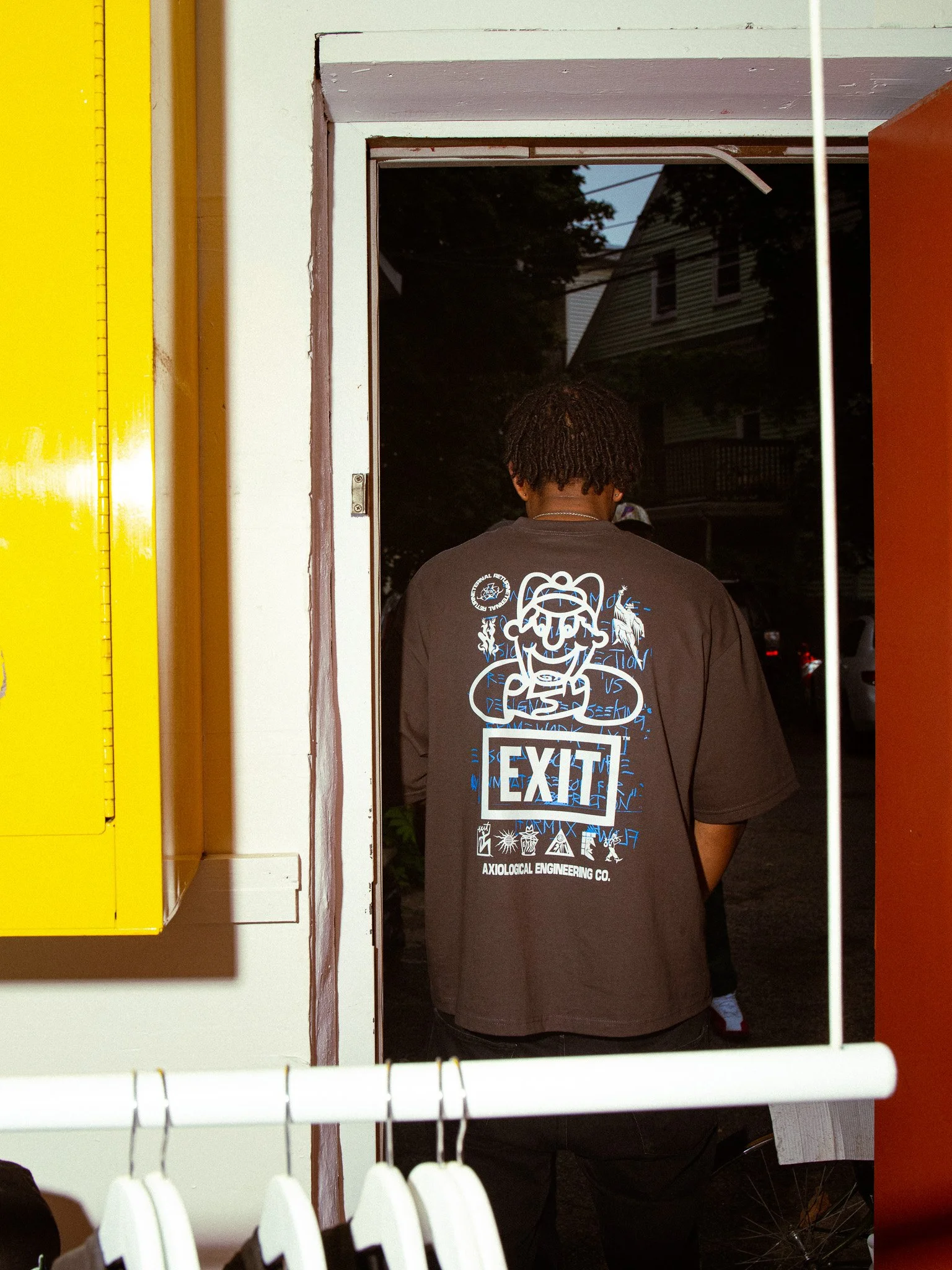
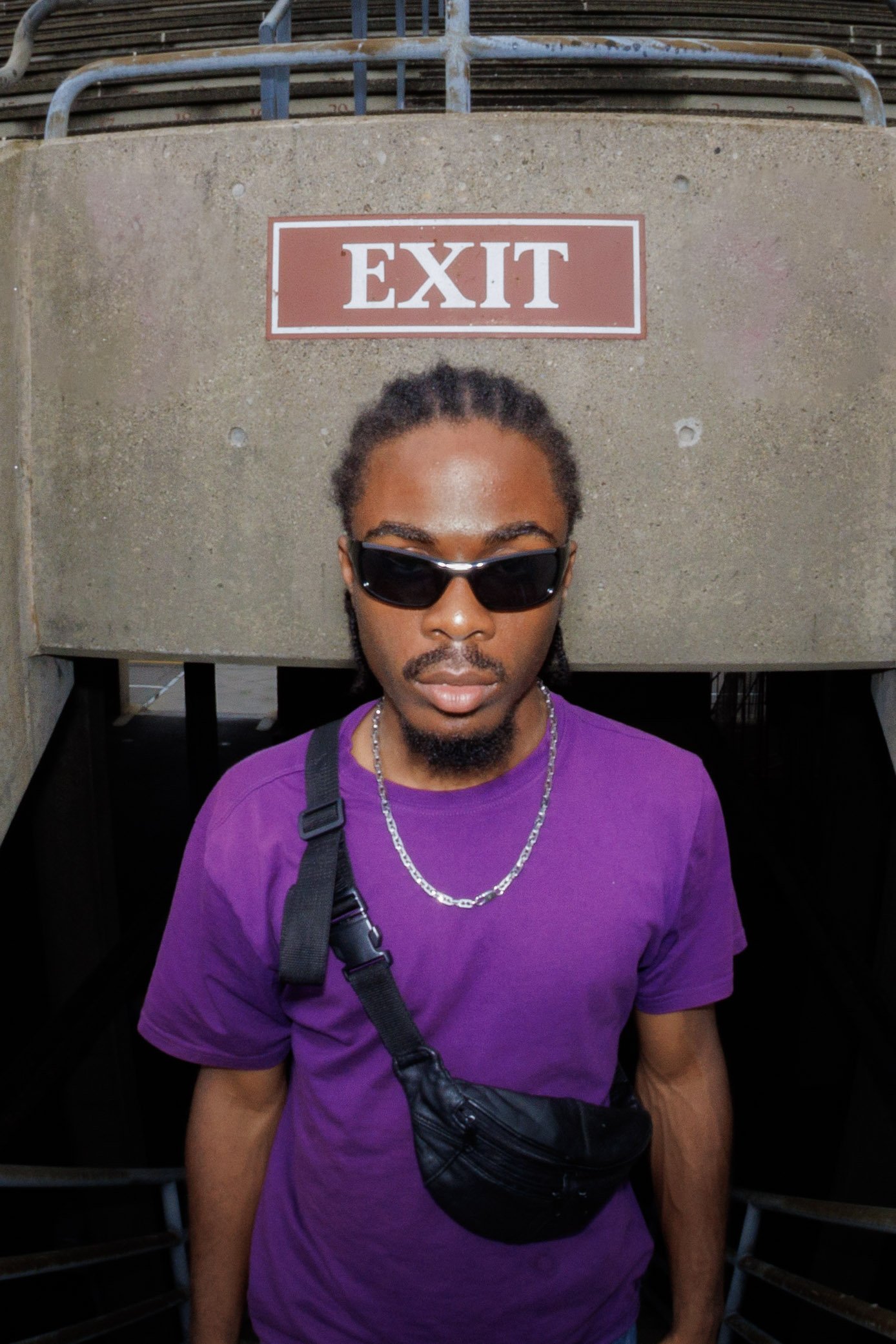
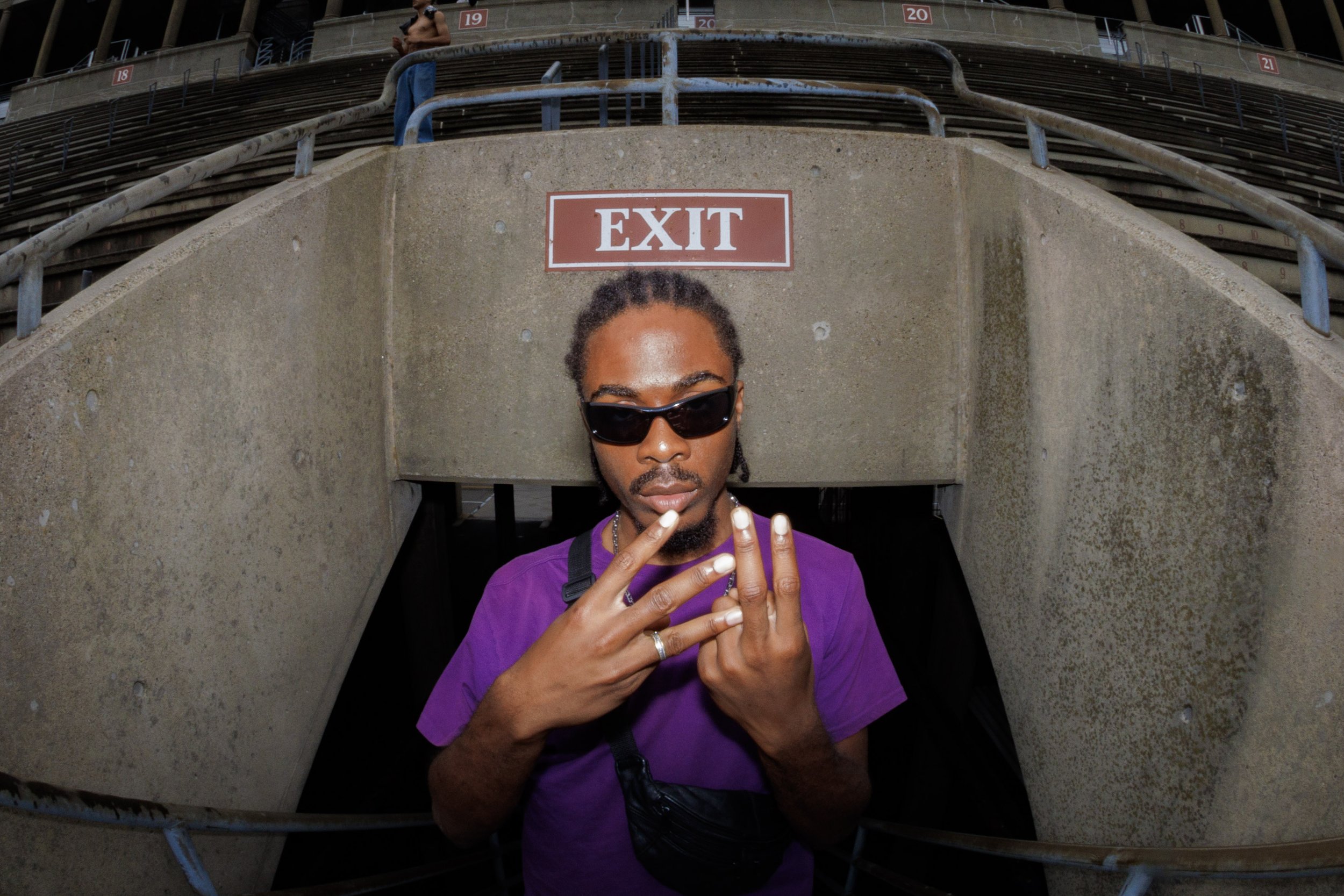
EXIT reframes public space as a living symbolic interface: a context that doesn’t just house transactions or events, but invites us to remember the relational, participatory nature of reality itself. The word EXIT already exists as a ubiquitous signal—embedded in the architecture of every building, silently pointing toward thresholds. It ritualizes our movement toward improved states of physical being. It is universally recognized, yet rarely considered. EXIT reclaims and reframes this symbol as a metaphysical reminder: that we are always in movement, always becoming, always transitioning through meaning.
By rooting this intervention in a familiar, legible form, EXIT introduces a cognitive layer into the perceptual commons—activating new symbolic meaning within everyday space. It is a subtle but powerful shift in how we read and relate to our built environment.
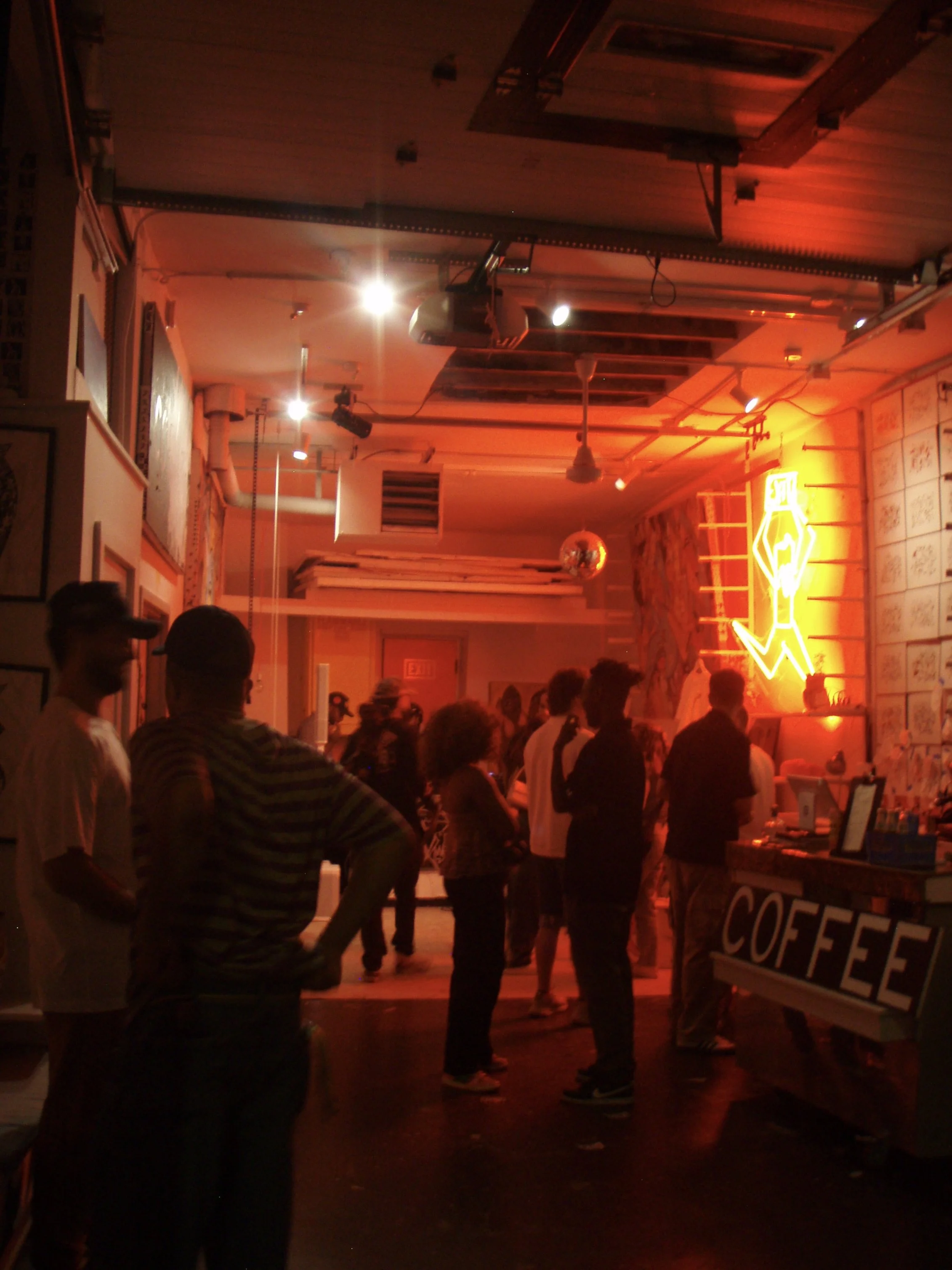
EXIT spaces, as deepened aesthetic contextualizations of this symbolic intervention, are venue for interaction, where the act of gathering—sharing coffee, engaging in dialogue, inhabiting a shared space—is the performance. It decentralizes art from object and spectacle into the practice of participation itself. It looks like an open-format café or studio, but its design is intentional: a symbolic architecture of the liminal. The space is a vessel—a tunnel-like form, an exit on both sides—inviting you into a process of flow, presence, and collective becoming. The aesthetics are subtle prompts—each an invitation to slow down, to enter into attunement, and to remember what it means to be here, together. The space itself is sacred architecture—not in ornament, but in functional intention. It is a living threshold for relational awareness.
This is what we might call Placemaking 2.0—a shift from designing for programming to designing for perception. (Placemaking, as commonly defined, refers to the process of creating quality public spaces that foster connection, community, and a sense of belonging. Placemaking 2.0 extends this by embedding philosophical intent, symbolic framing, and aesthetic reflection into the design of space itself—orienting us to deeper layers of meaning.)
It’s not just about activating spaces through events or amenities, but about cultivating environments—physical, aesthetic, and symbolic—that reorient awareness: from passive consumption to active co-creation, from individual entertainment to collective reflection.
EXIT’s design principles are deceptively simple:
Art is not an object, but a context for attention.
The aesthetic is the interface—not the product.
Participation is the content.
Presence is the public good.
Over the past six years, EXIT has been activated across five commercial storefronts in Boston, quietly prototyping this philosophy through thousands of moments of shared reflection, dialogue, and relational presence. Each iteration is not a fixed exhibition, but a living civic and anthropological experiment—a test case for how we might reframe cultural infrastructure away from spectacle, away from content, and toward process: the continuous work of being together in the flow of a shared world.
EXIT is not a critique in the abstract. It is a living critique in action: a refusal to perpetuate the cycle of division, disconnection, and distraction that much of contemporary art funding supports. The cultural institutions and funding models we have inherited are designed to sustain a postmodern logic—one that enshrines subjective truth, relativism, and propositional knowledge as the highest forms of value. But this logic has fragmented our shared reality and left us unable to act in common purpose. EXIT is a counter-move: a prototype for an ecological, participatory, and integrative approach to culture. It is a proposal for what comes after postmodernism—not as a theoretical critique, but as a practical, embodied intervention in the public sphere.
In this sense, EXIT is not just a design project. It is an axiological proposition: a redefinition of what we consider valuable in public space. It asks:
What if value is not in what is produced, but in what is held?
What if the true function of public space is not to entertain, distract, or transact, but to cultivate the conditions for shared reflection?
What if we designed not for efficiency, but for attunement?
EXIT is a prototype for this shift: not a product to consume, but a container for presence—an architecture of subtlety, patience, and relational awareness. A space where we can build the capacities to mutually recognize our ongoing interactions as a process of shared aim and coordination toward the further actualization of potential and growth. A space where our ongoing relational process is itself the art—a living expression of mutual awareness, coordination, and shared orientation toward a higher good. Here, value is not in what is extracted or produced, but in what is held, practiced, and deepened together.
If the 20th century was defined by the aesthetics of critique, spectacle, and fragmentation, the 21st demands something else entirely: a reorientation of value itself. The future of art—and of public space—lies not in producing more content, but in cultivating contexts for participatory awareness: frameworks that afford reflection, dialogue, and collective sense-making.
This is the shift from art as object to art as ecology—a living system in which presence, relationship, and meaning are co-created through shared attention.
EXIT is a prototype for this shift: a living civic framework that decentralizes art from the gallery and market, returning it to the relational fabric of everyday life. It is not a product, a brand, or a fixed aesthetic. It is a symbolic architecture—a vessel that scaffolds our capacity to be together.
This approach builds on a lineage of practices that have long understood the role of symbolic containers in shaping perception and cultivating wisdom:
The peripatetic schools of ancient Greece, where philosophy was practiced as embodied dialogue in public space.
The mystery traditions—including Kabbalistic mysticism—which used layered symbols, metaphors, and rituals to guide participants through ontological initiation.
Zen non-dualism, where relational awareness is cultivated through direct, embodied practice.
The Trinitarian metaphysics of Christian theology, which frames reality as a dynamic relational process—unity through difference, participation as belonging.
Alfred North Whitehead’s Process and Reality, which reframes the universe not as static substance but as a continuous, participatory unfolding of events.
John Dewey’s Art as Experience, which situates art as an aesthetic mode of life, not a discrete object for consumption.
Paulo Freire’s Pedagogy of the Oppressed, which frames education as a dialogical, participatory process of becoming aware.
The Happenings of the 1960s, where art dissolved into life, creating ephemeral spaces for shared attention and spontaneous co-creation.
These traditions, diverse as they are, point toward a shared insight: that meaning is not transmitted through objects alone, but through relational structures—the subtle scaffolding of attention, space, and symbolic framing that orients us to the whole.
Where third space and placemaking frameworks often focus on spatial interventions—parks, cafes, markets—EXIT proposes a deeper, more radical reframe: that the space itself is not the point. It is the context of perception that must shift. The axiology—what we value, and how we see that value in relation to others—must be reoriented.
This is not a design problem, but a philosophical challenge: How do we relearn to see the spaces we already inhabit as sites for collective meaning-making? How do we remember that every street corner, every conversation, every shared pause is already a vessel—if we are present enough to recognize it?
EXIT is a contemporary answer to that challenge: a soft civic intervention that does not prescribe content, but reorients perception. It is an invitation to practice distributed meta-cognition—the collective awareness of how we make meaning together in real space and time.
In a culture dominated by left-hemispheric modes of control, measurement, and abstraction—what McGilchrist calls the "emissary’s takeover"—EXIT is a right-hemispheric counter-move: a relational, ecological, and participatory architecture that restores the primacy of the living whole.
It is not art as image, commodity, or message. It is art as distributed awareness: an ongoing, collective practice of being present to the world as it unfolds—together.
The aesthetic ‘objects’ within the container are not inert decor—they are functional tools within the relational field. They serve a purpose in context: to reflect the intent of connection in real space and time. These objects are not static artifacts, but contextualizations—fragments of the hyperobject of our interconnection itself. These aesthetic objects function as invitations into a hermeneutics of beauty—opening us to the participatory mystery of the shared world, rather than reducing it to surfaces for consumption.
They work actively:
to reorient our narrow perceptual focus,
to remind us of the relational process we are always already in,
to invite mutual awareness of our shared orientation and our capacity to coordinate toward a higher Good.
These objects are not the end, but the means: they serve as scaffolding for participatory epistemology—a reflection of our collective process of making meaning, together.
It’s worth acknowledging a potential paradox: in naming and framing EXIT, are we not simply offering yet another proposition—another model seeking to assert itself over others? This critique arises naturally—and is, in fact, welcomed. But EXIT does not claim to resolve this tension through abstraction or argument. Instead, it seeks to hold the paradox, to make space for it, and to practice its unfolding in real time, in shared space, through lived engagement.
EXIT is not a final theory, a fixed ideology, or a prescriptive solution. It is an invitation—a prototype, not a program. It is a hypothesis in action: a context where we can notice, together, how we perceive, how we orient, and how we might reattune toward deeper mutuality and shared meaning.
Rather than collapsing into the logic of domination—of needing to be the answer—EXIT aims to cultivate the capacity for asking better questions: How do we build the containers for participatory sense-making in a fractured world? How do we stay open to the ongoing process of co-creation, rather than rushing to close it down?
EXIT does not escape the paradox. It moves through it—by practicing a different orientation: not assertion, but invitation. Not closure, but co-creation. Not an argument to win, but a space to inhabit, together.
EXIT is a prototype, but it is also a quest—an adventure we step into, side by side. It is not a solved problem, but an open process: a living story we are called to co-create, to practice, to refine. The value lies not in what we extract, but in the shared journey of seeking deeper alignment—of becoming, together. This is an invitation, not an assertion. Let us hold the question, not as something to answer, but as something to live.
In an age dominated by spectacle, noise, and distraction, the most radical act is to create space for presence. The most urgent art is not to provoke, decorate, or sell—but to hold. To make room for what we have forgotten how to see.
EXIT is not a final solution. It is not a product. It is not an institution. It is a prototype—a civic framework that signals a new direction for art, design, and public space.
It proposes that the real work of art today is not to produce objects or content, but to cultivate relational containers: contexts that help us remember our participation in the unfolding of reality. It is a call to reimagine cultural infrastructure—not as programming, event, or spectacle, but as a living architecture for shared awareness.
This is the rebranding—
or rather, the re-grounding—of how we ought to perceive art in society:
Not a spectacle, but a vessel.
Not a product, but a practice.
Not a content feed, but a framework for reflection.
Not a discrete event, but an ongoing field for presence.
It is a shift in axiological principle:
from extraction to attunement,
from transaction to relation,
from content to context.
From art as thing,
to art as the practice of perceiving together.
EXIT is a prototype for this shift.
Not the final form, but an early signal:
an open, evolving structure that invites us to design new forms of life—
not by imposing solutions,
but by holding space for shared questions.
This is the deeper task ahead:
Not just to critique, but to build.
Not just to react, but to reorient.
Not just to resist, but to remember.
In a time of cultural fragmentation and existential precarity, the future of public art is not something to look at.
It is something to step into.
It is something to exi[s]t within.
This is an open call—to those who care about the future of public space, art, and our shared civic life. This is not just the work of EXIT, but of all of us. It is an invitation to join the ongoing practice of becoming together—by showing up, by participating, by remembering that every interaction is a part of the whole. This is the deeper work ahead.
Let us build it, together.
Debord, G. (1967). The Society of the Spectacle.
Vervaeke, J. (2019). Awakening from the Meaning Crisis [Lecture Series].
McGilchrist, I. (2009). The Master and His Emissary. Yale University Press.
Schmachtenberger, D., & Hall, J. (n.d.). Civilization Redesign and the Meta-Crisis.
Harris, T. (2020). The Social Dilemma [Documentary].
Whitehead, A. N. (1929). Process and Reality. Free Press.
Dewey, J. (1934). Art as Experience. Minton, Balch & Co.
Freire, P. (1970). Pedagogy of the Oppressed. Herder and Herder.
Morton, T. (2013). Hyperobjects: Philosophy and Ecology After the End of the World. University of Minnesota Press.
Stein, Z. (2021). Education in a Time Between Worlds. Bright Alliance.
Haidt, J. (2018). The Coddling of the American Mind: How Good Intentions and Bad Ideas Are Setting Up a Generation for Failure. Penguin Press.
Haidt, J. (2024). The Anxious Generation: How the Great Rewiring of Childhood Is Causing an Epidemic of Mental Illness. Penguin Press.
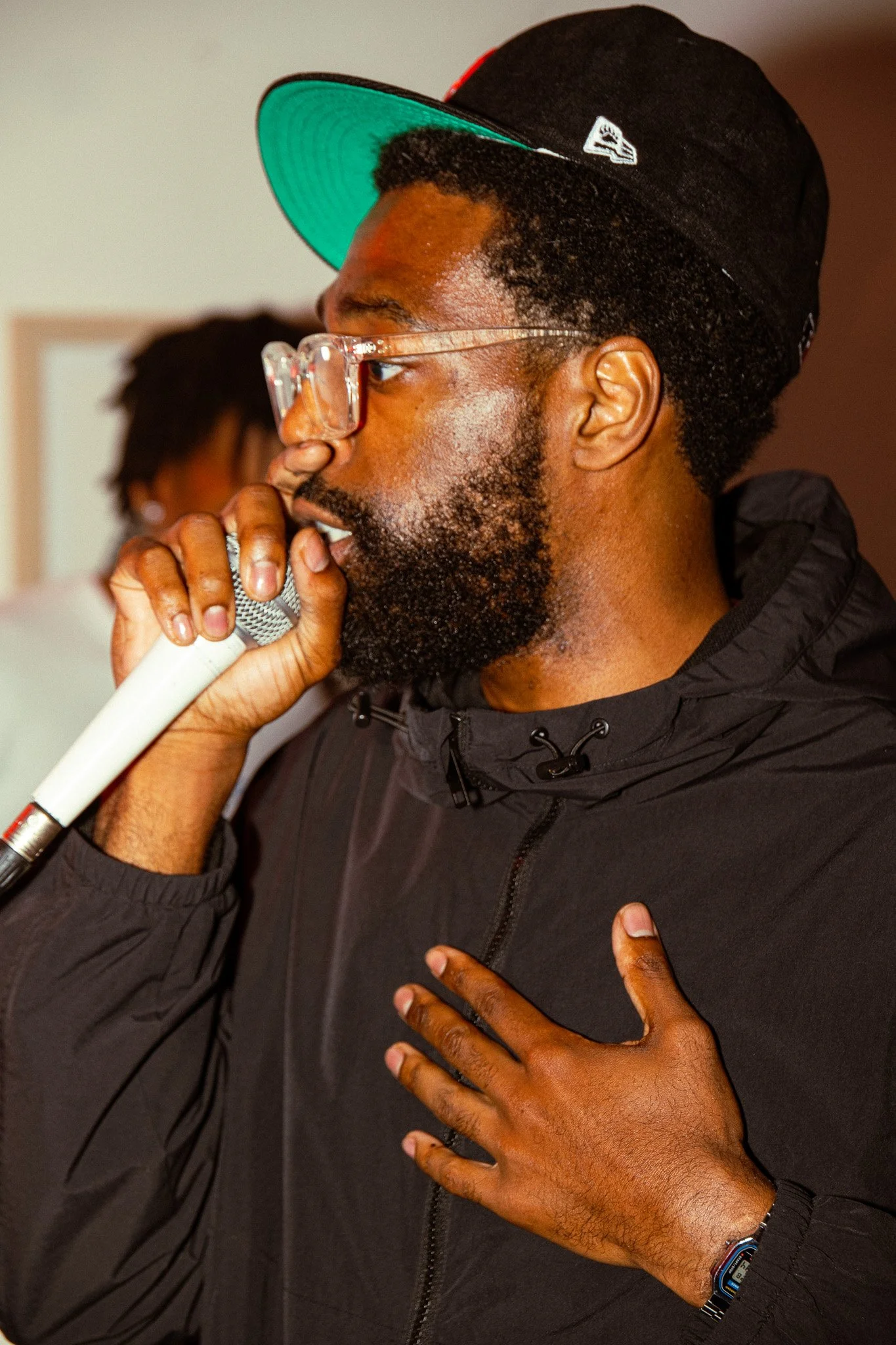
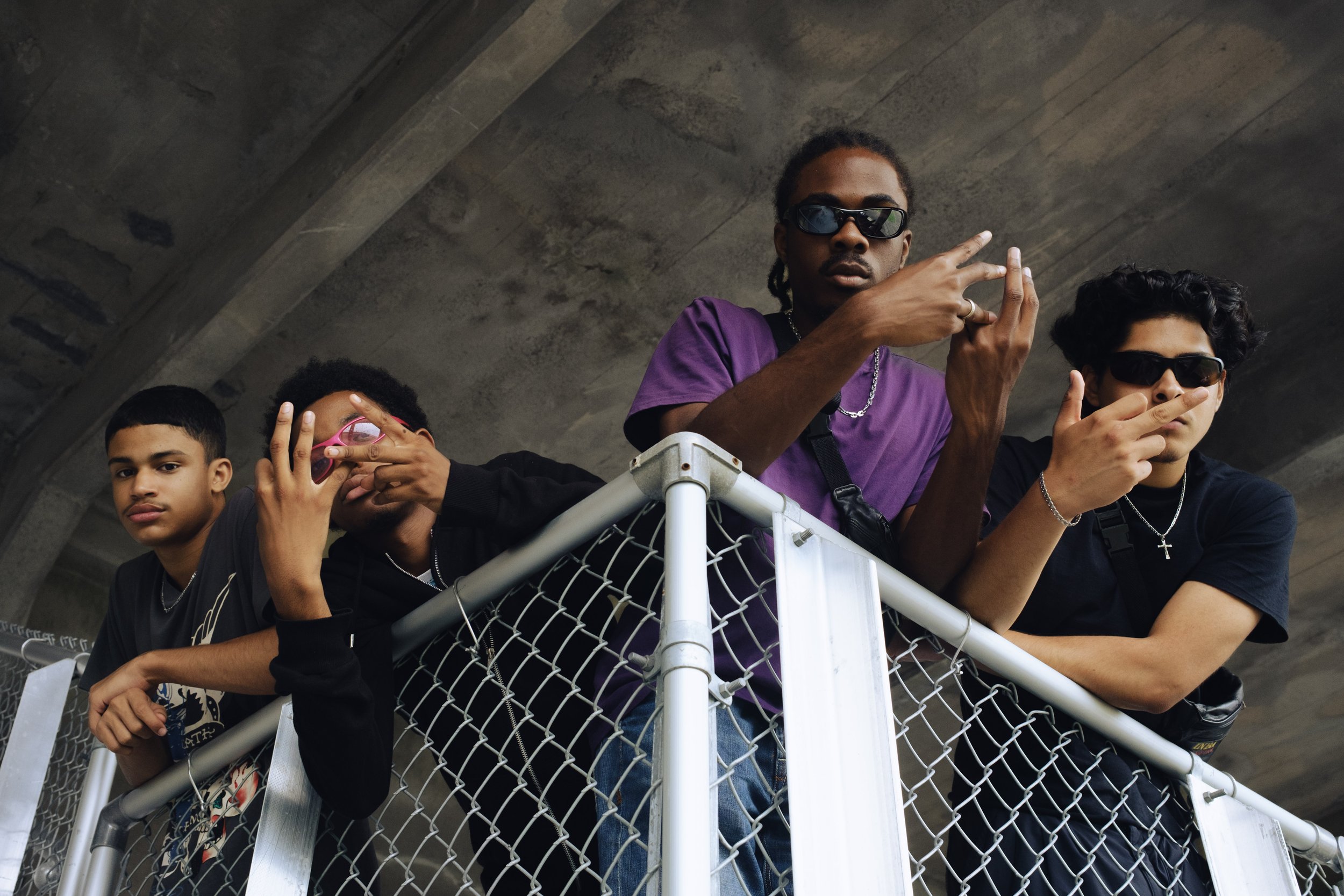
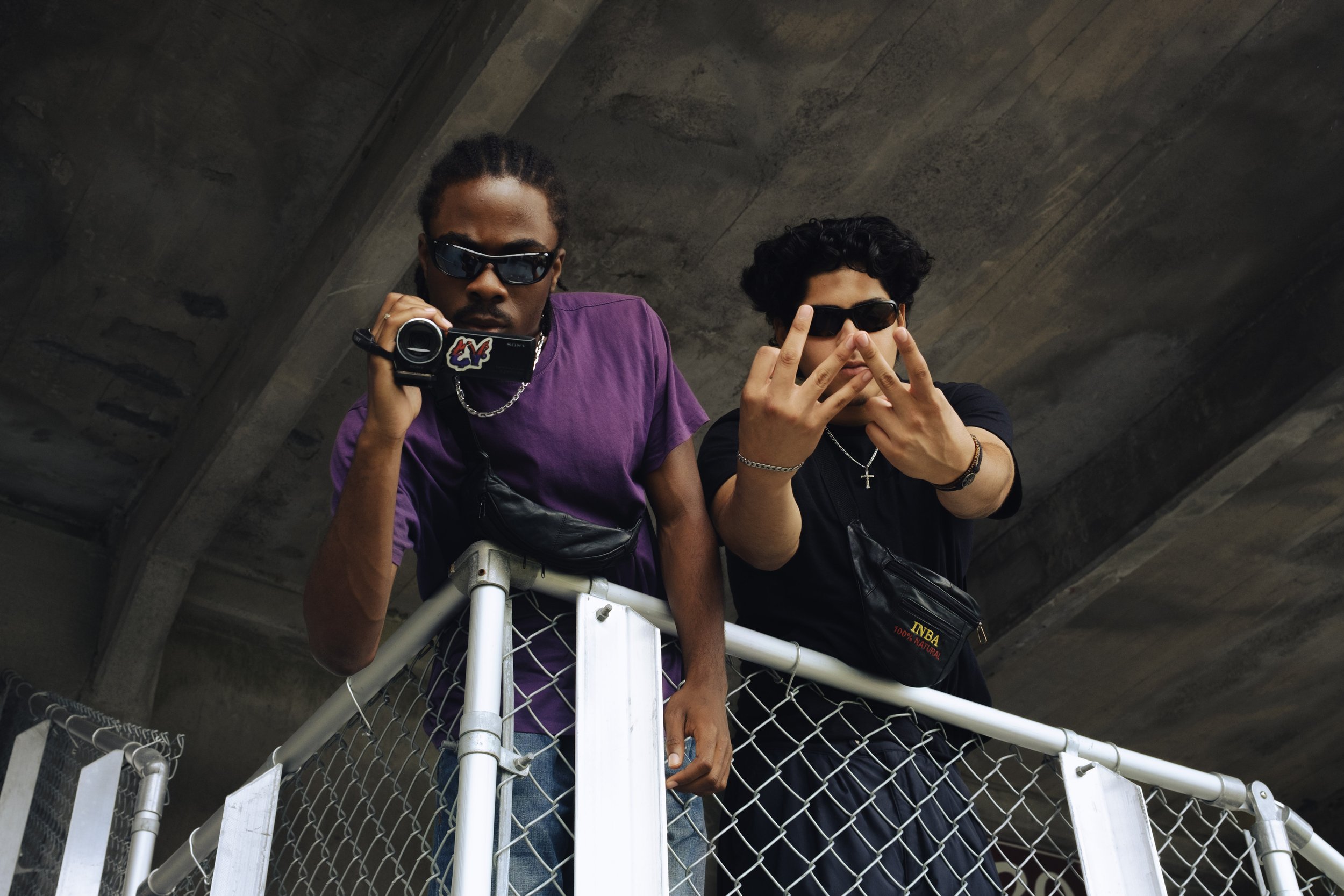
Photography by Isaac Wheatley
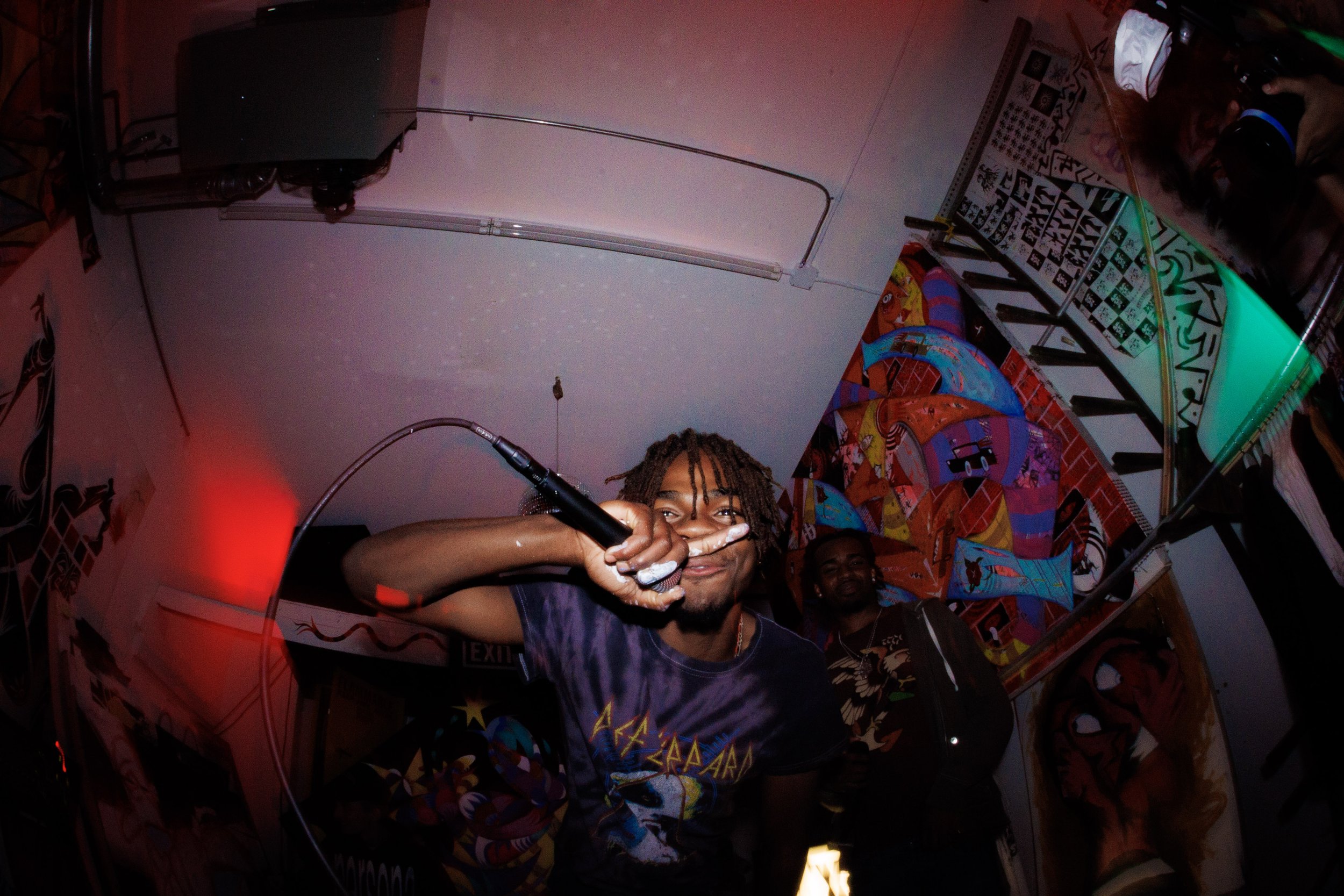
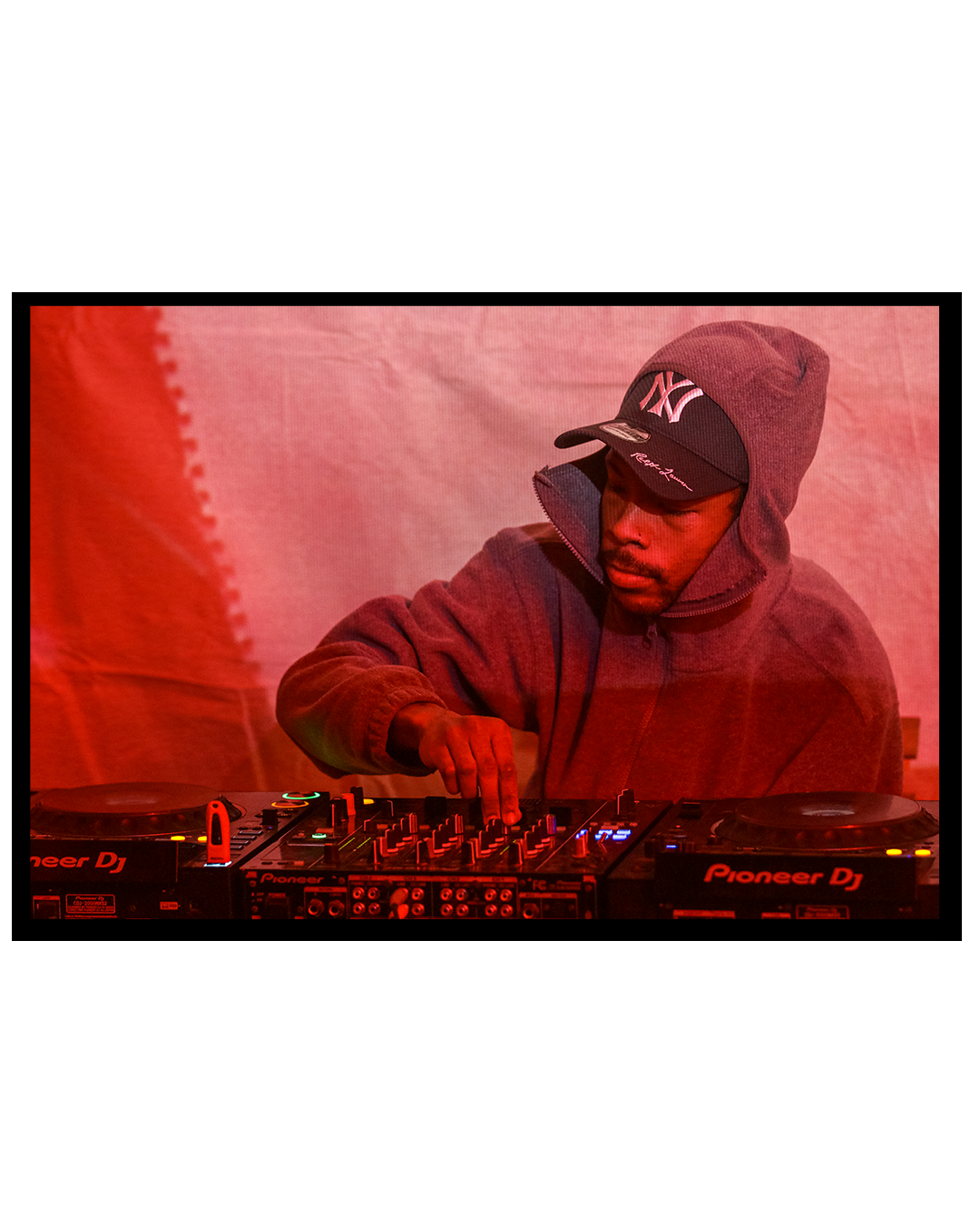
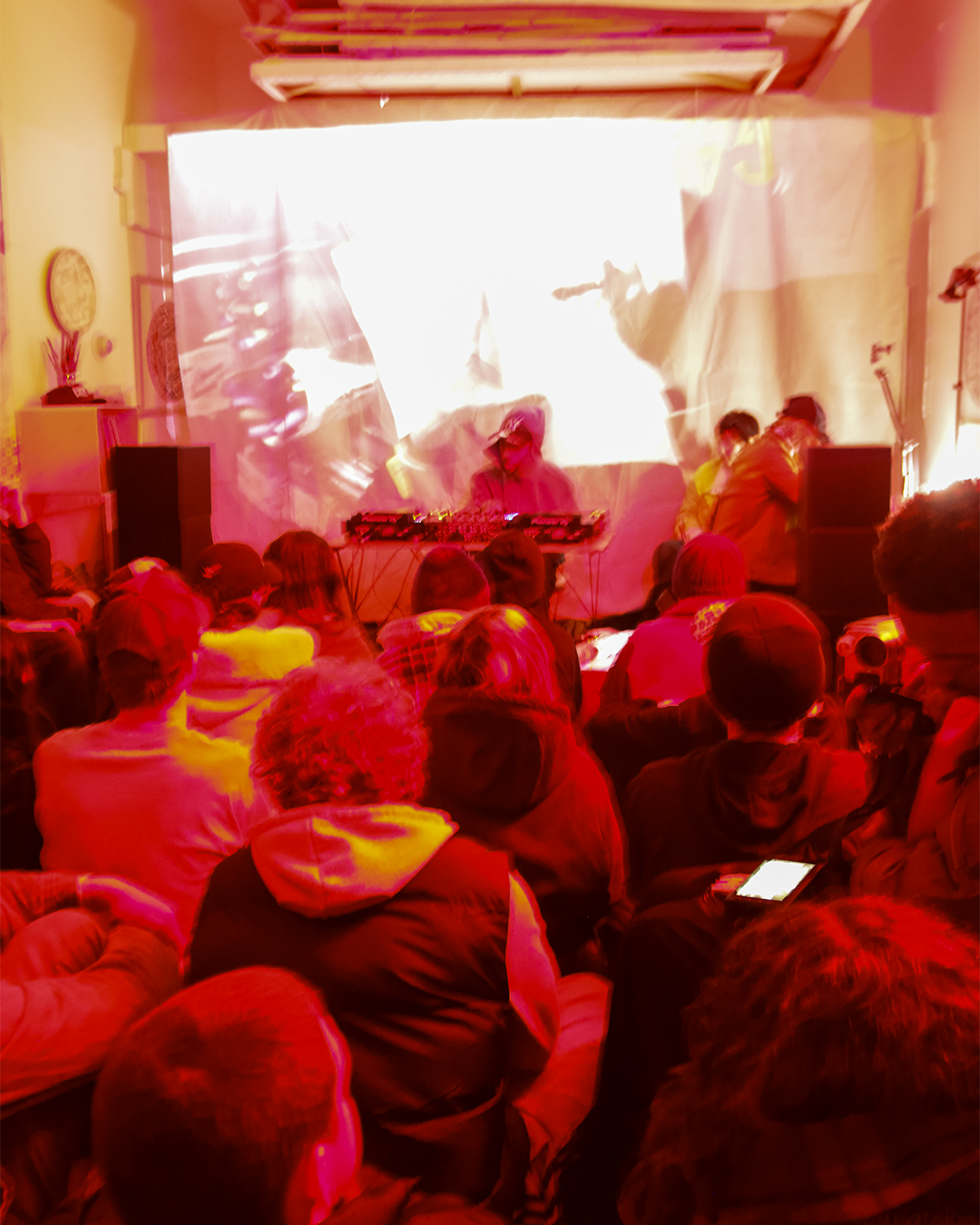
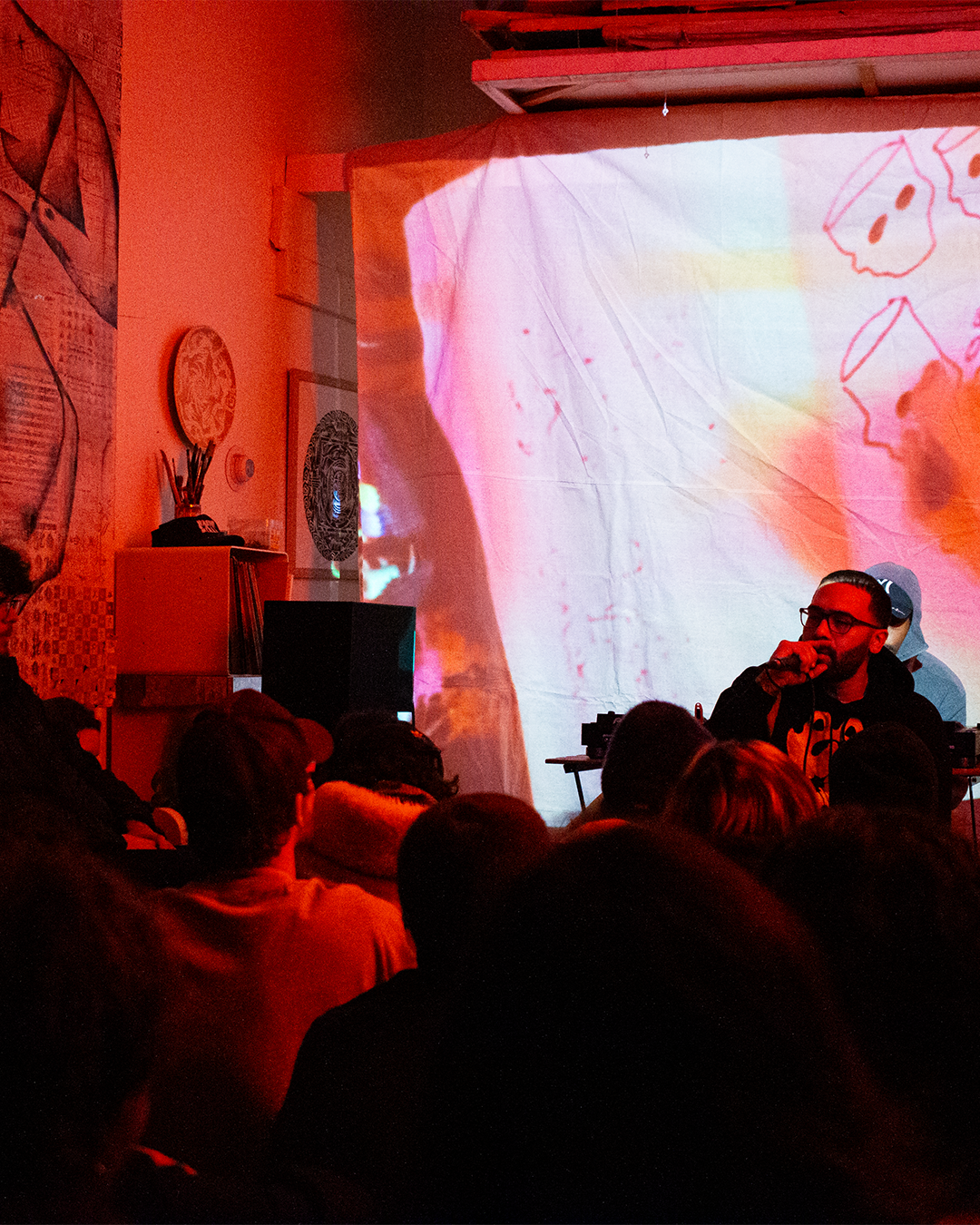
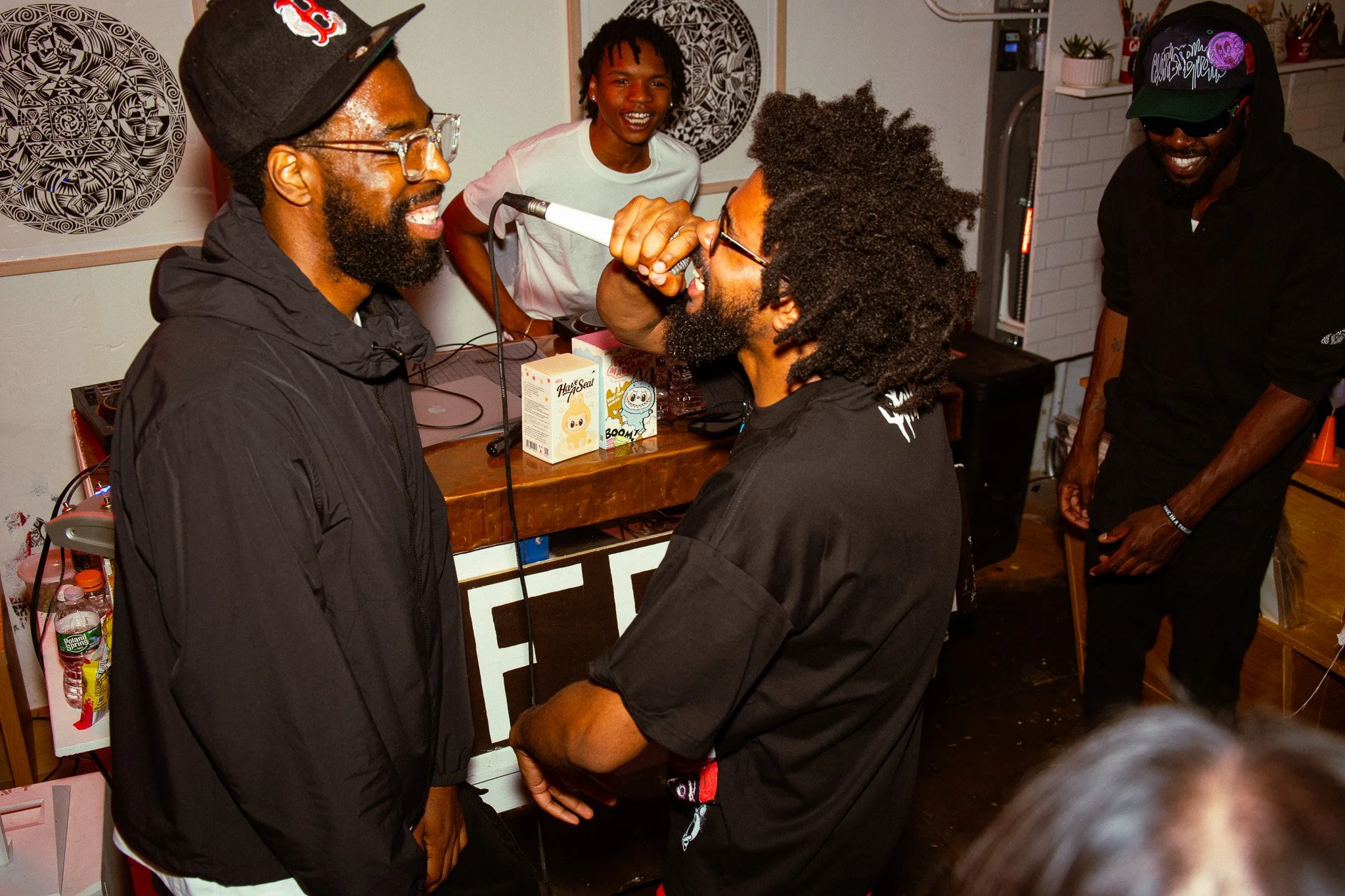
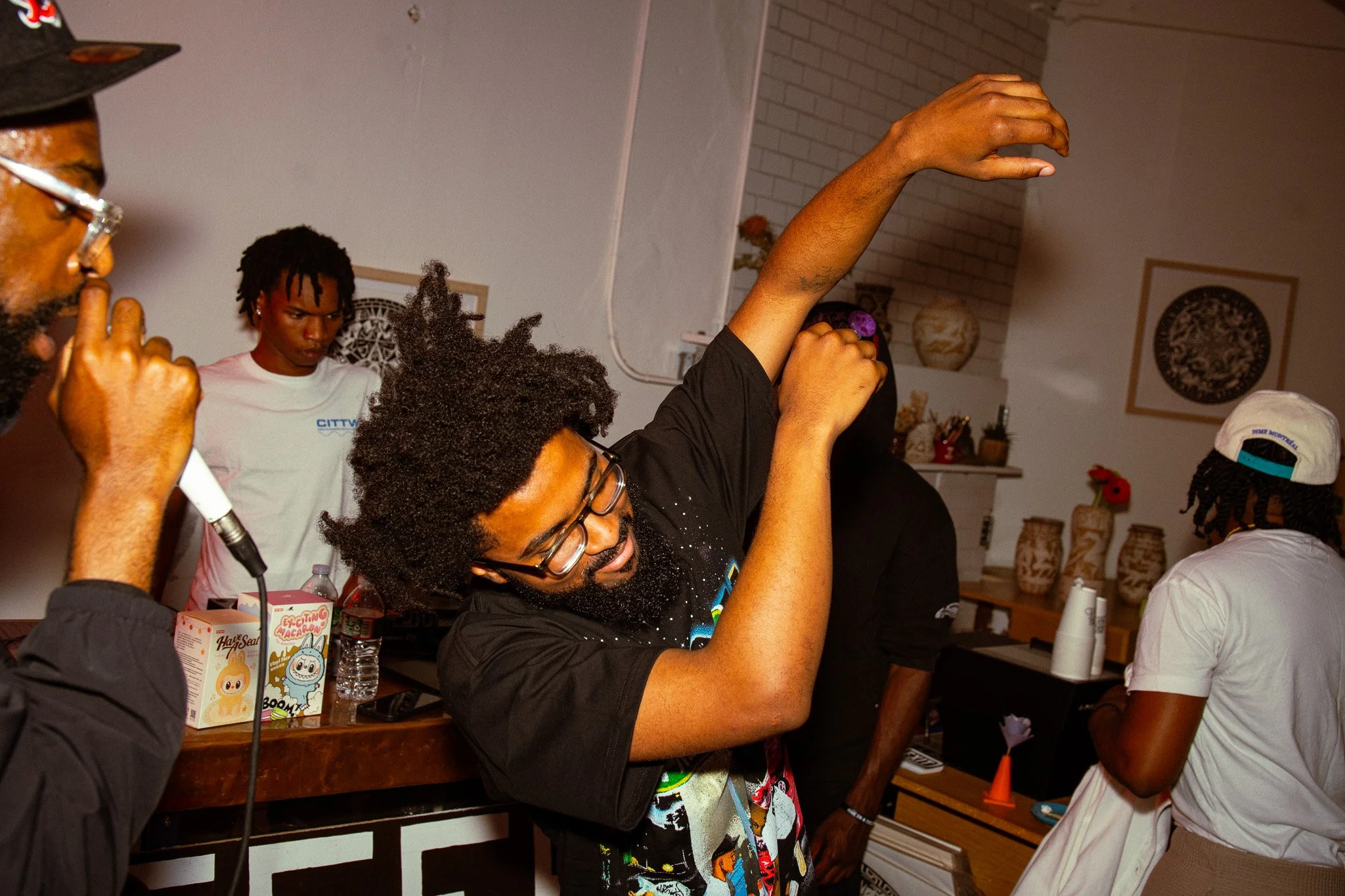
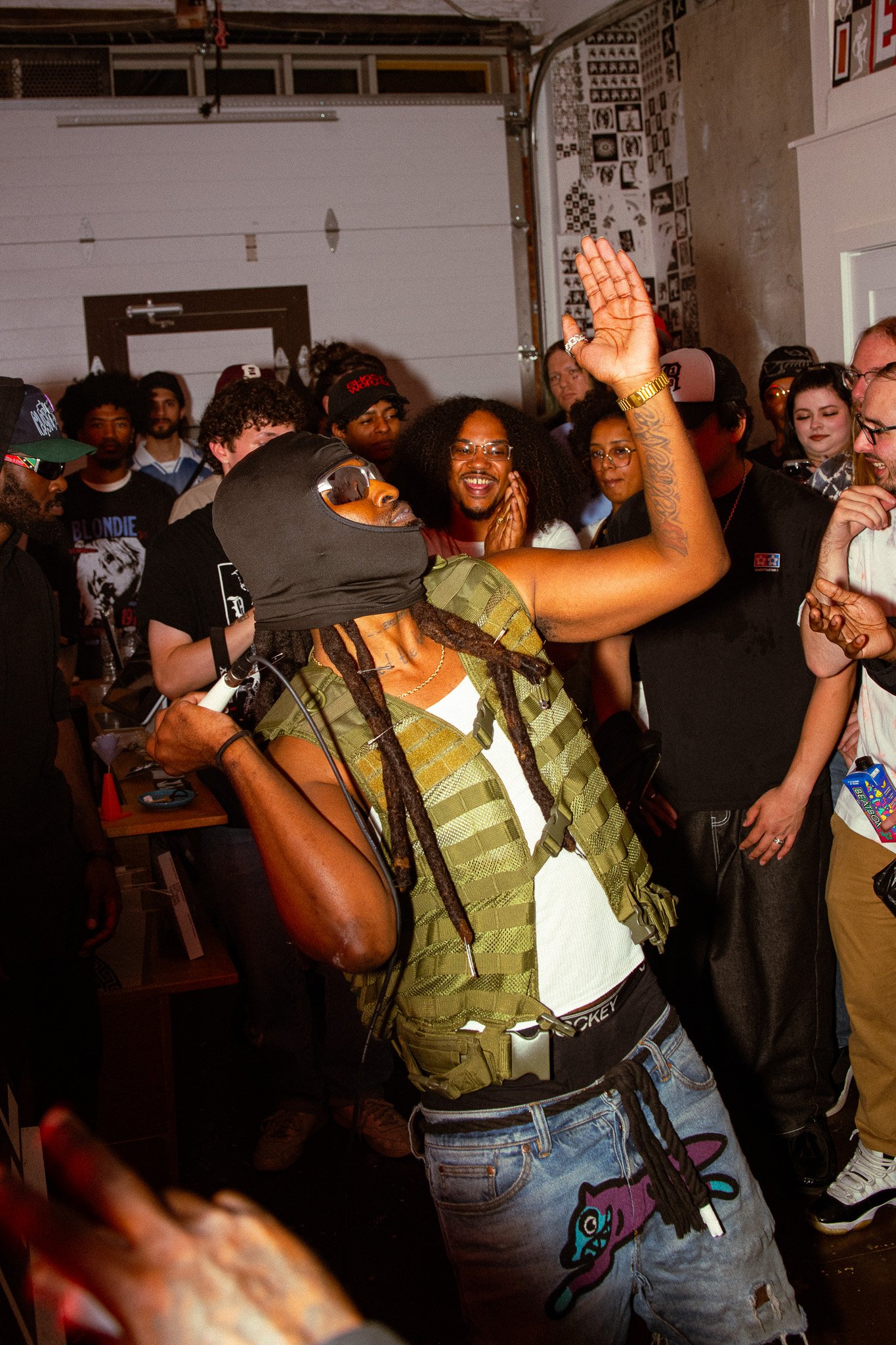
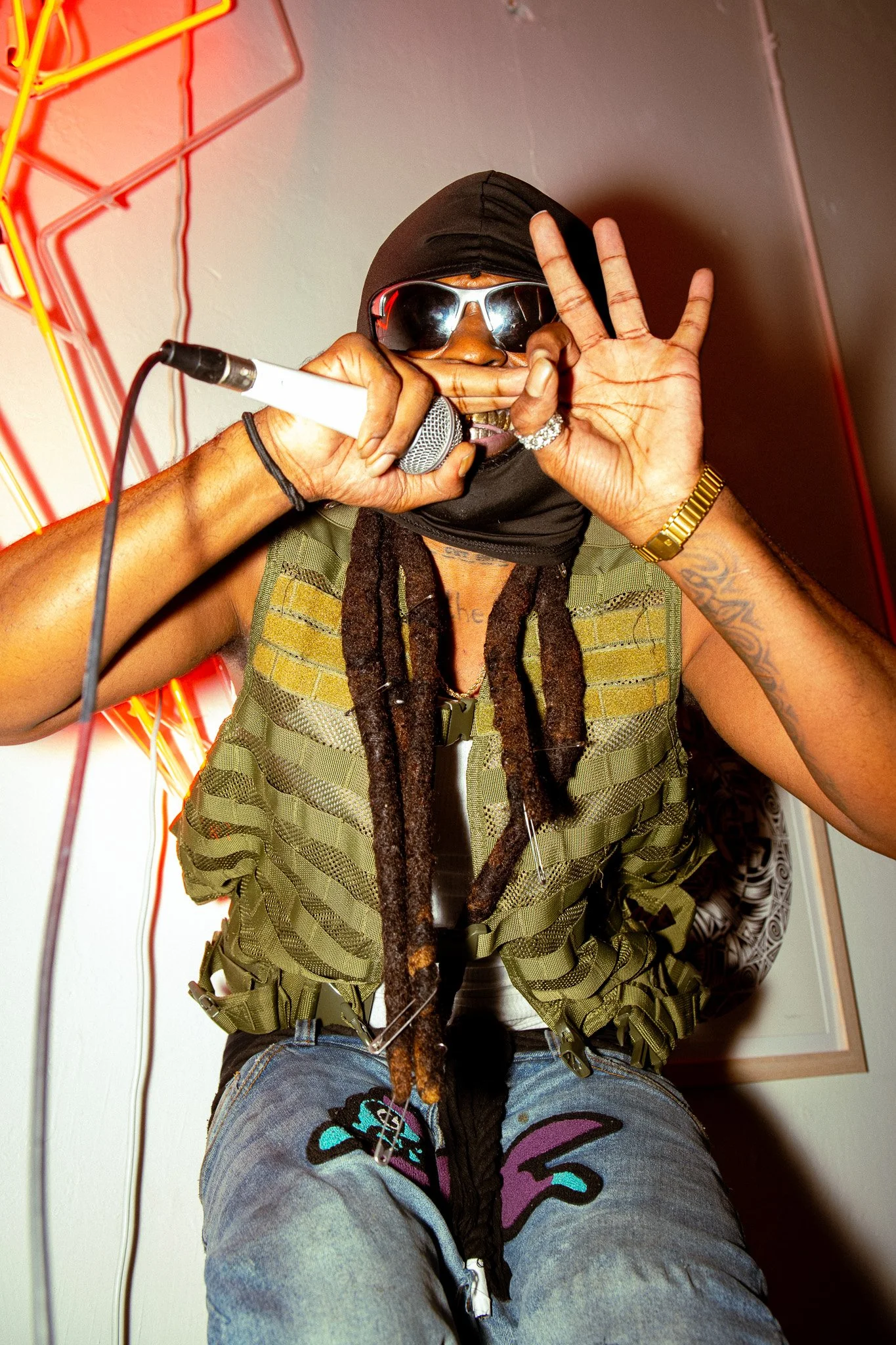
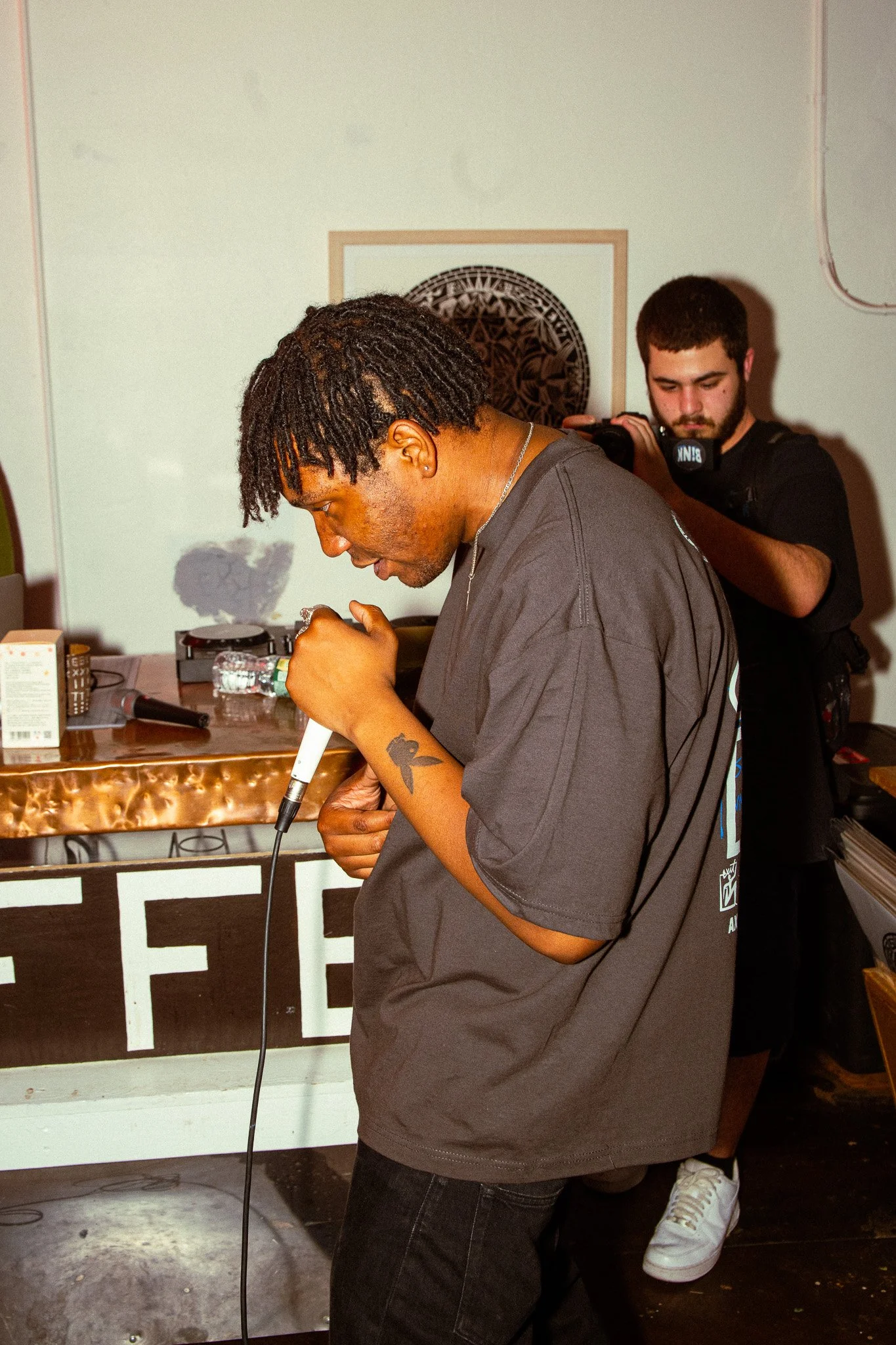
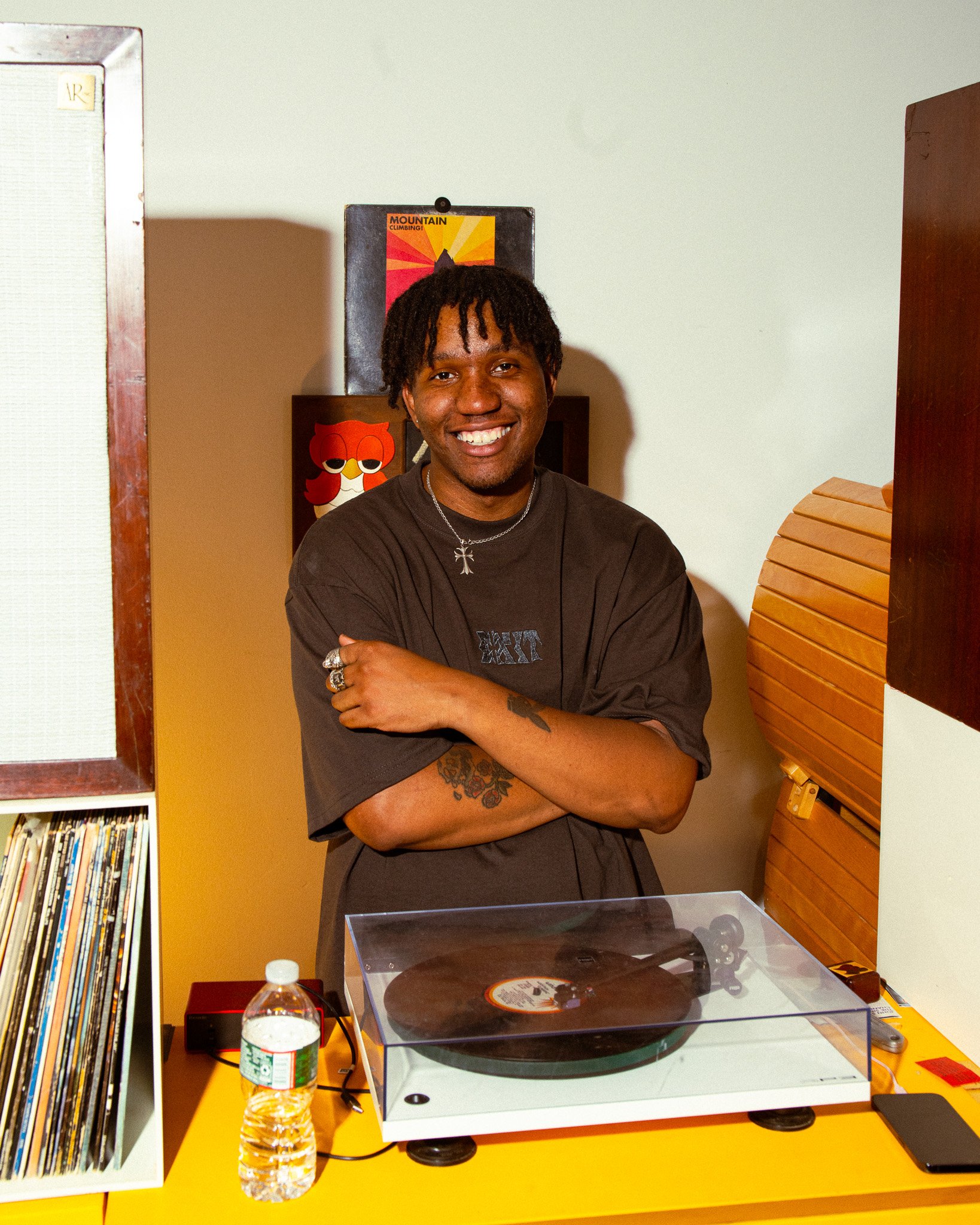
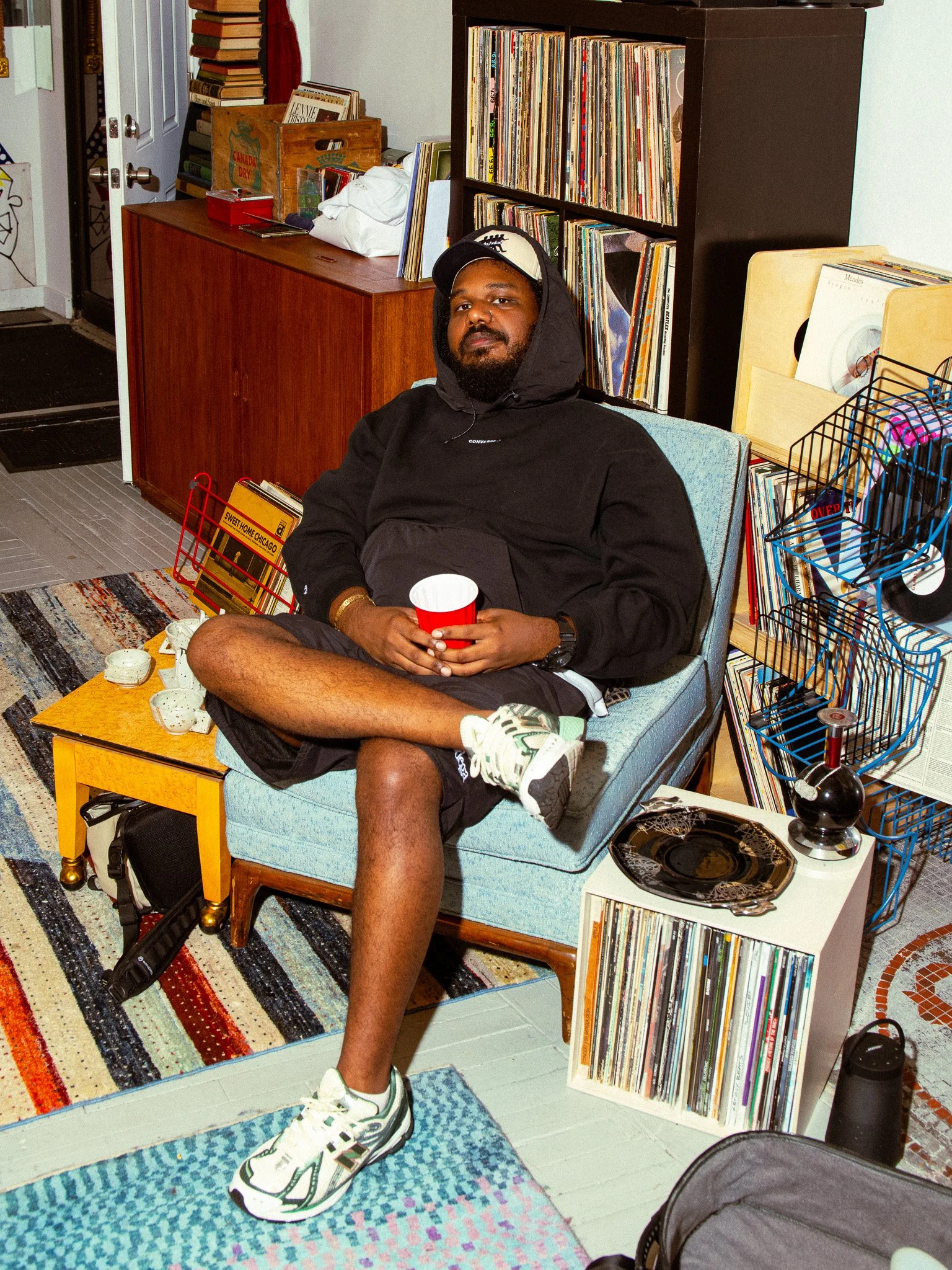
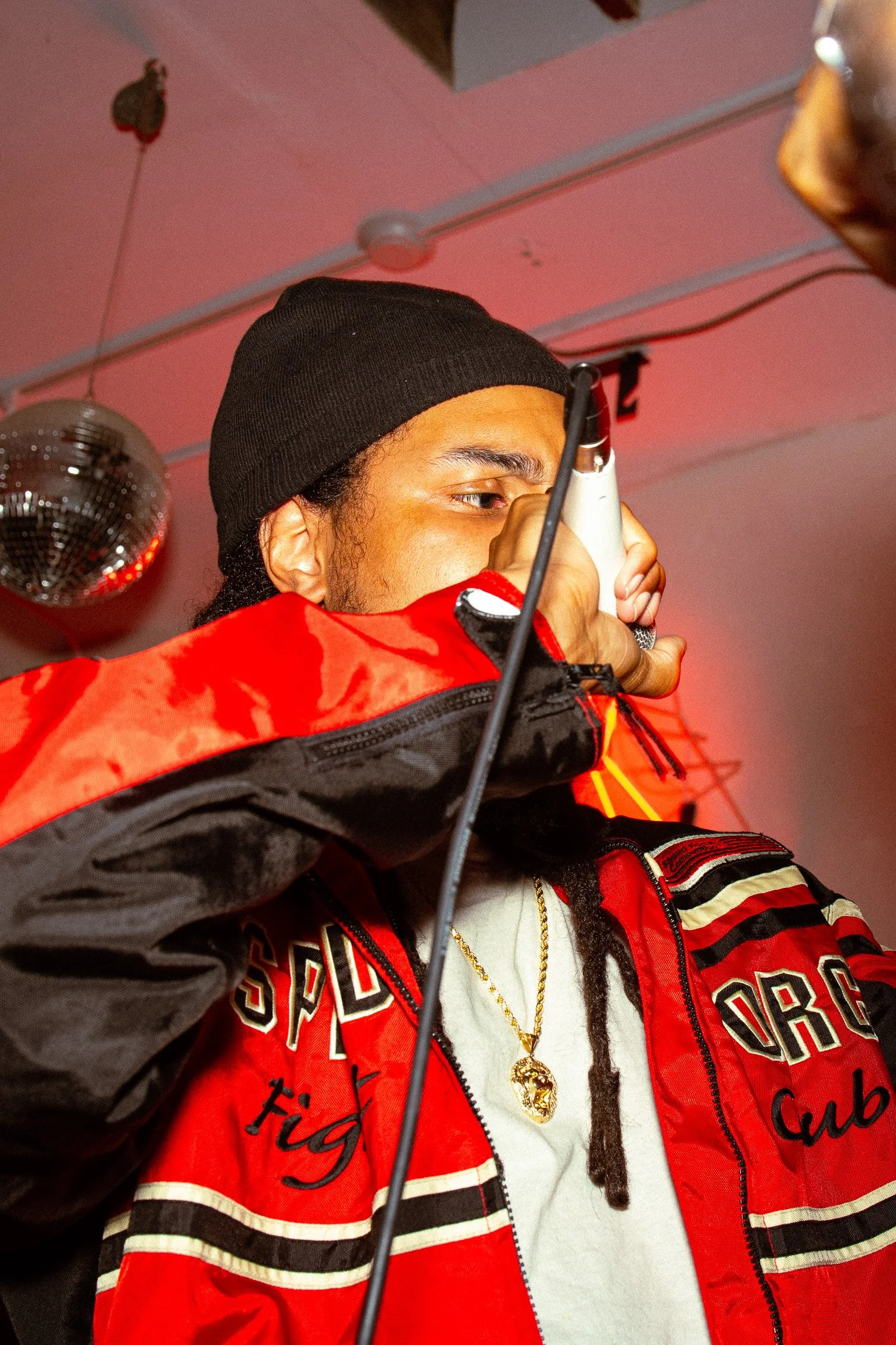
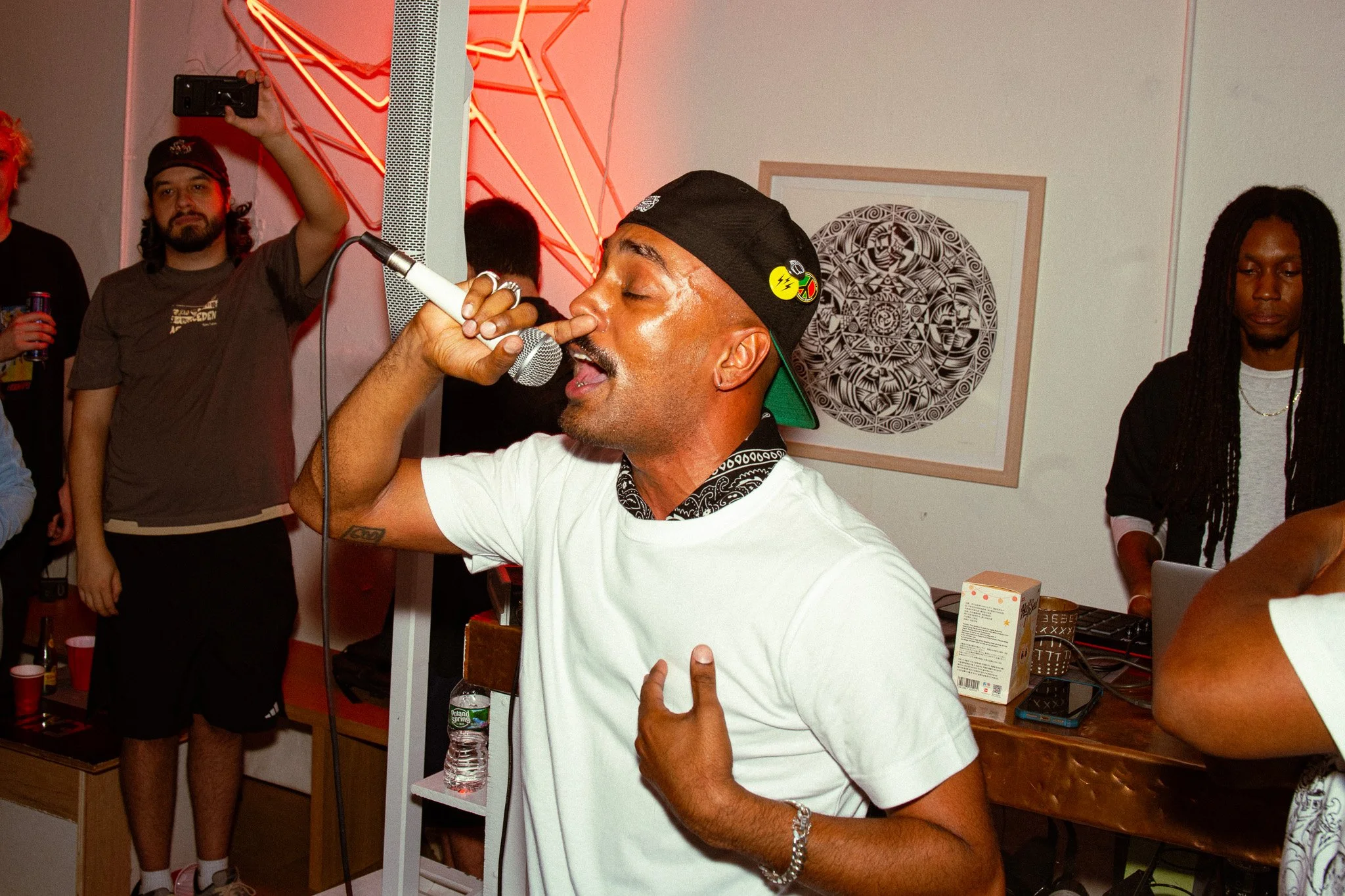
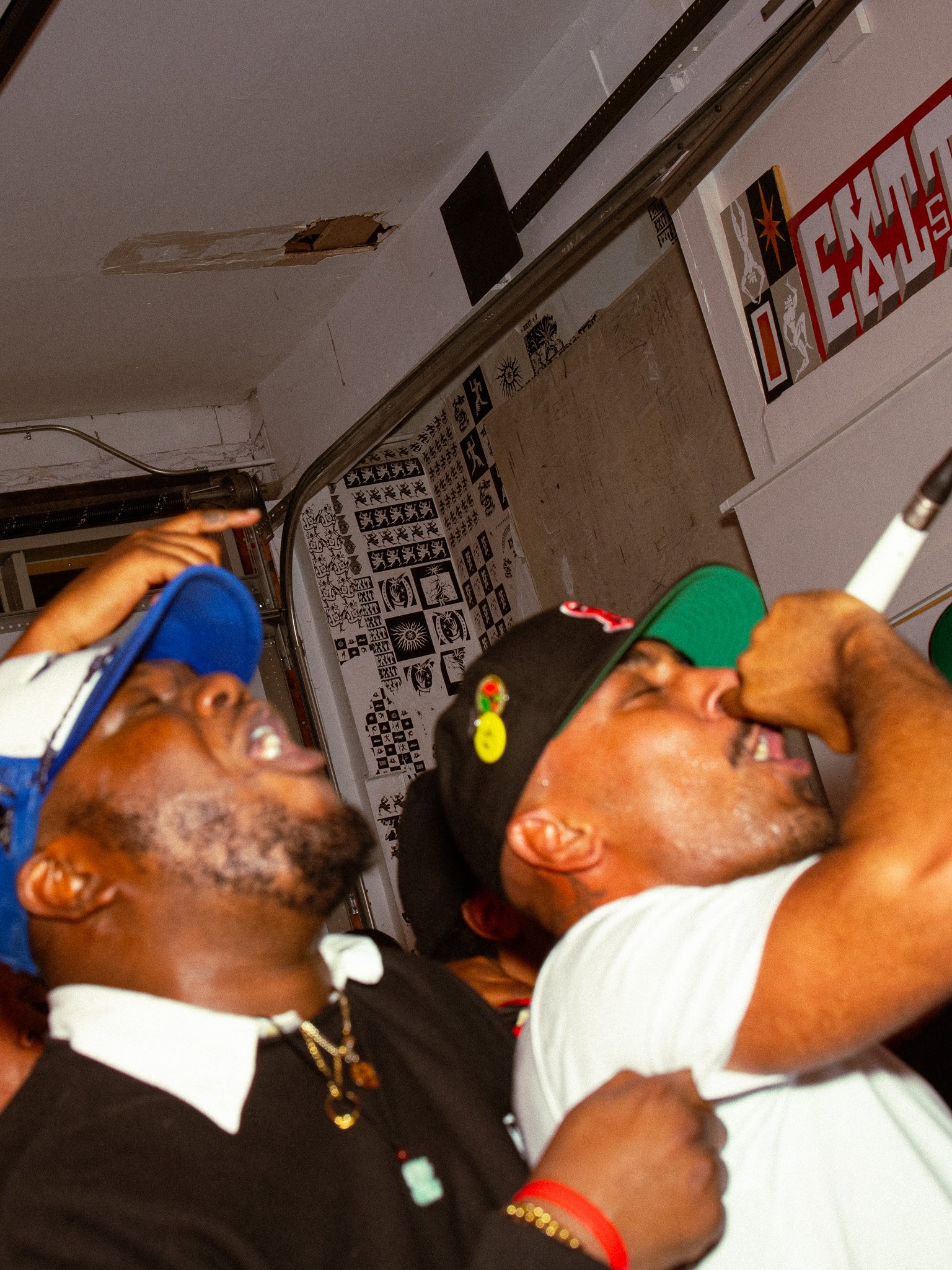
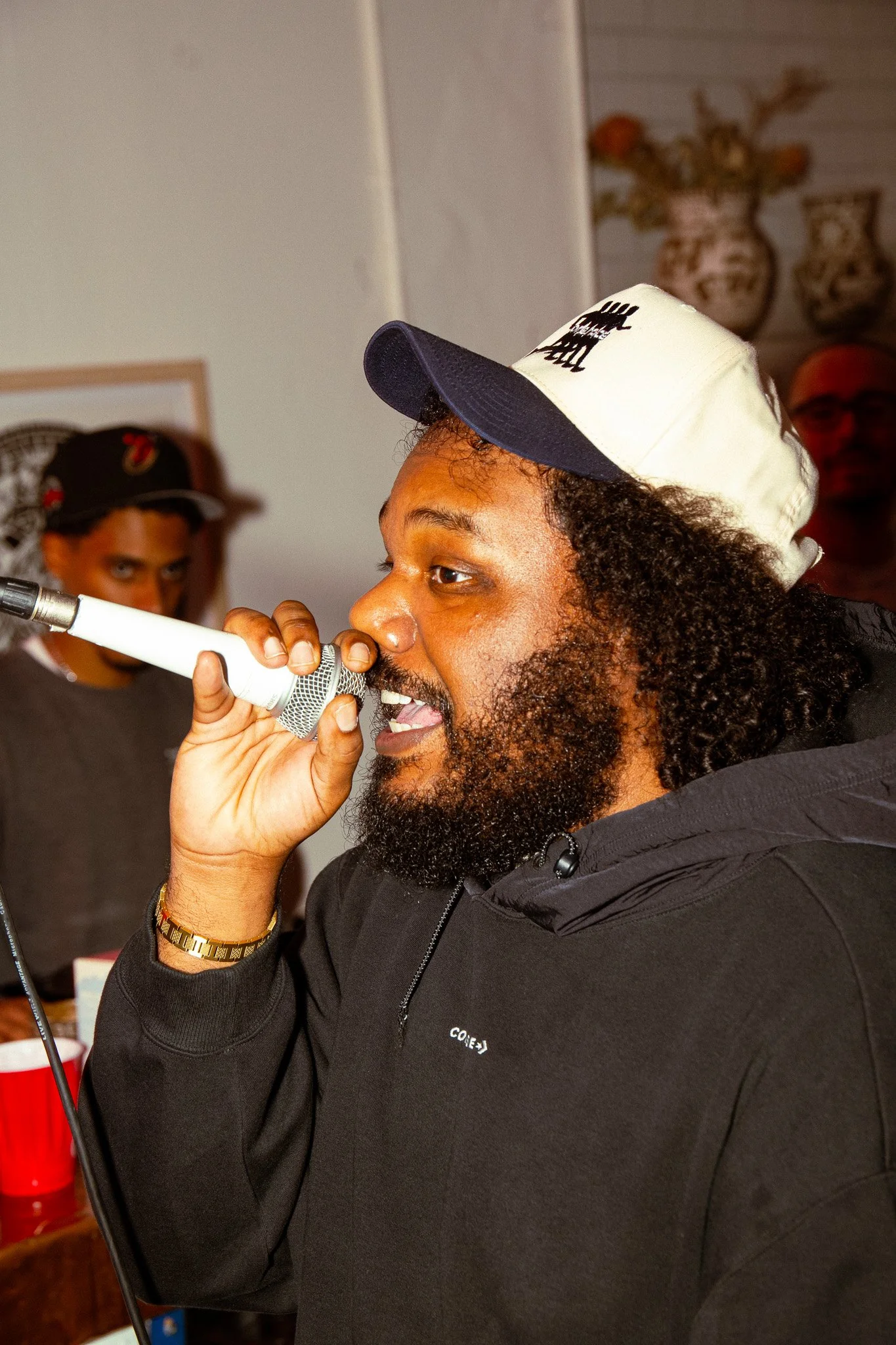
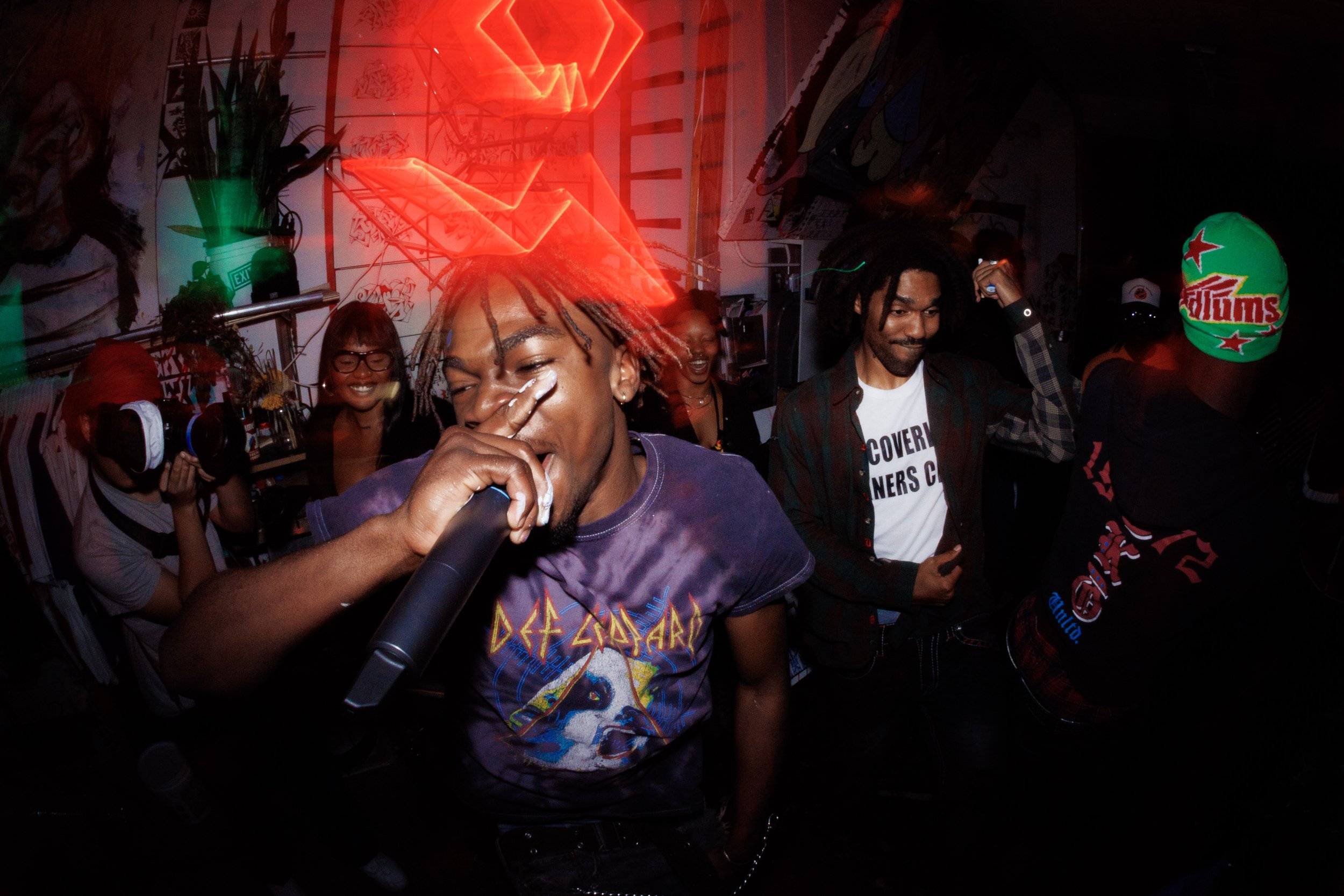
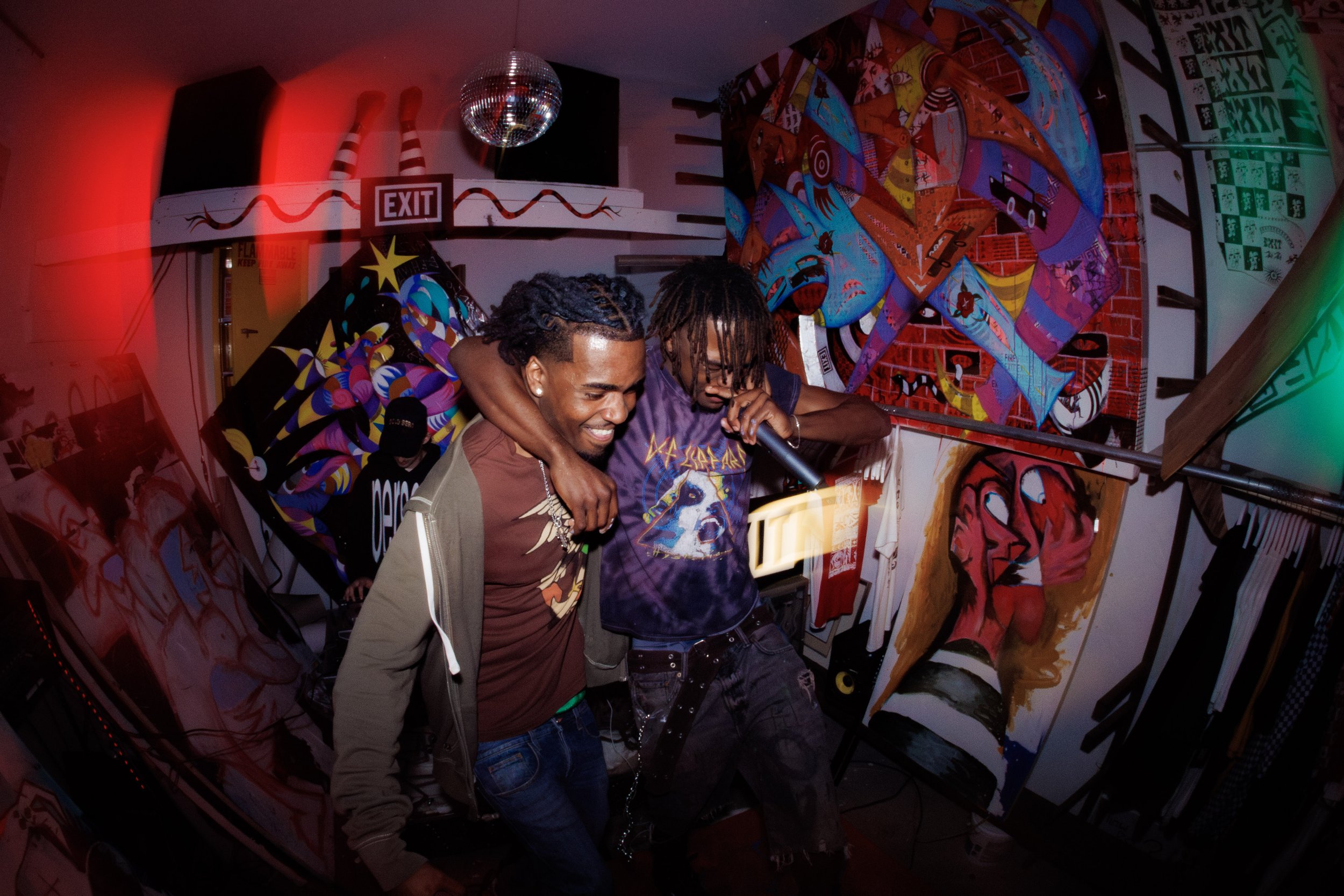
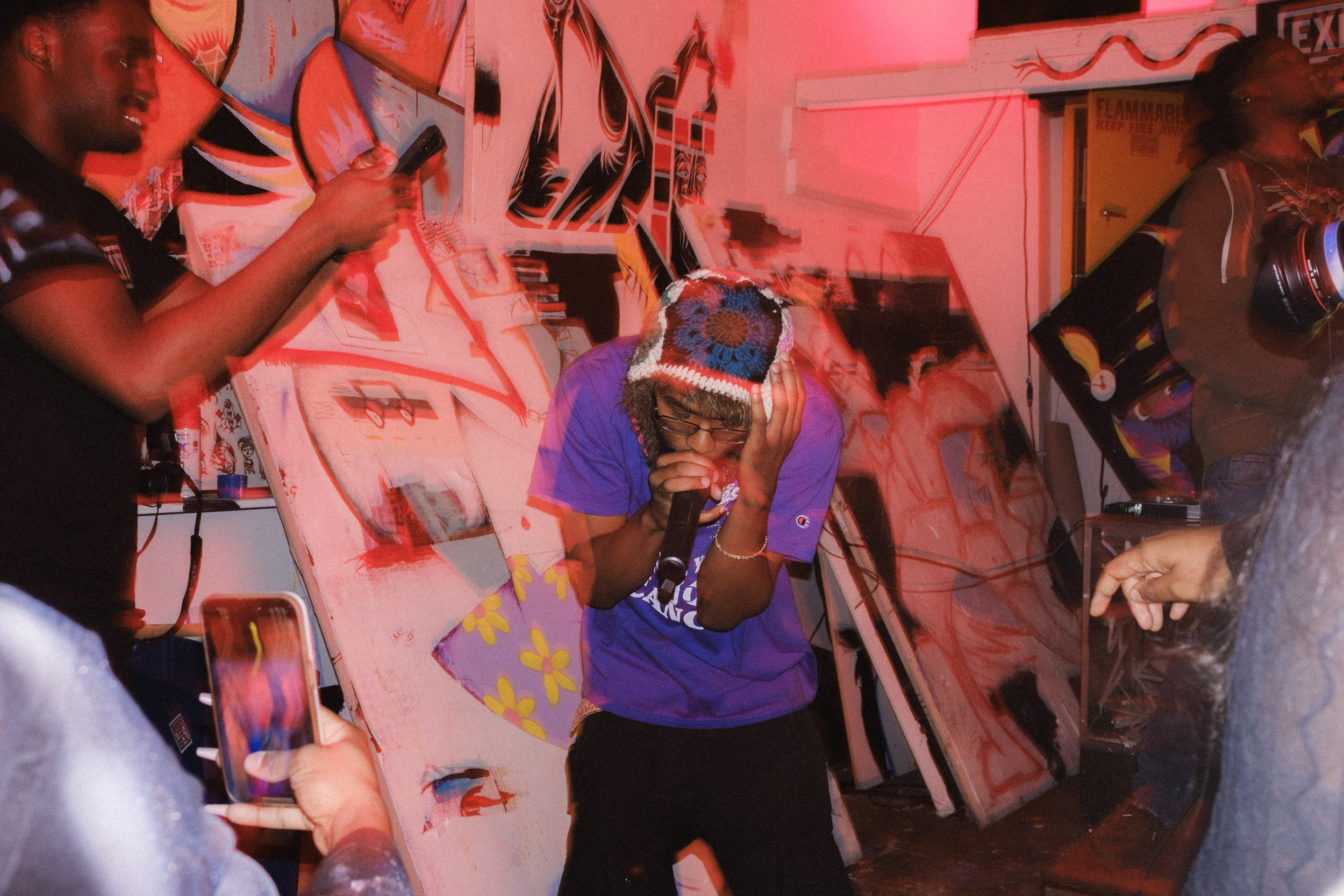
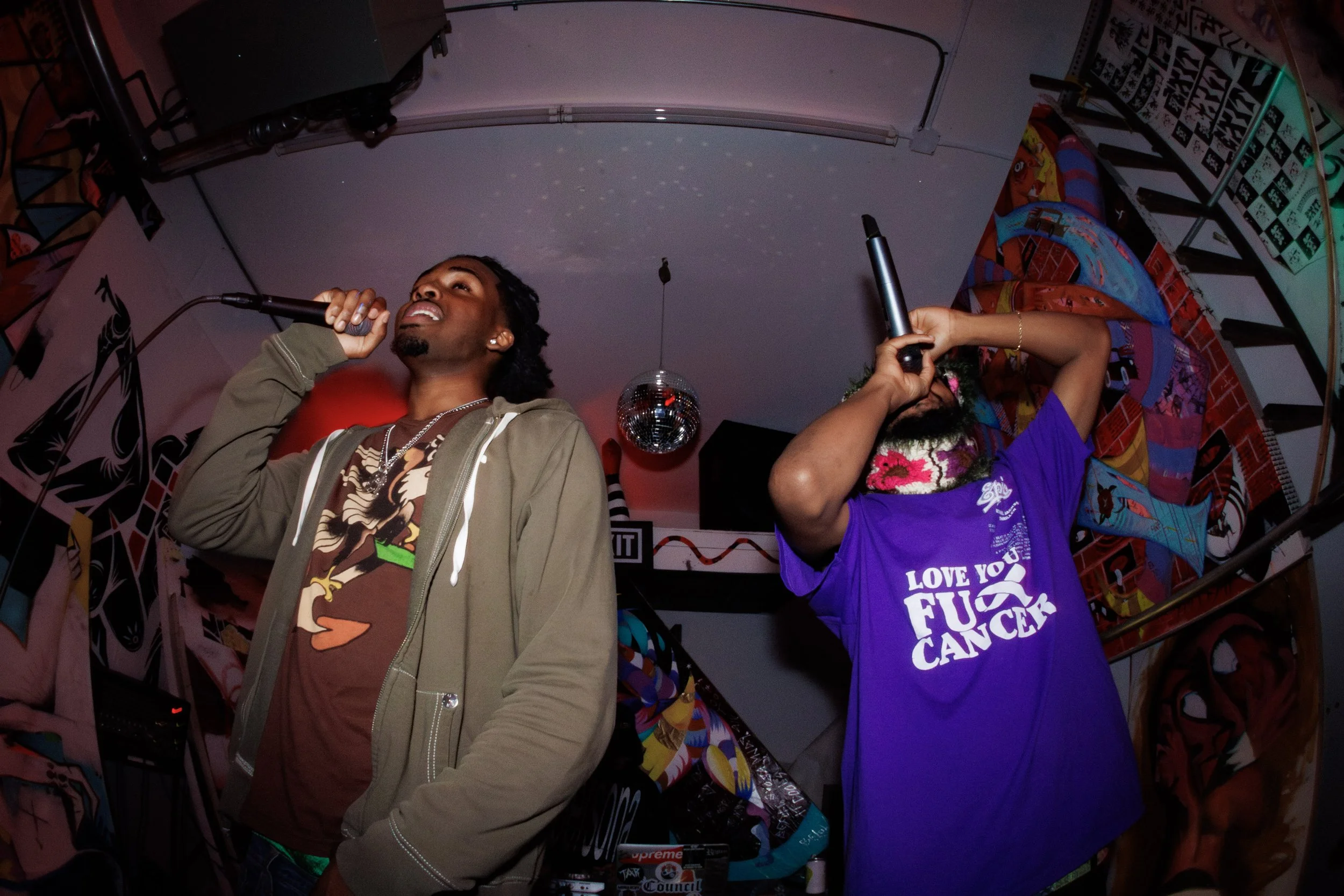
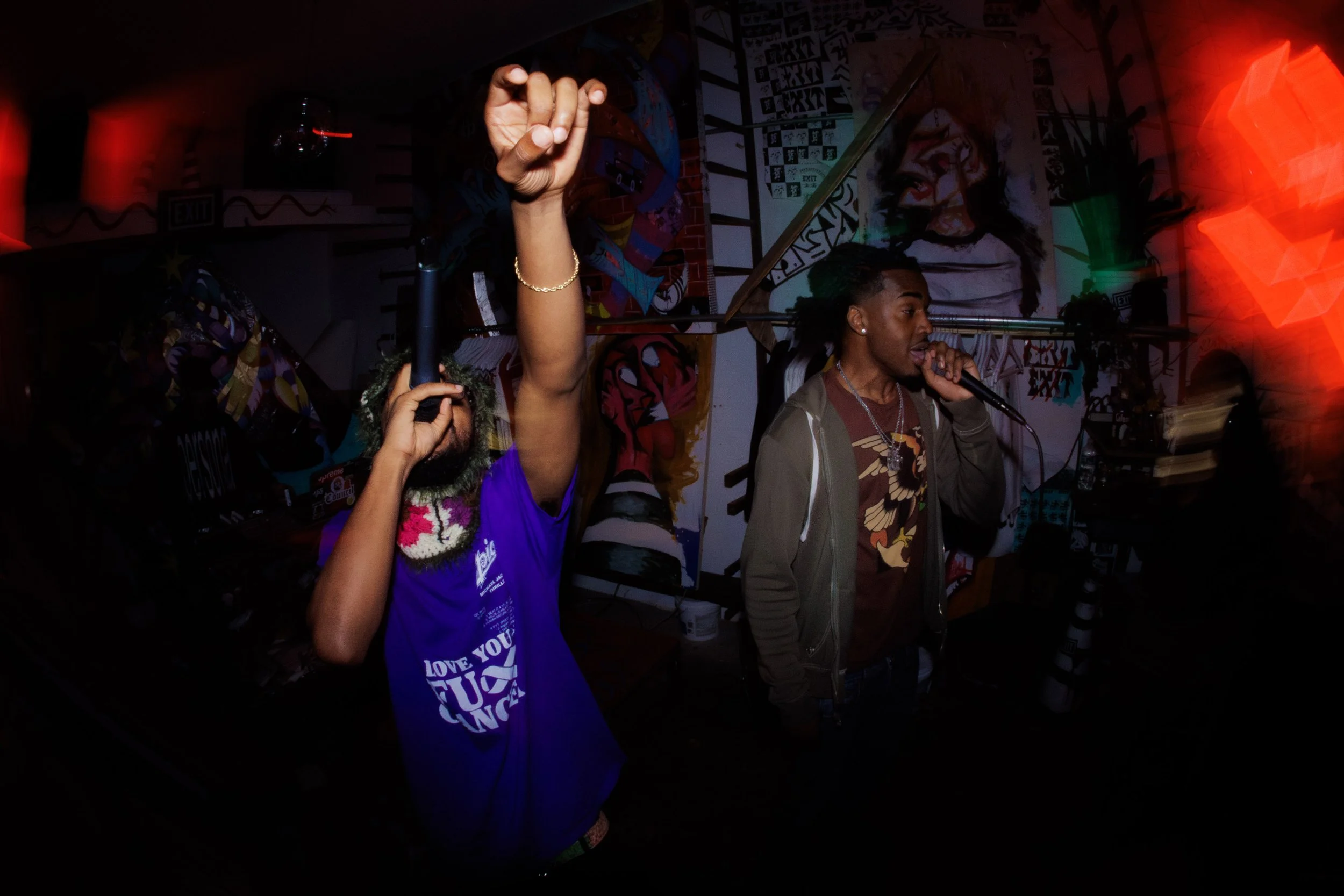
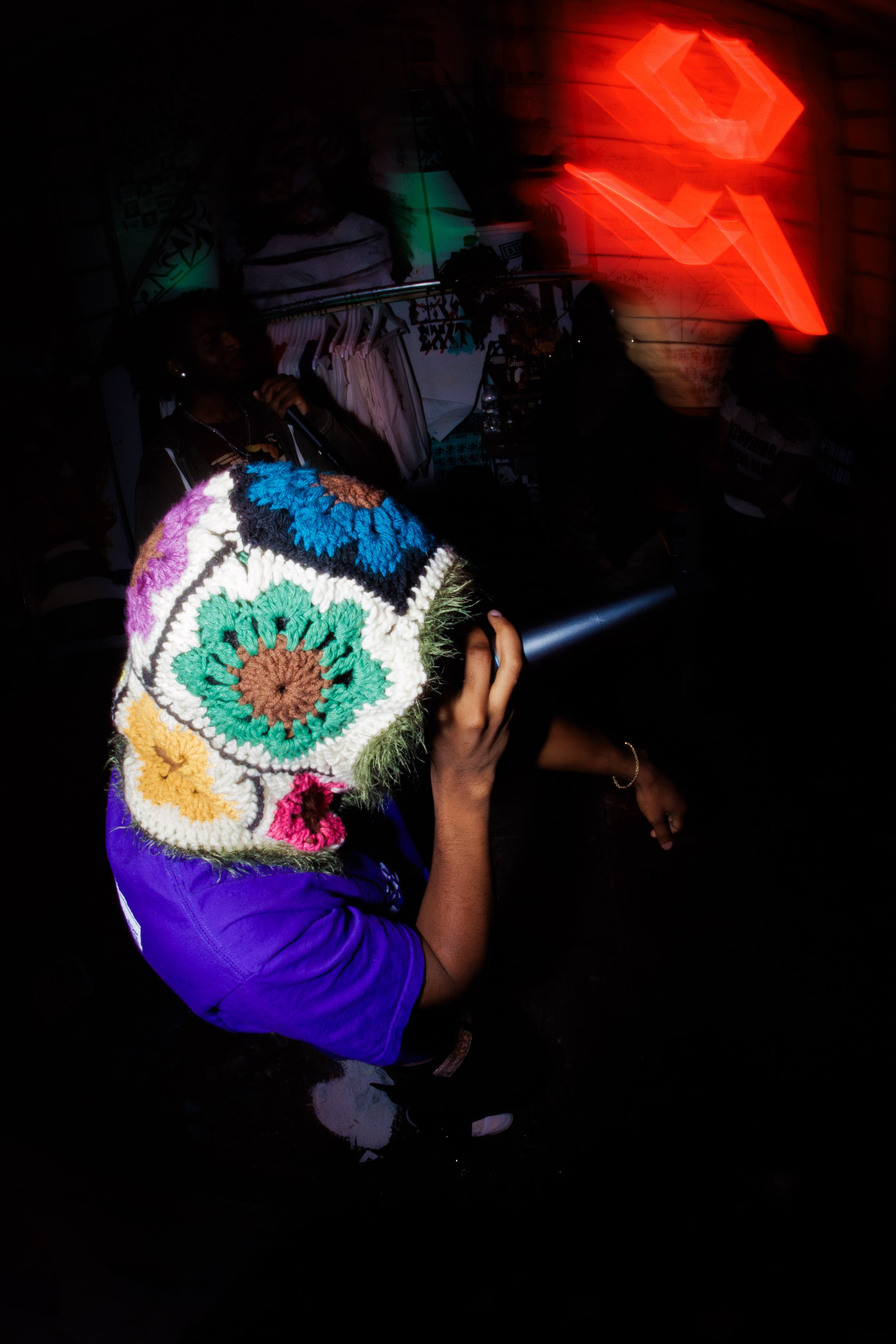
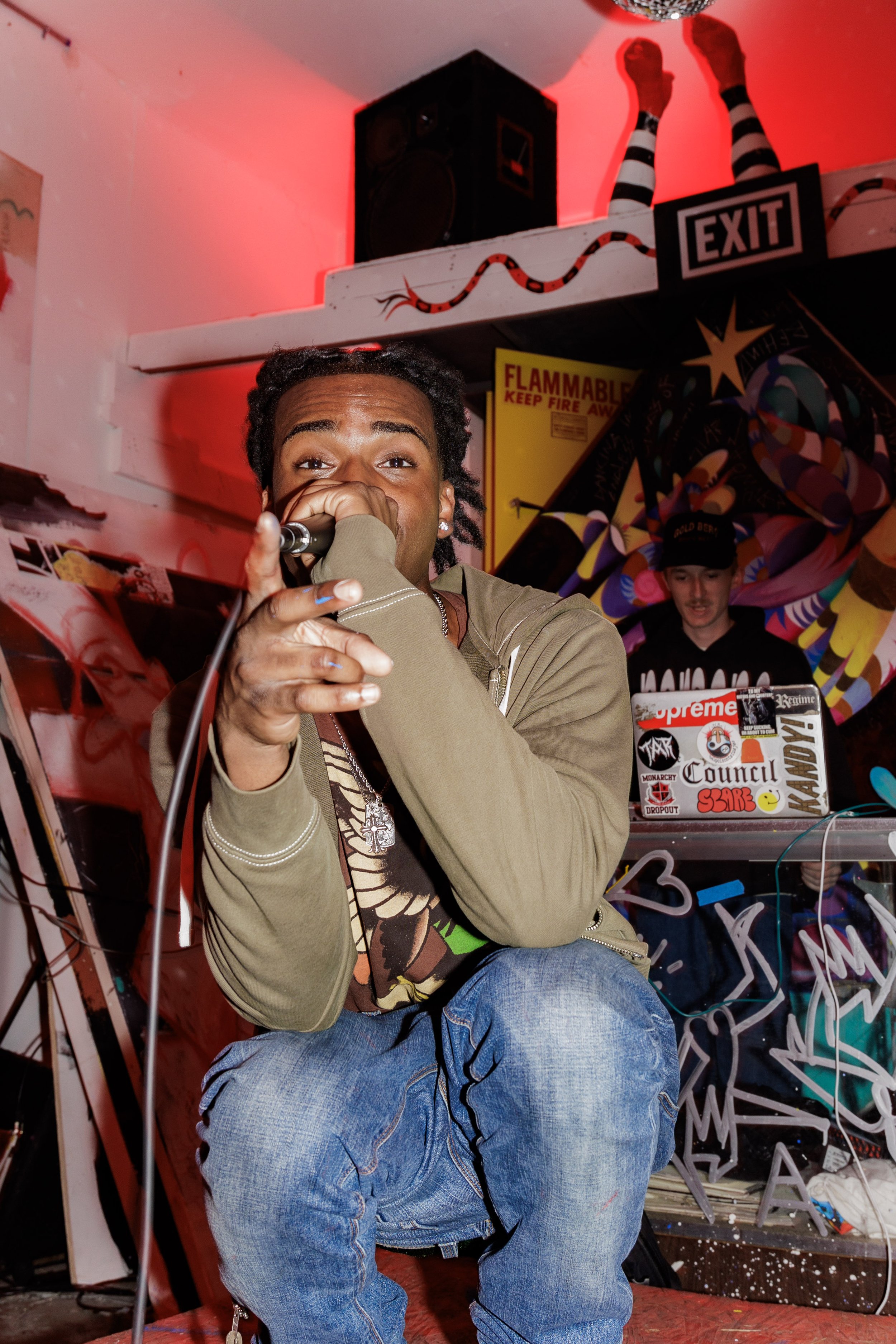
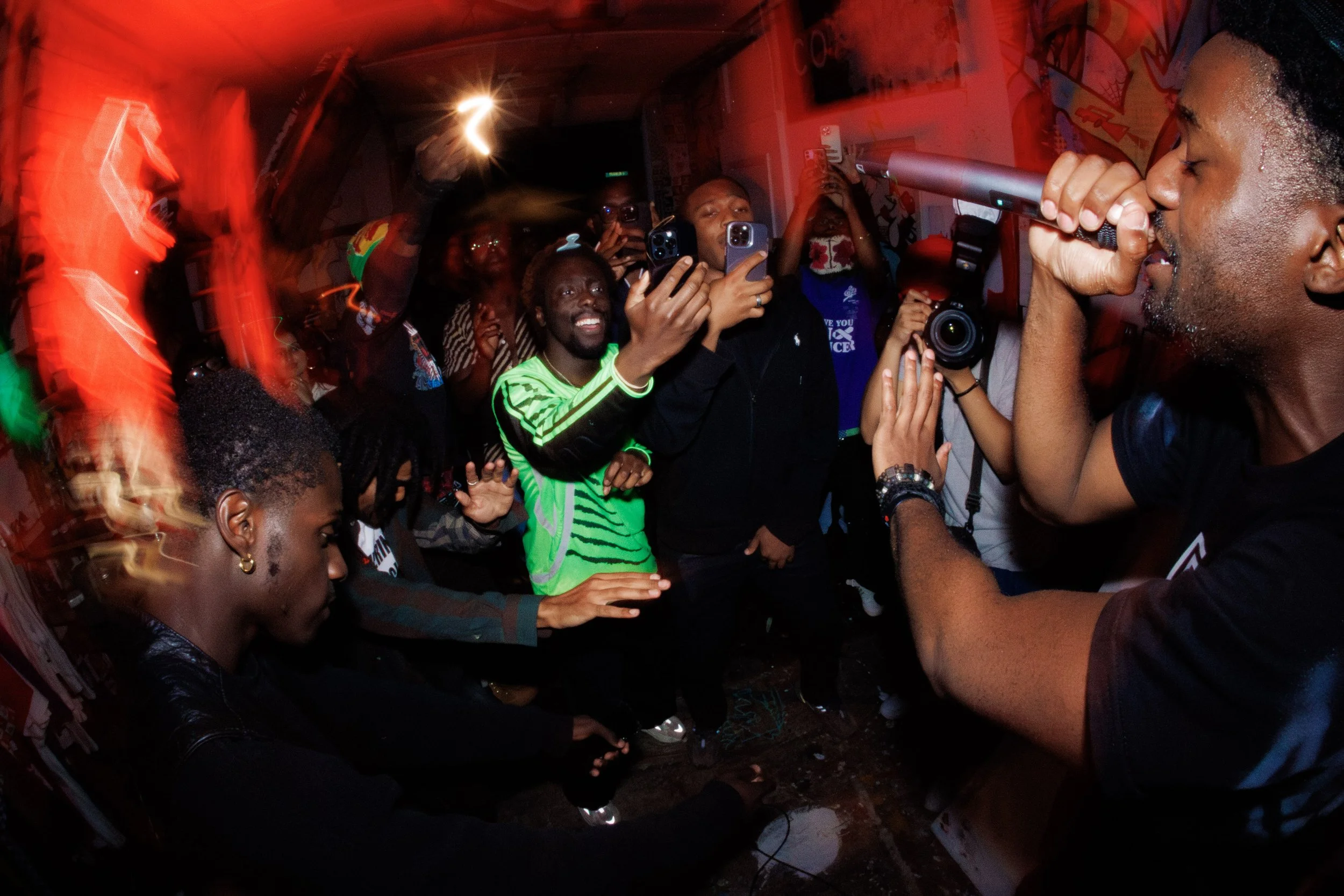
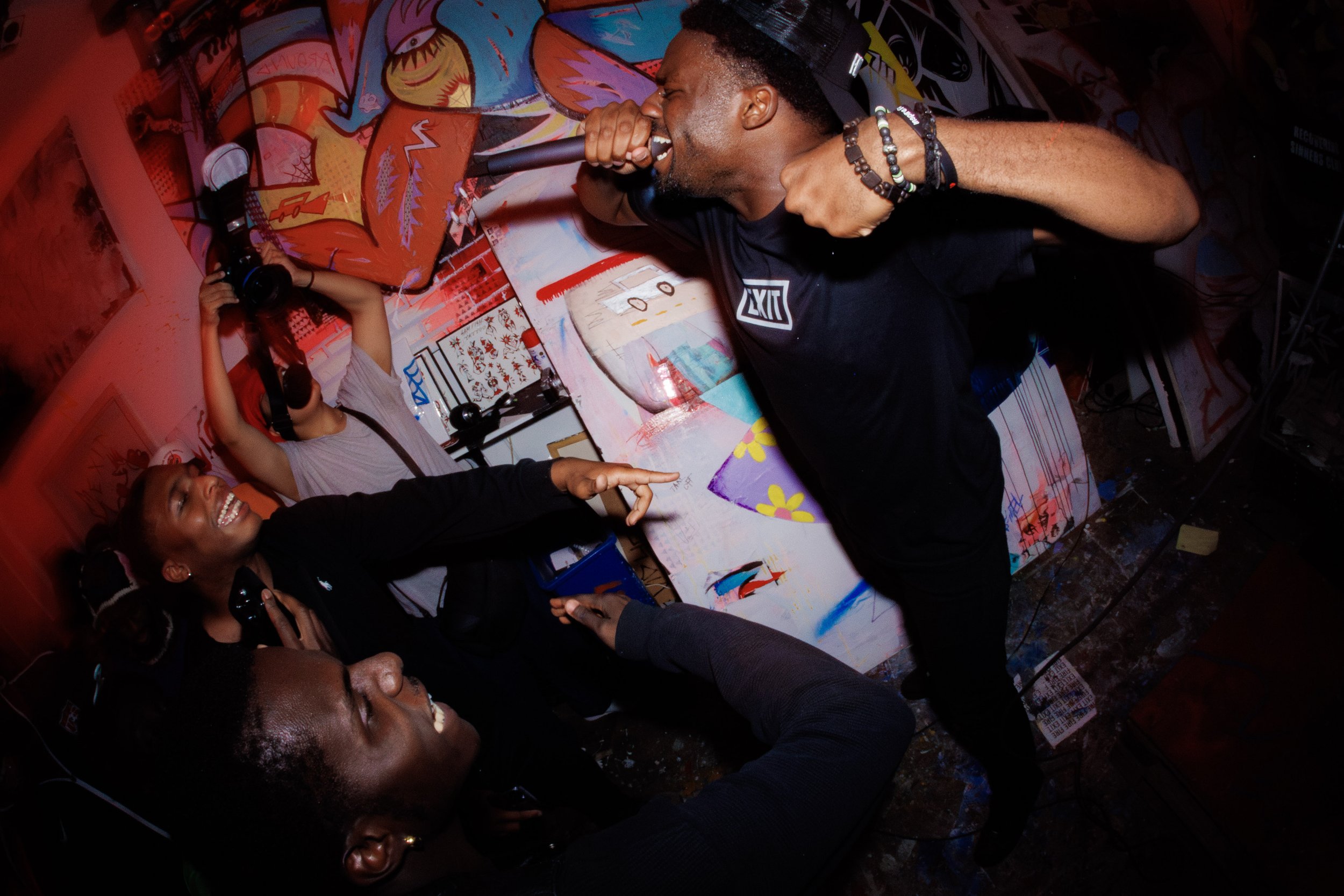
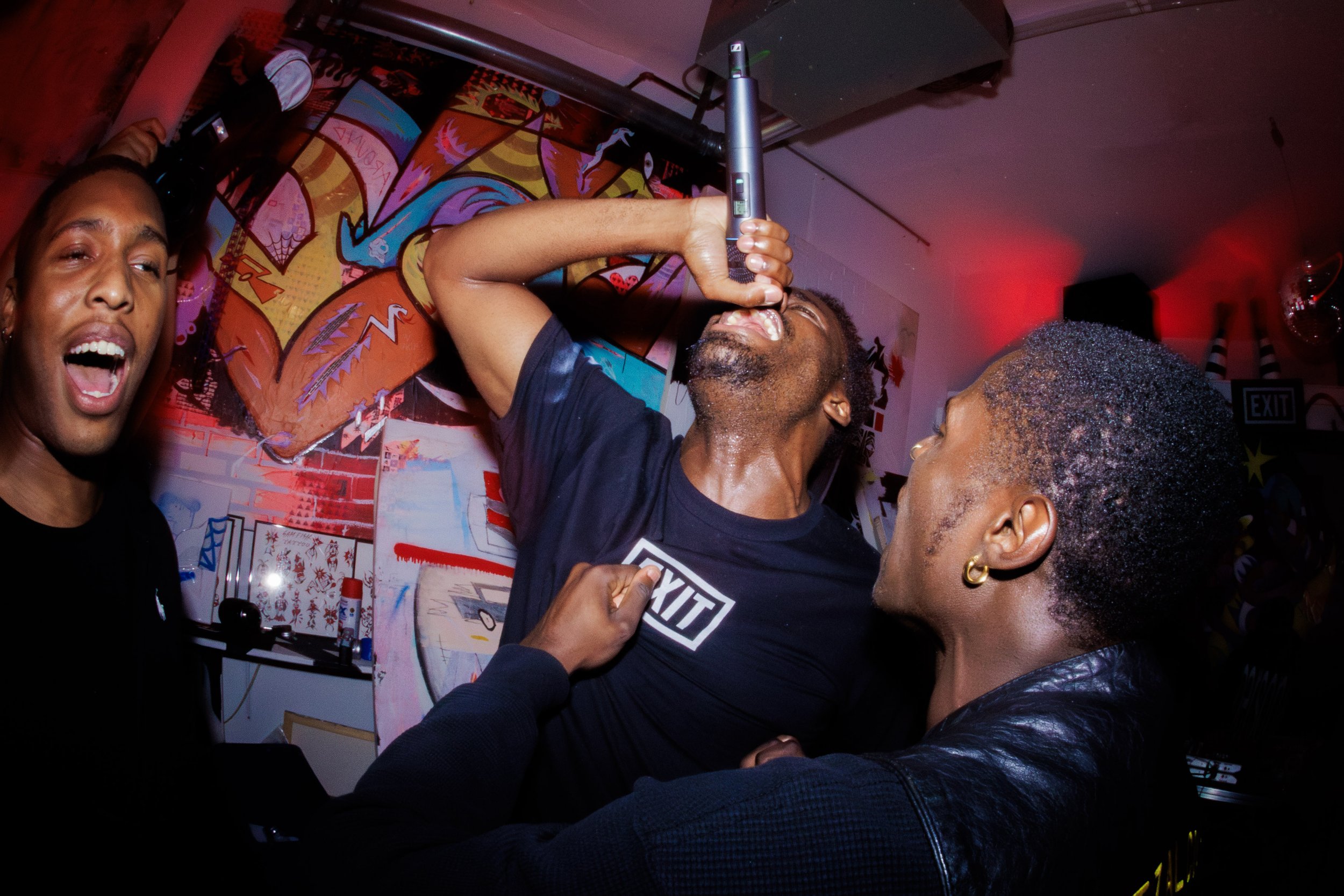
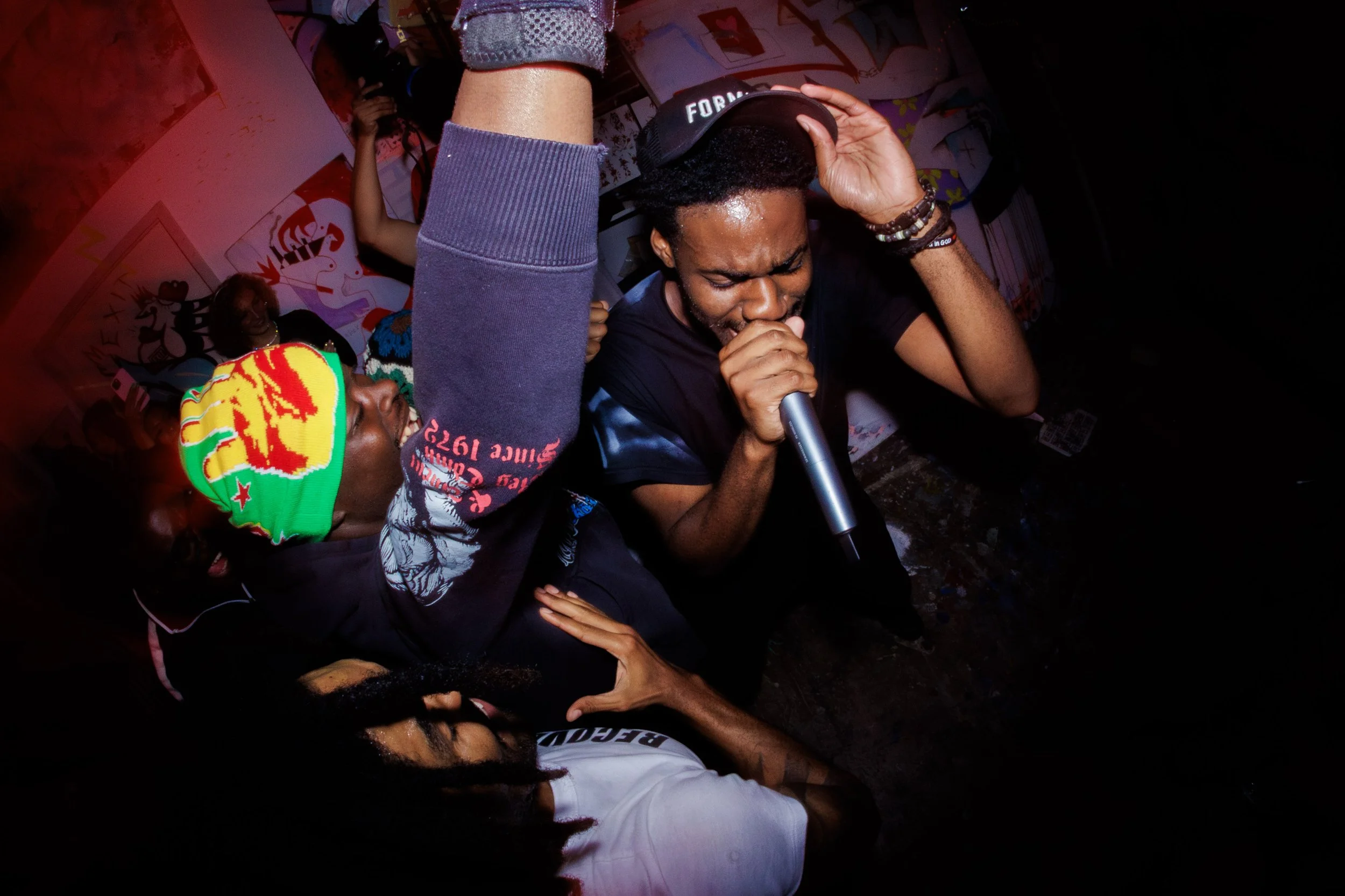
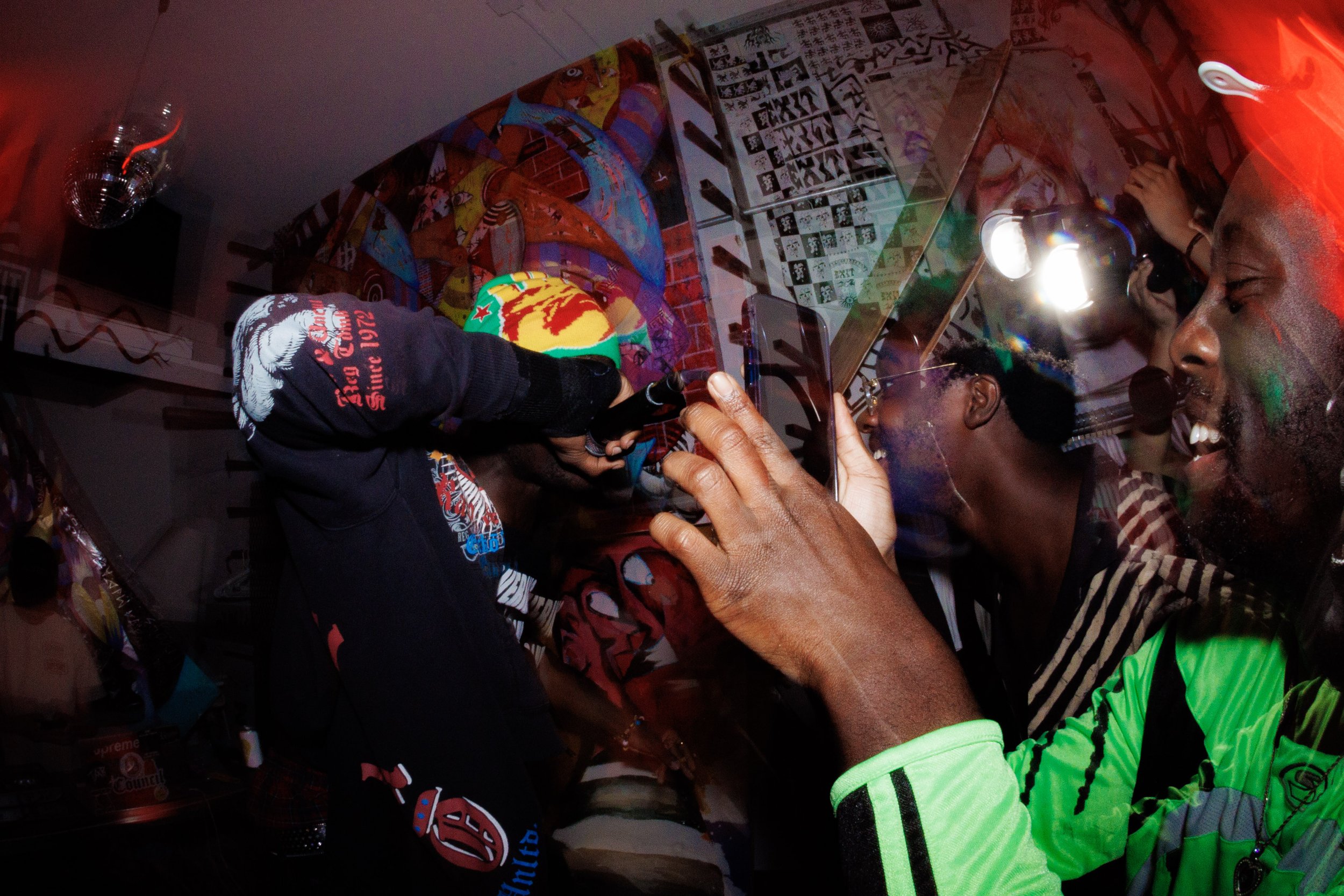
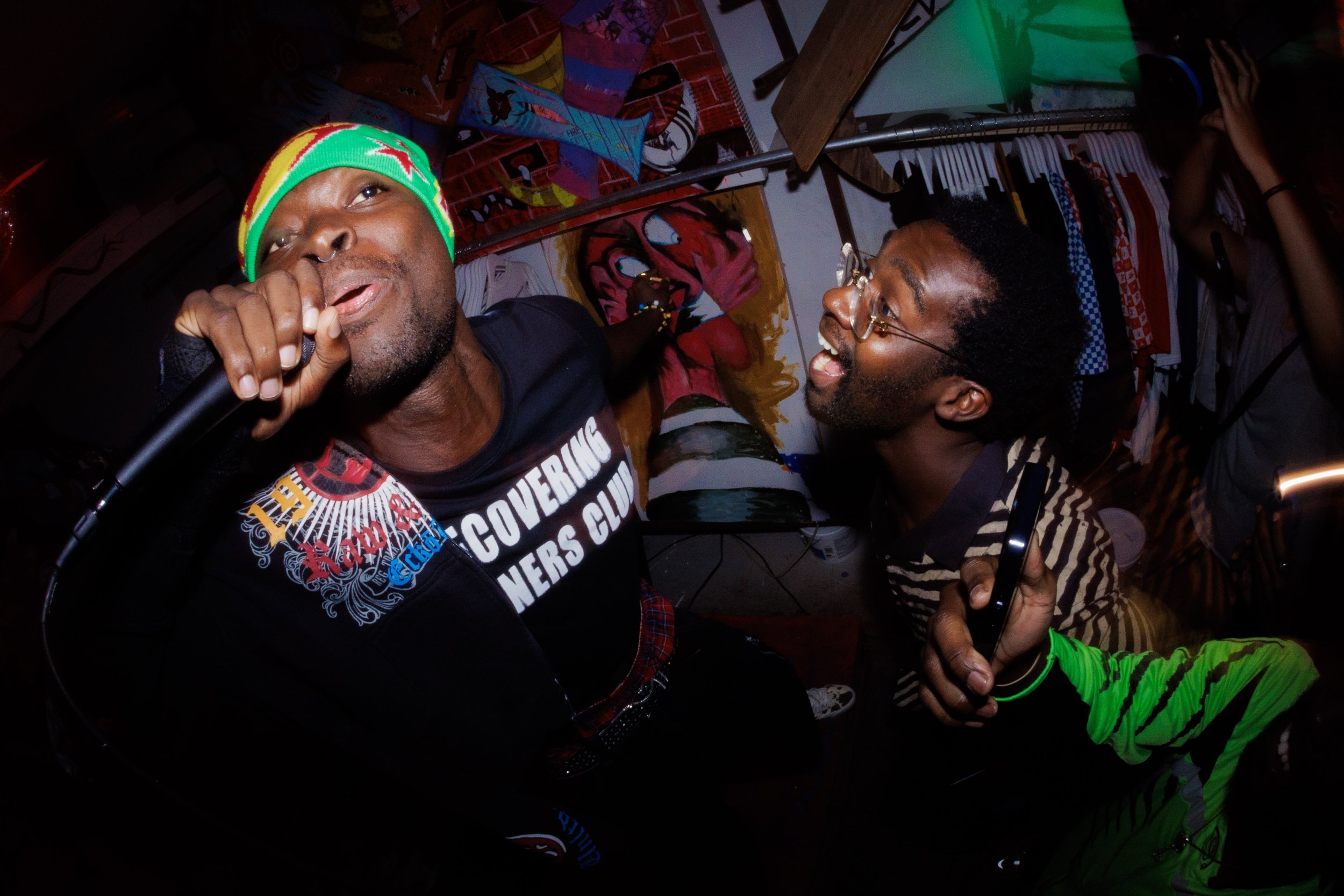
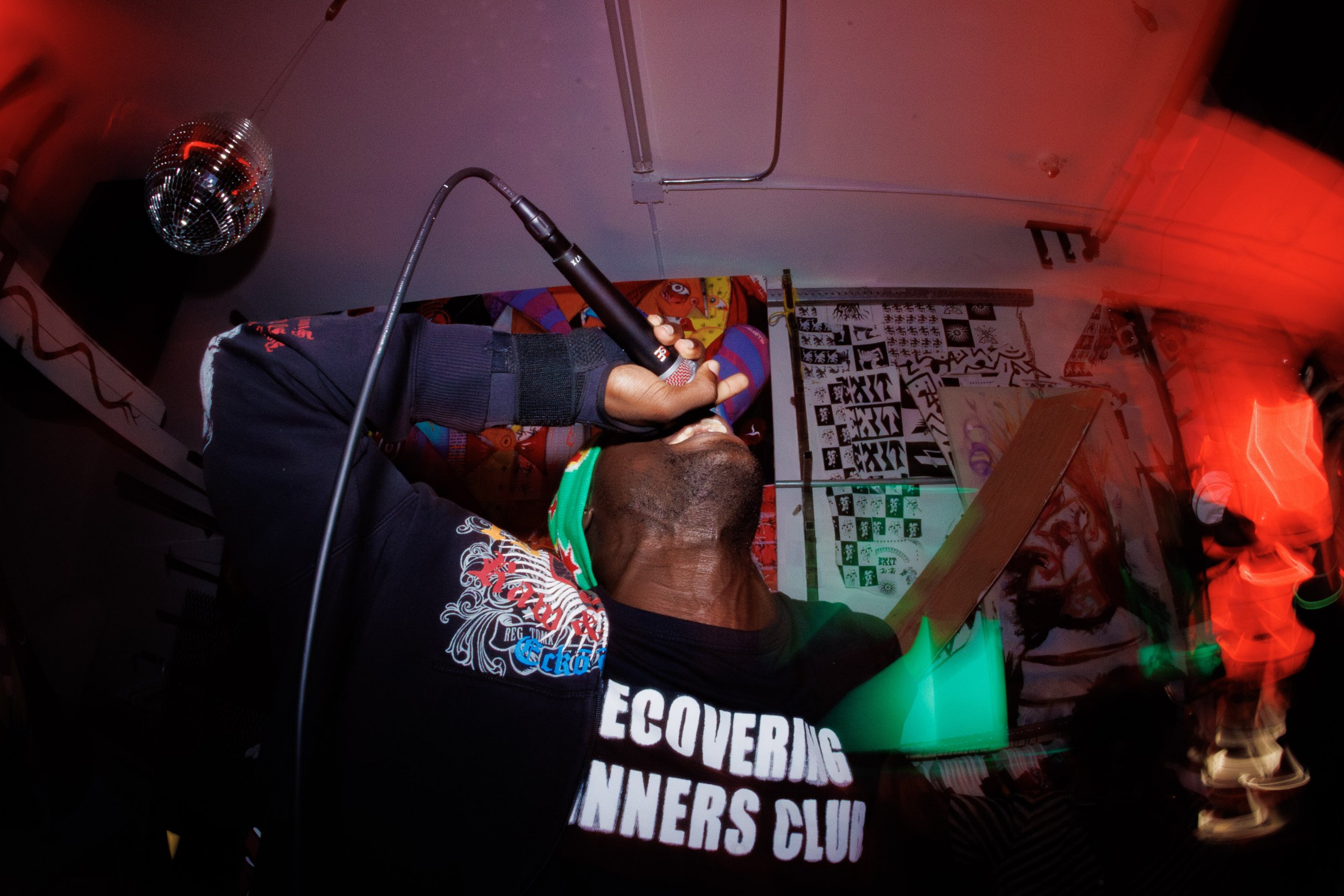
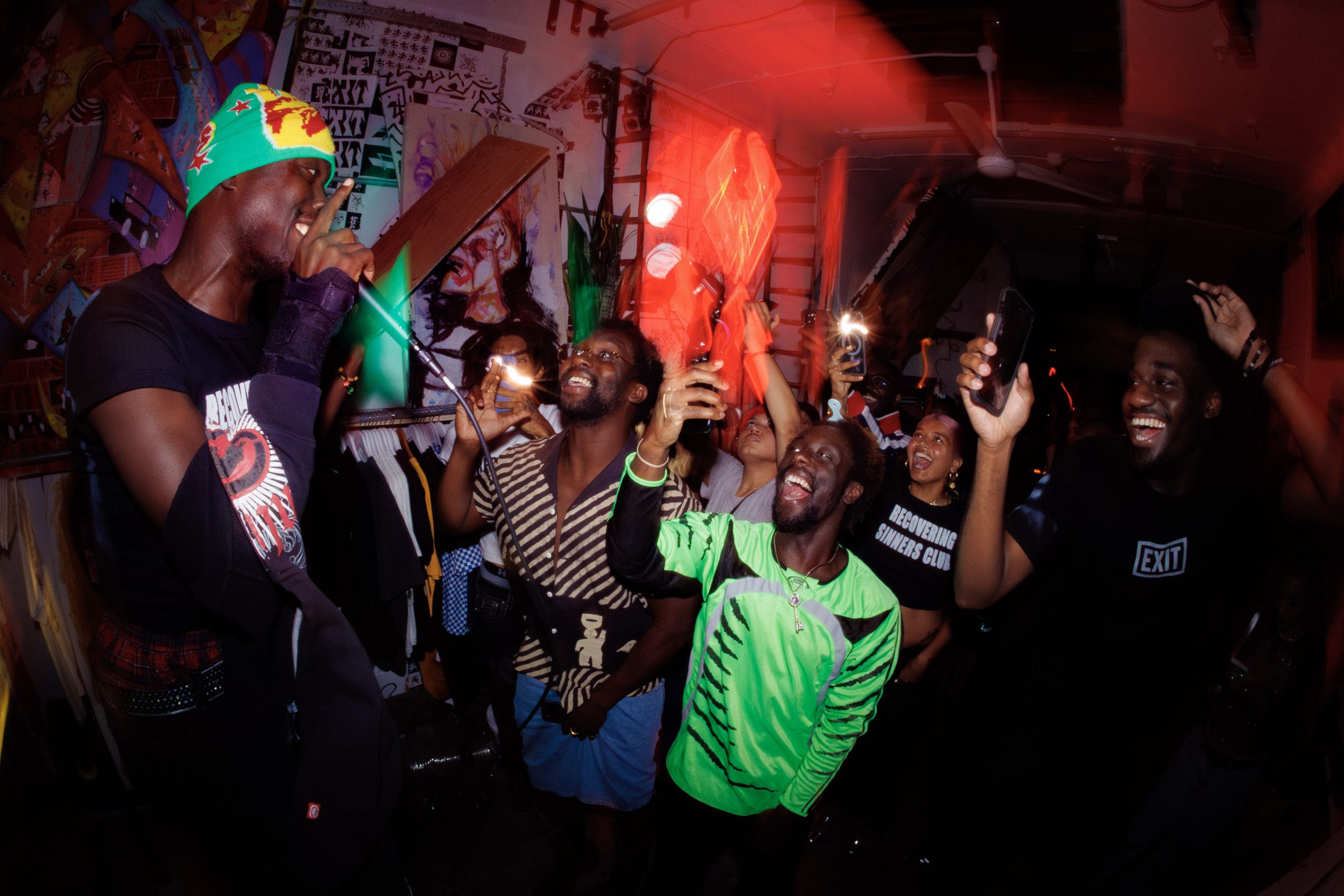
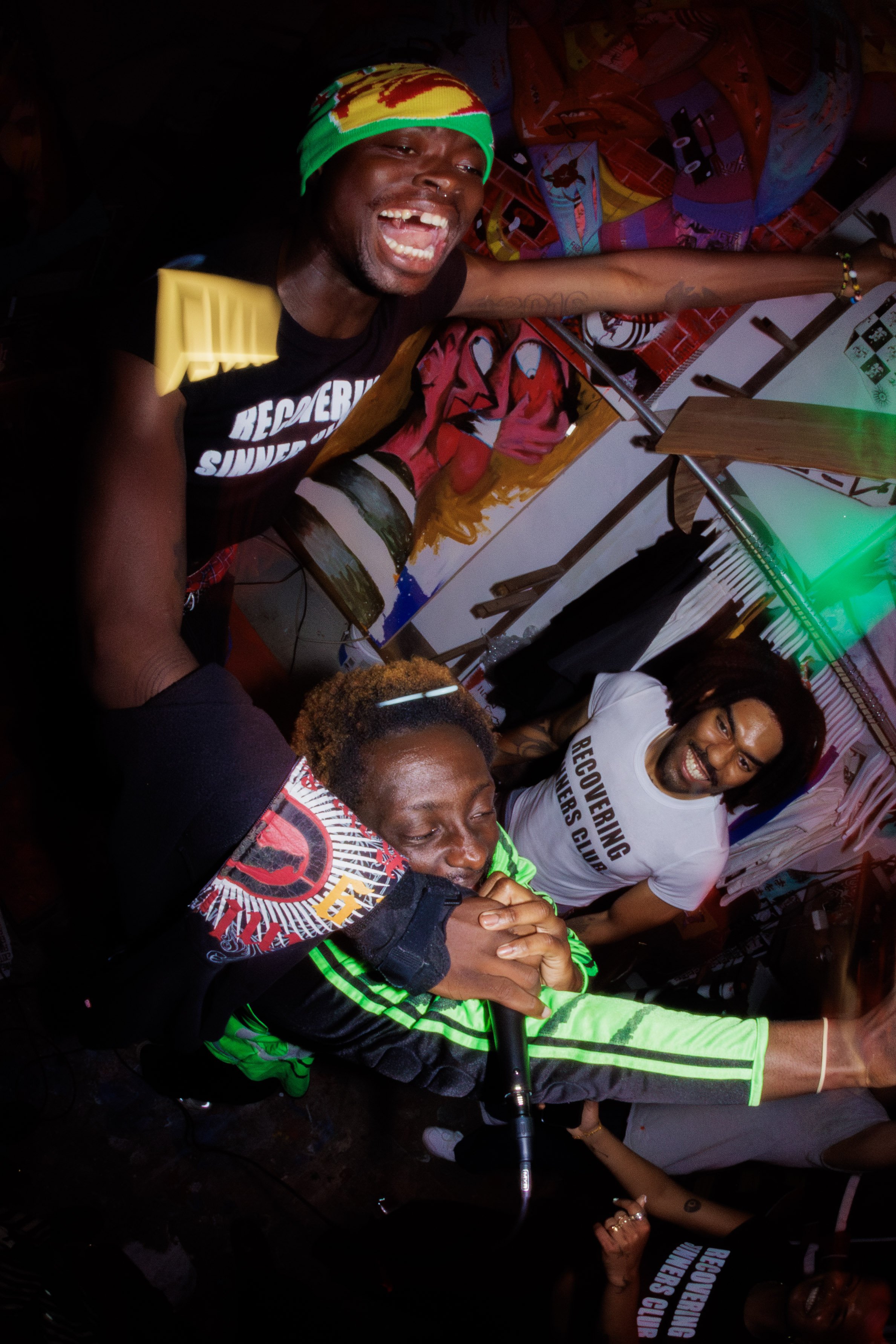
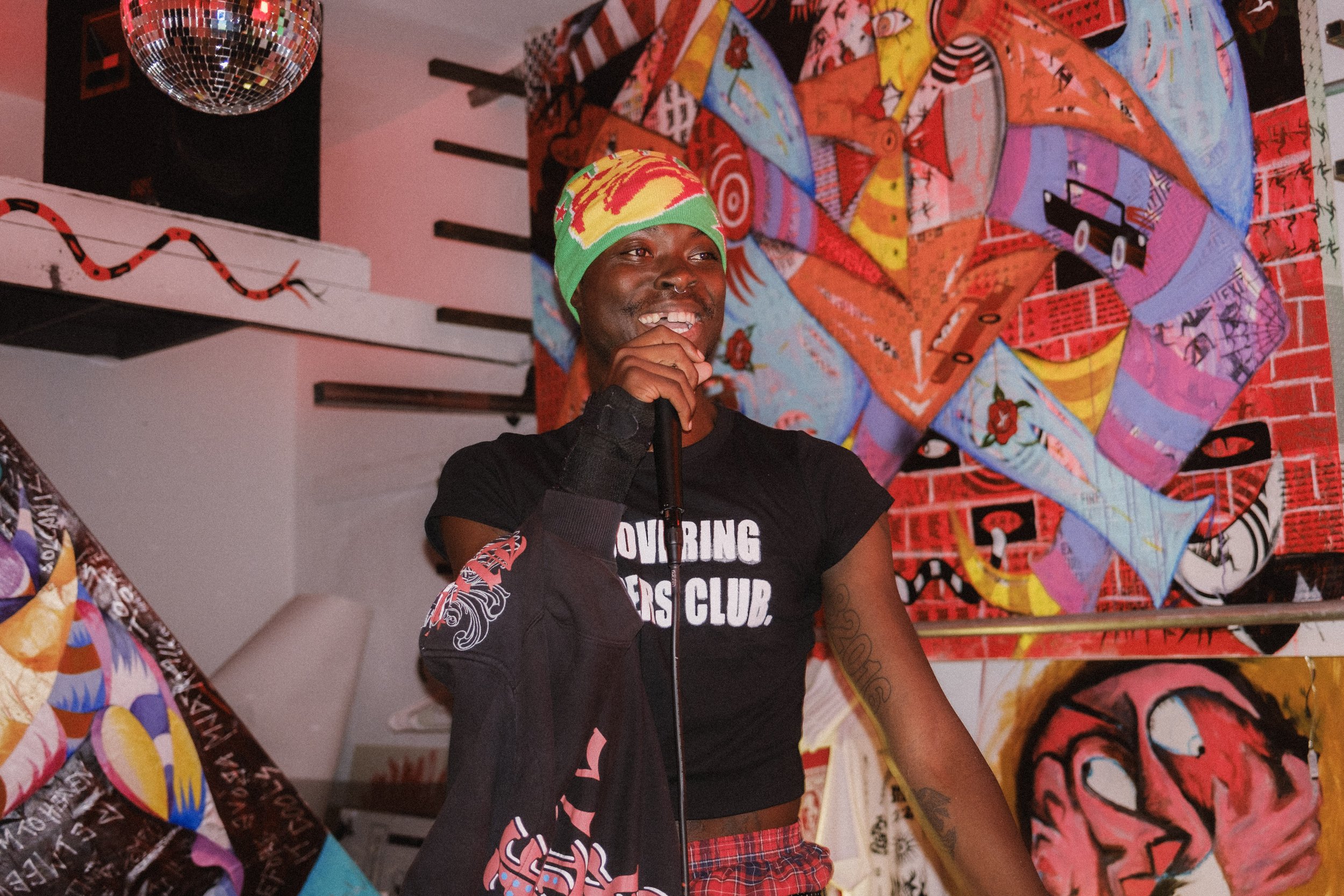
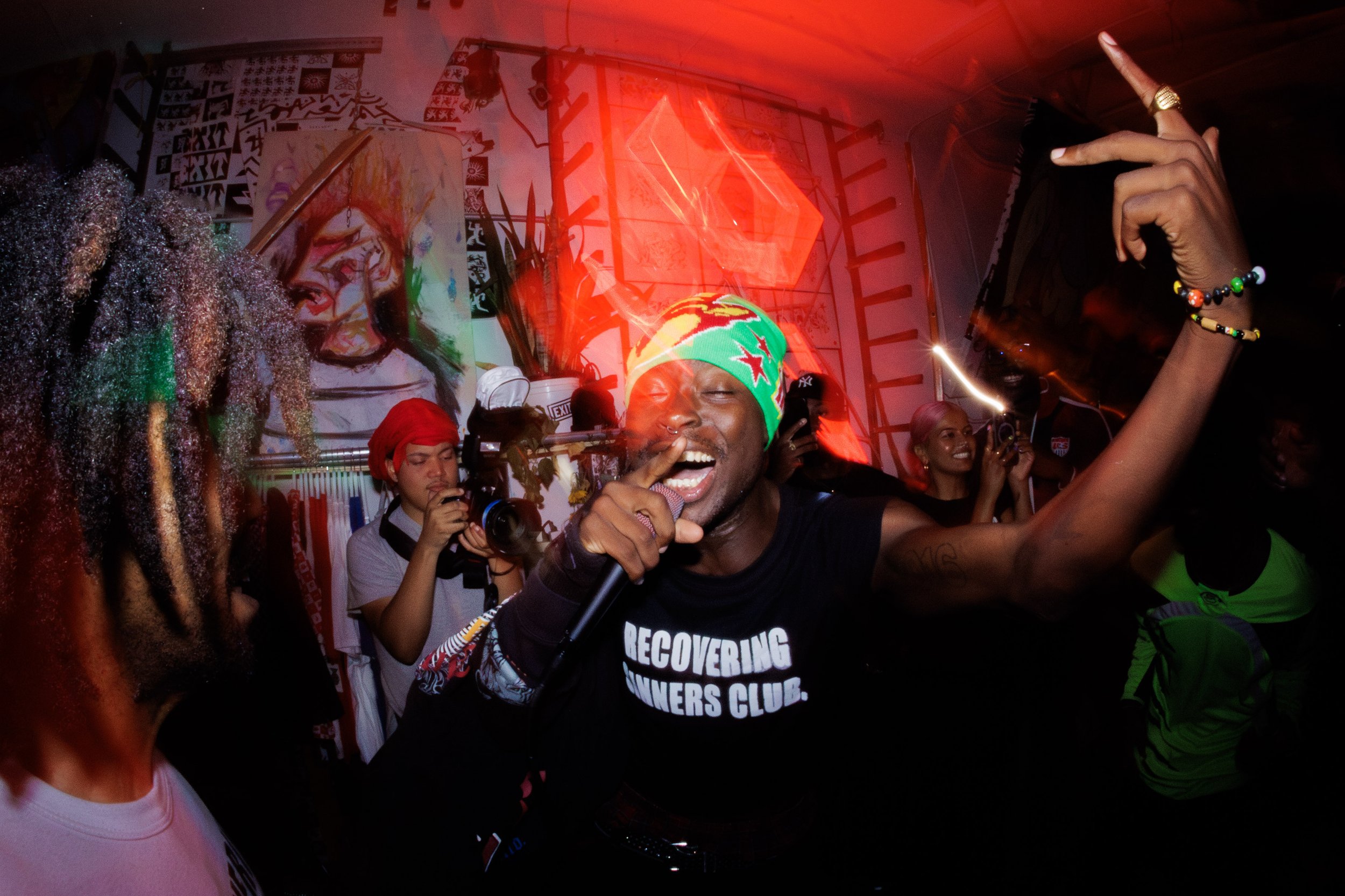
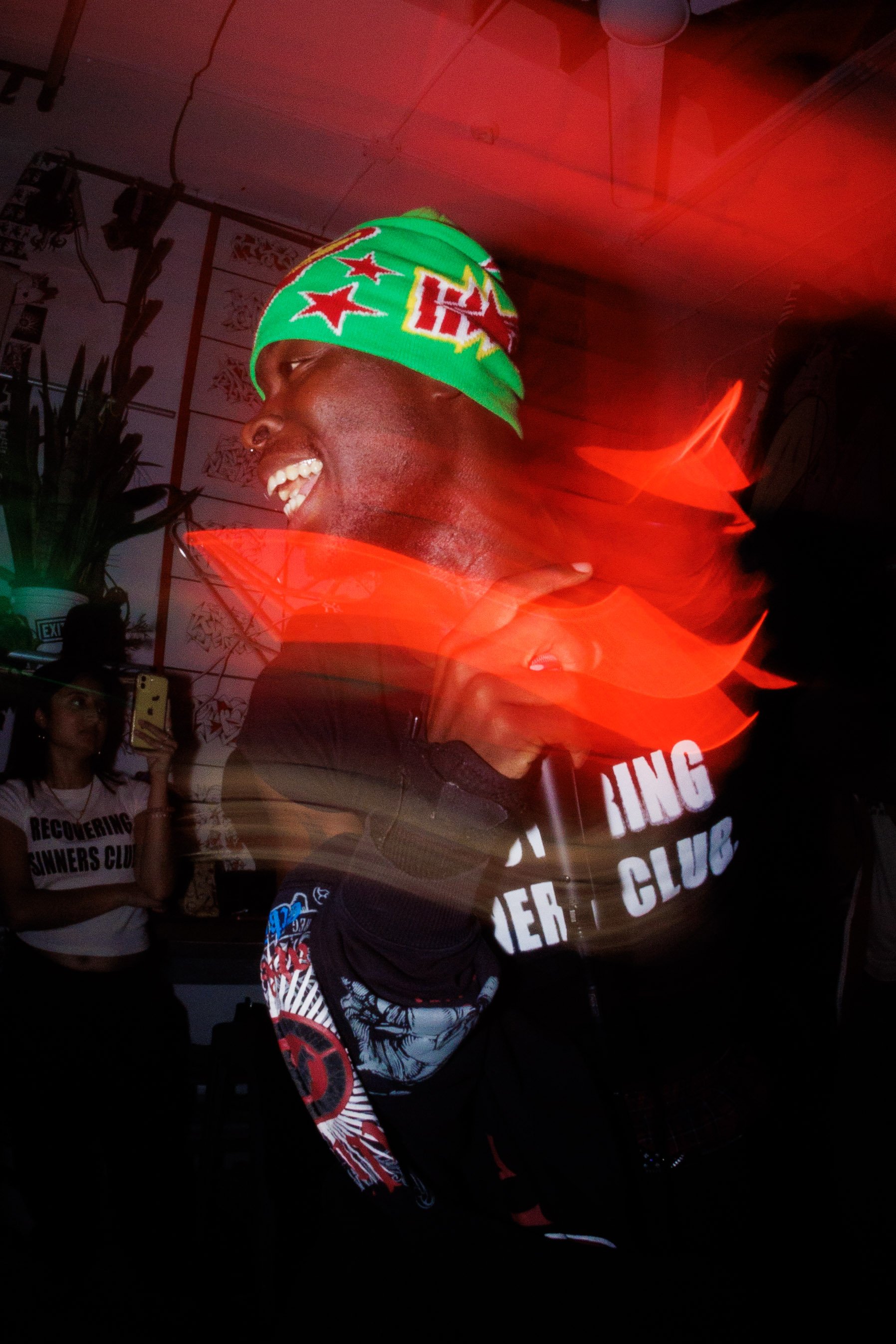
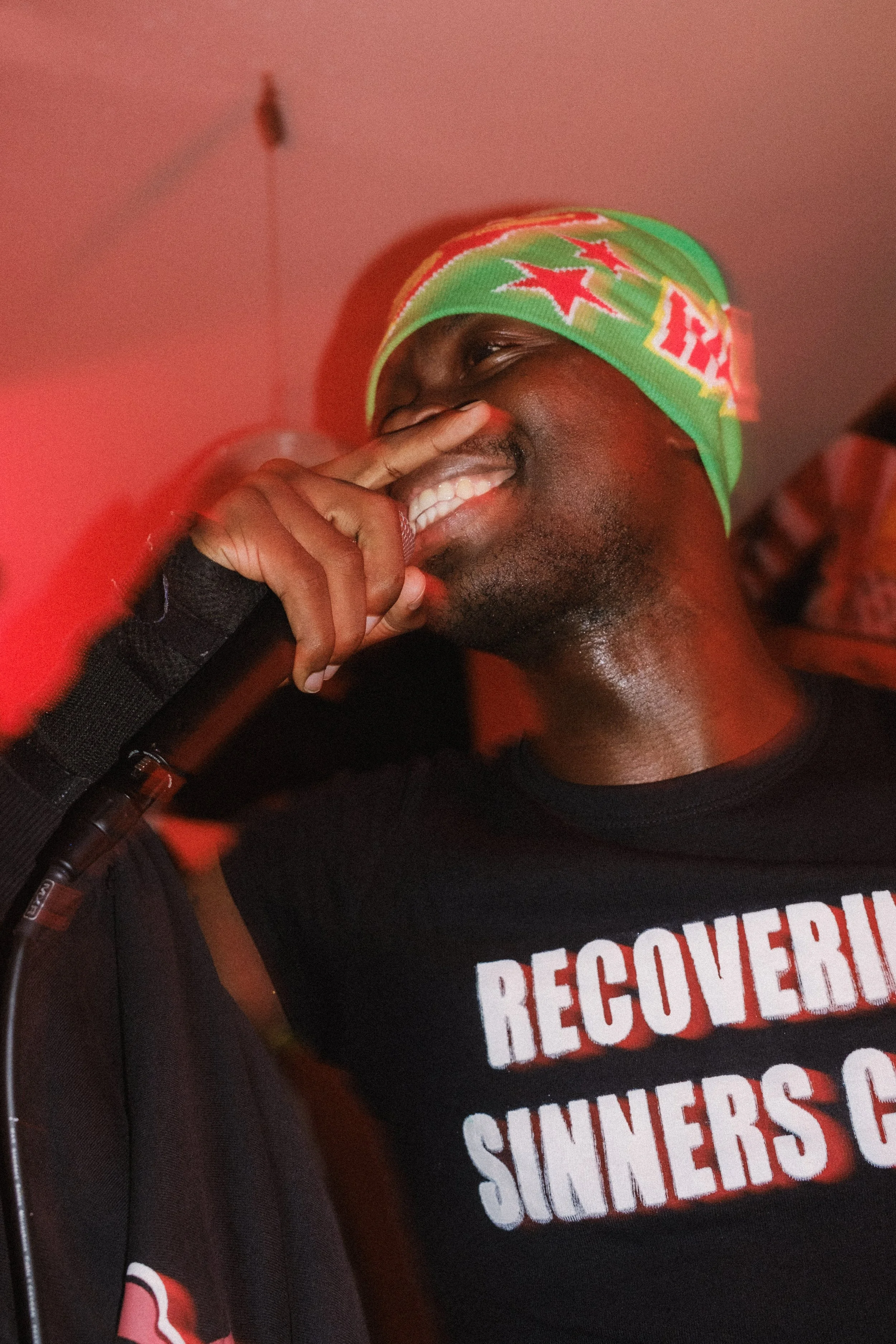
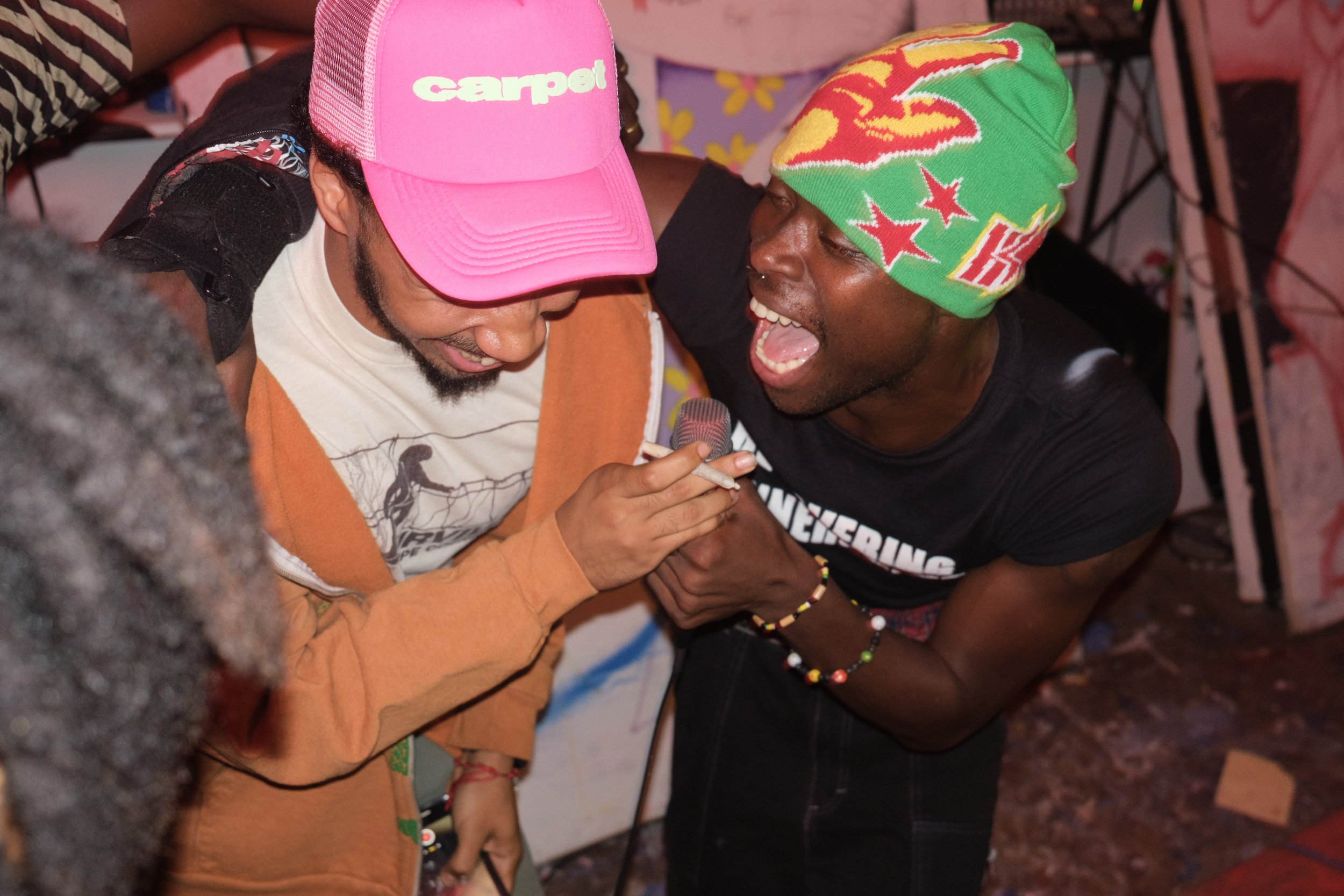
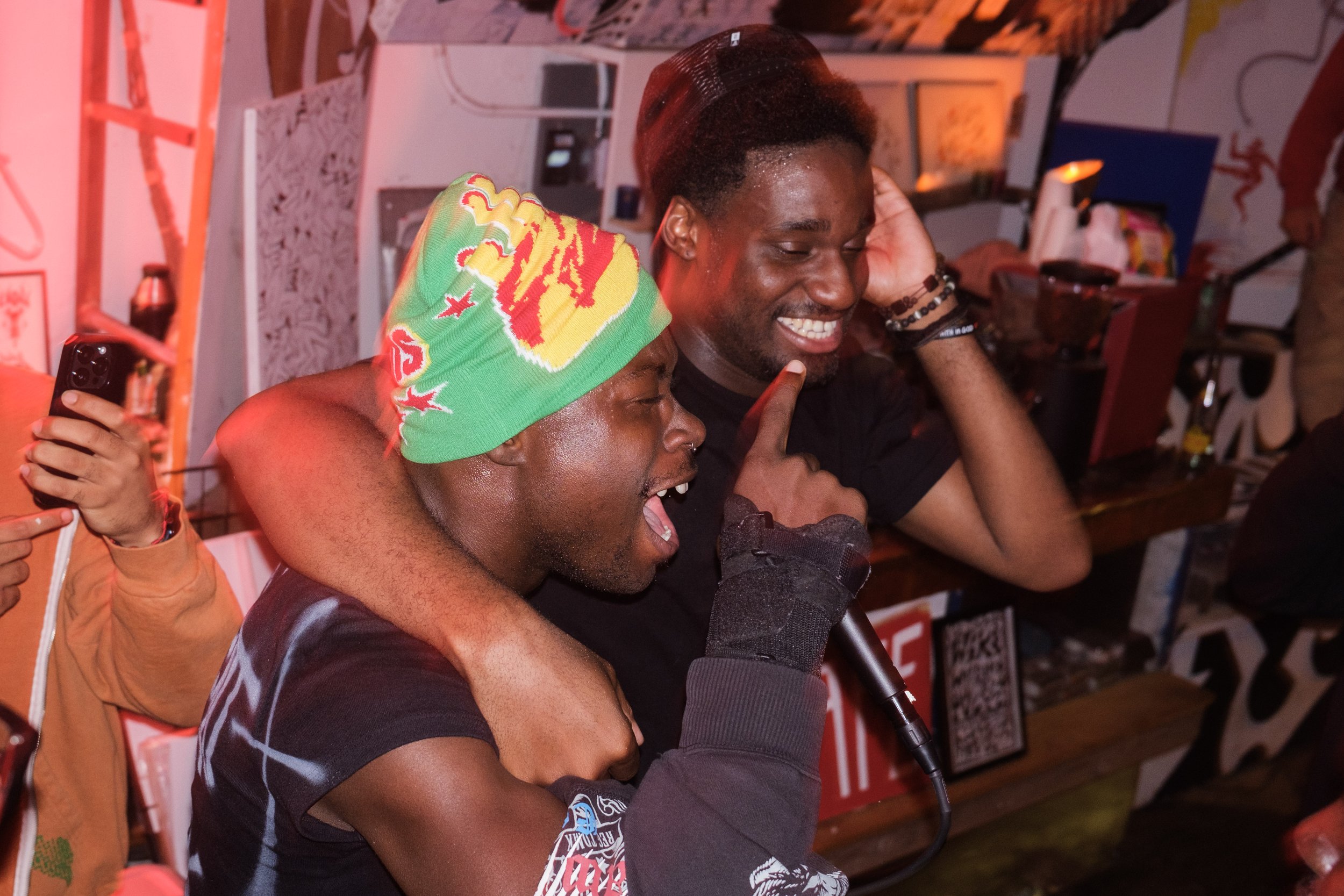
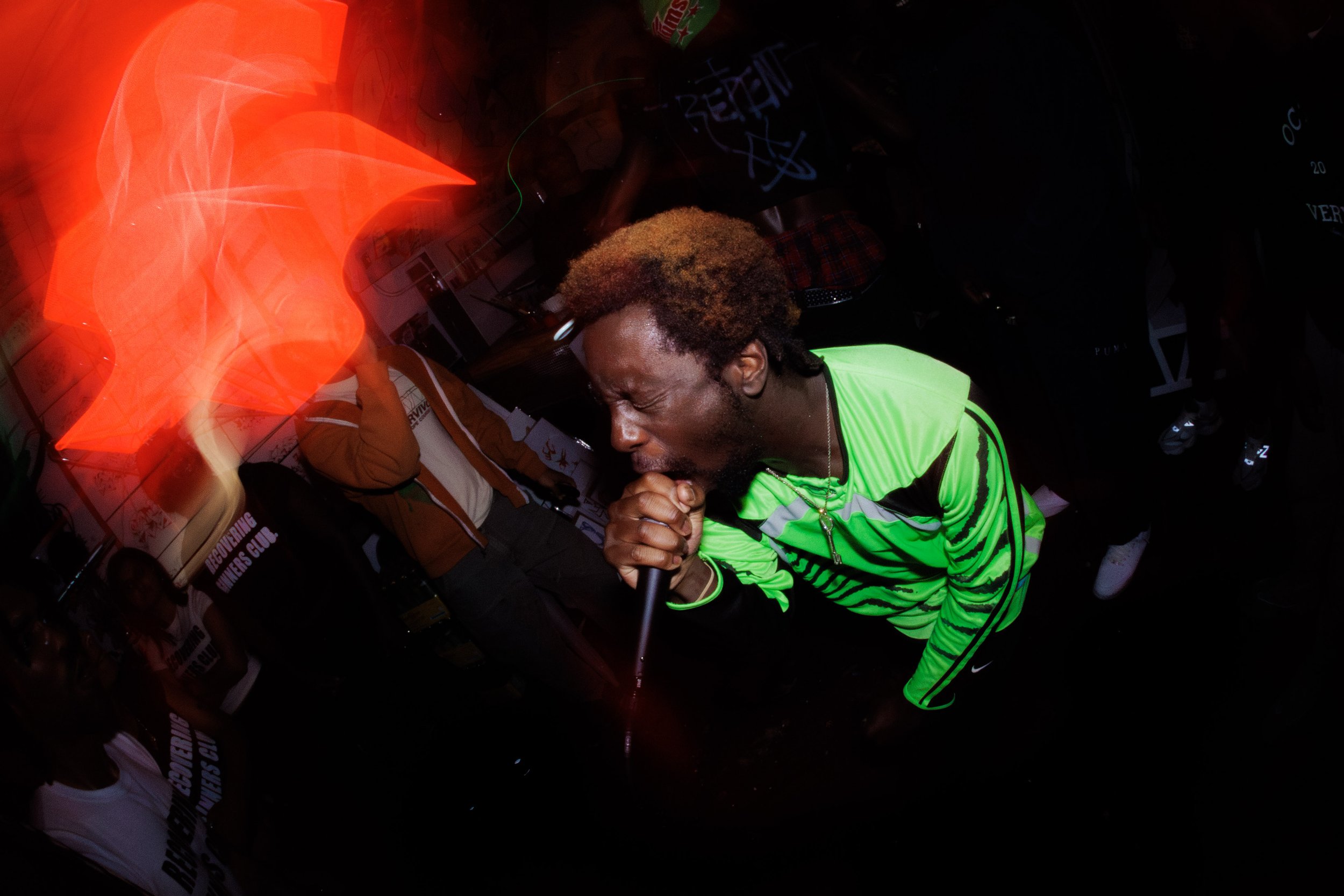
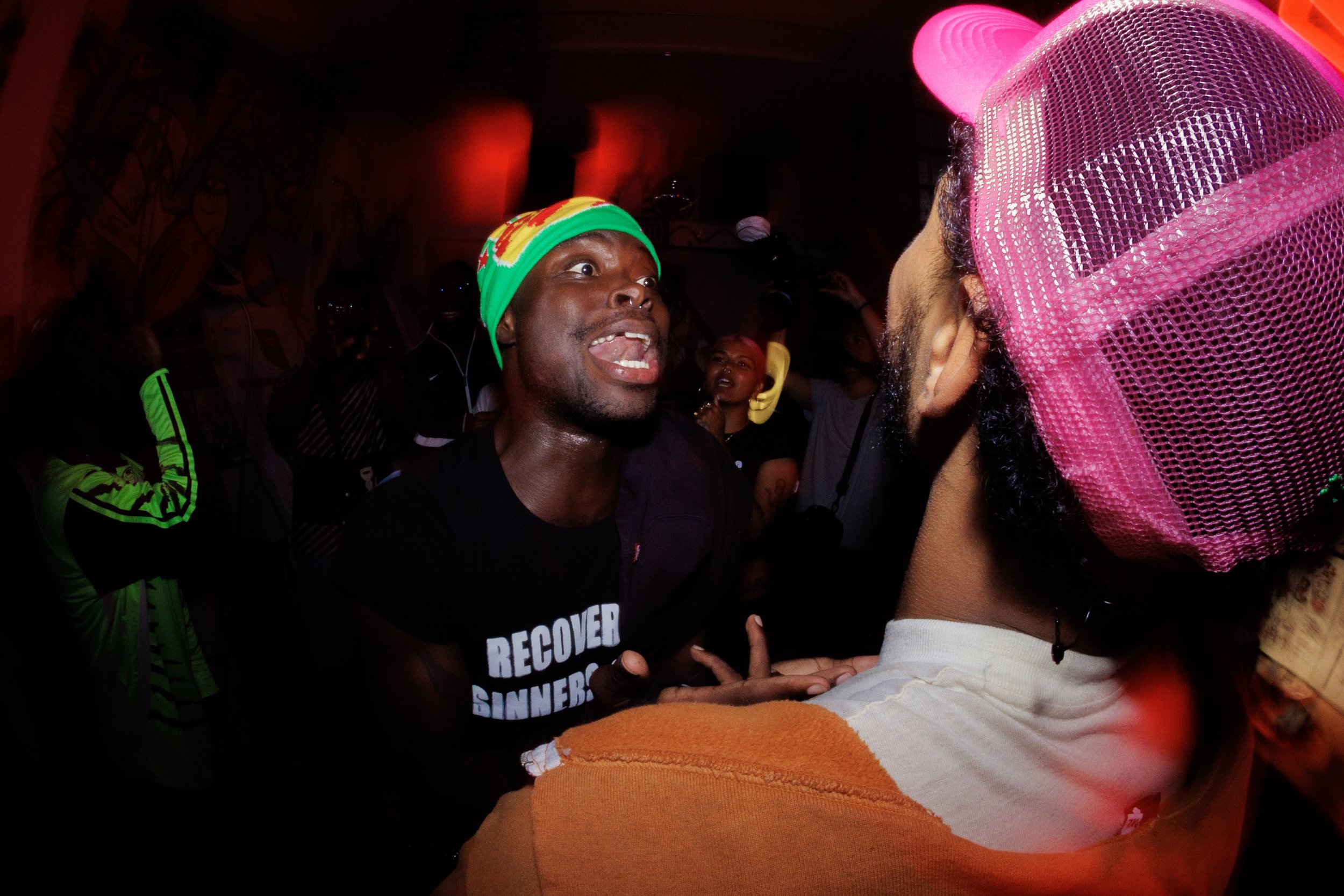
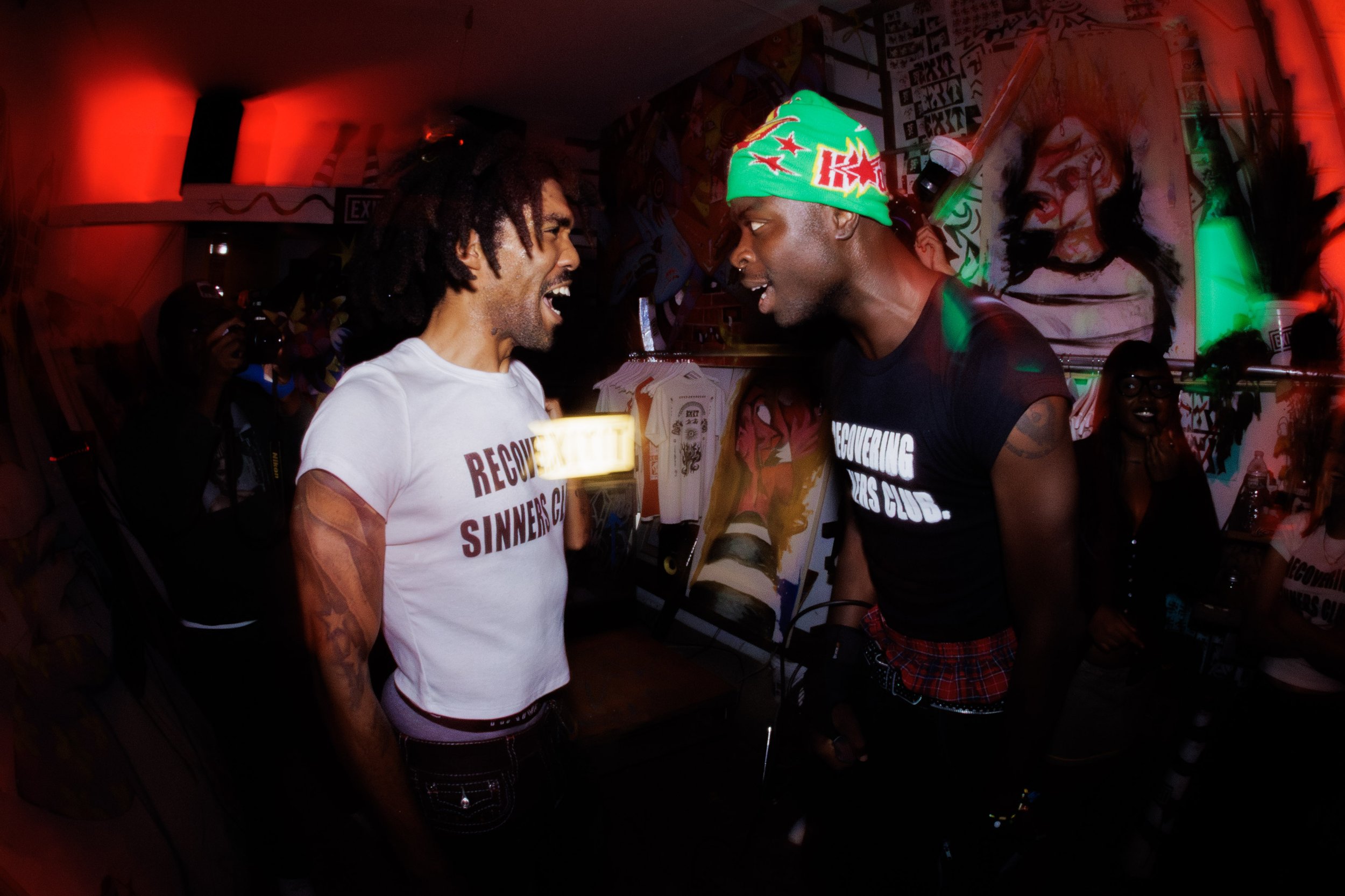
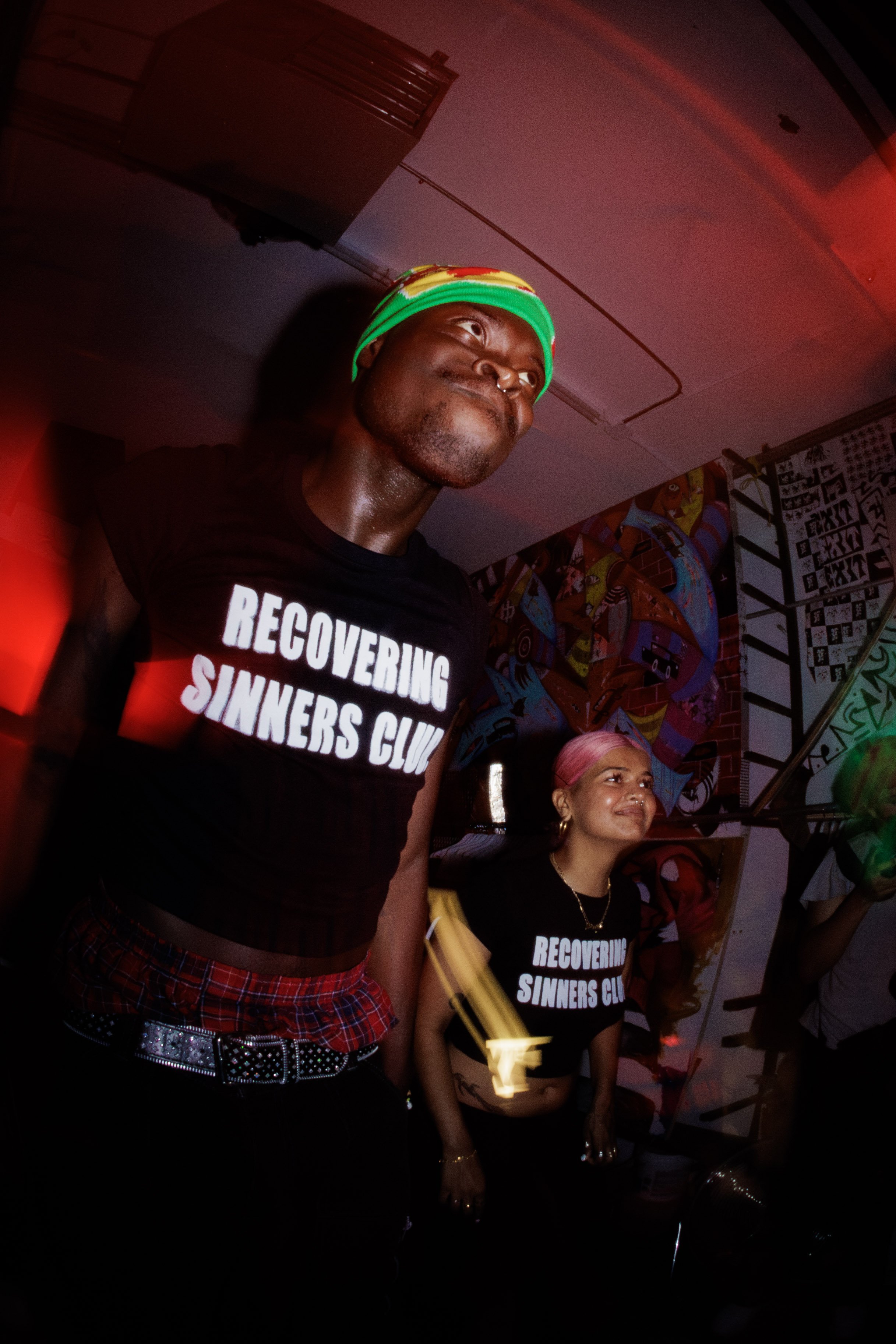
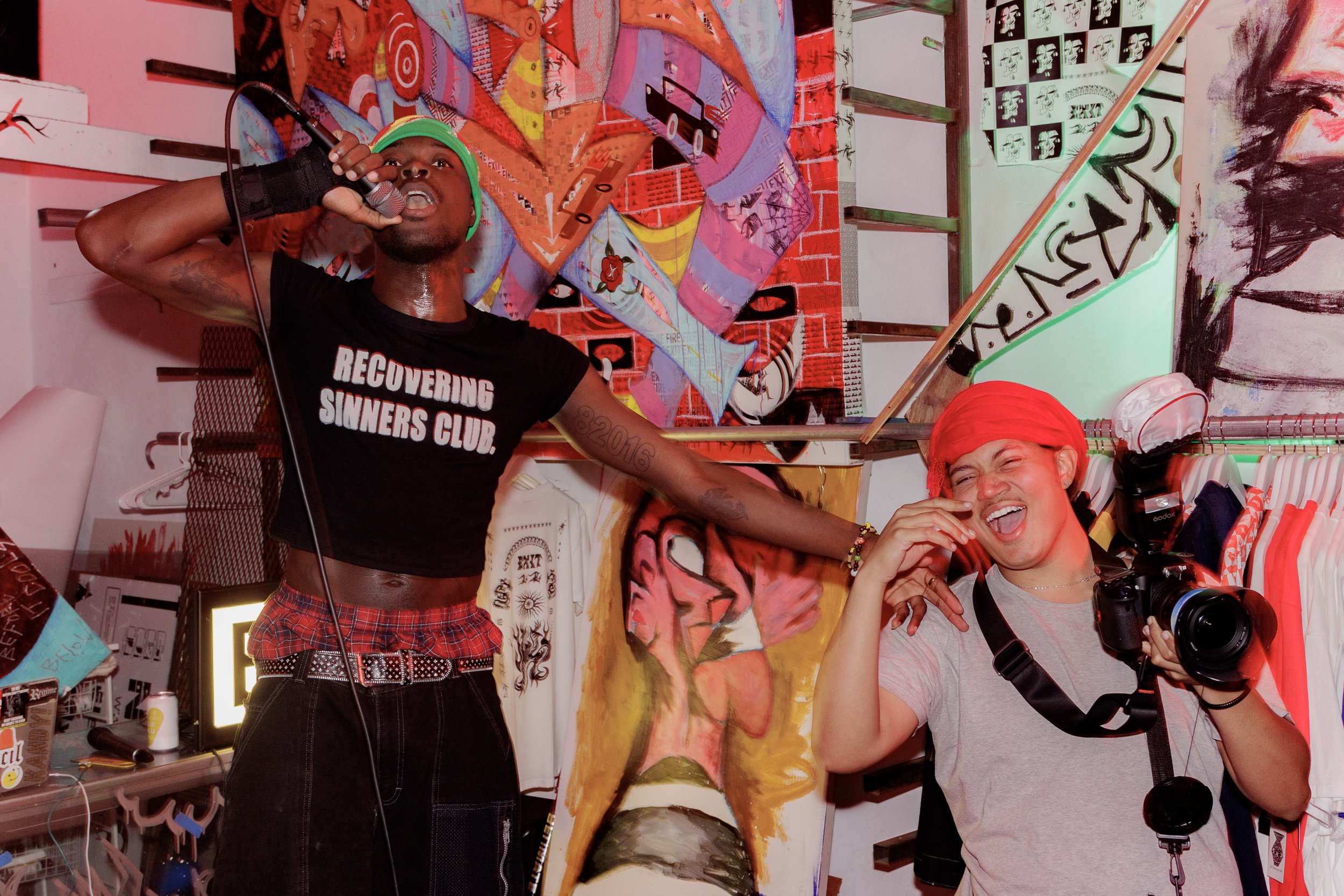
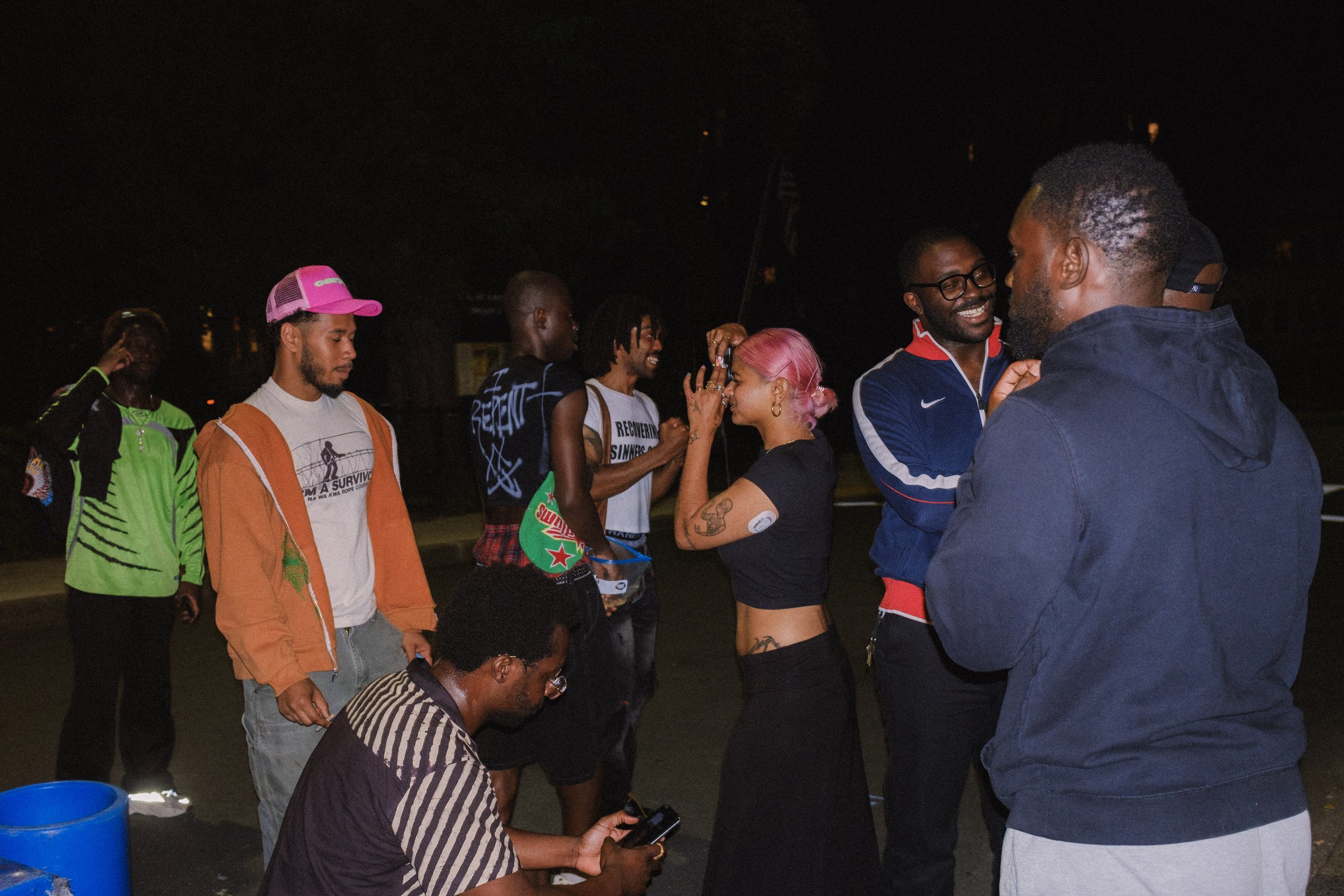
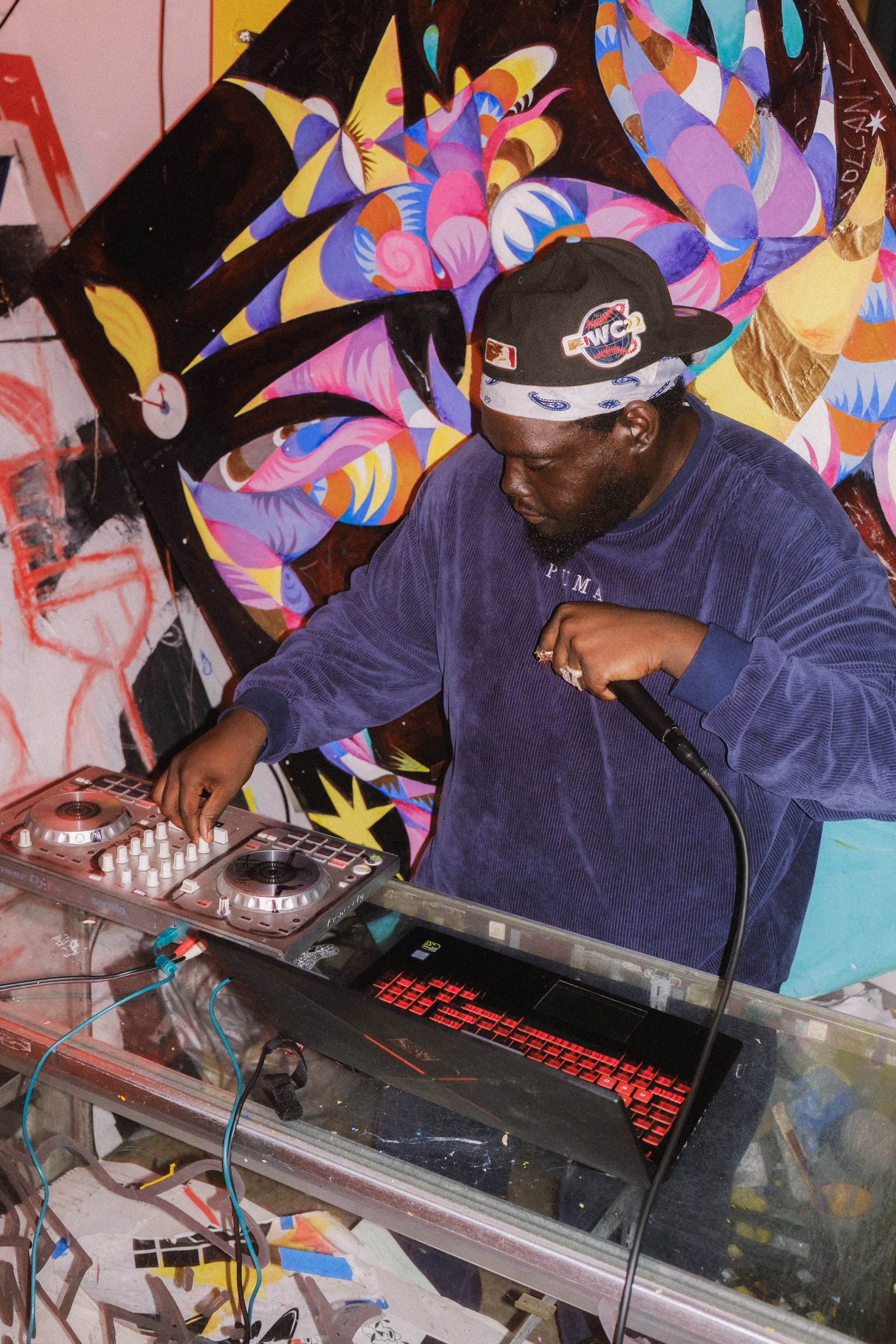
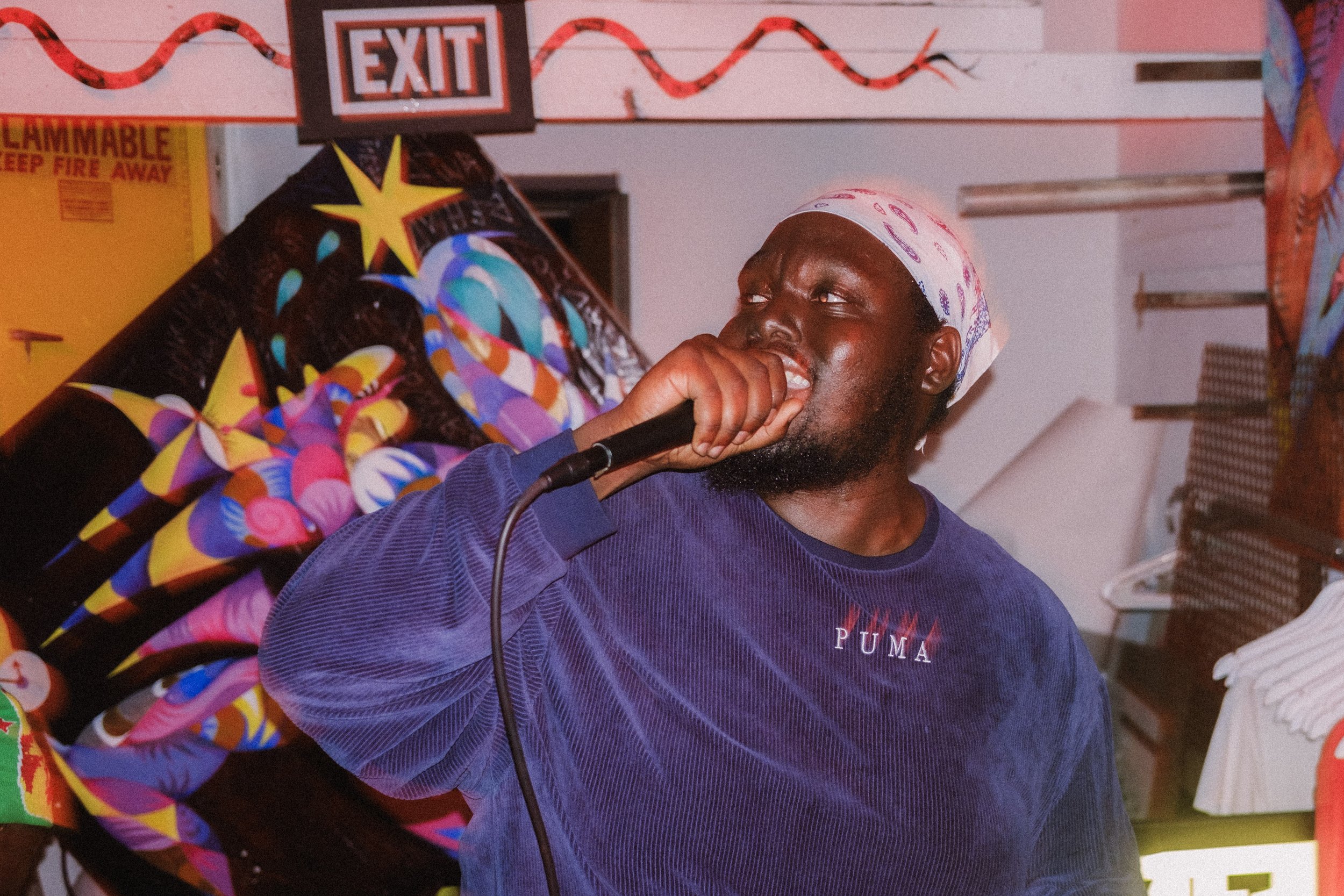
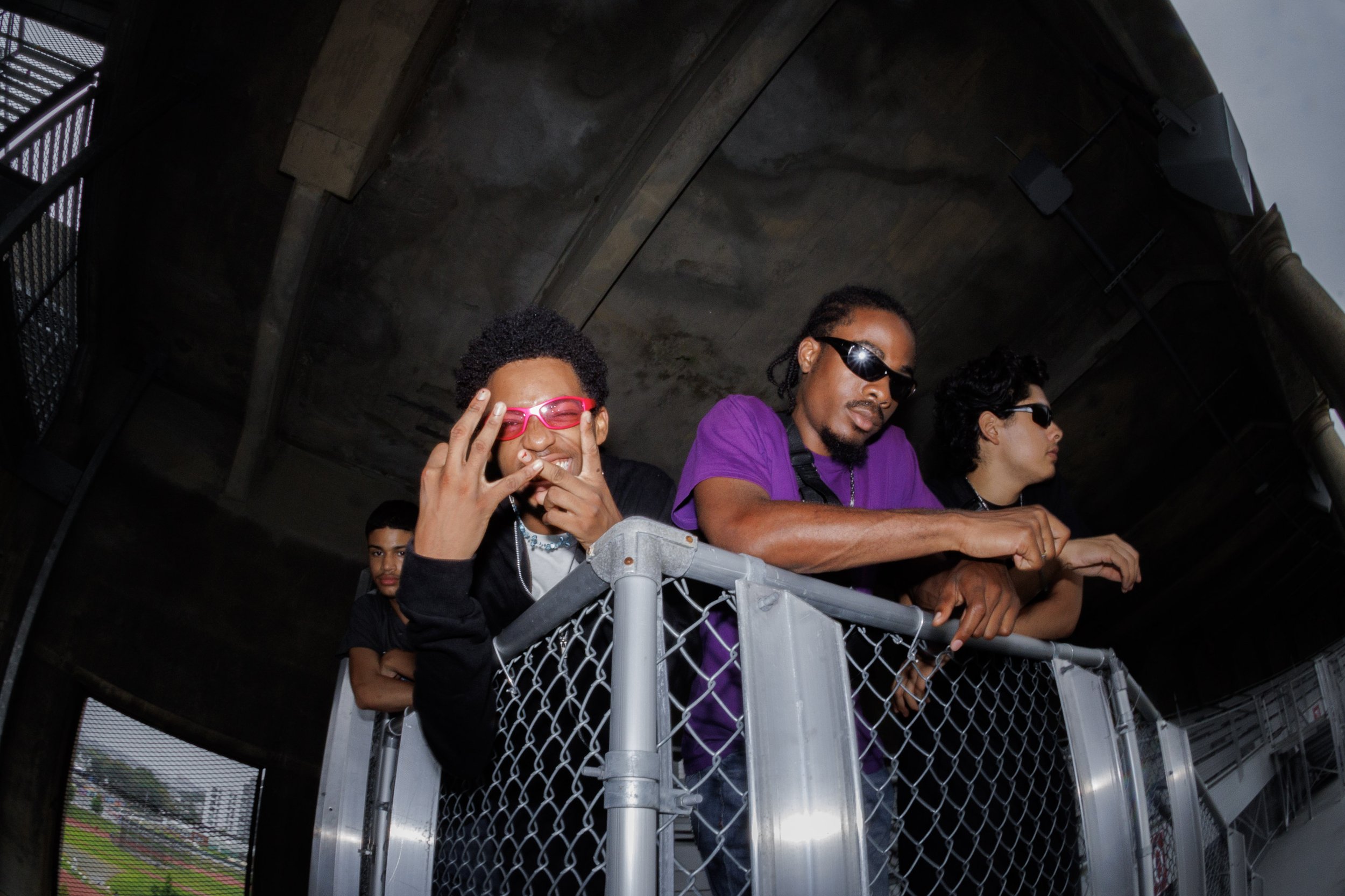
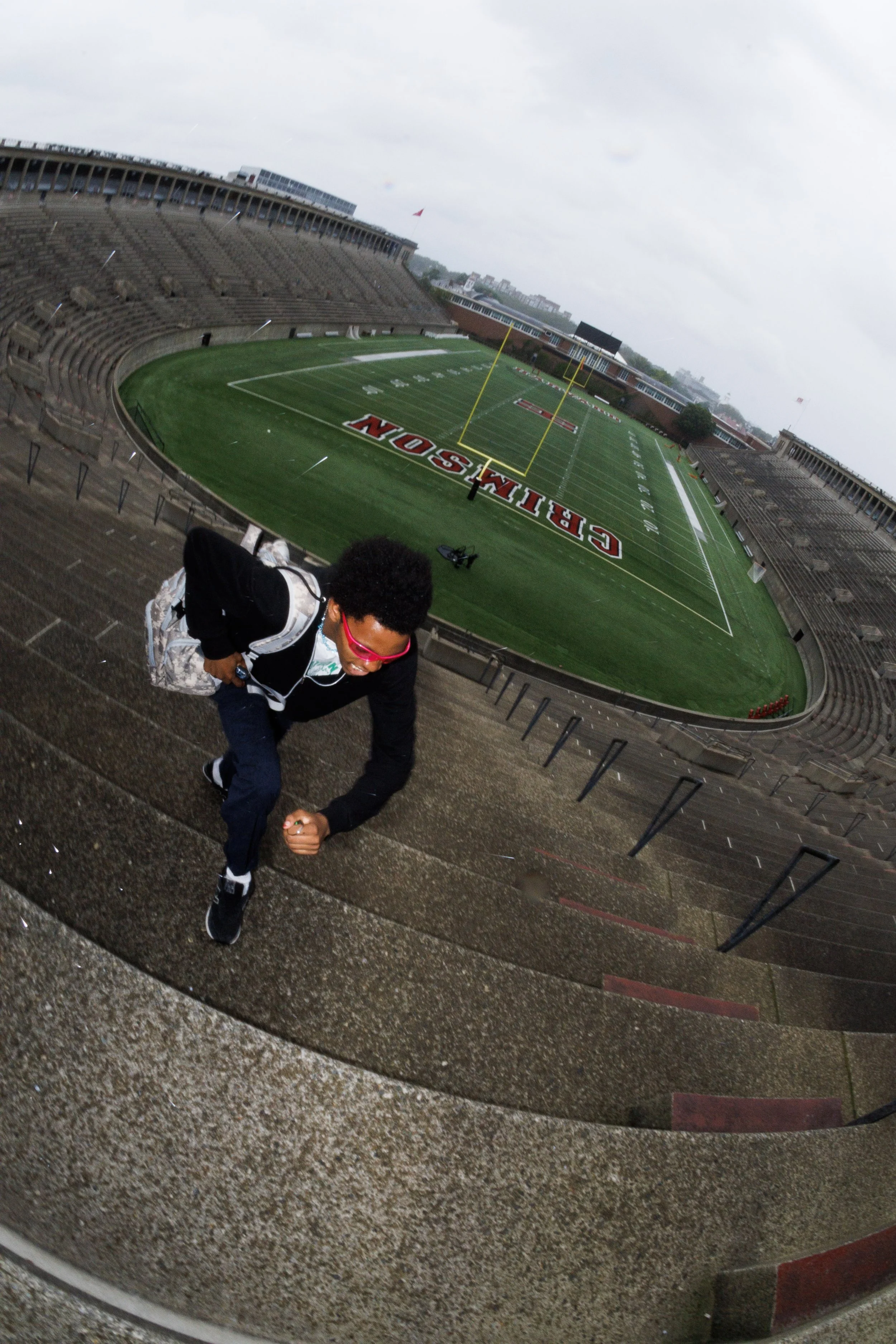
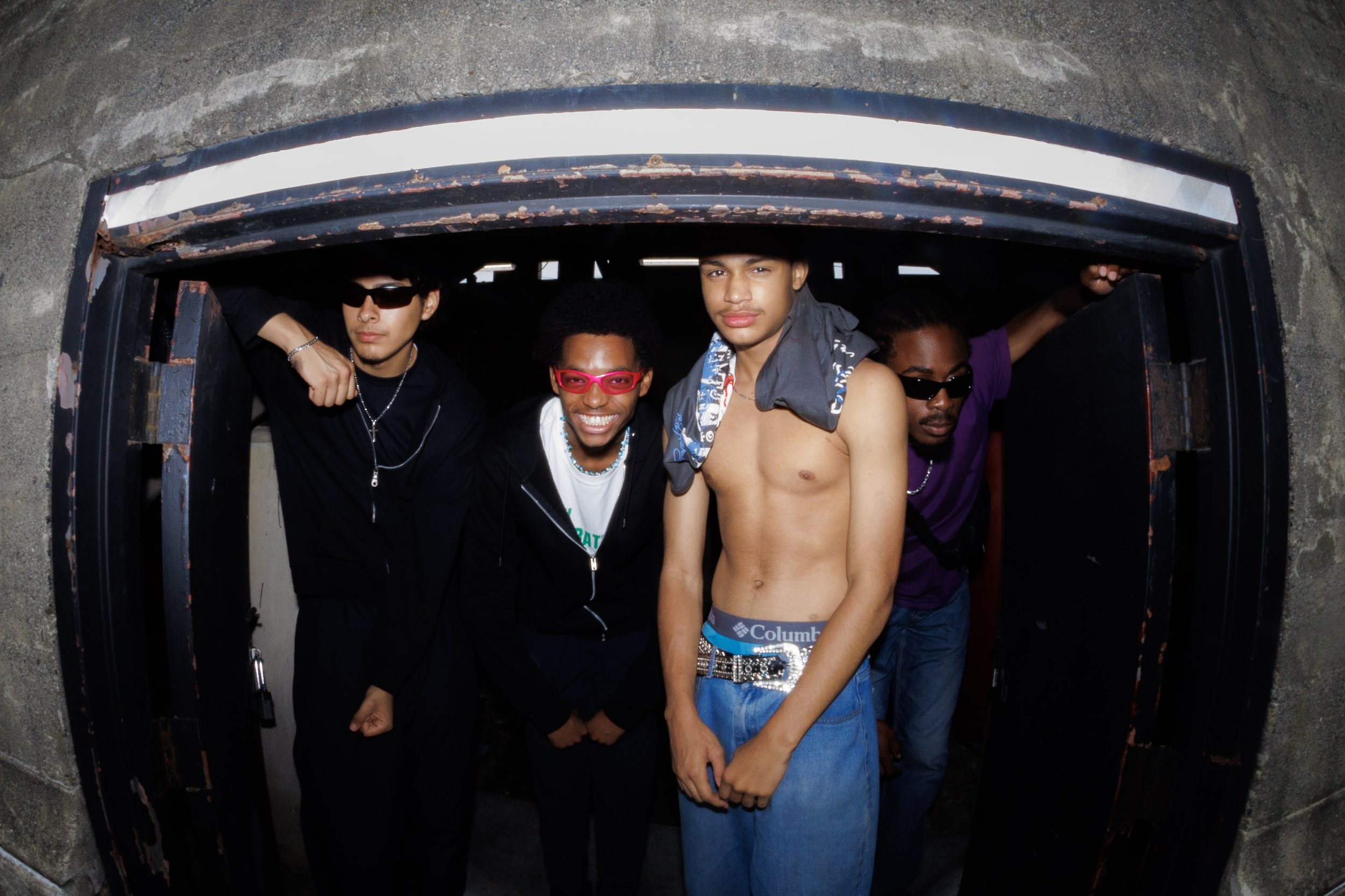
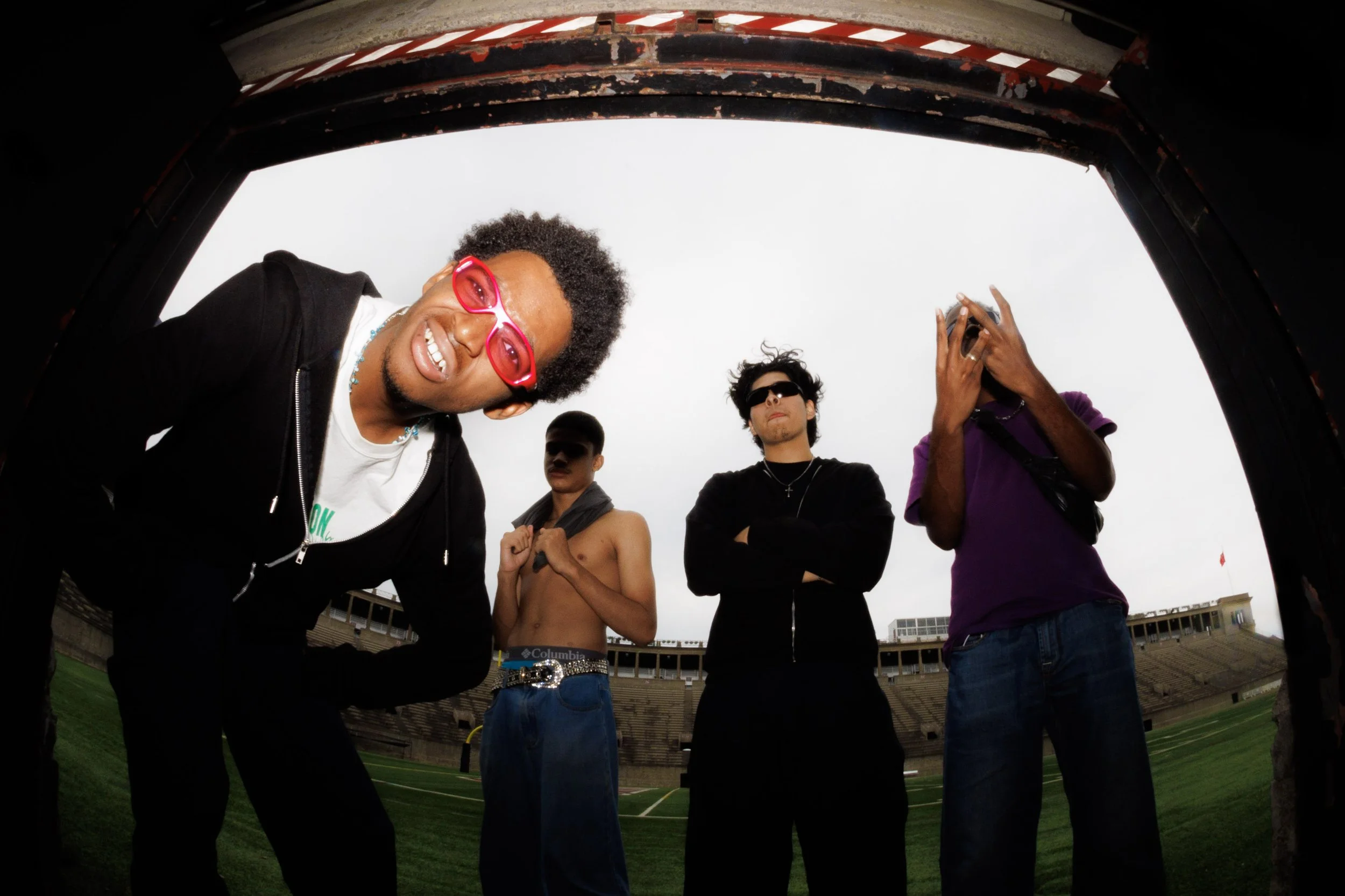
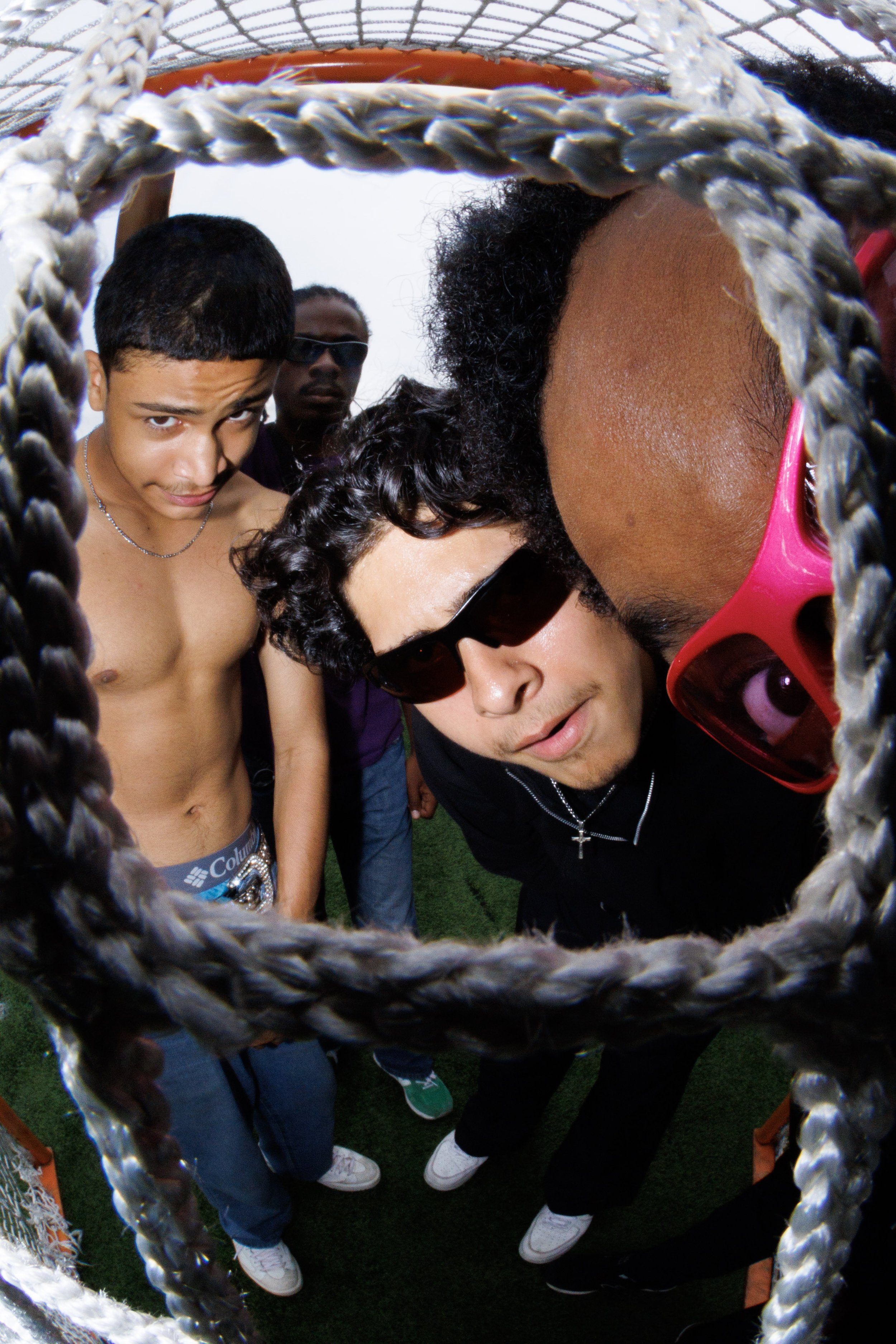
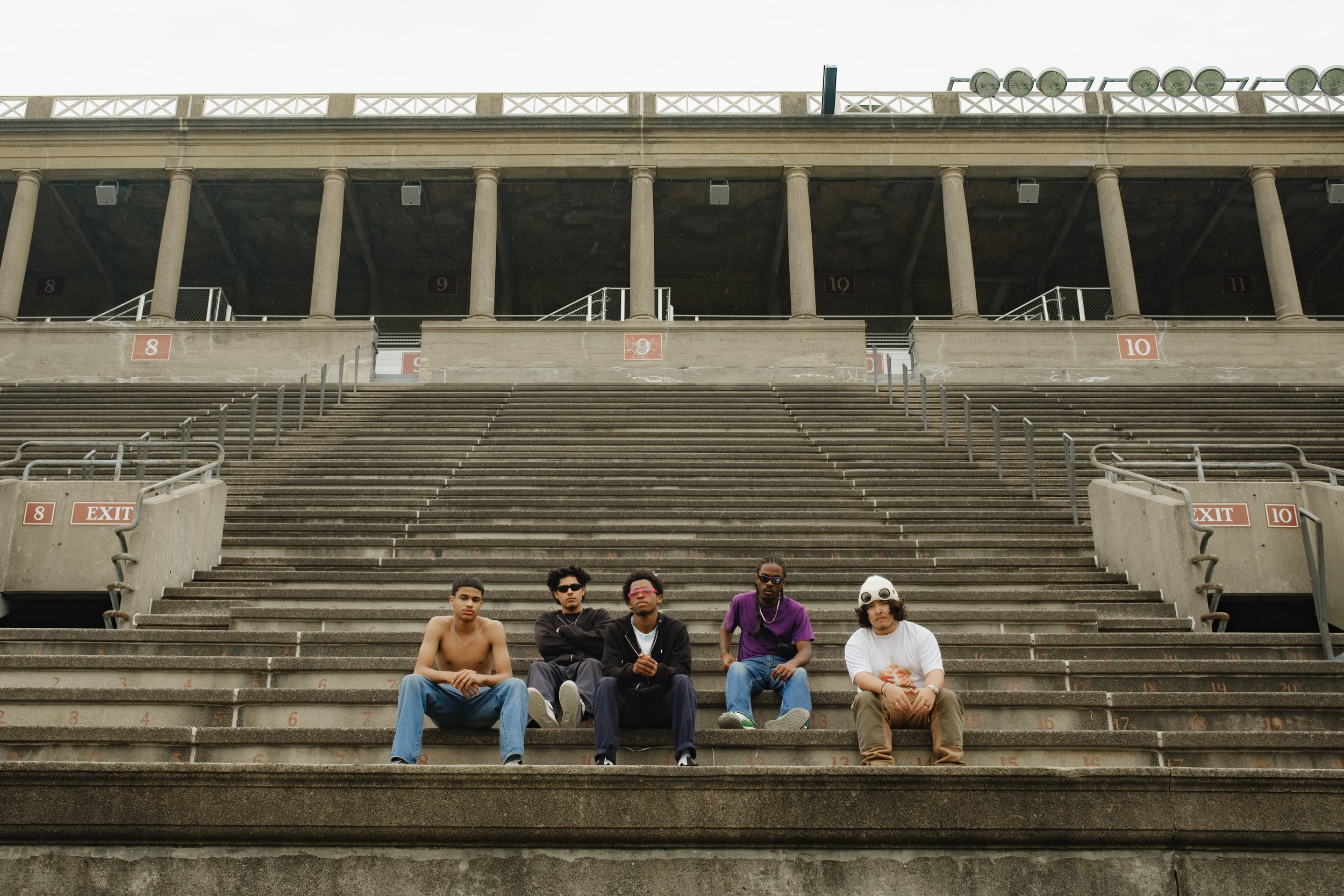
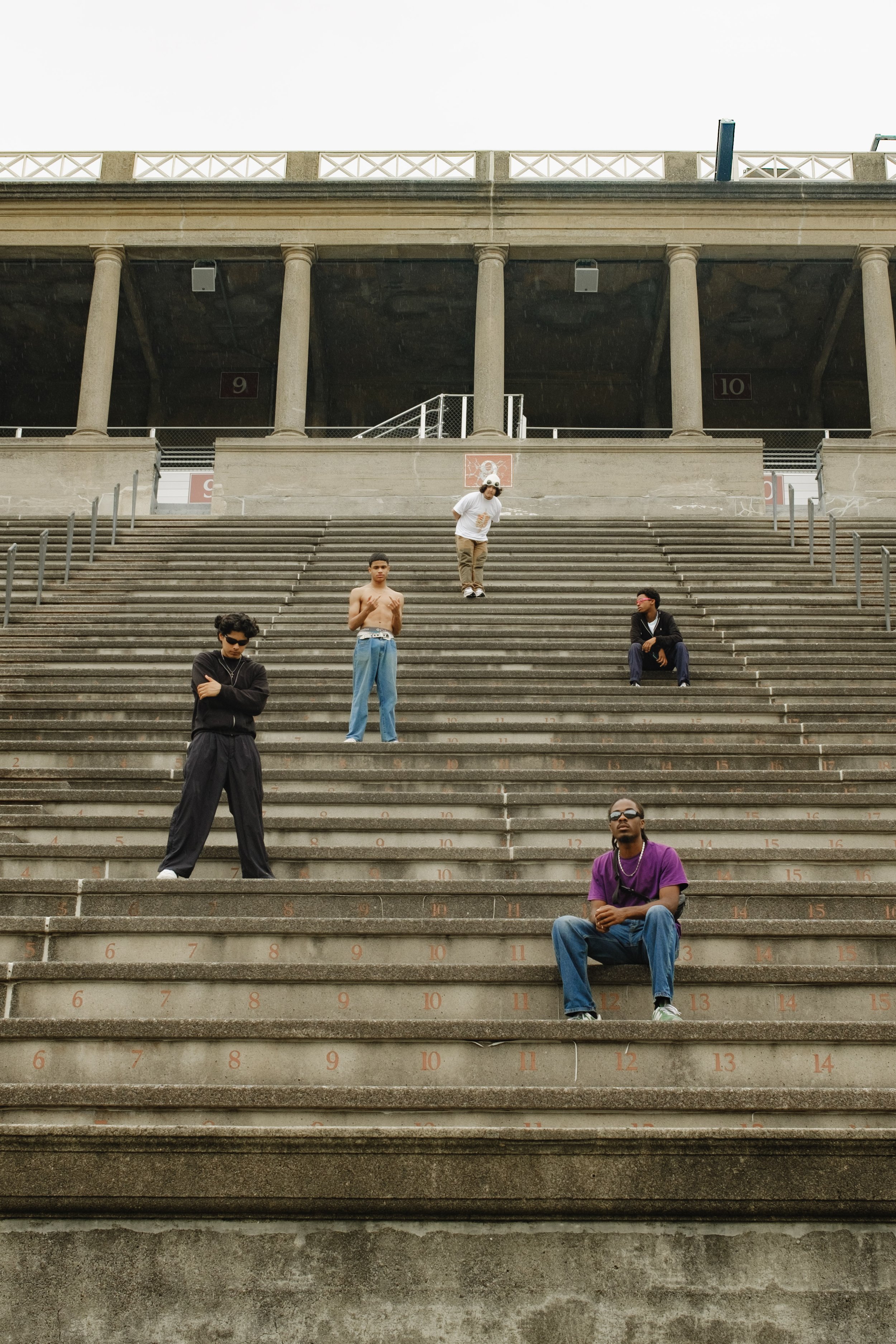
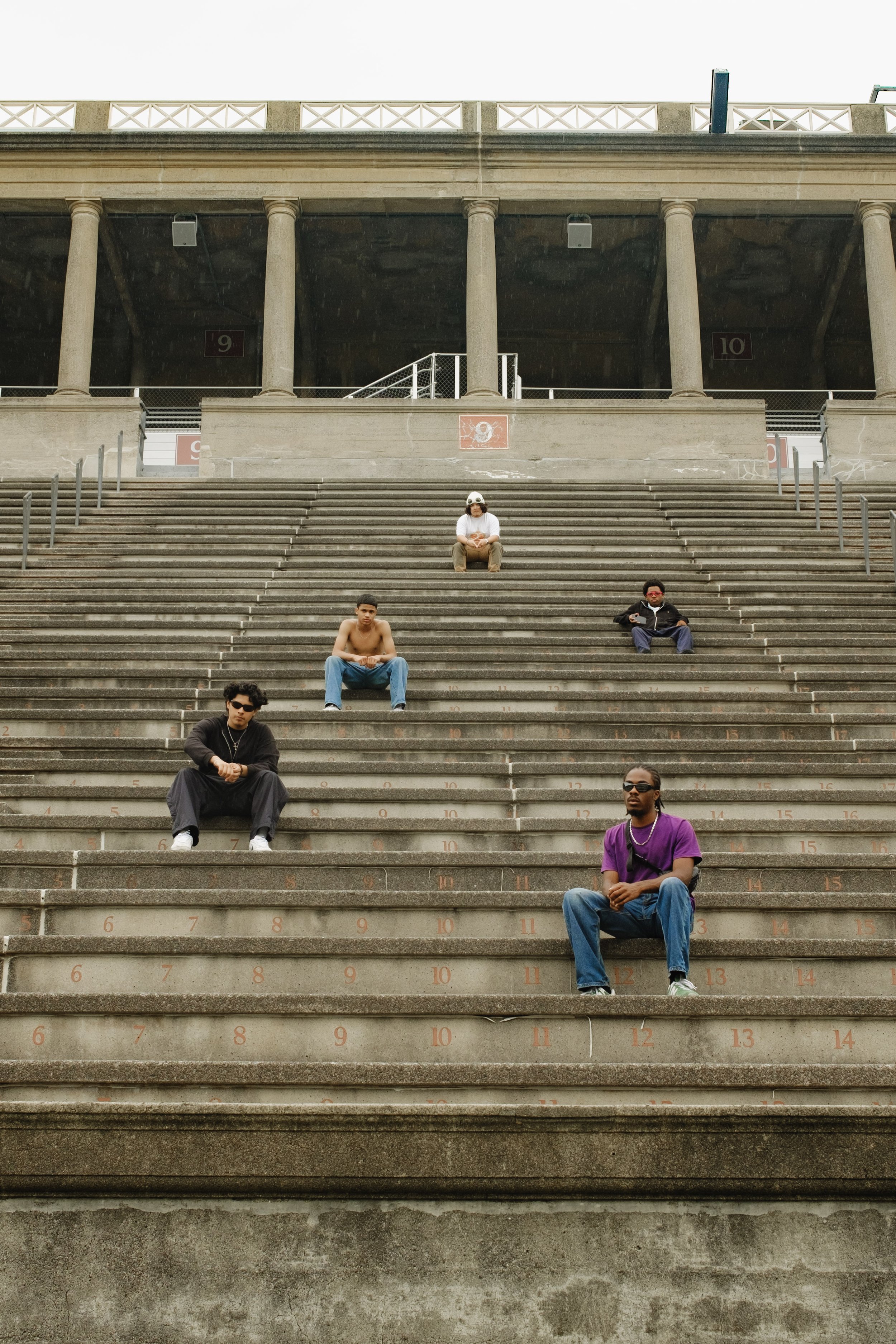
The up and coming Boston based hip/hop collective will be performing live from inside the EXIT installation & venue space on Friday August 11, 2023 7pm. Photographer Issac Wheatley got together with the crew ahead of their upcoming show at EXIT.
Chase Murphy pulled through the studio to chop it up about his upcoming show this Friday June 2nd at EXIT Galleries. Grab tickets here.
Photography by Isaac Wheatley

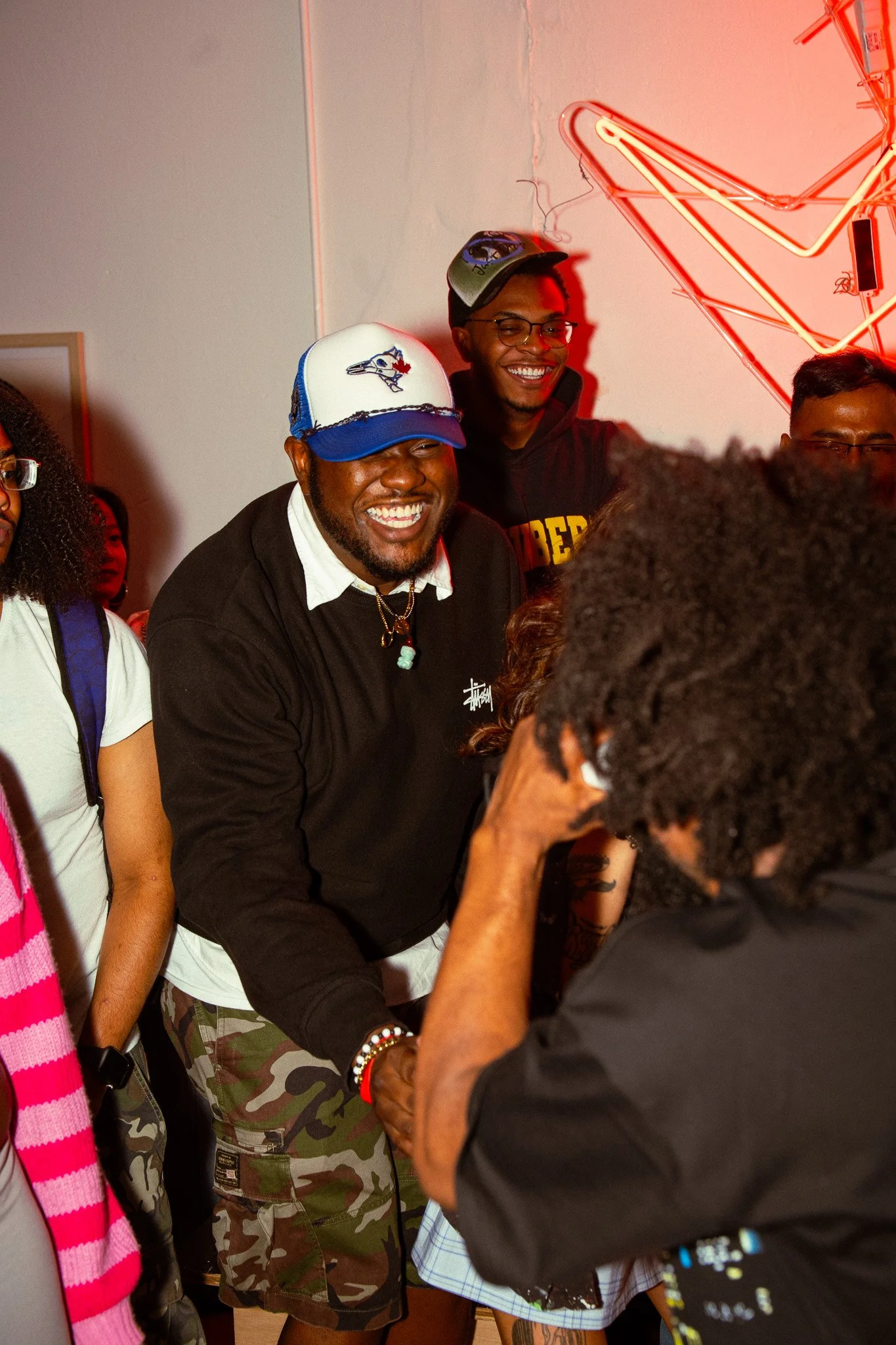
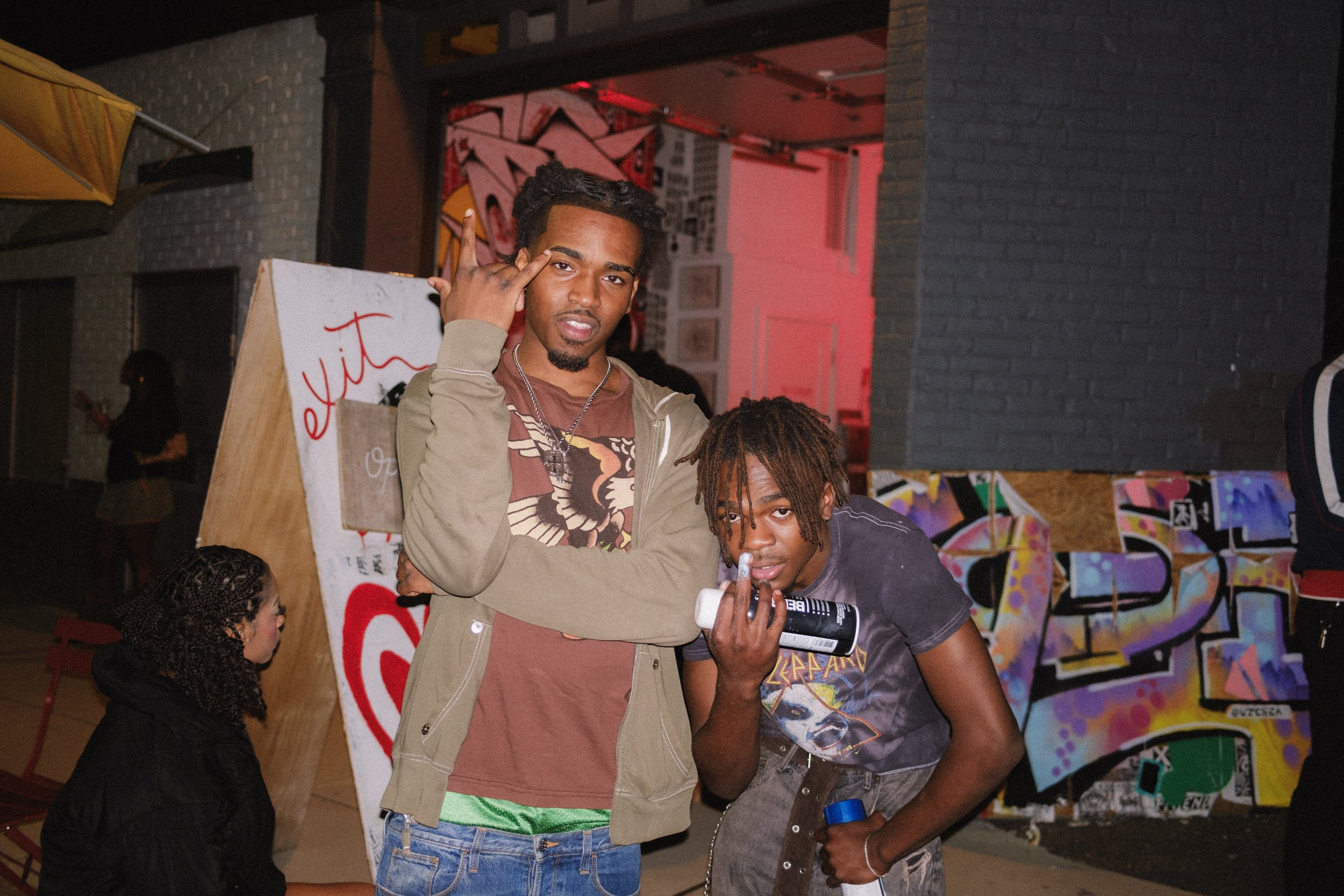
photography by Joakeem Gaston