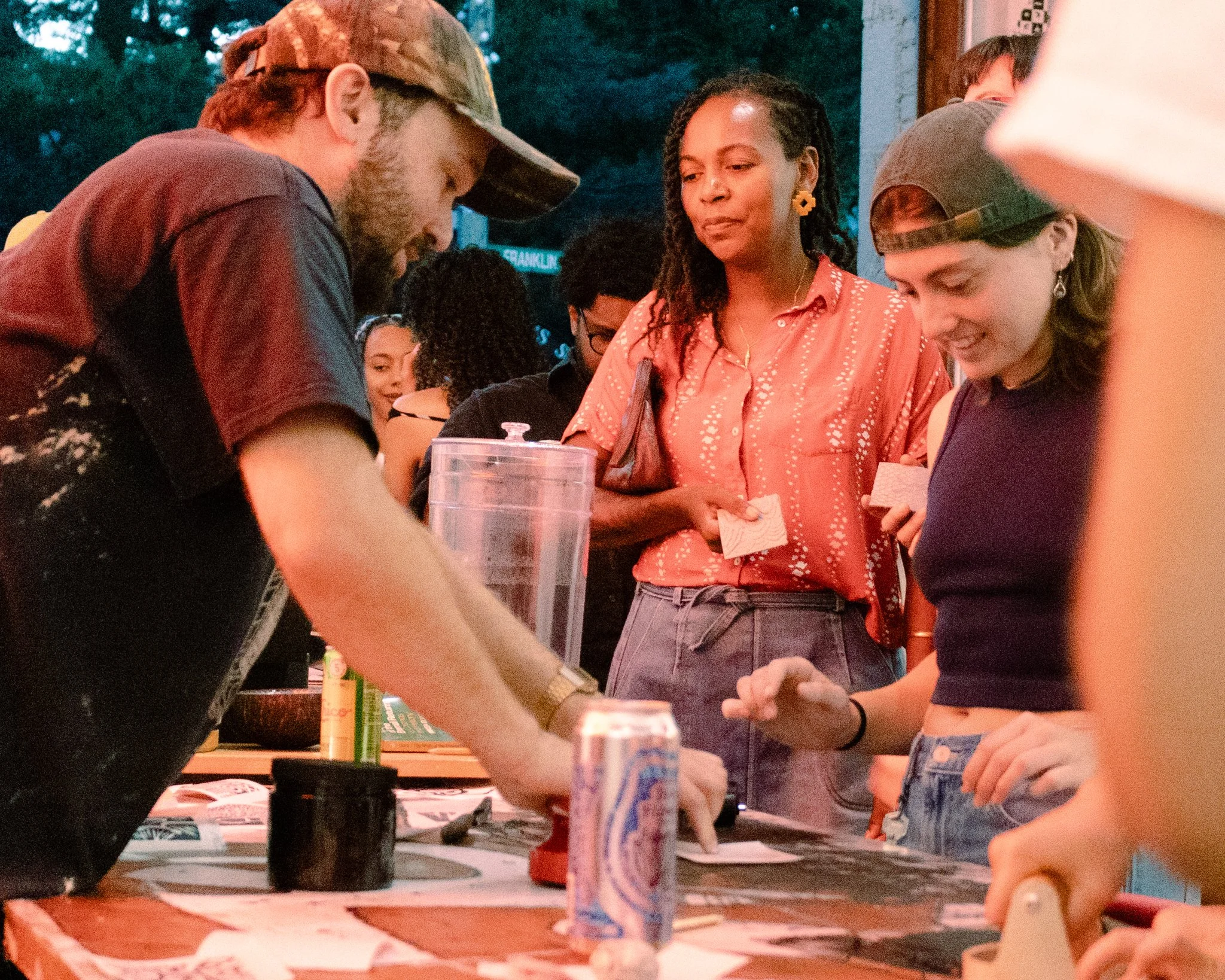
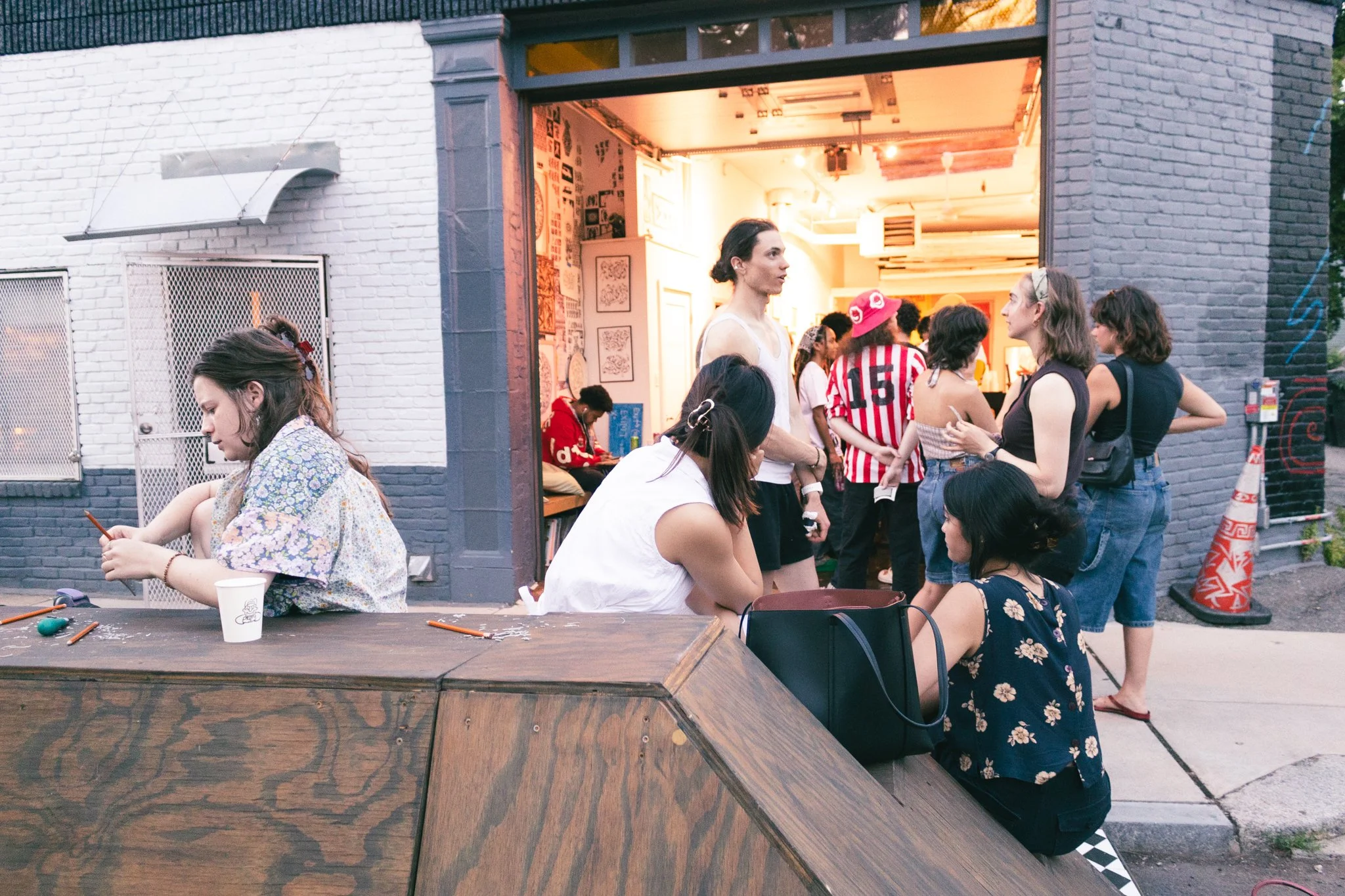
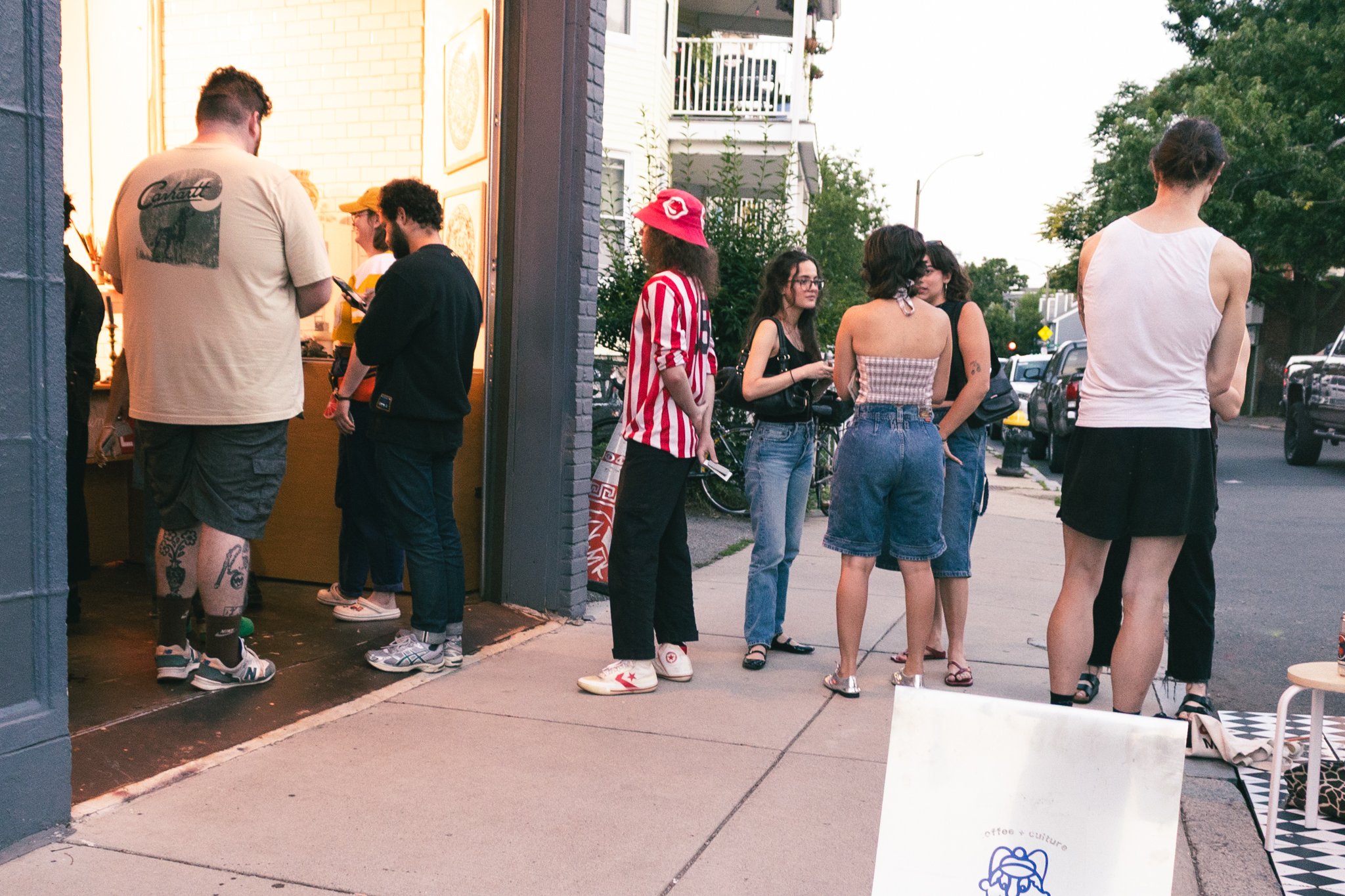
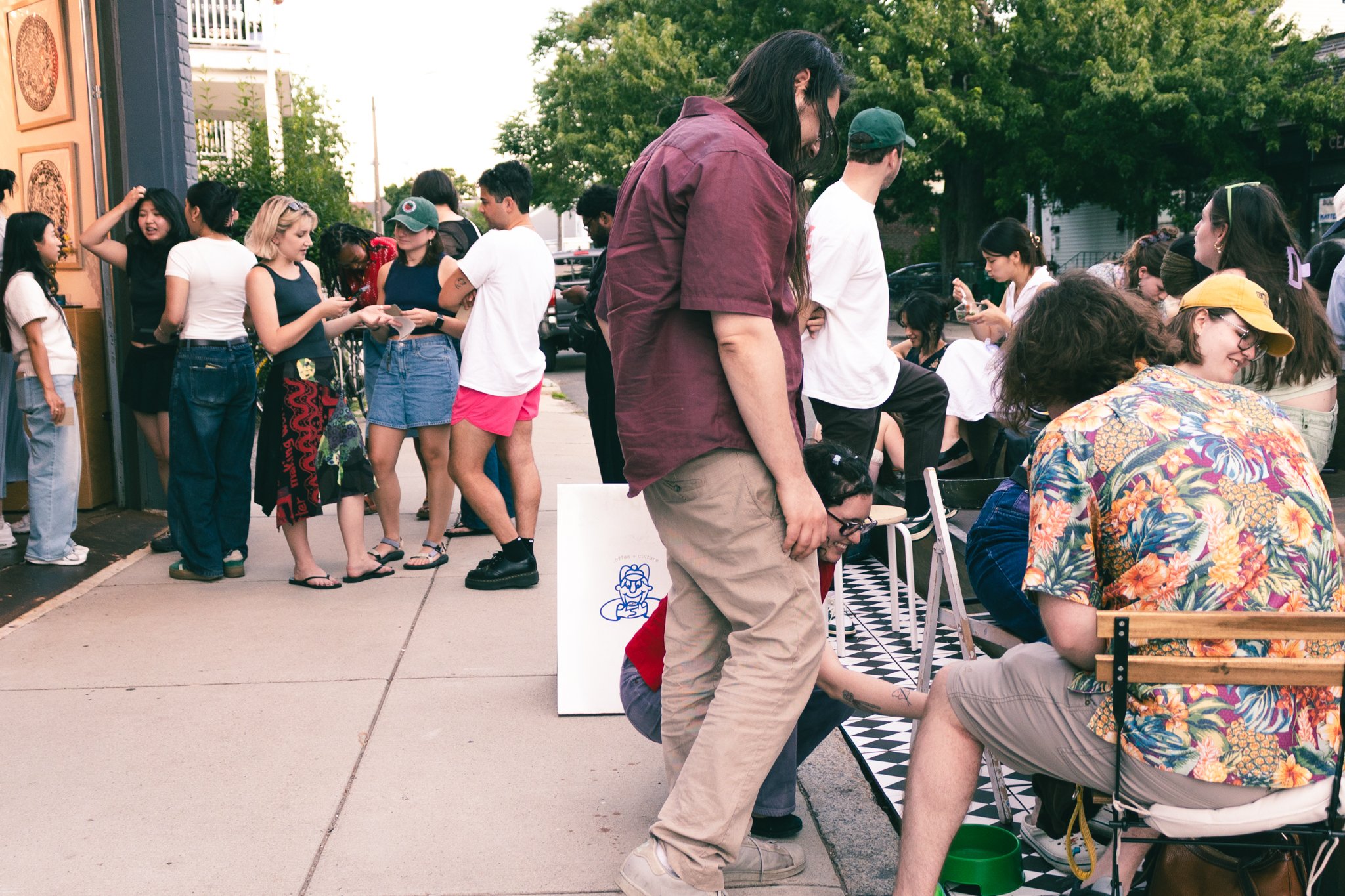
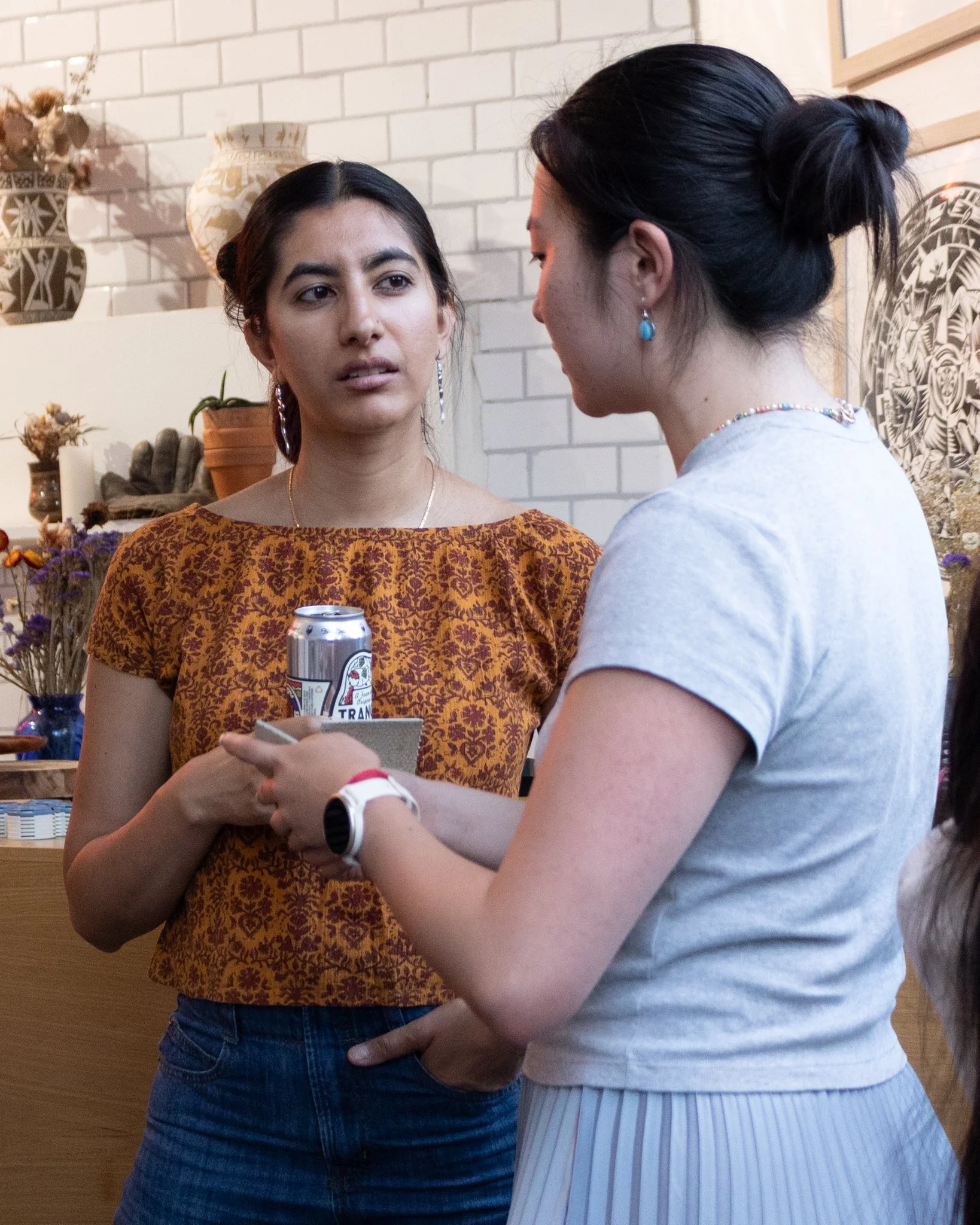
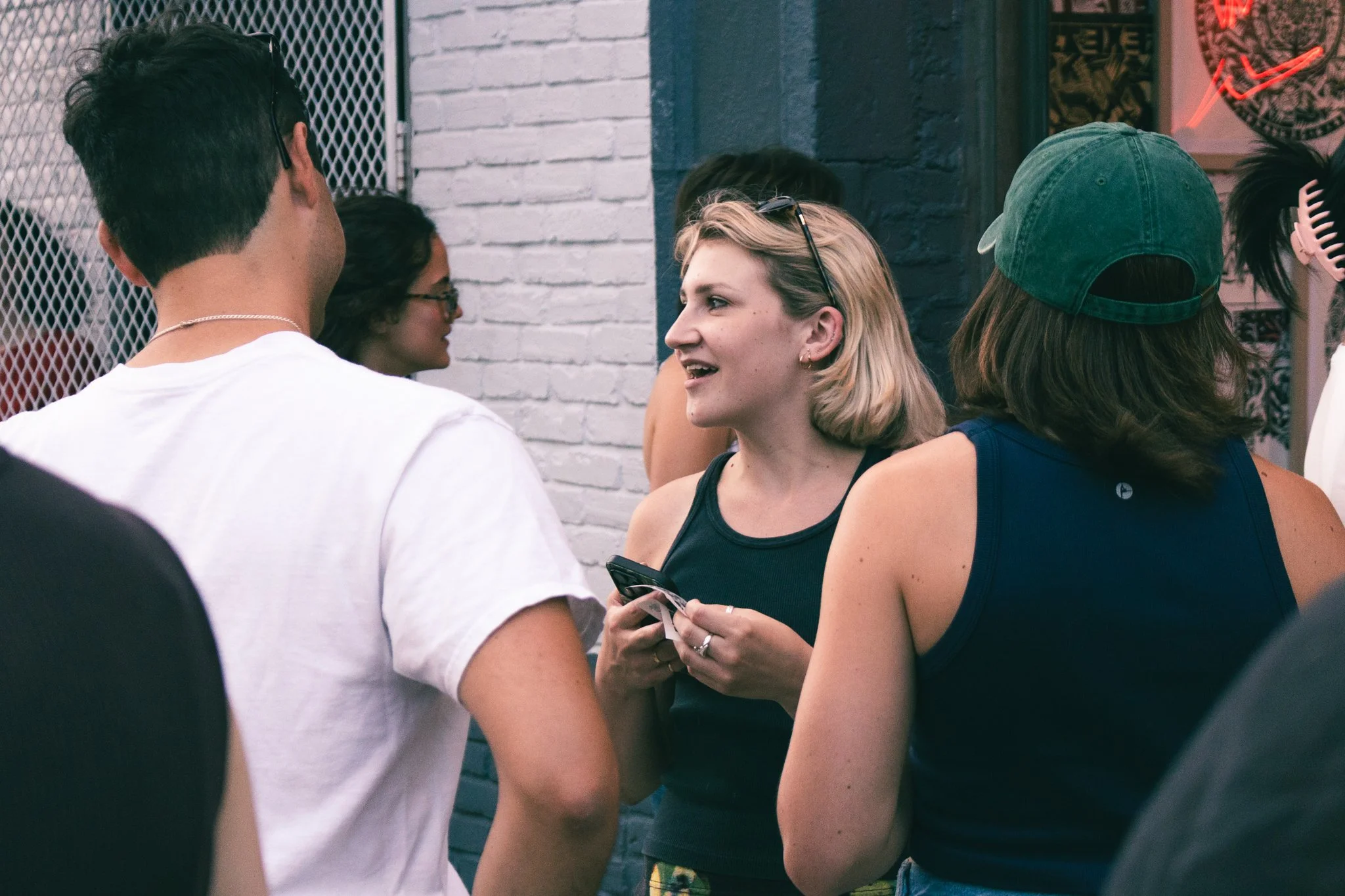
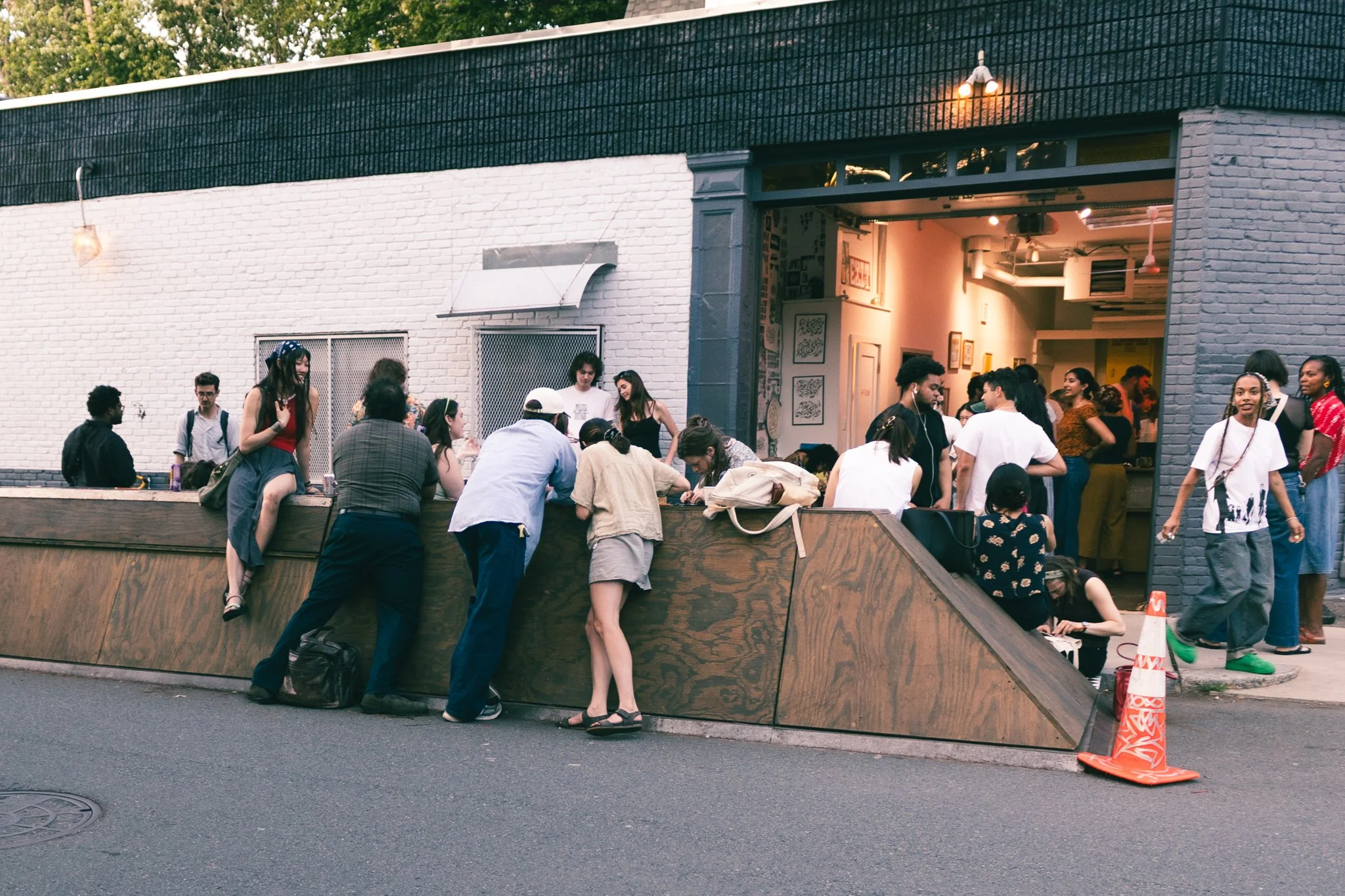
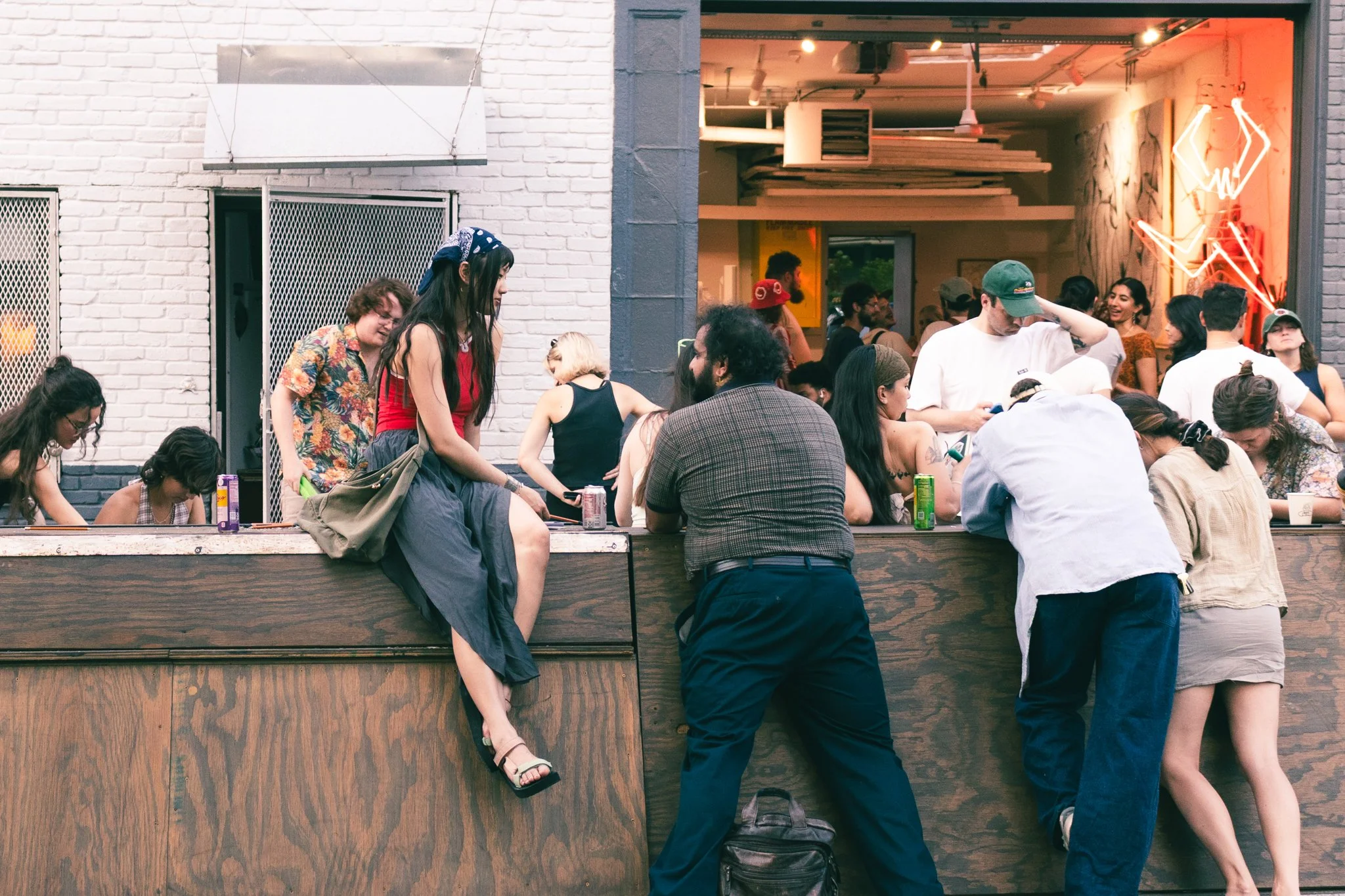
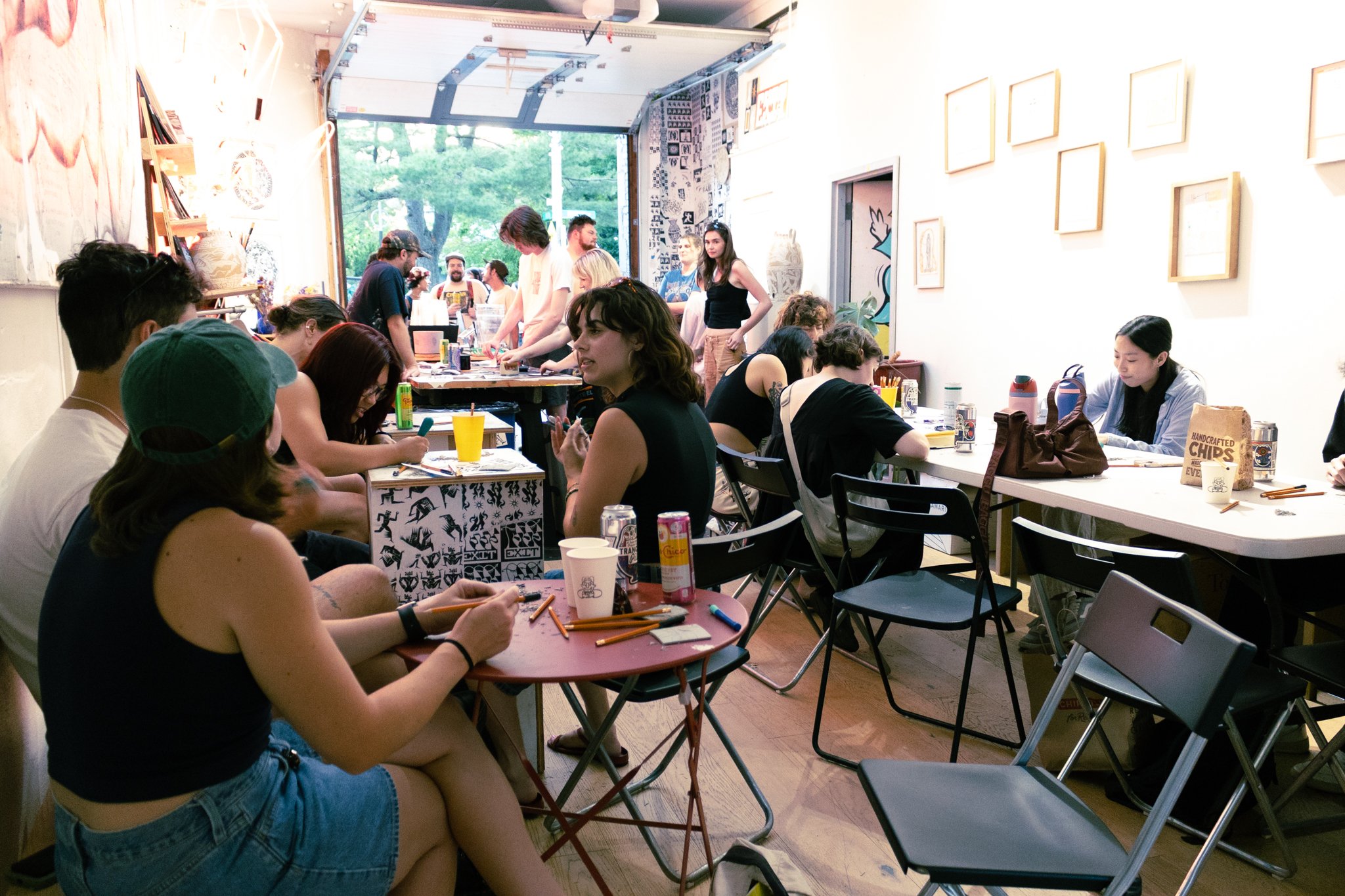
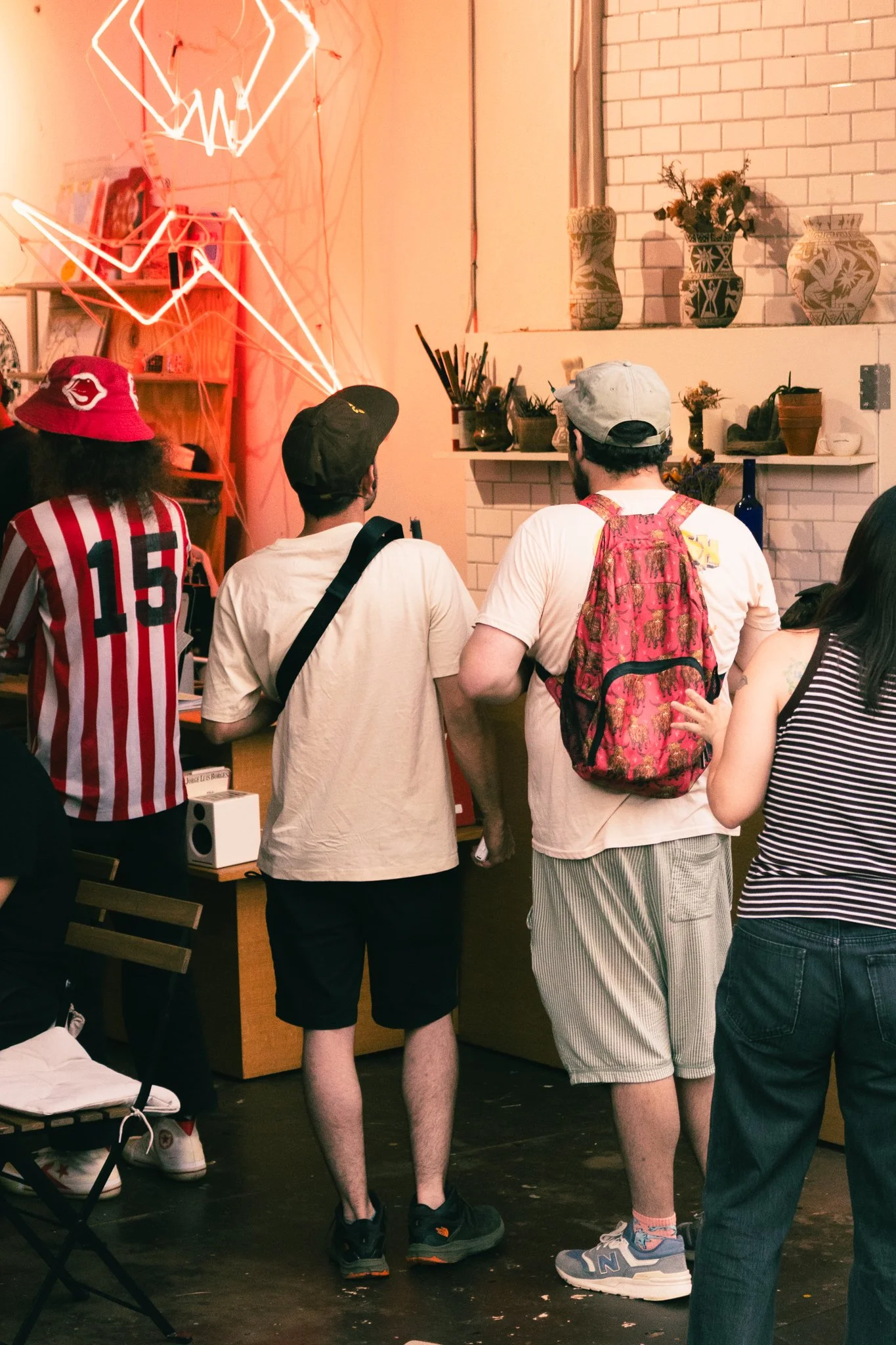
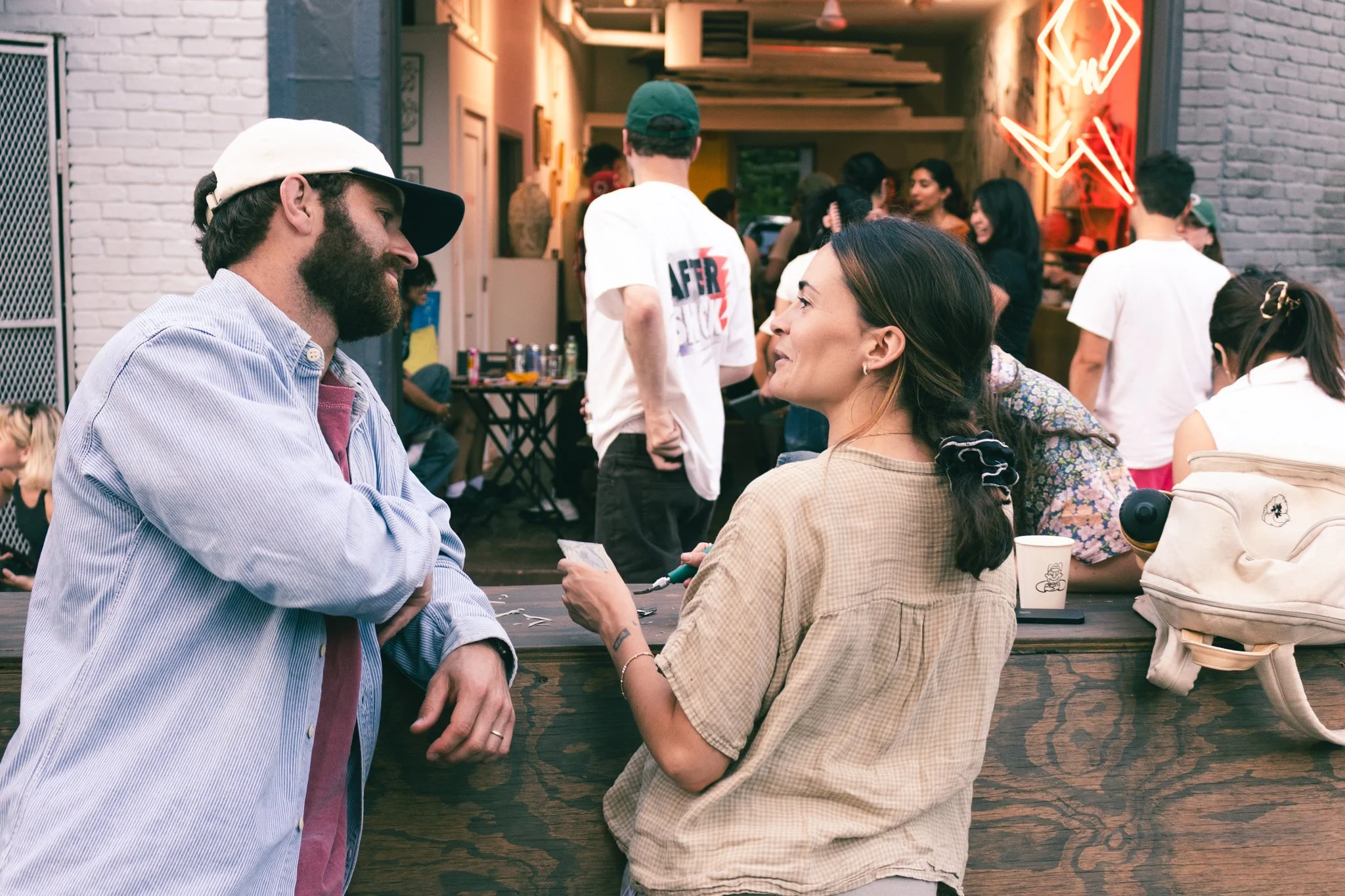
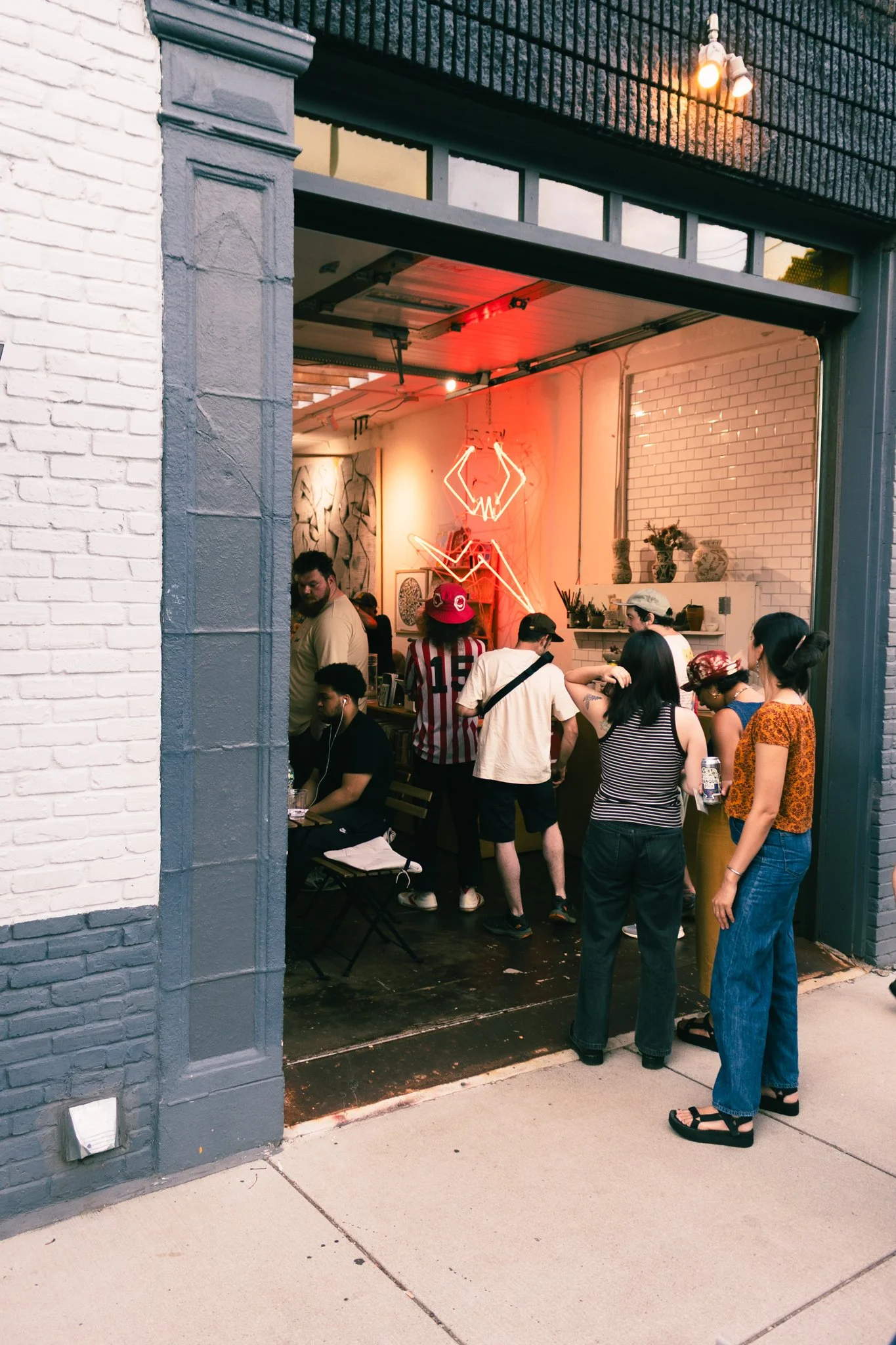
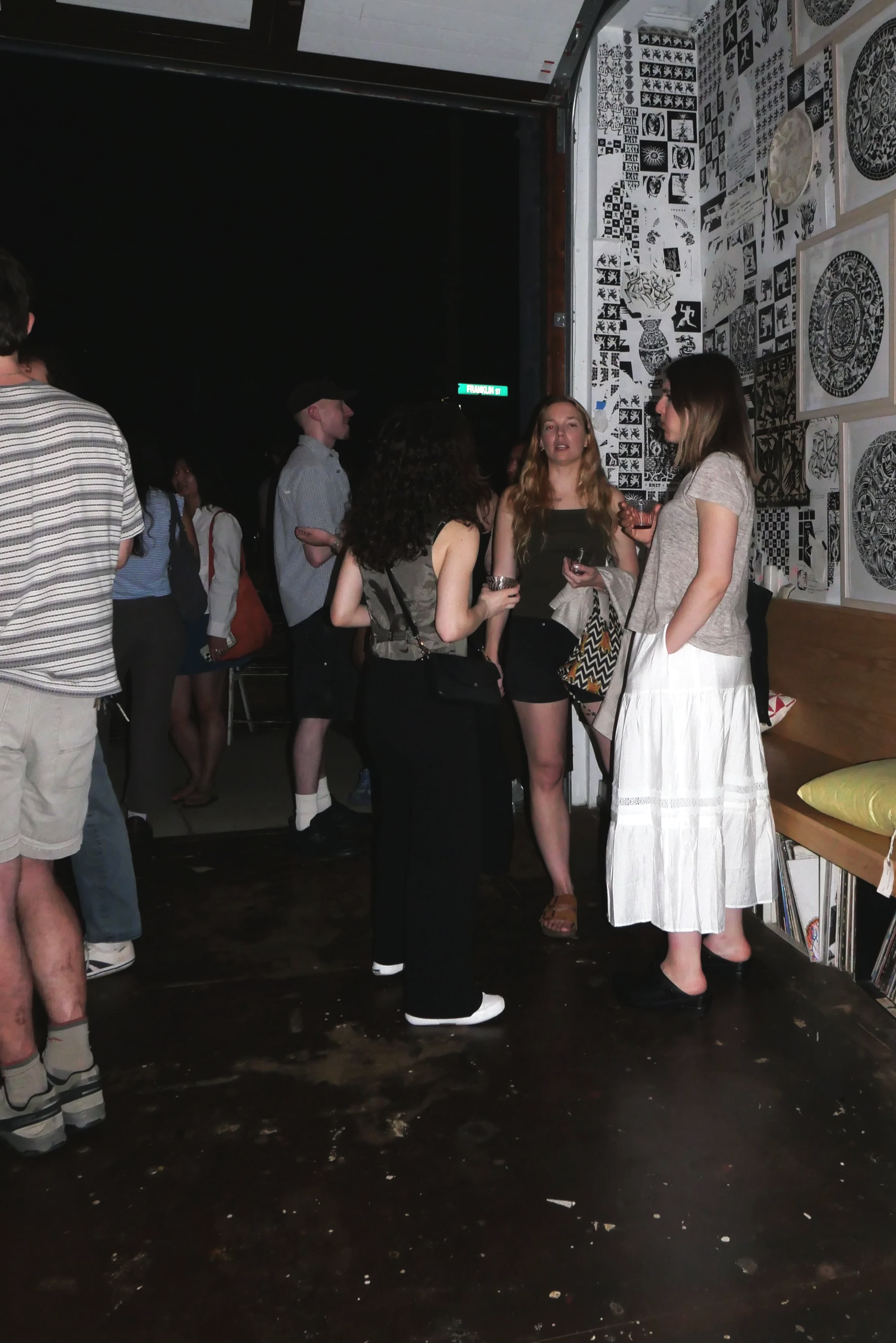
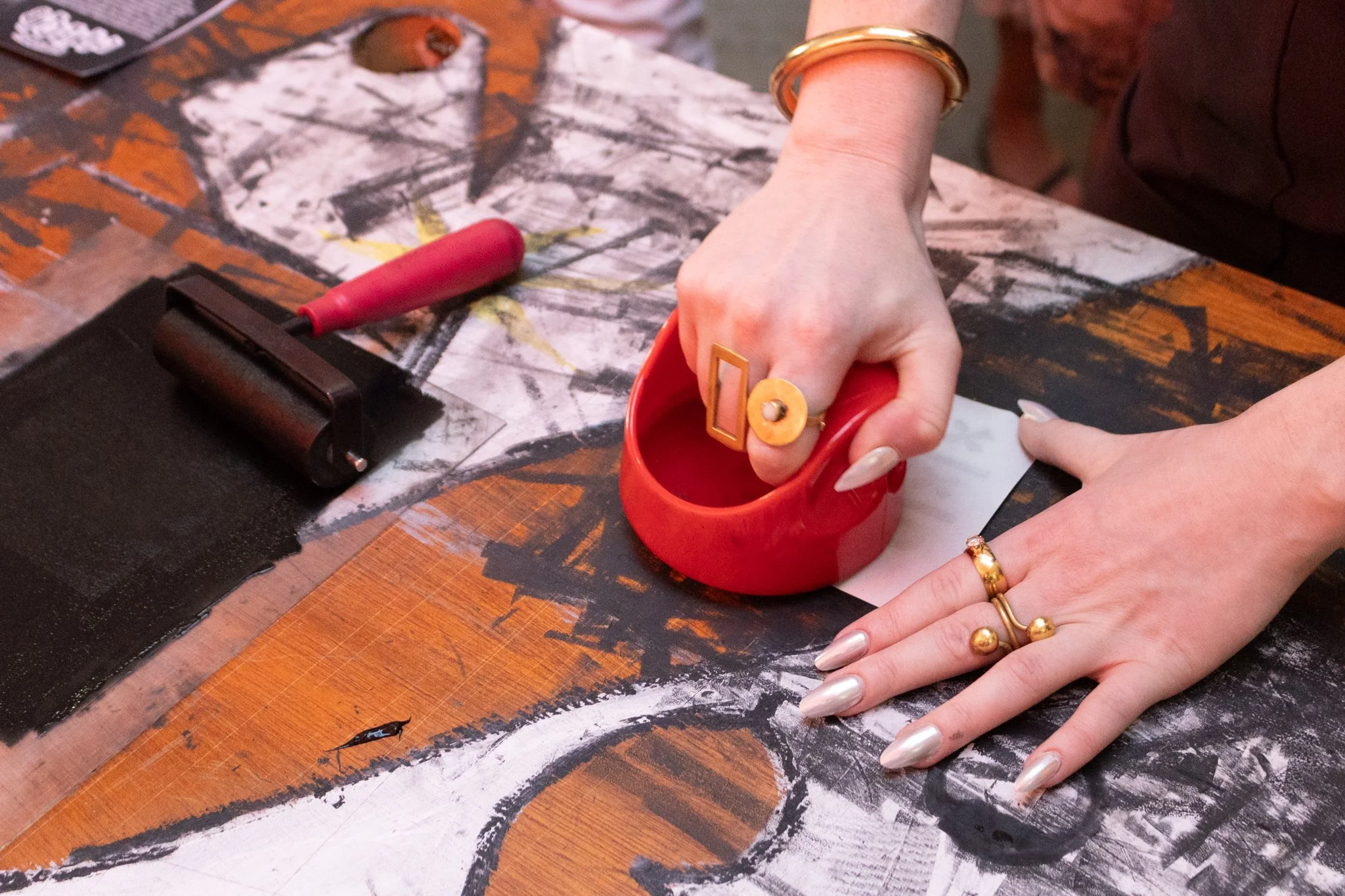
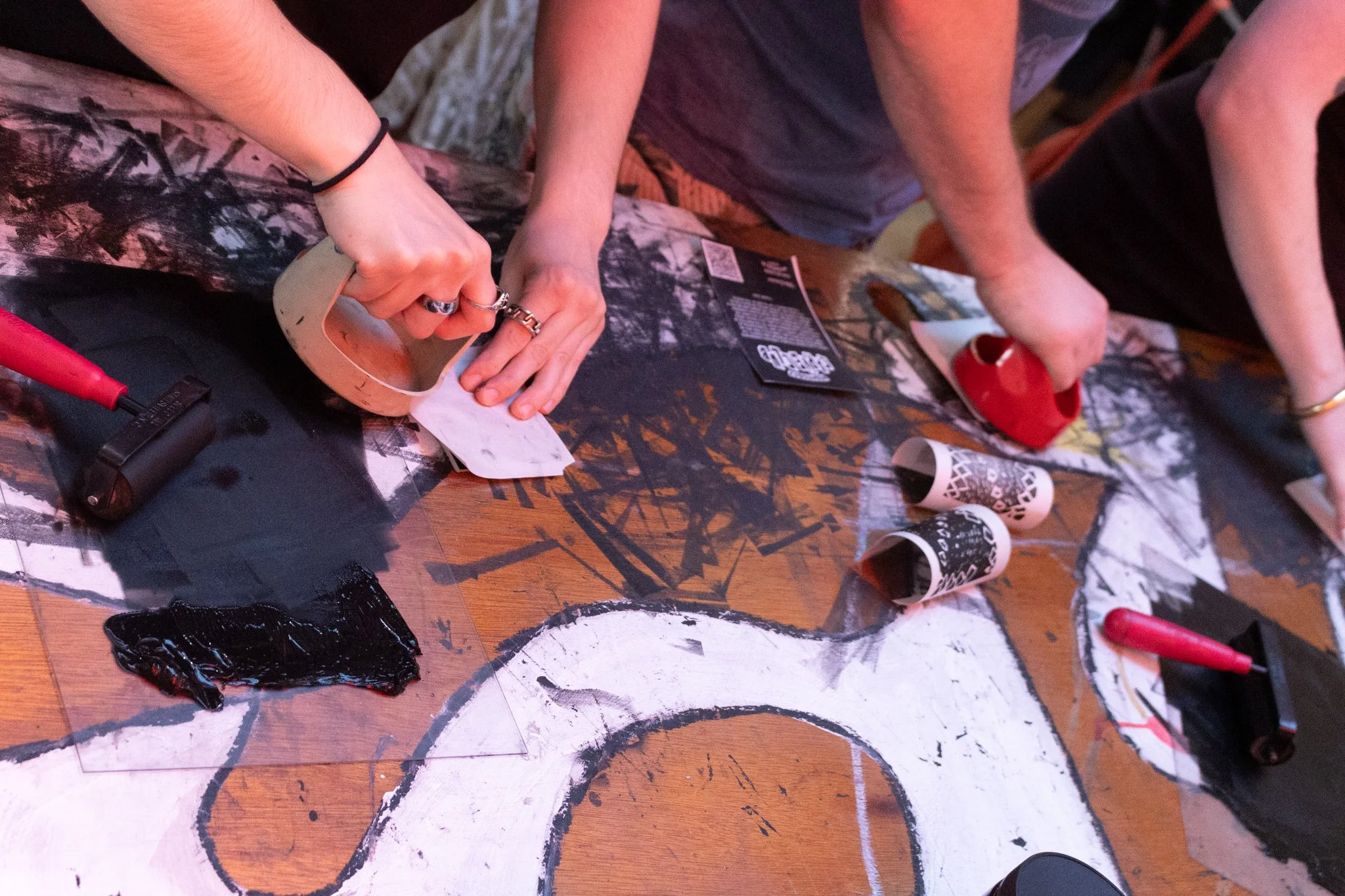
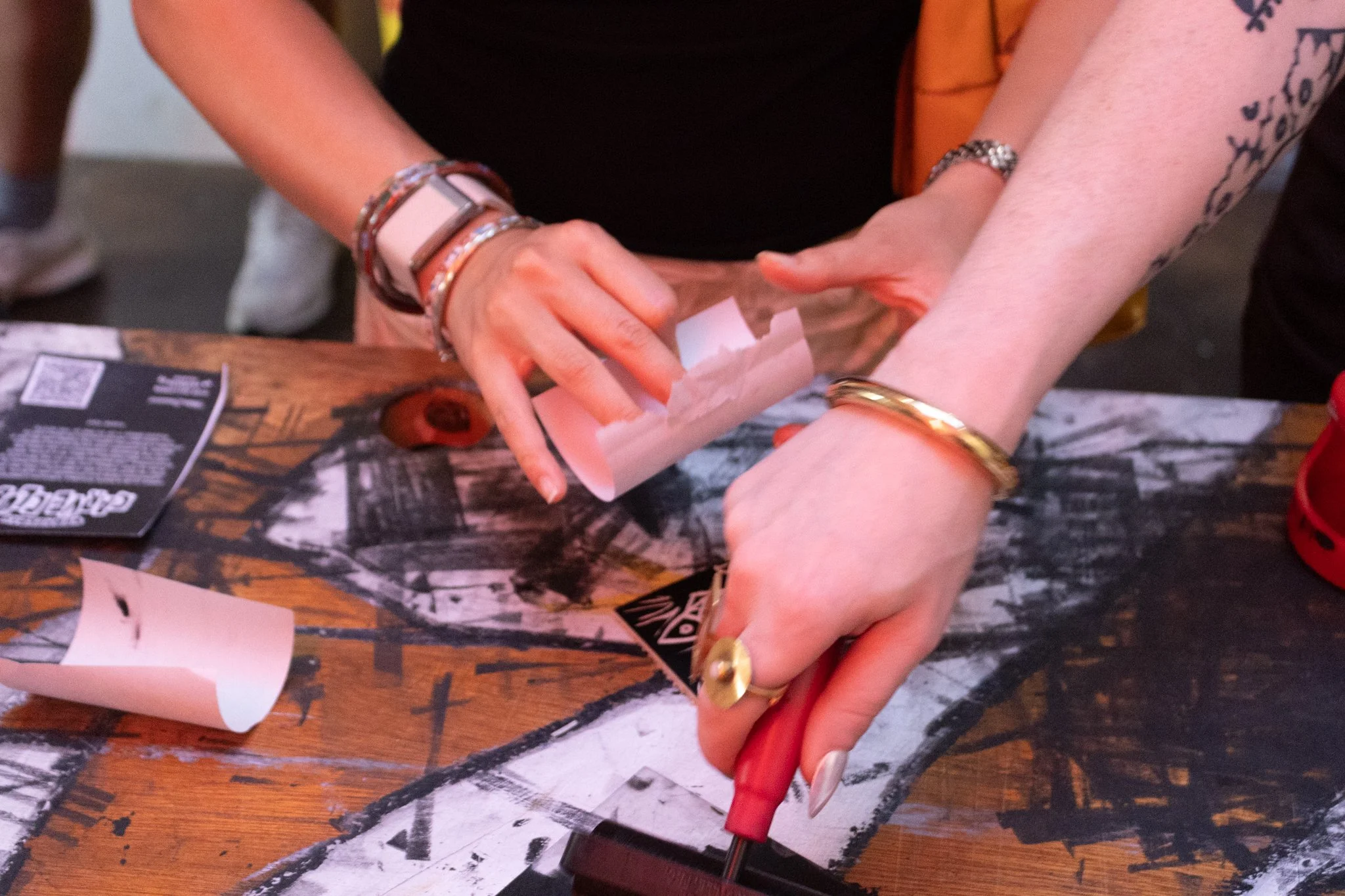
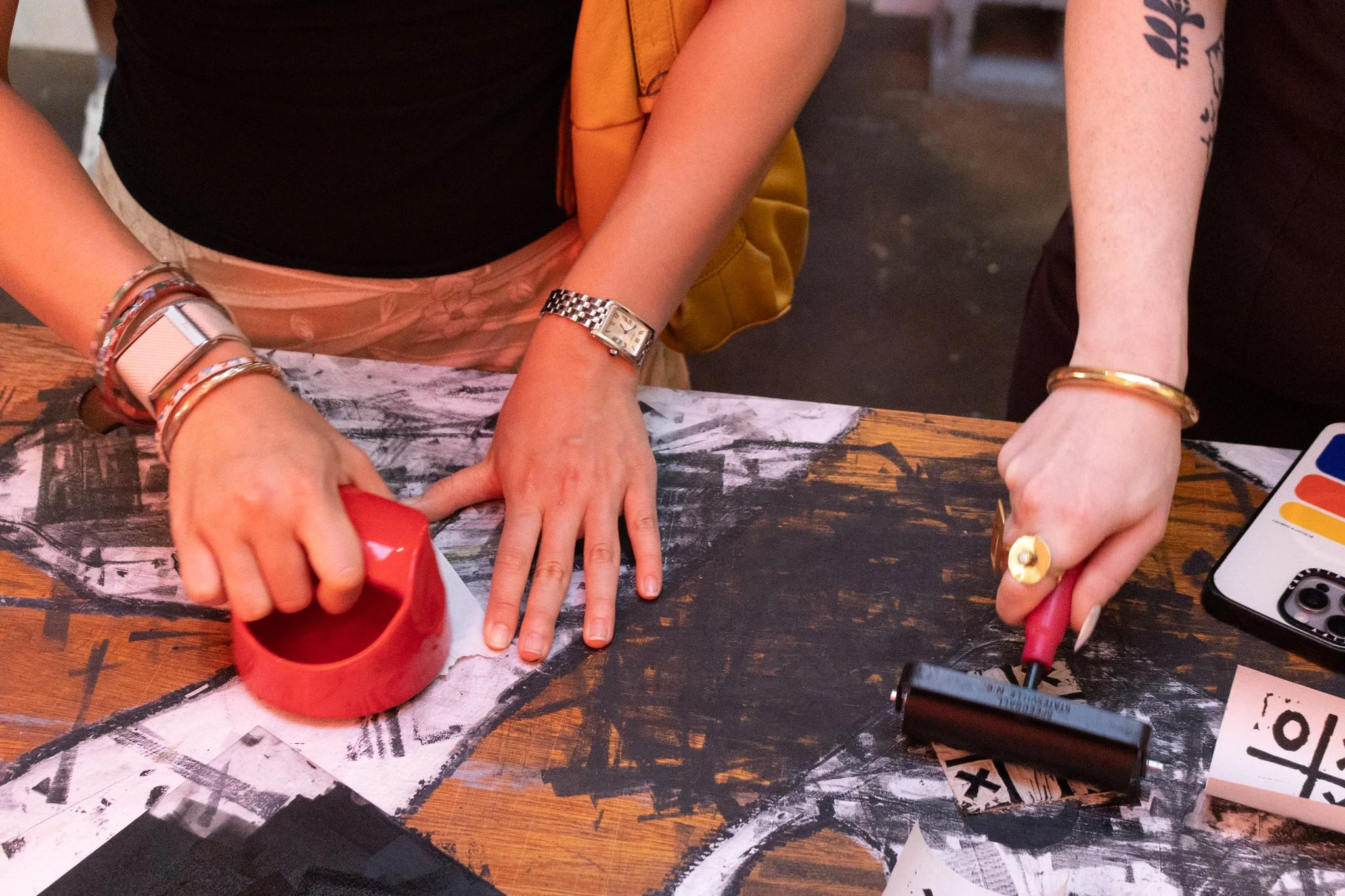
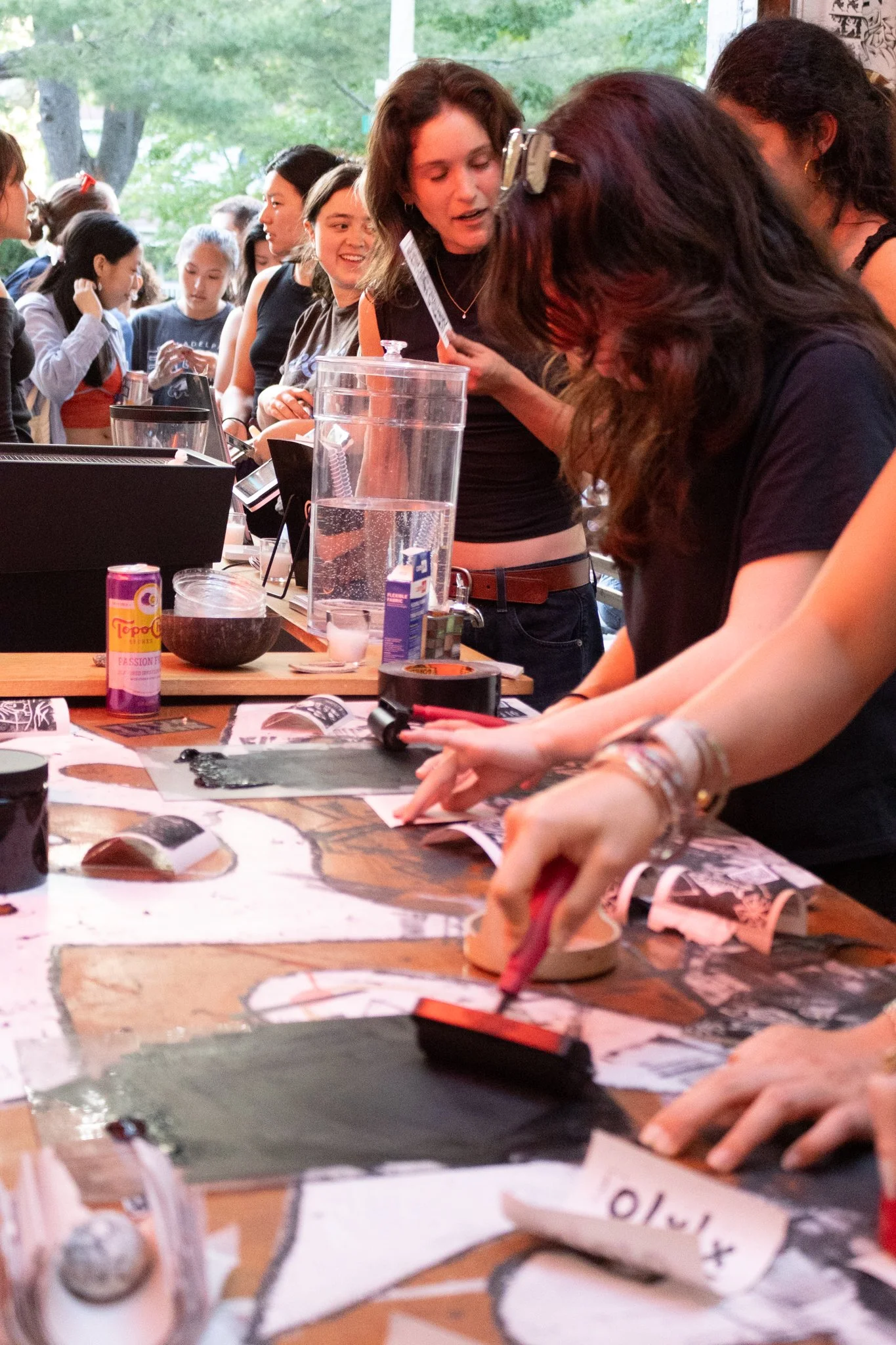
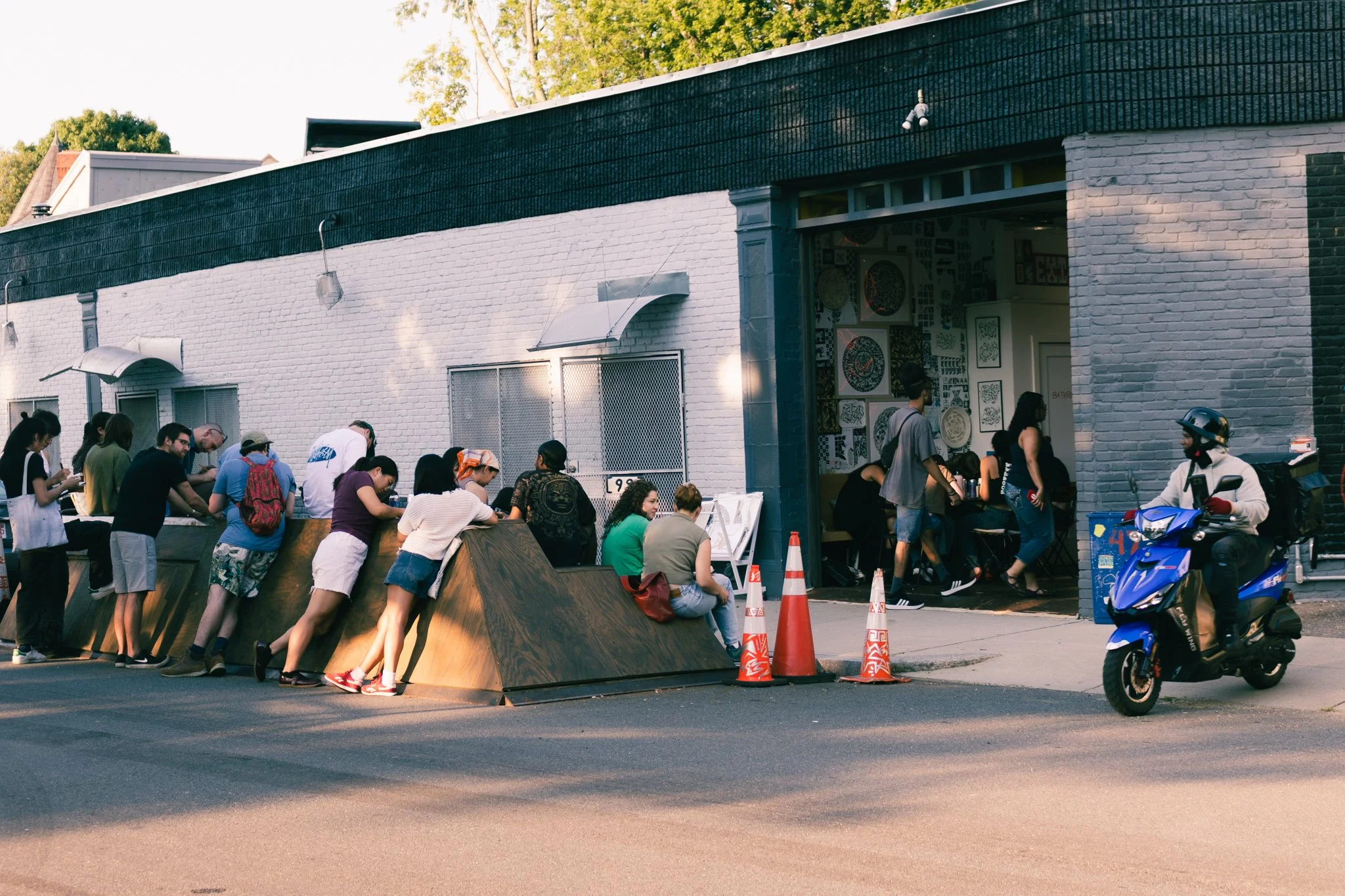
photography by Luke Worthylake


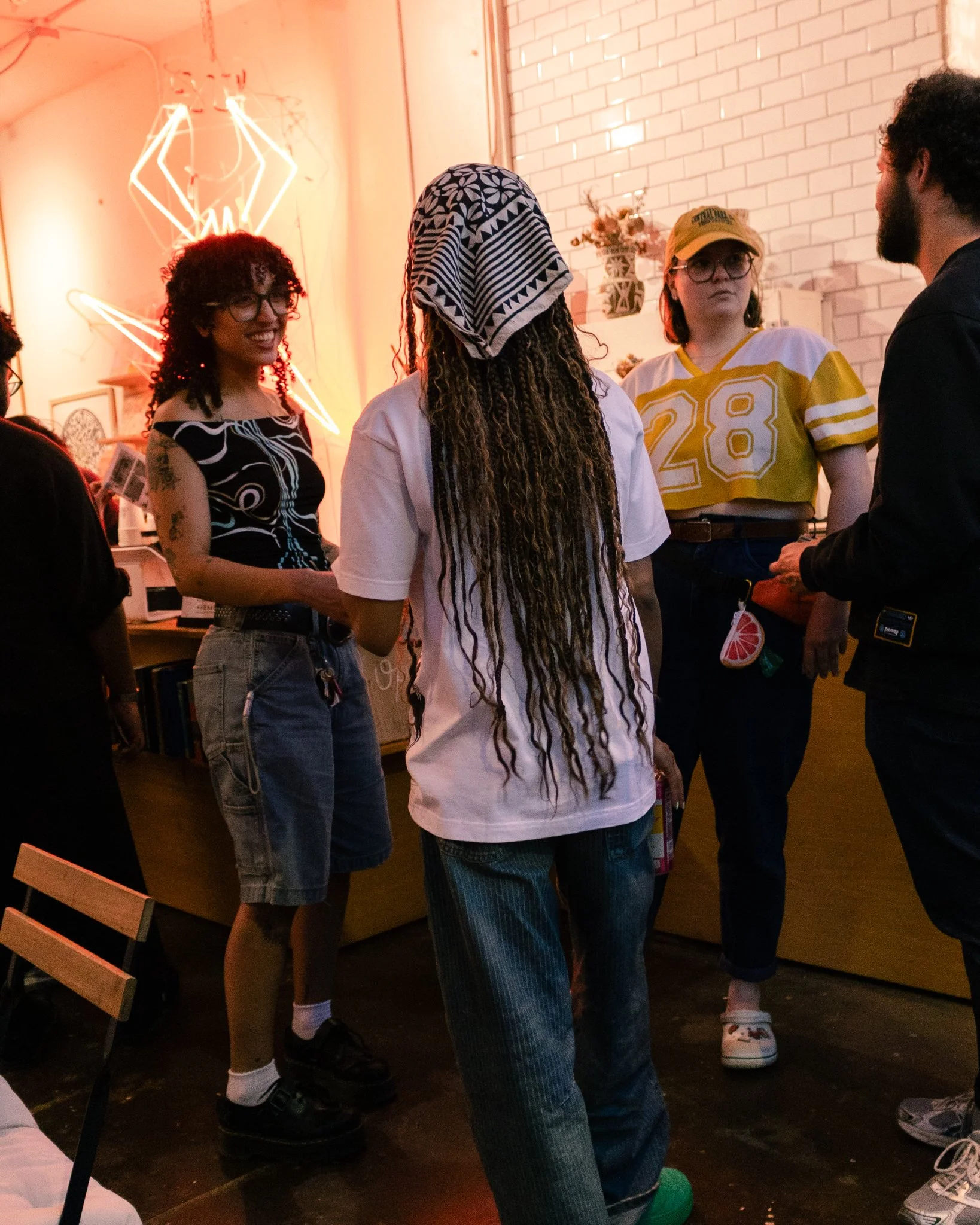
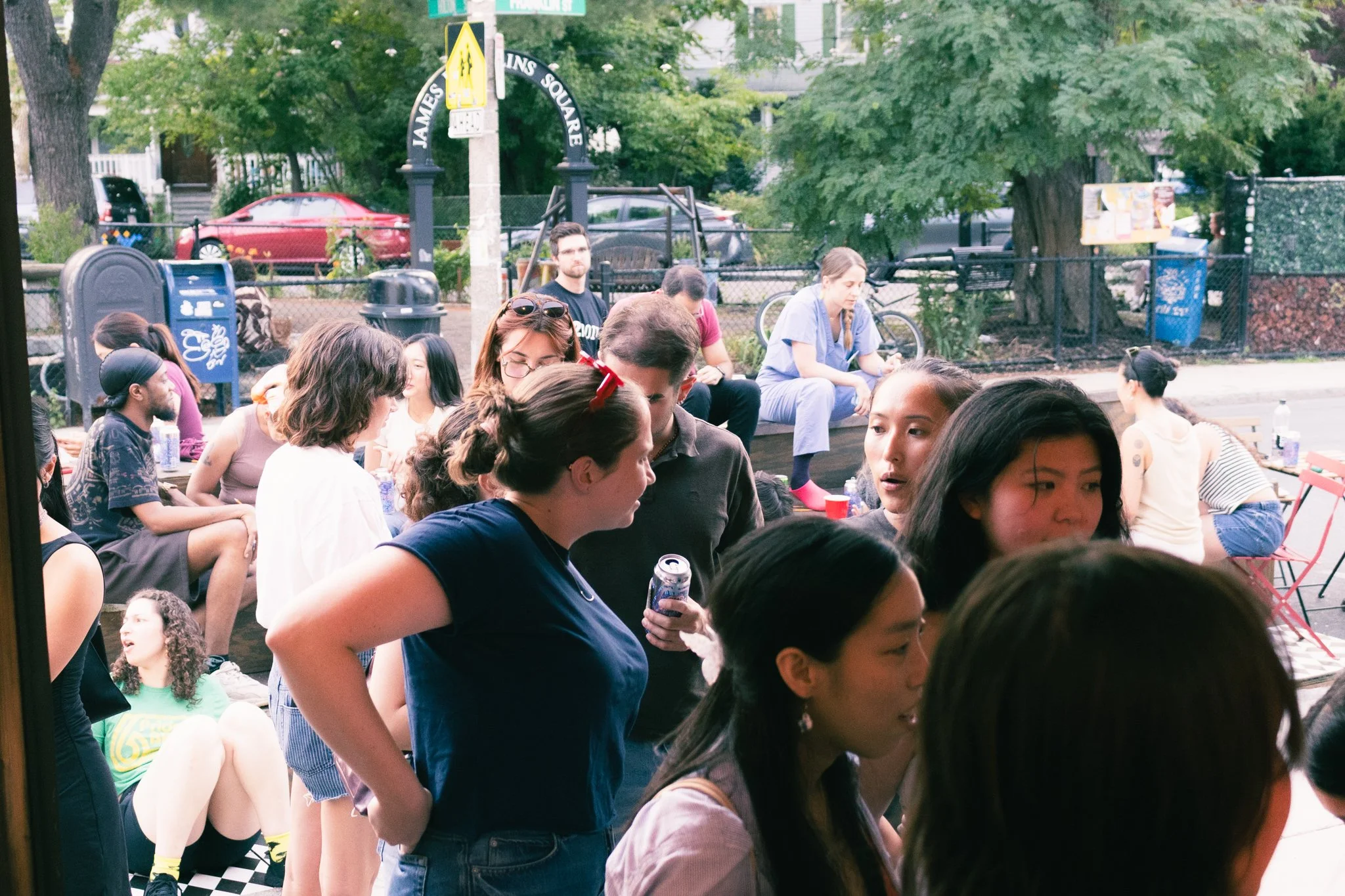
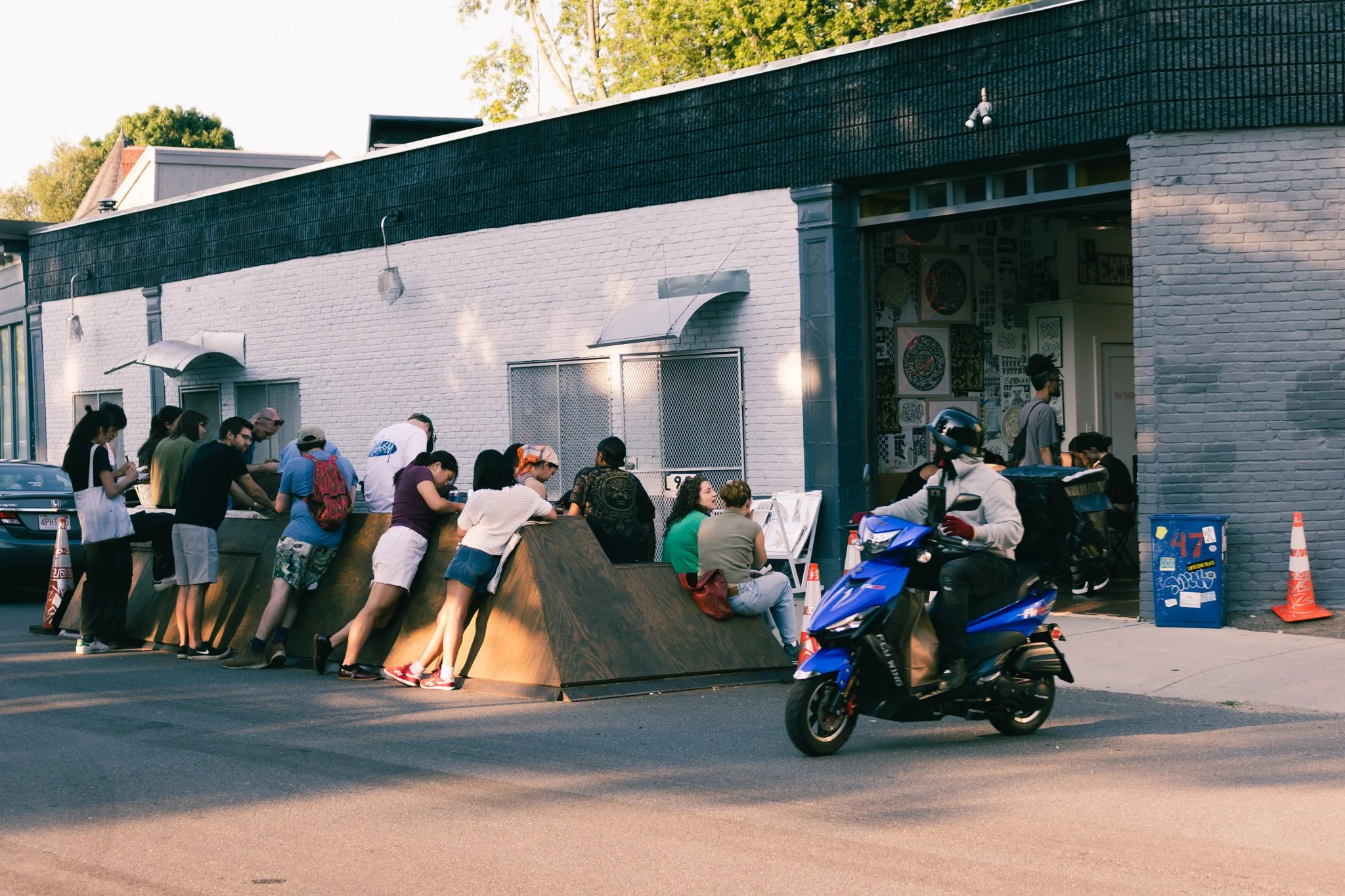
photography by Luke Worthylake
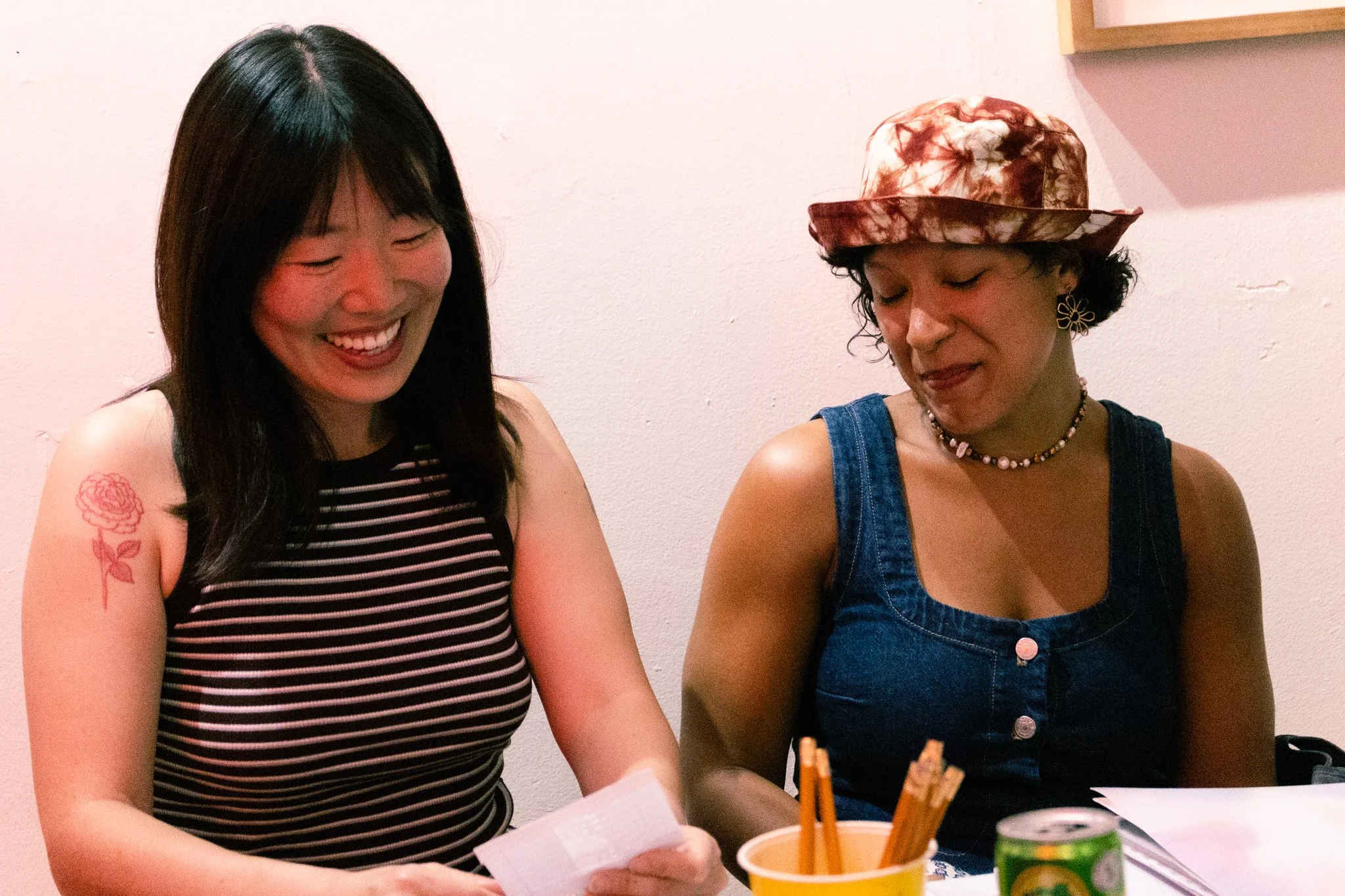
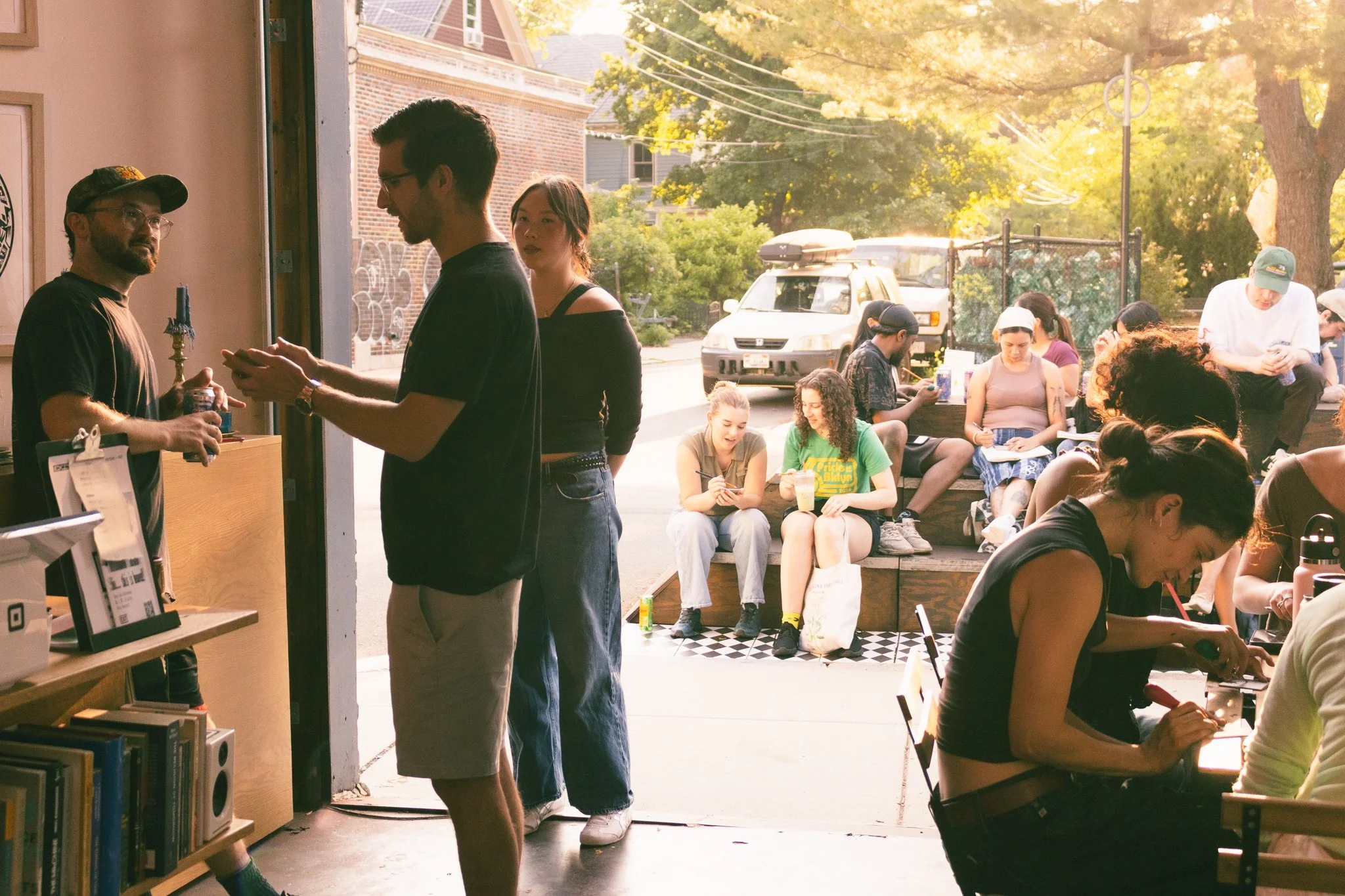
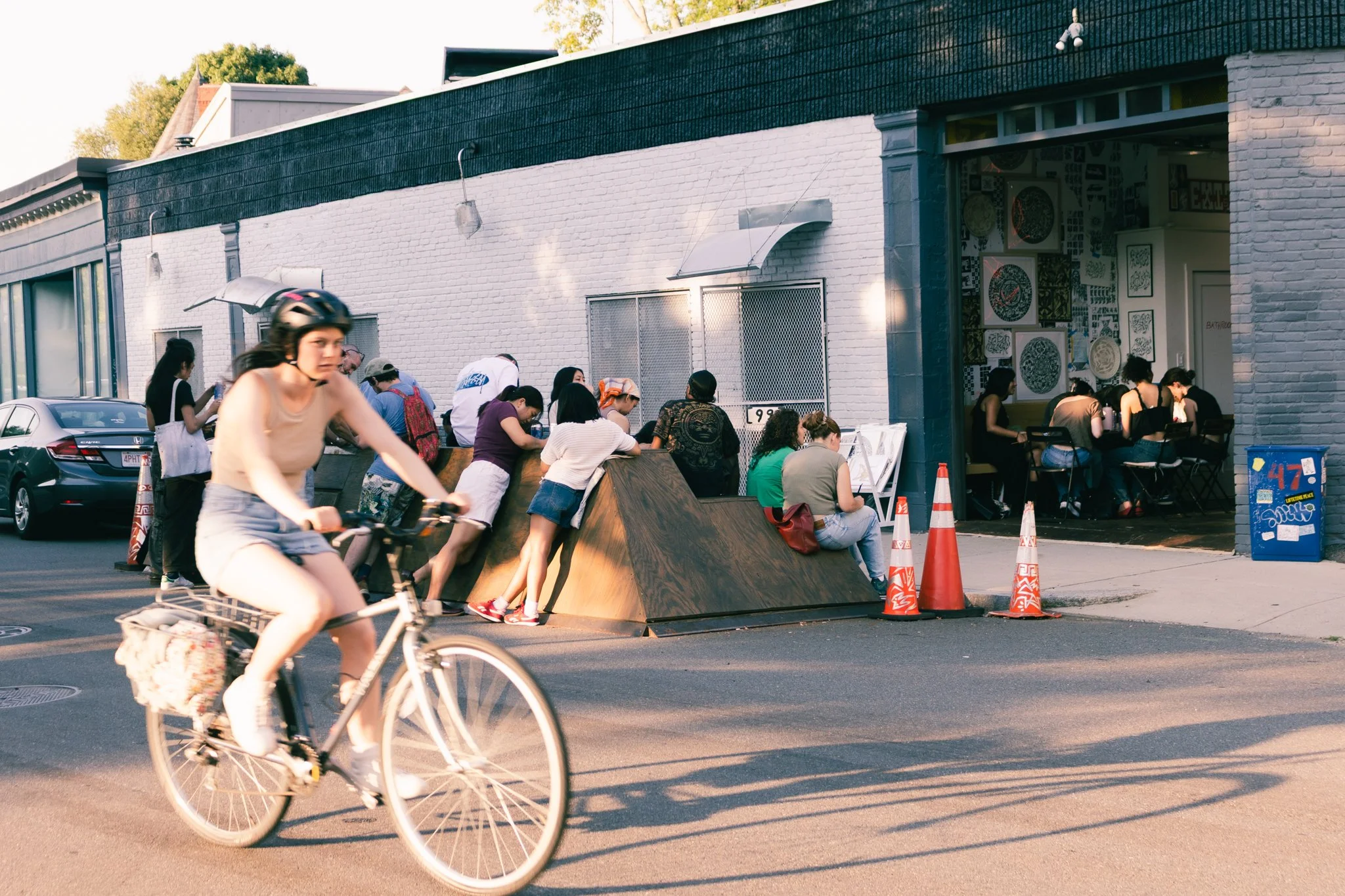
photography by Vikram Valluri


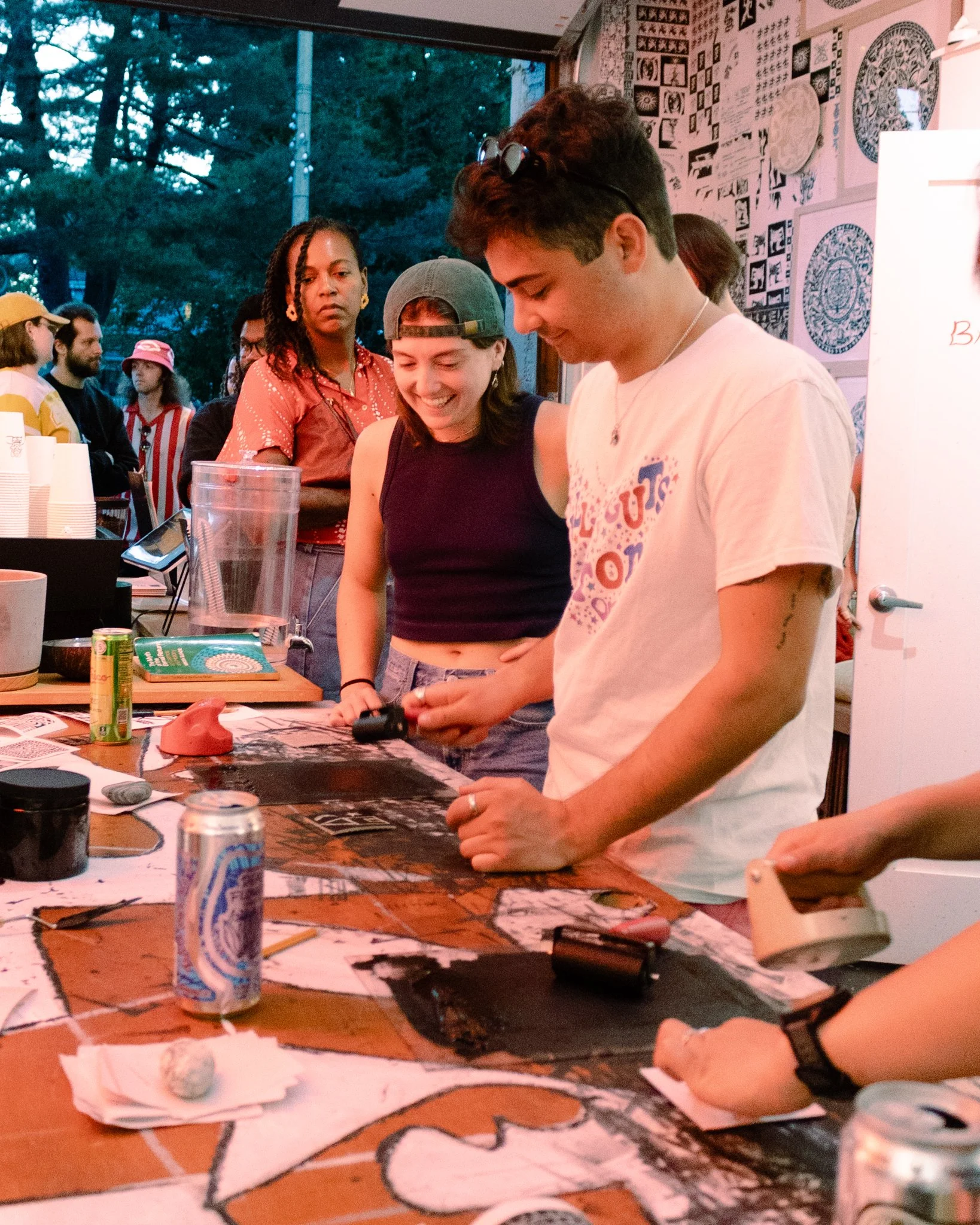
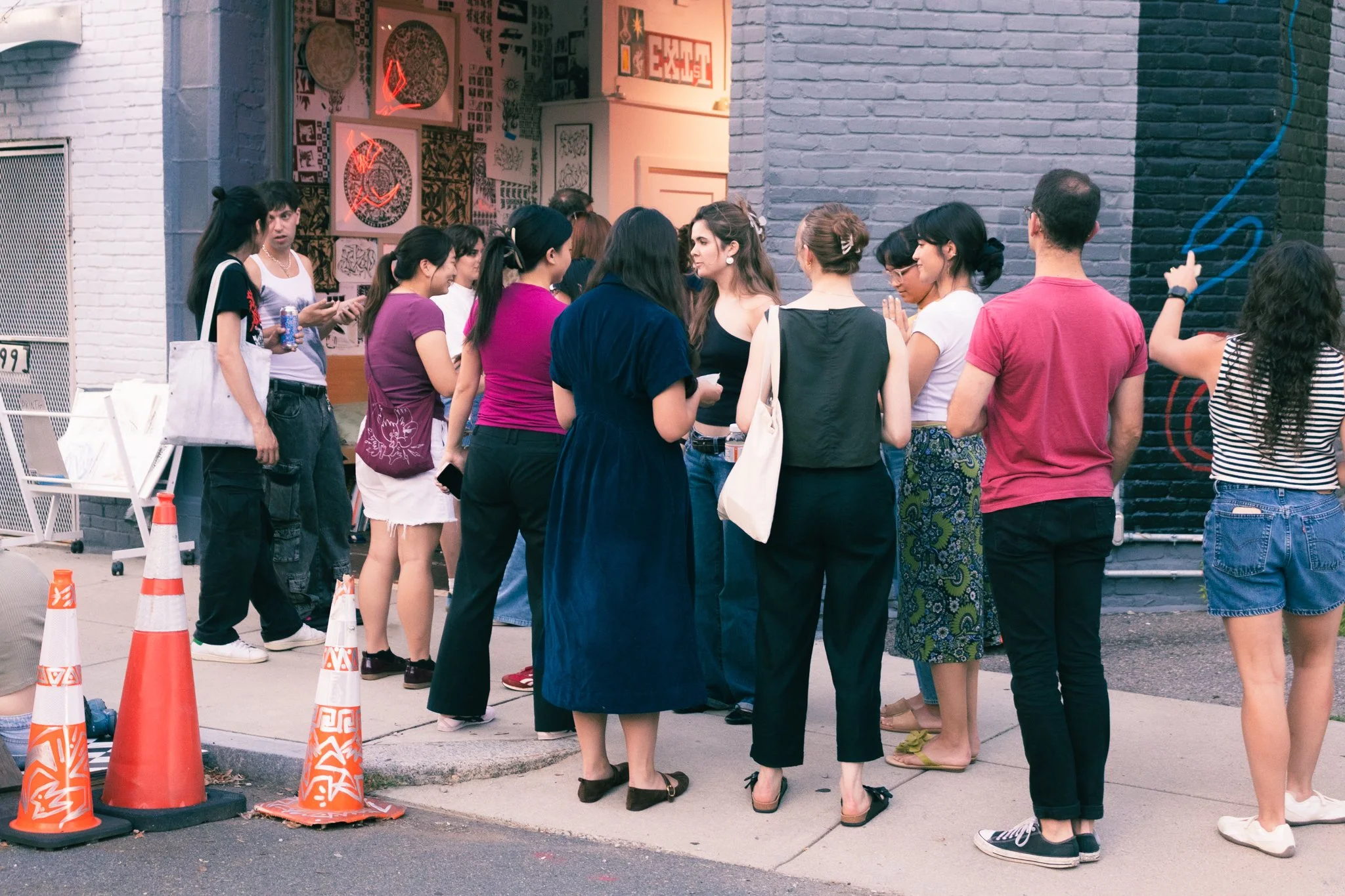
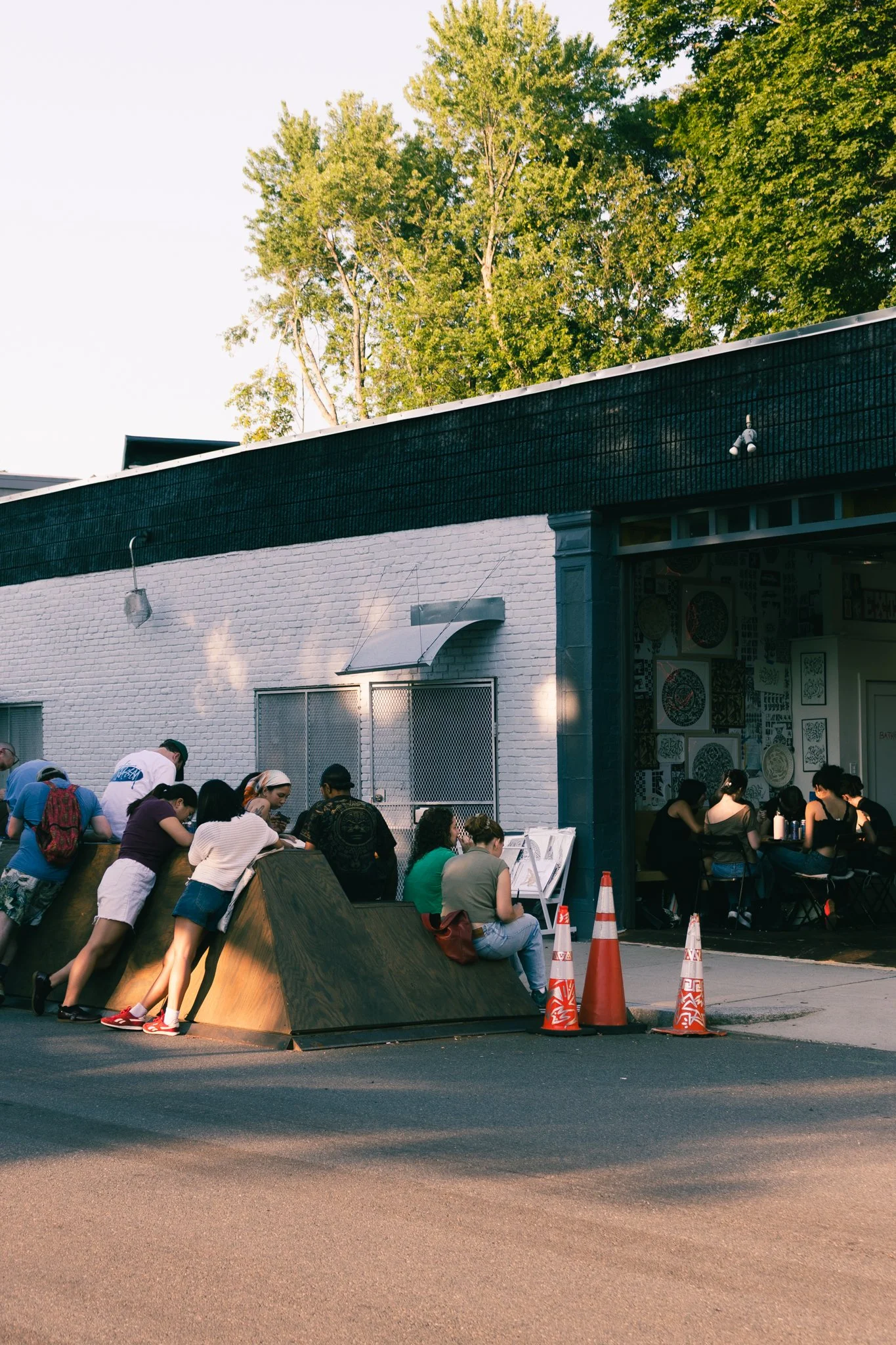
photography by Eric Danescu


photography by Naomi Iraola

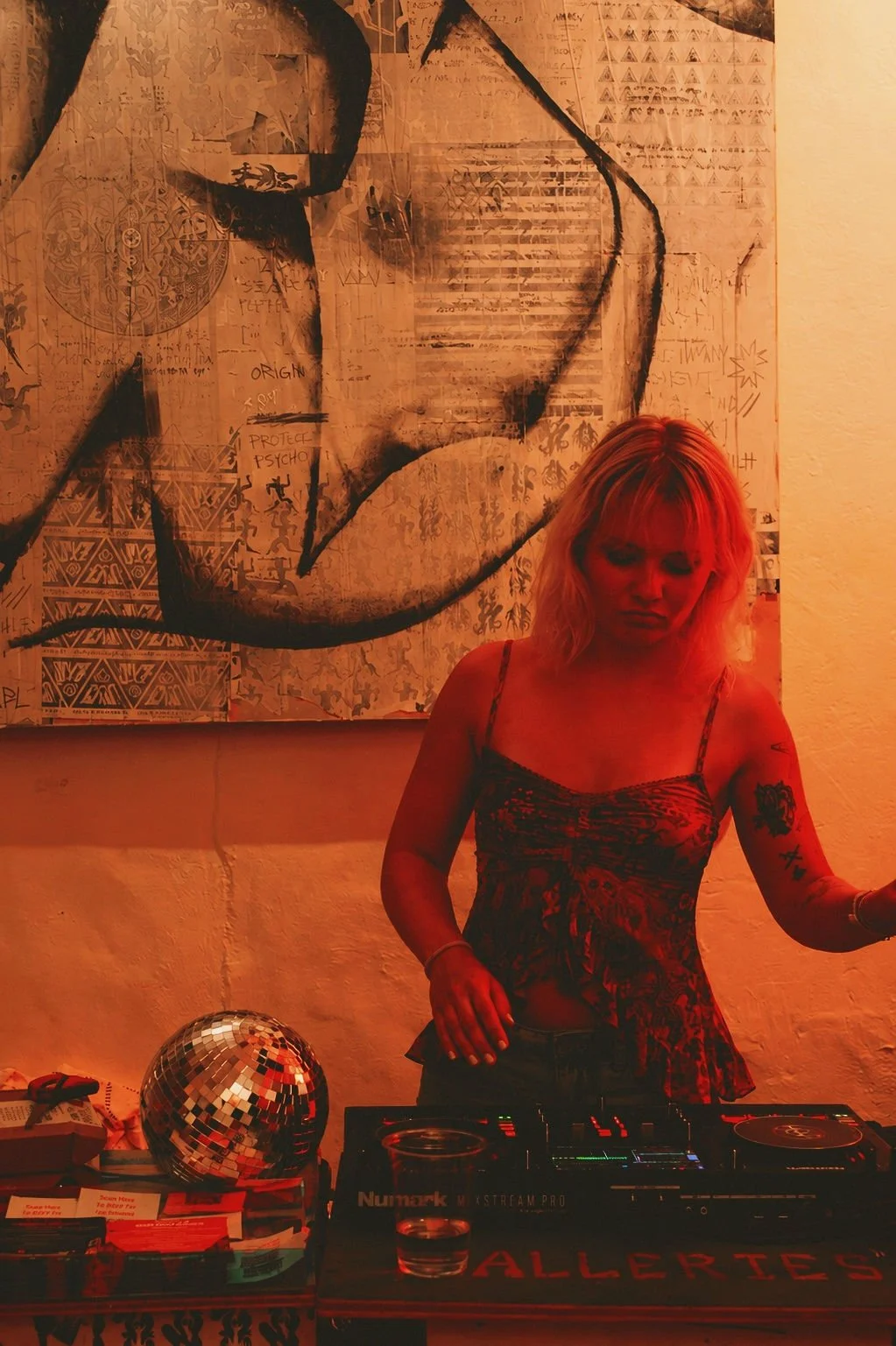







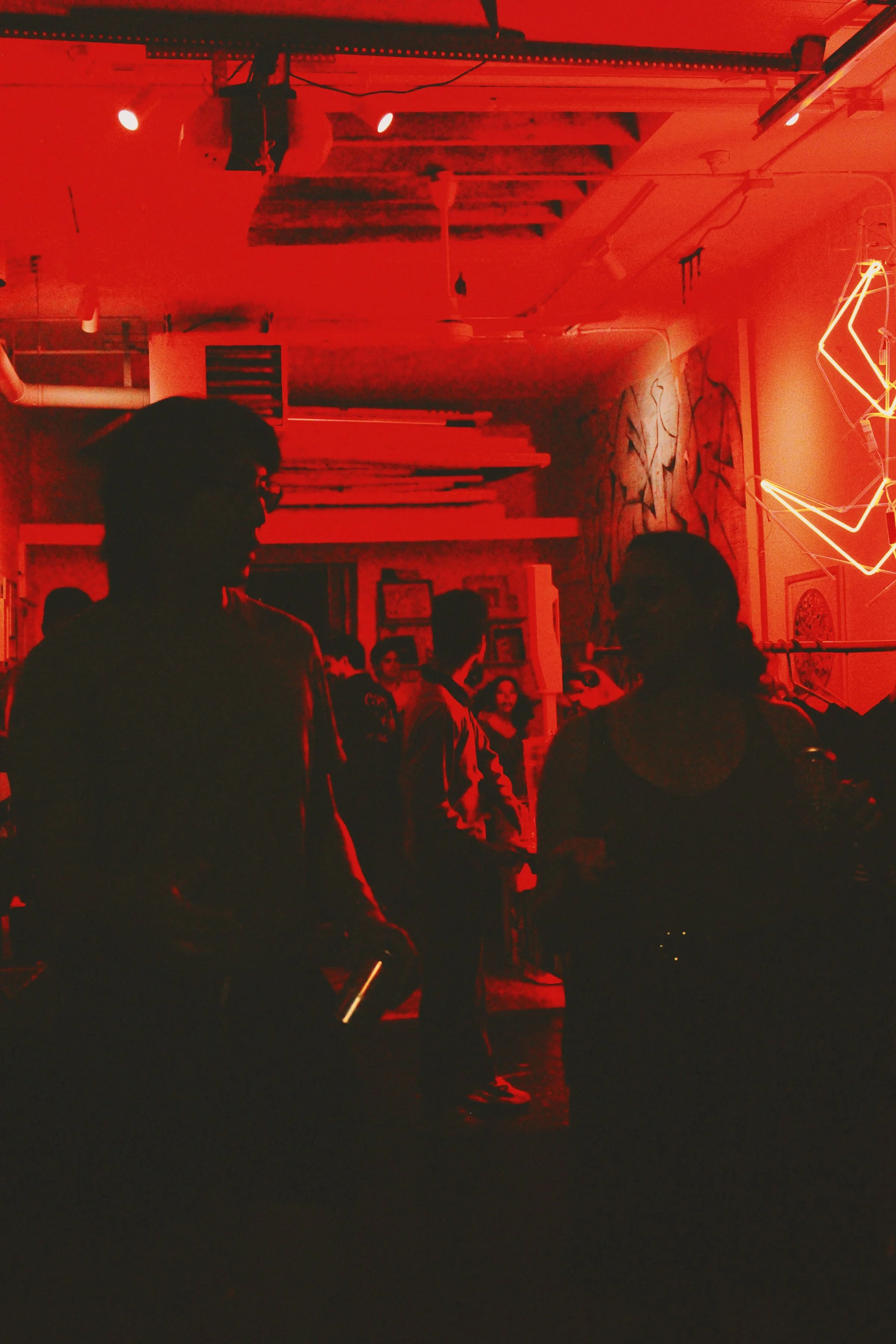
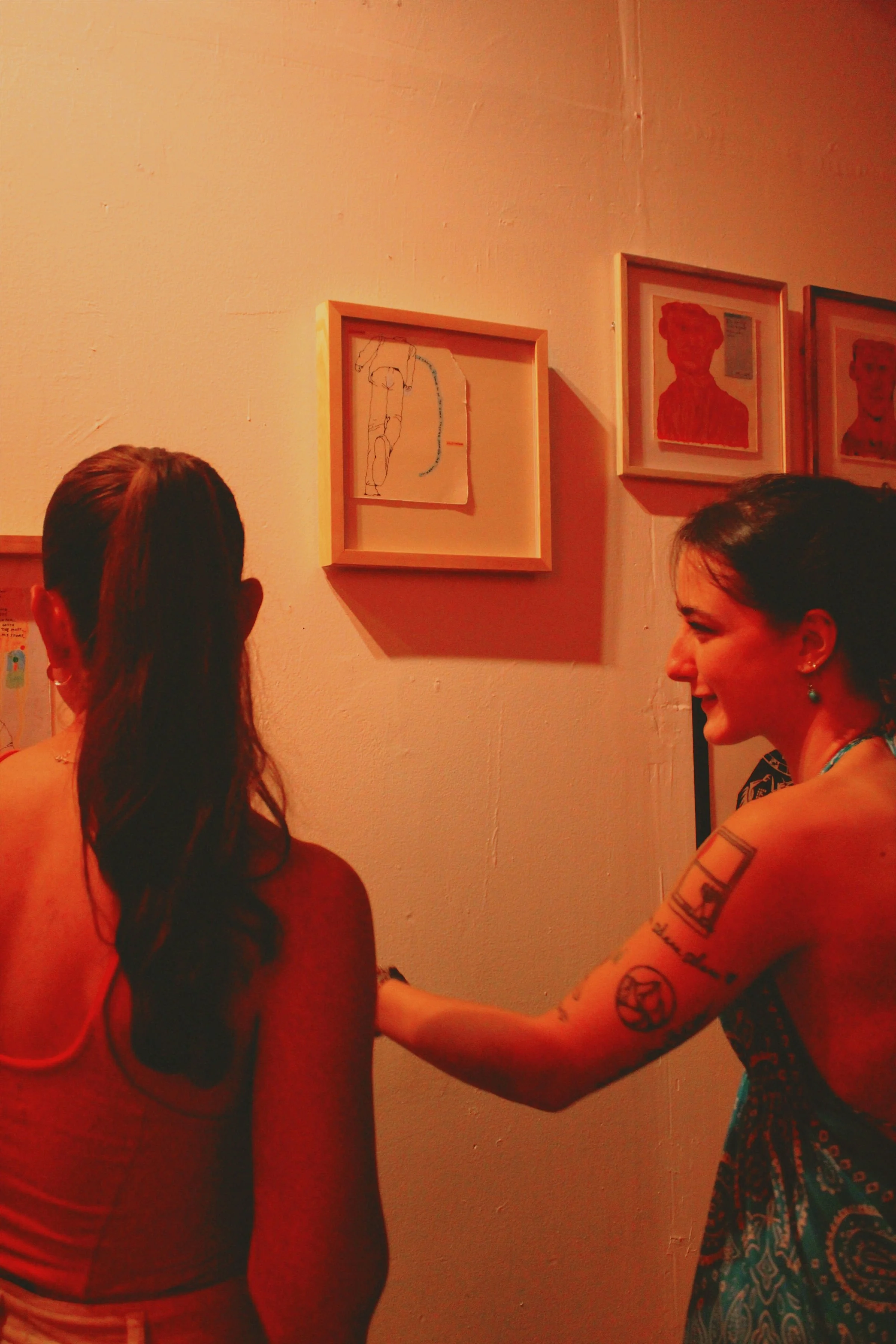


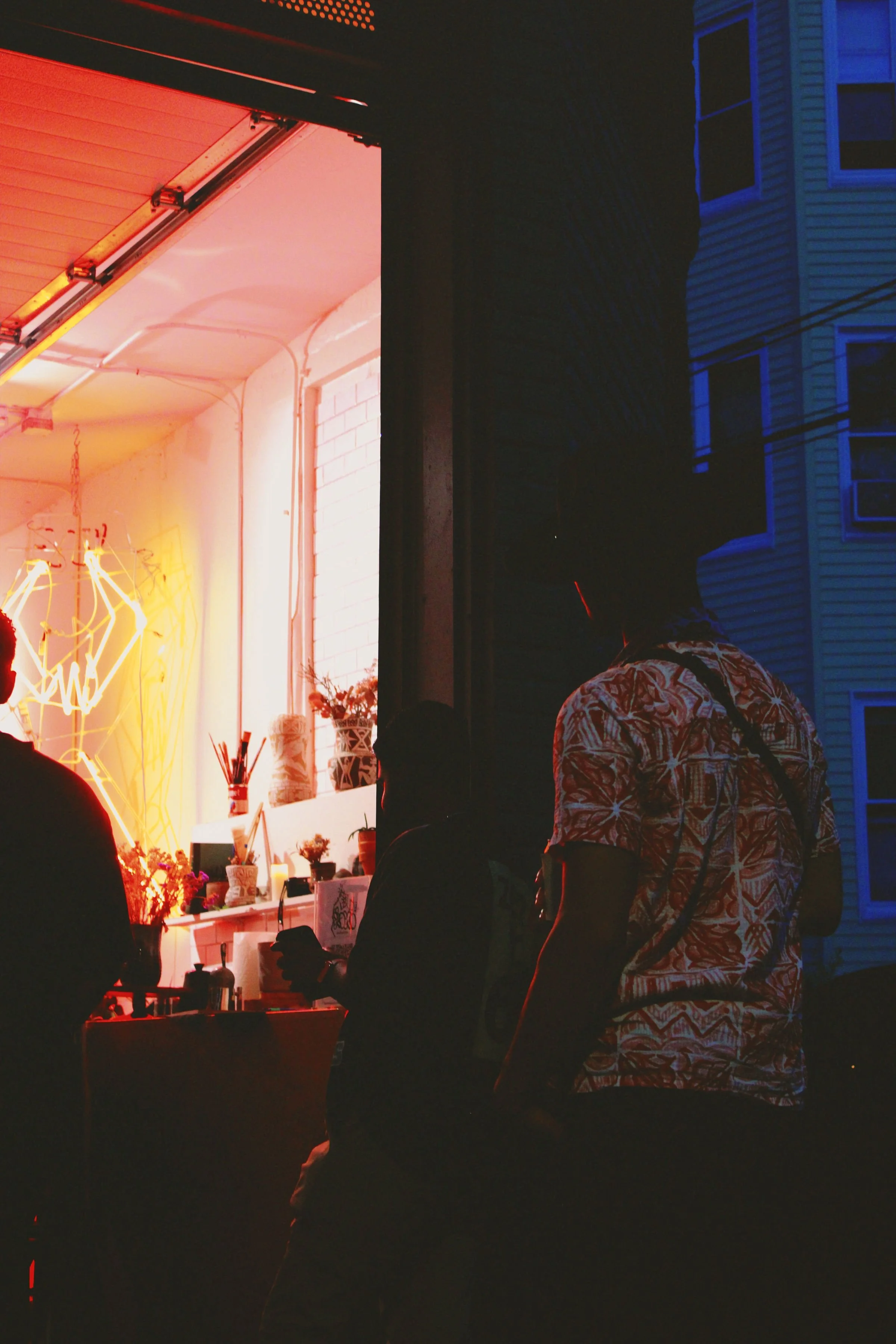


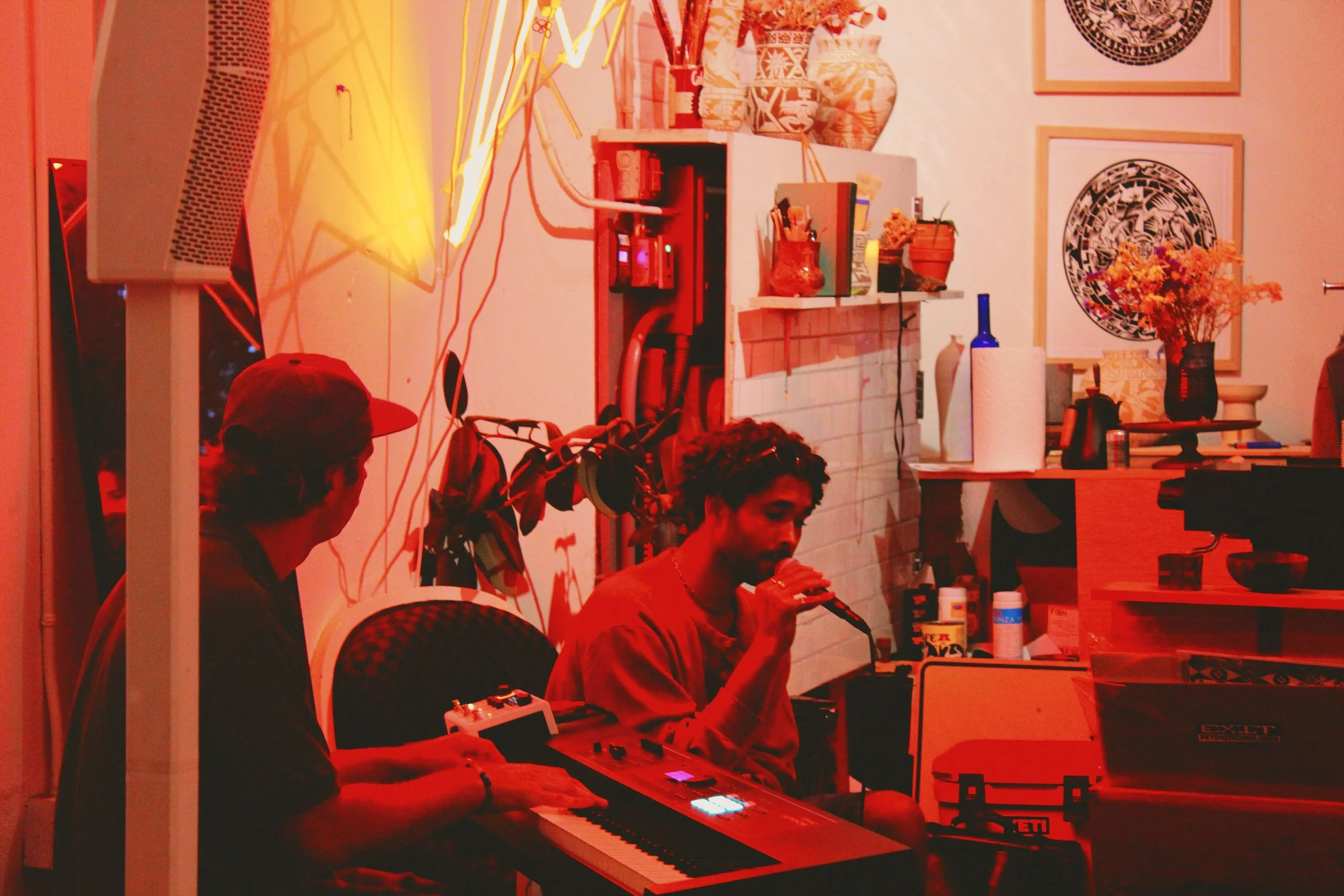

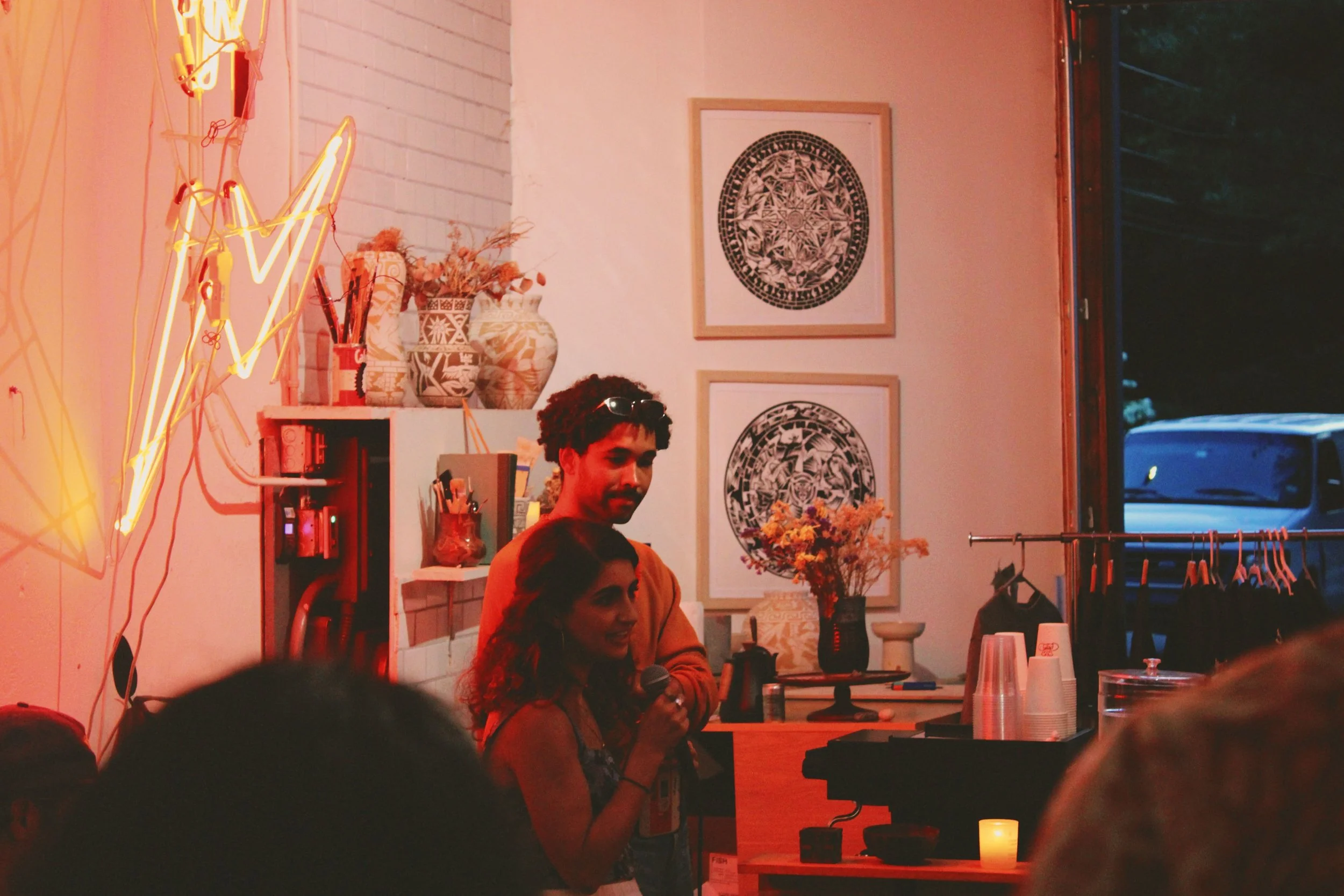


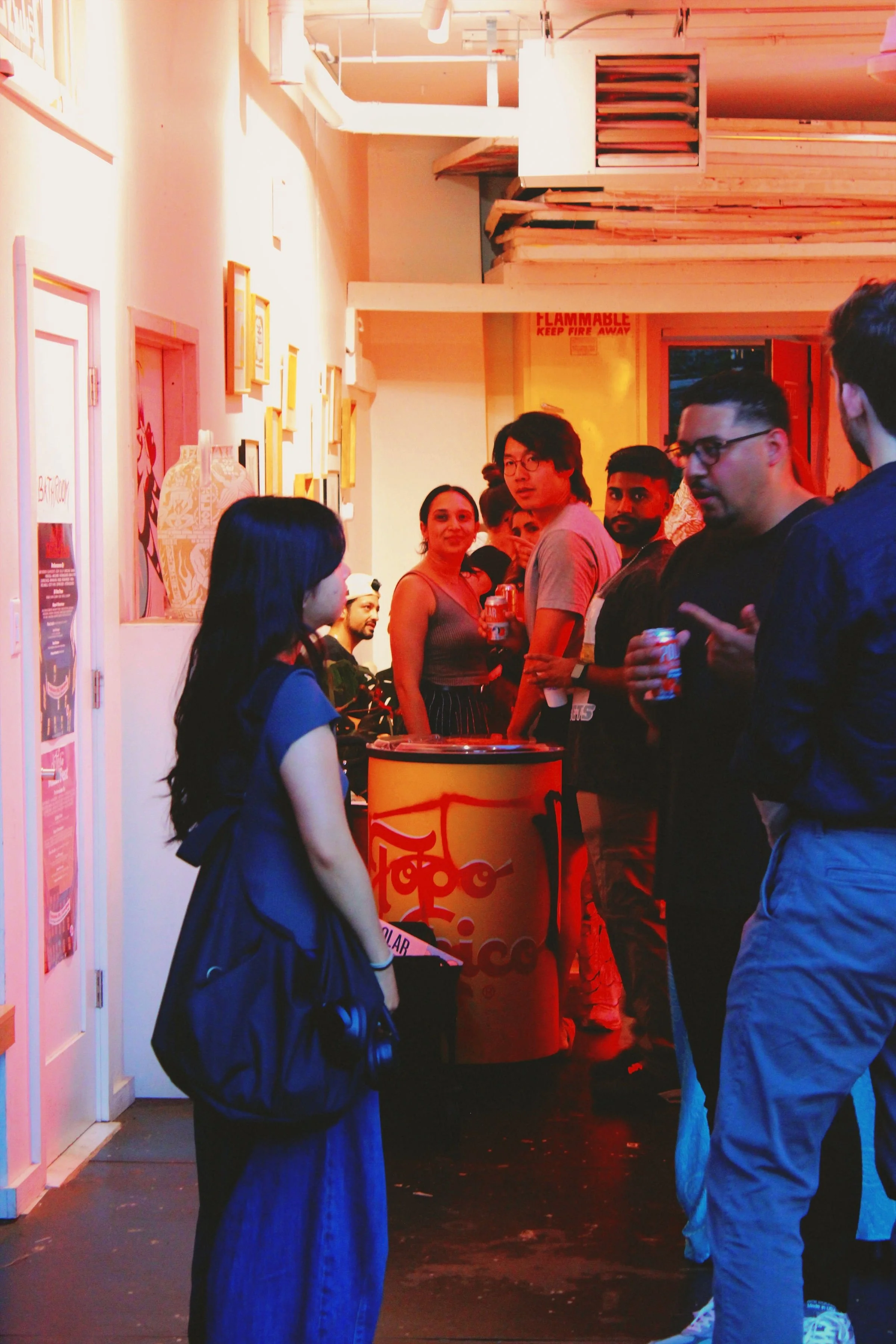


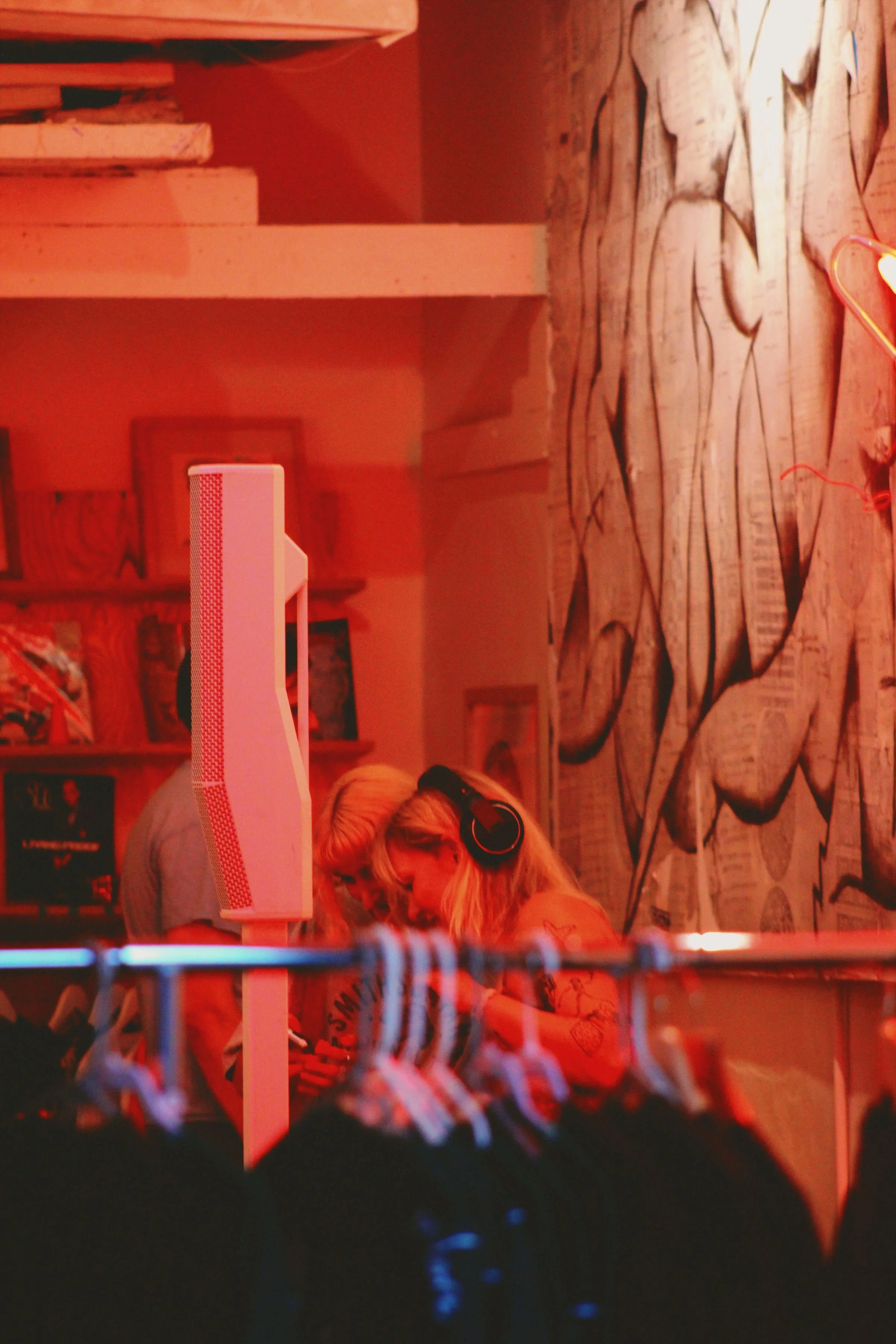

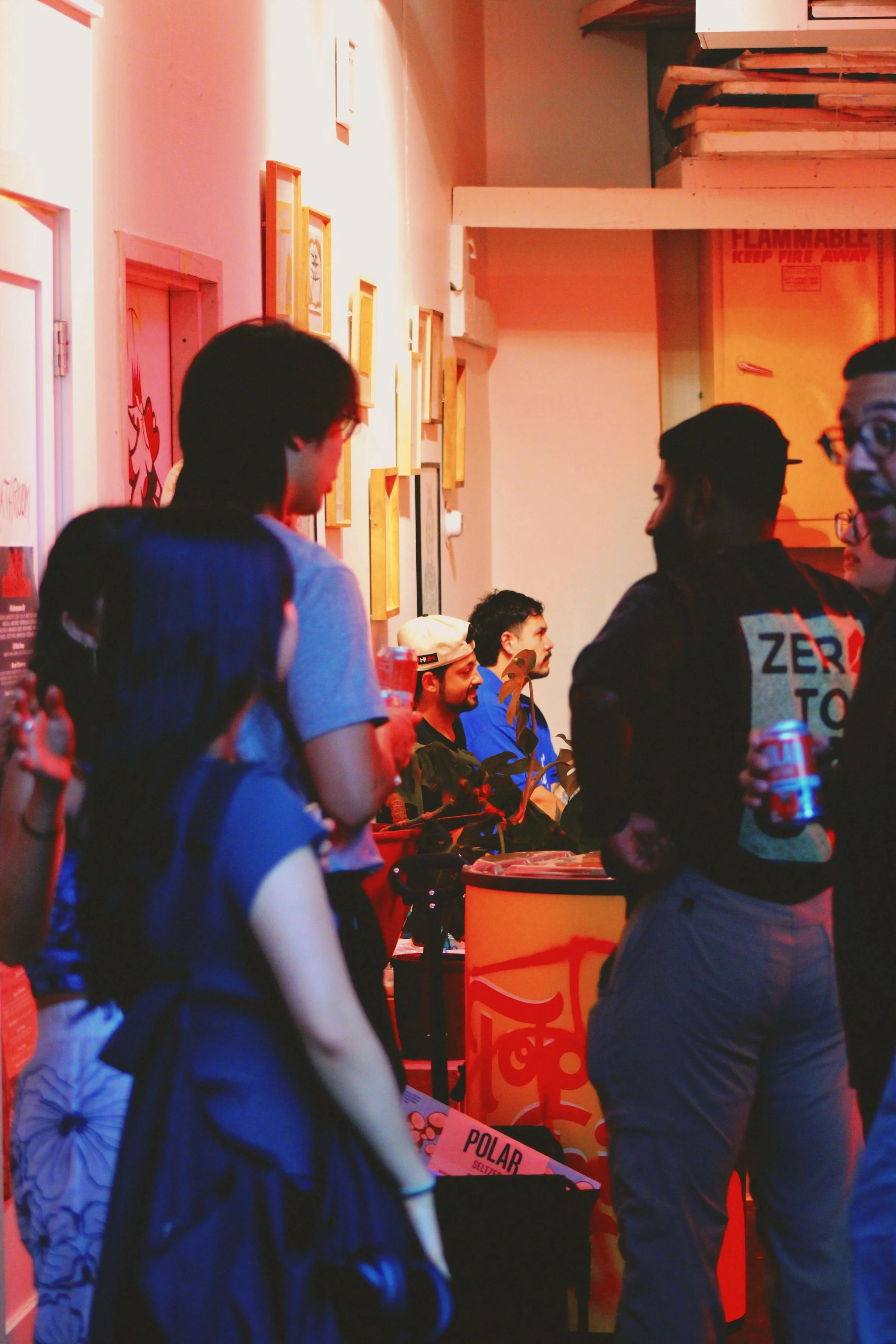


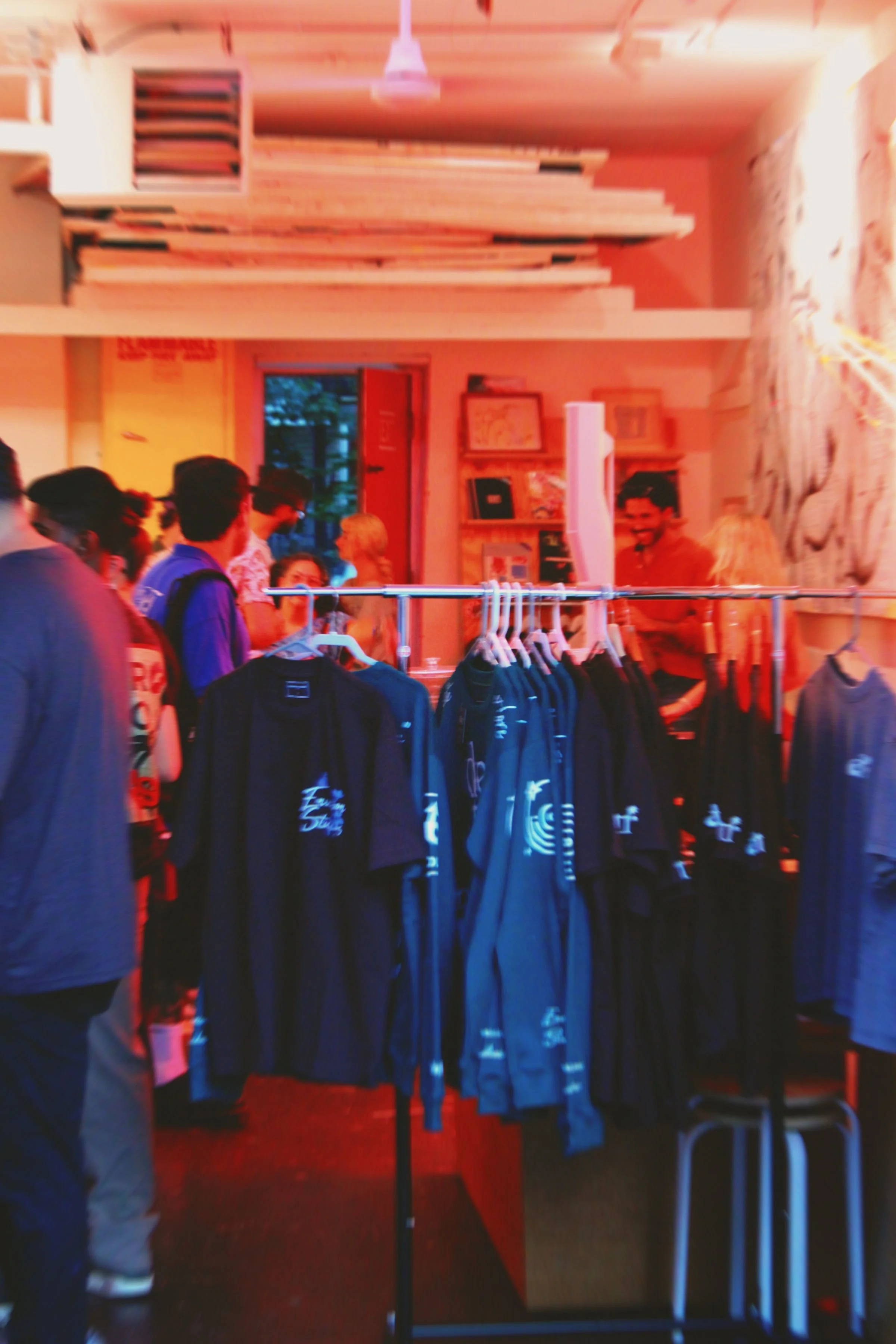


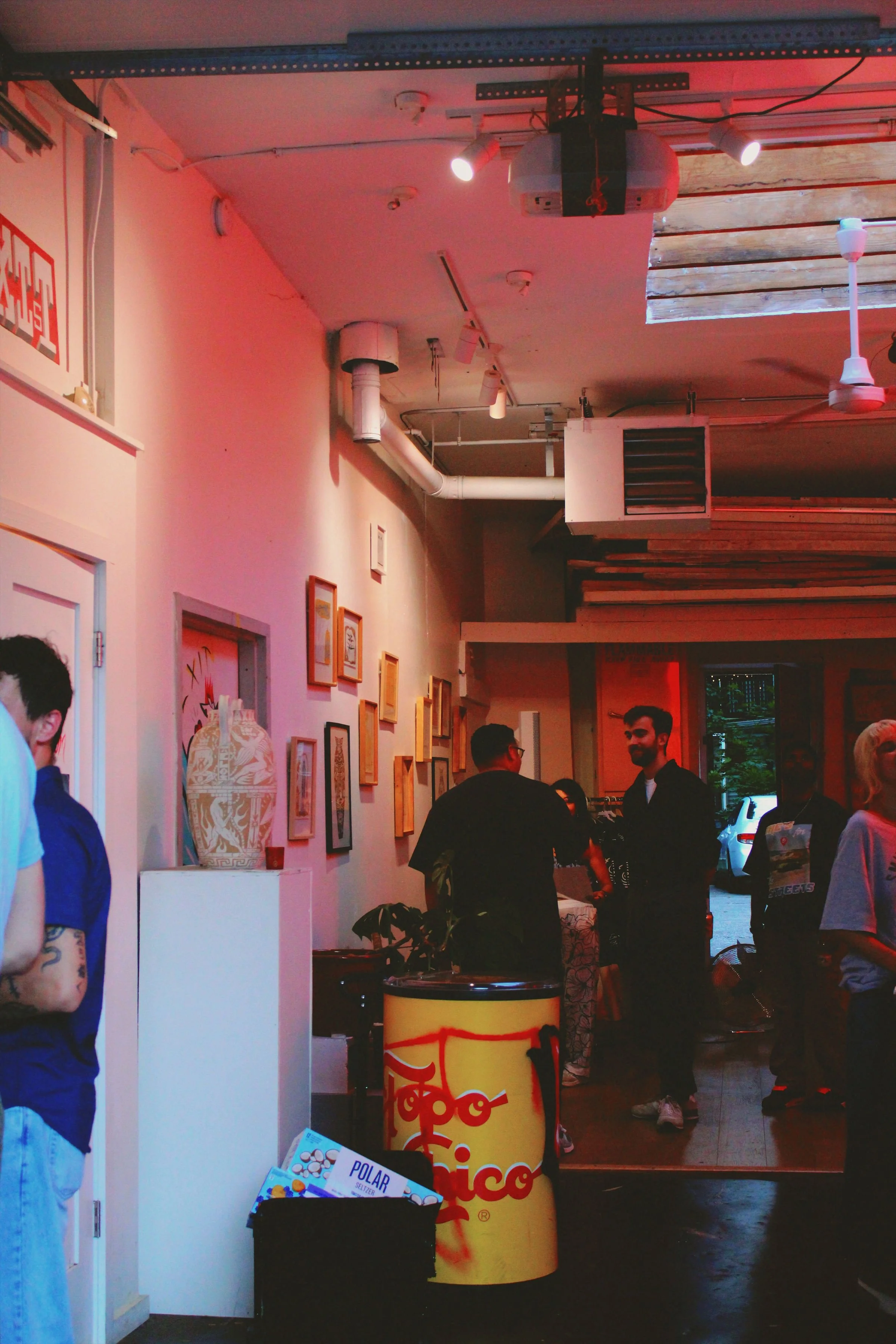

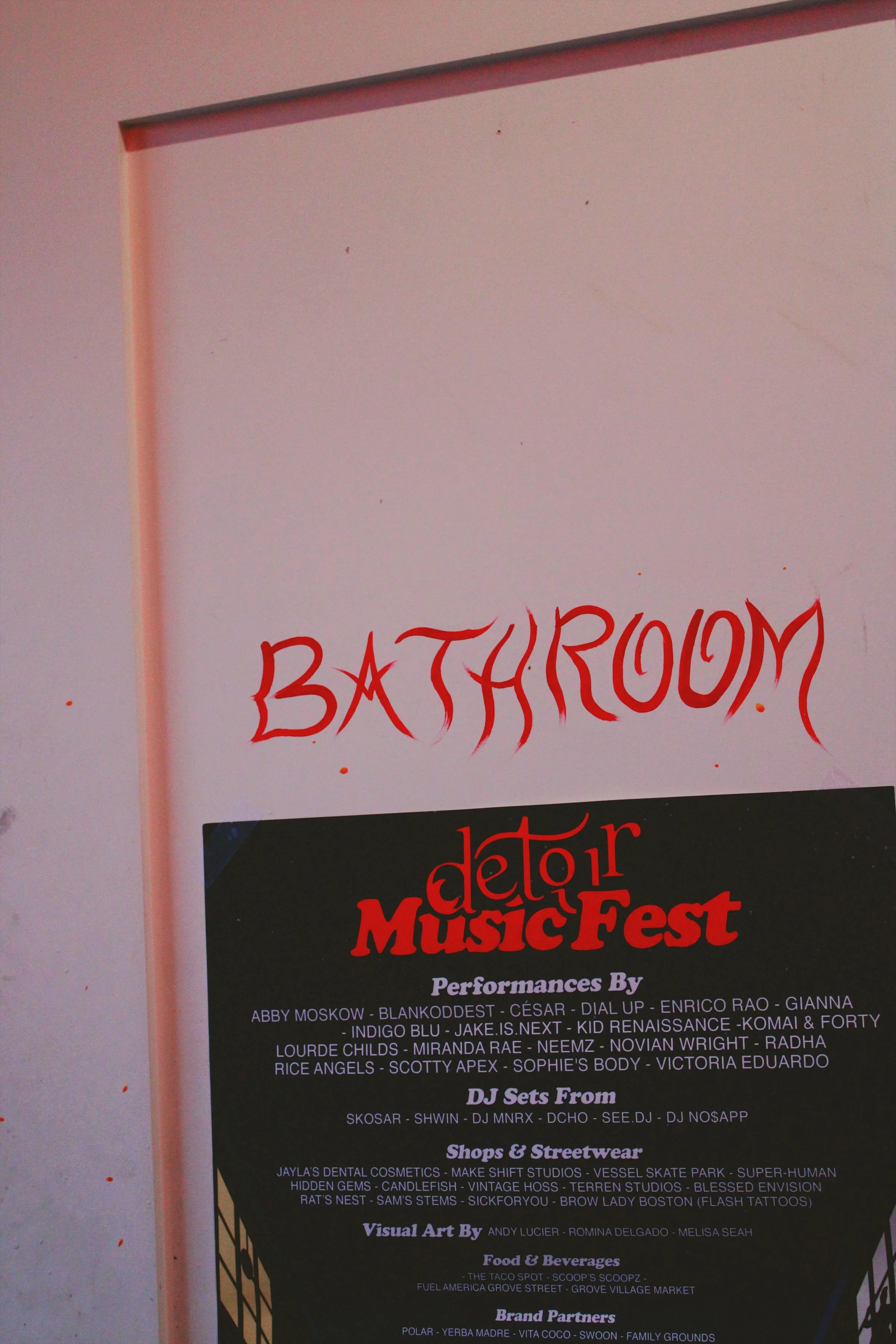













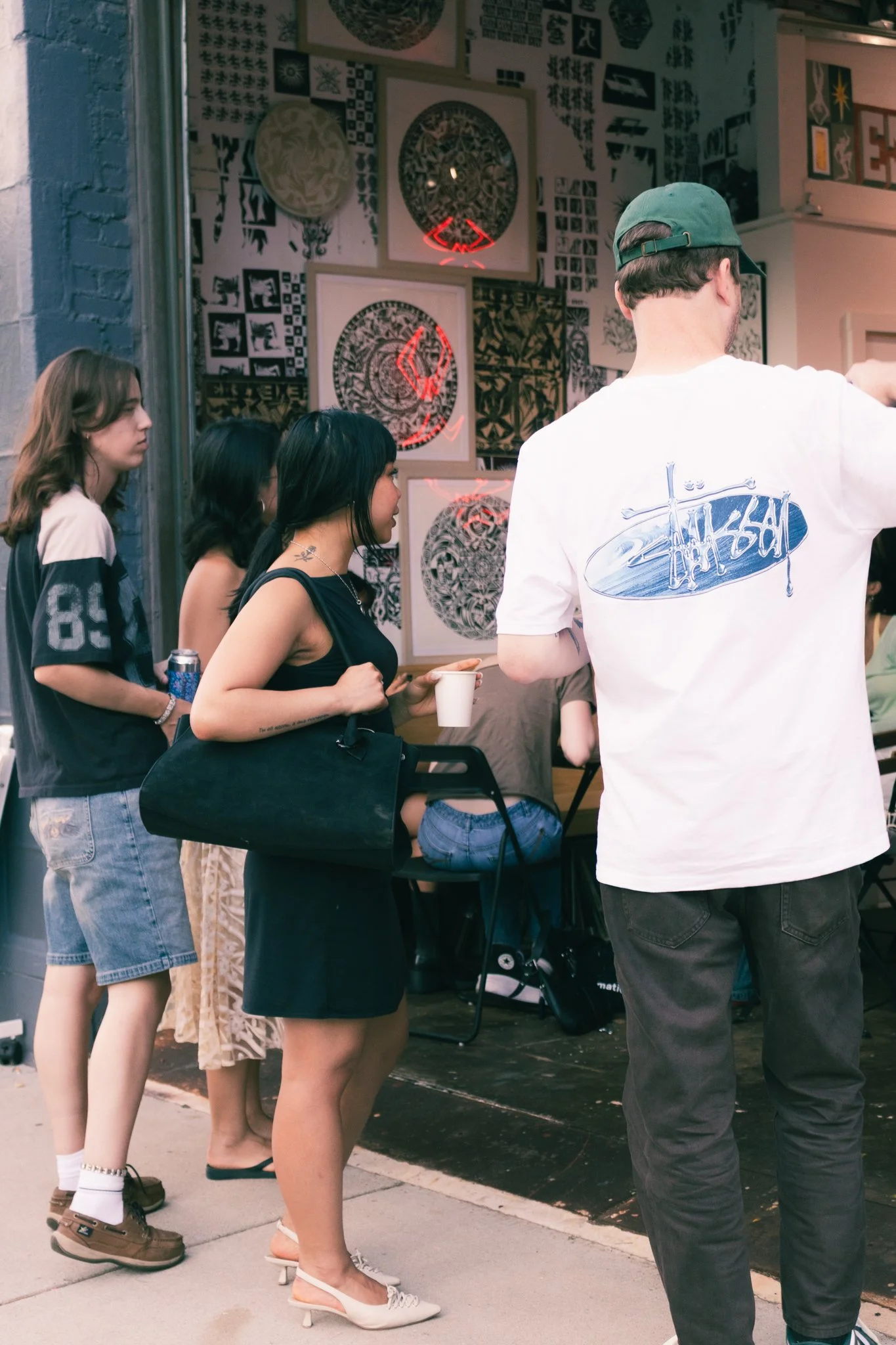
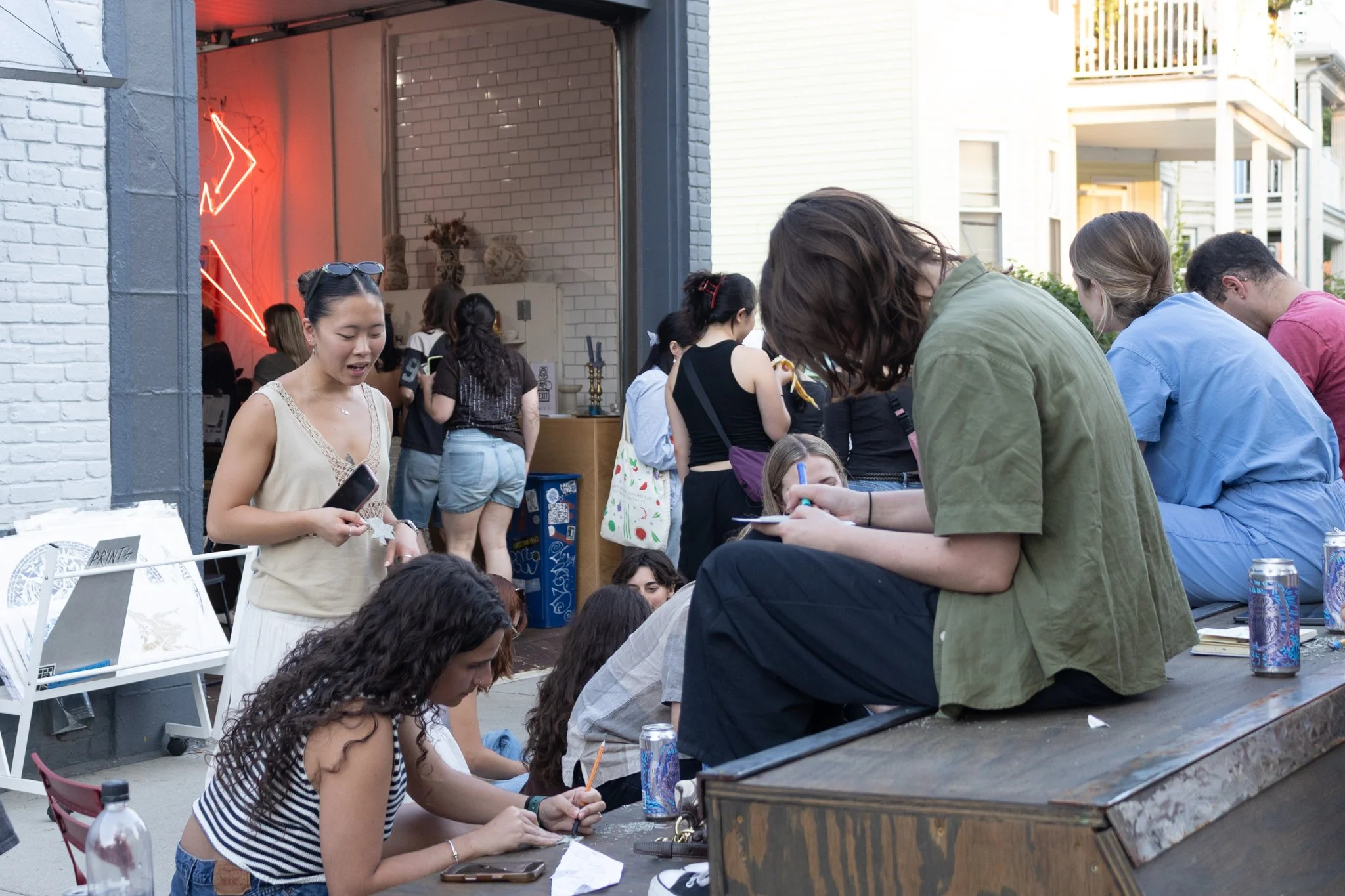


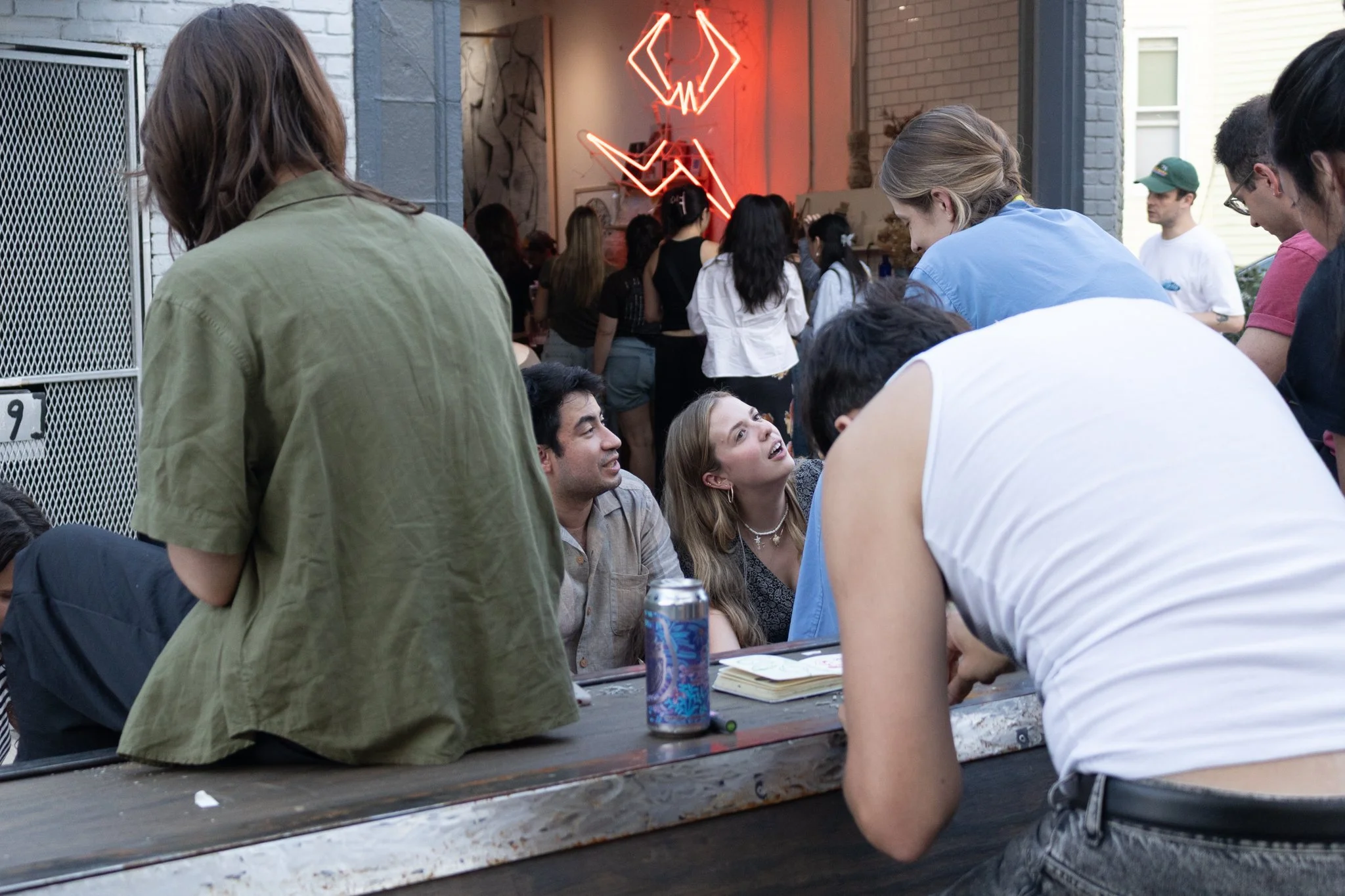


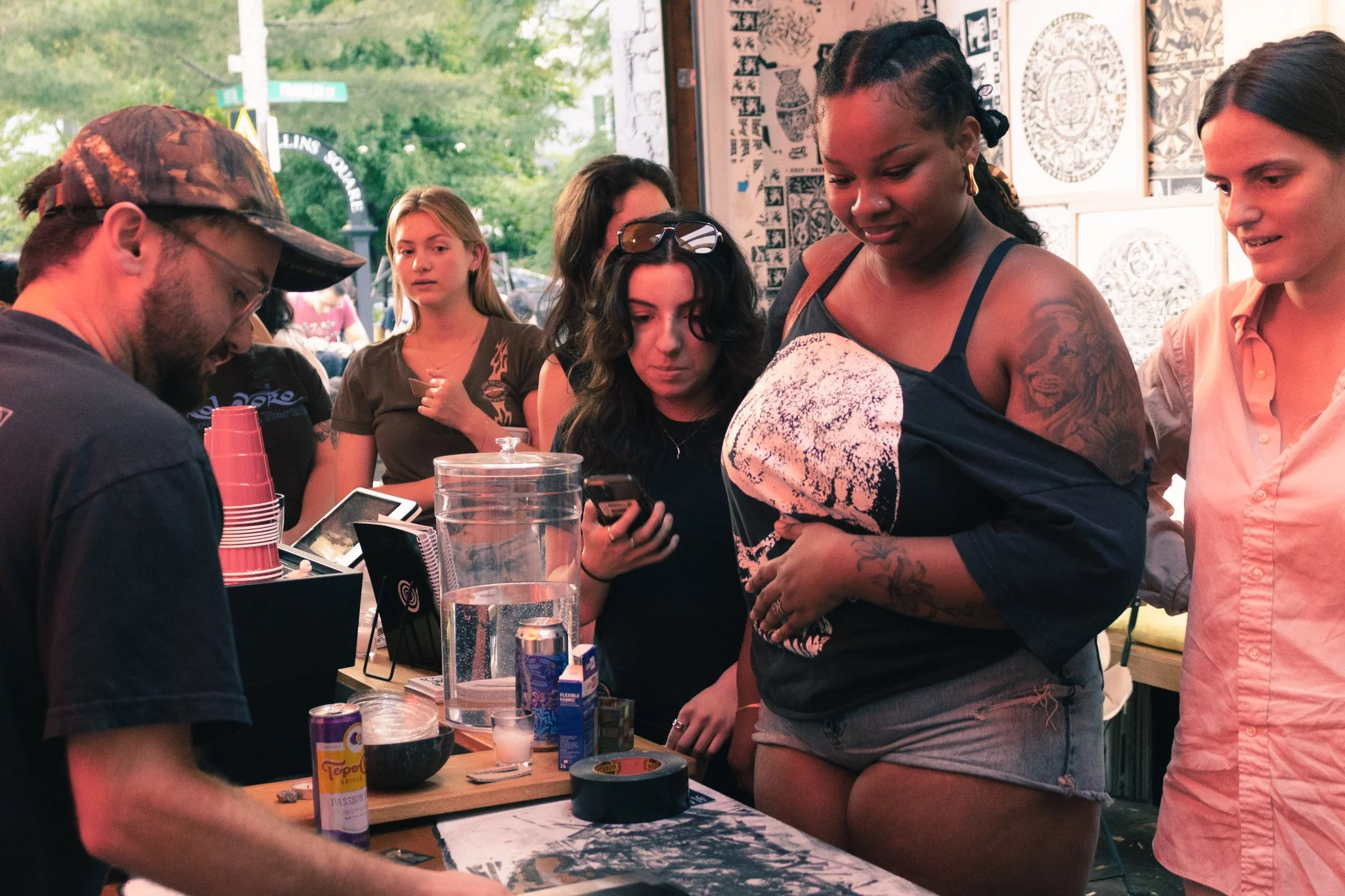













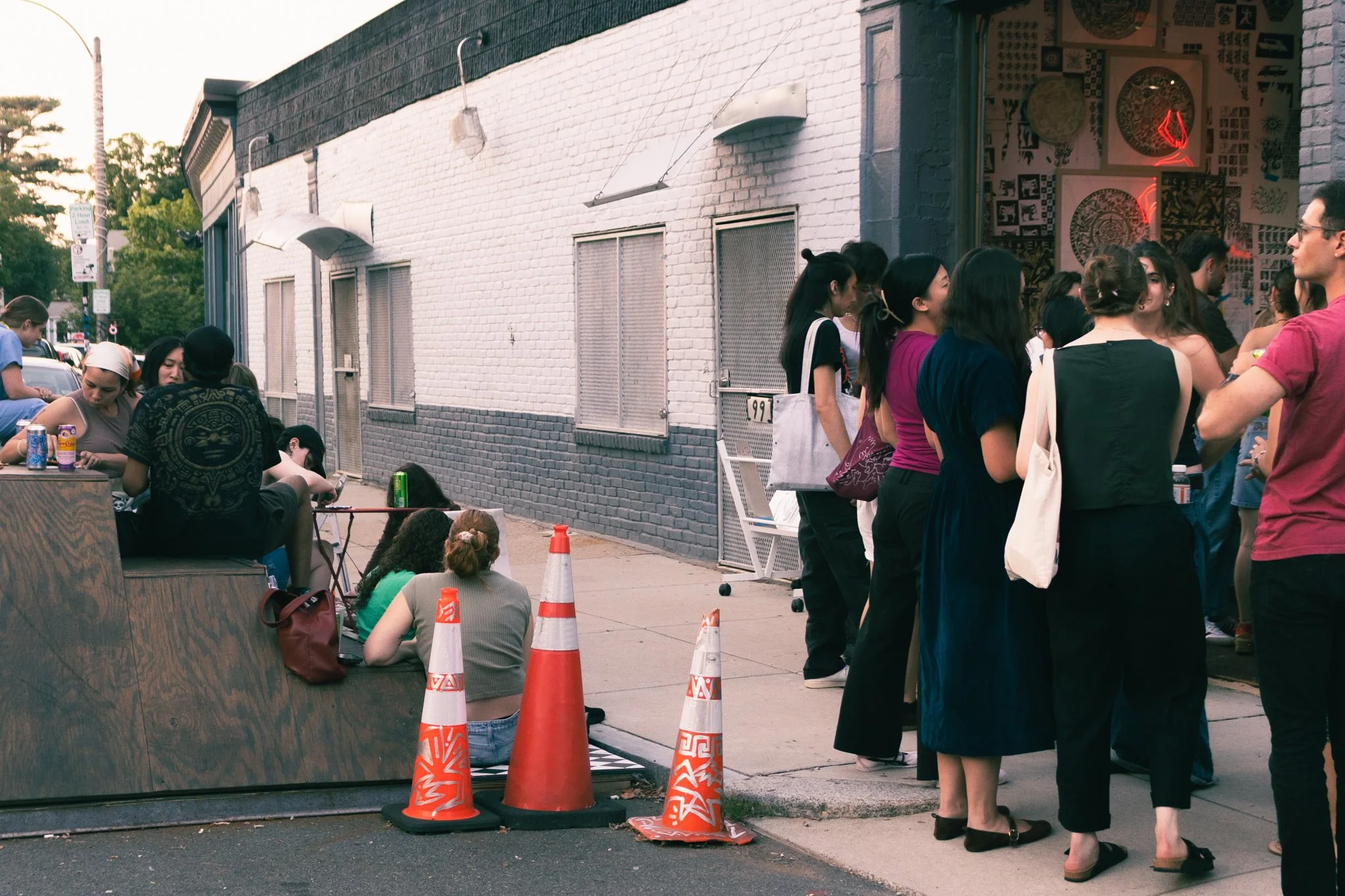

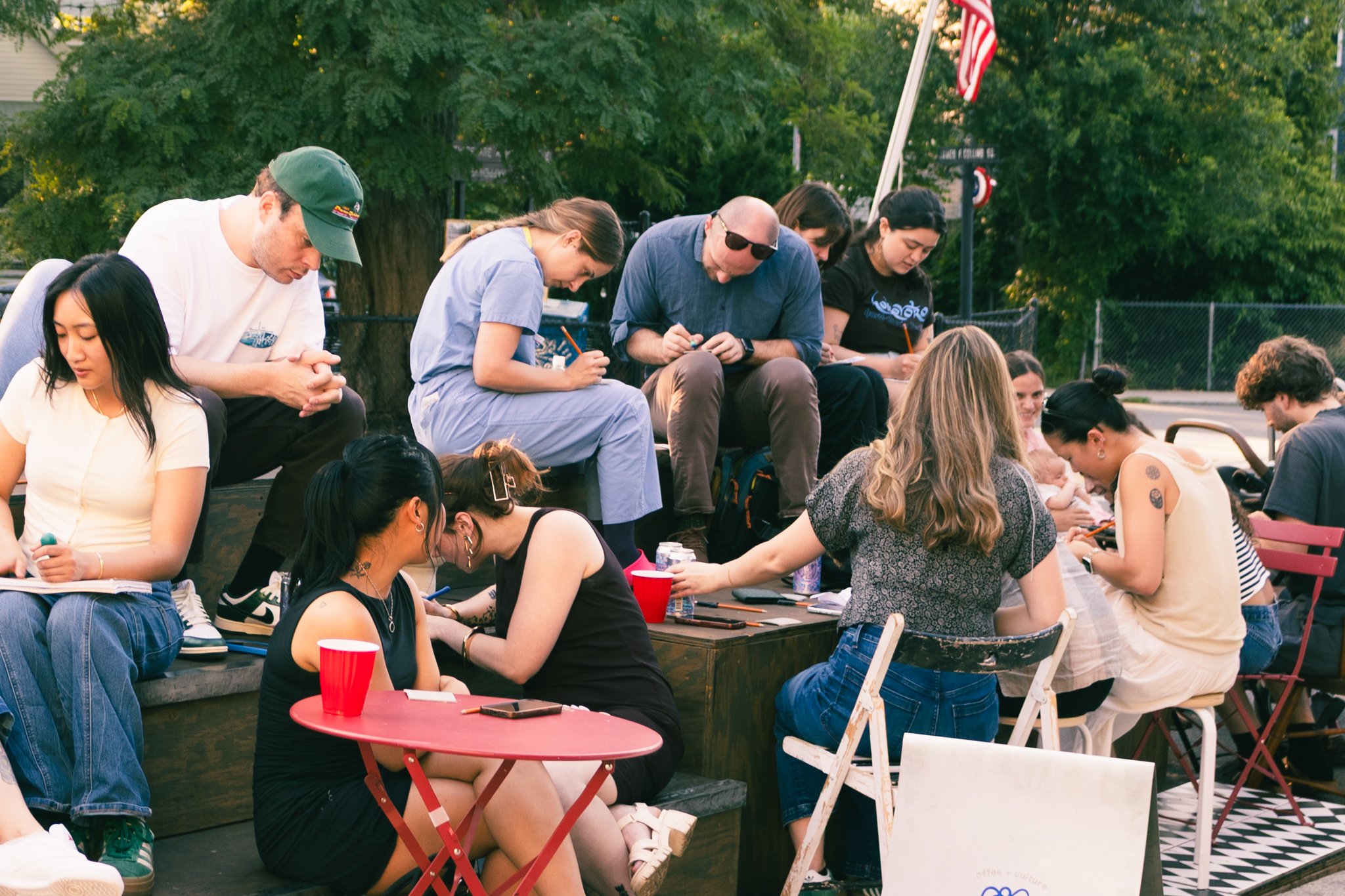


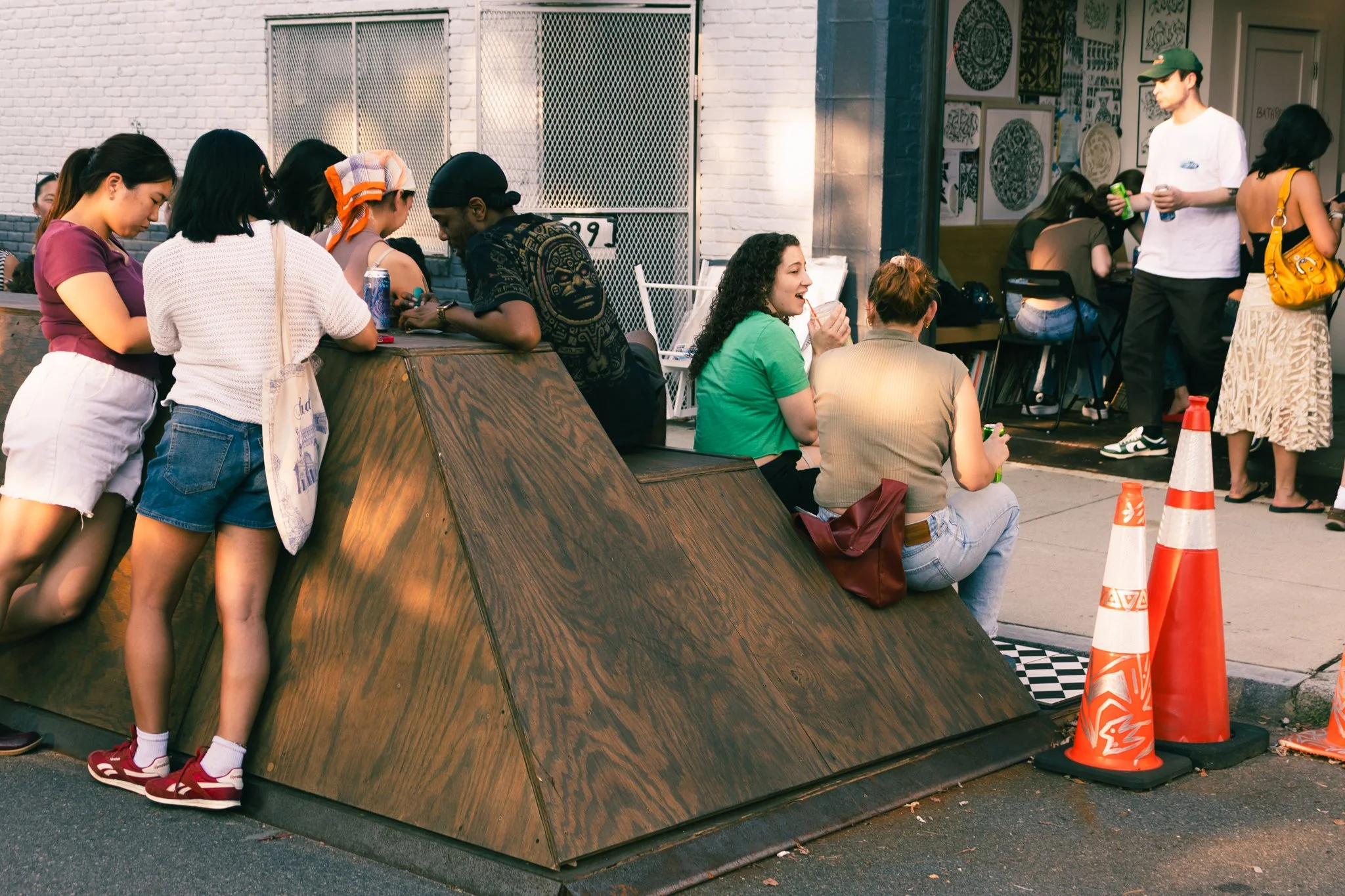

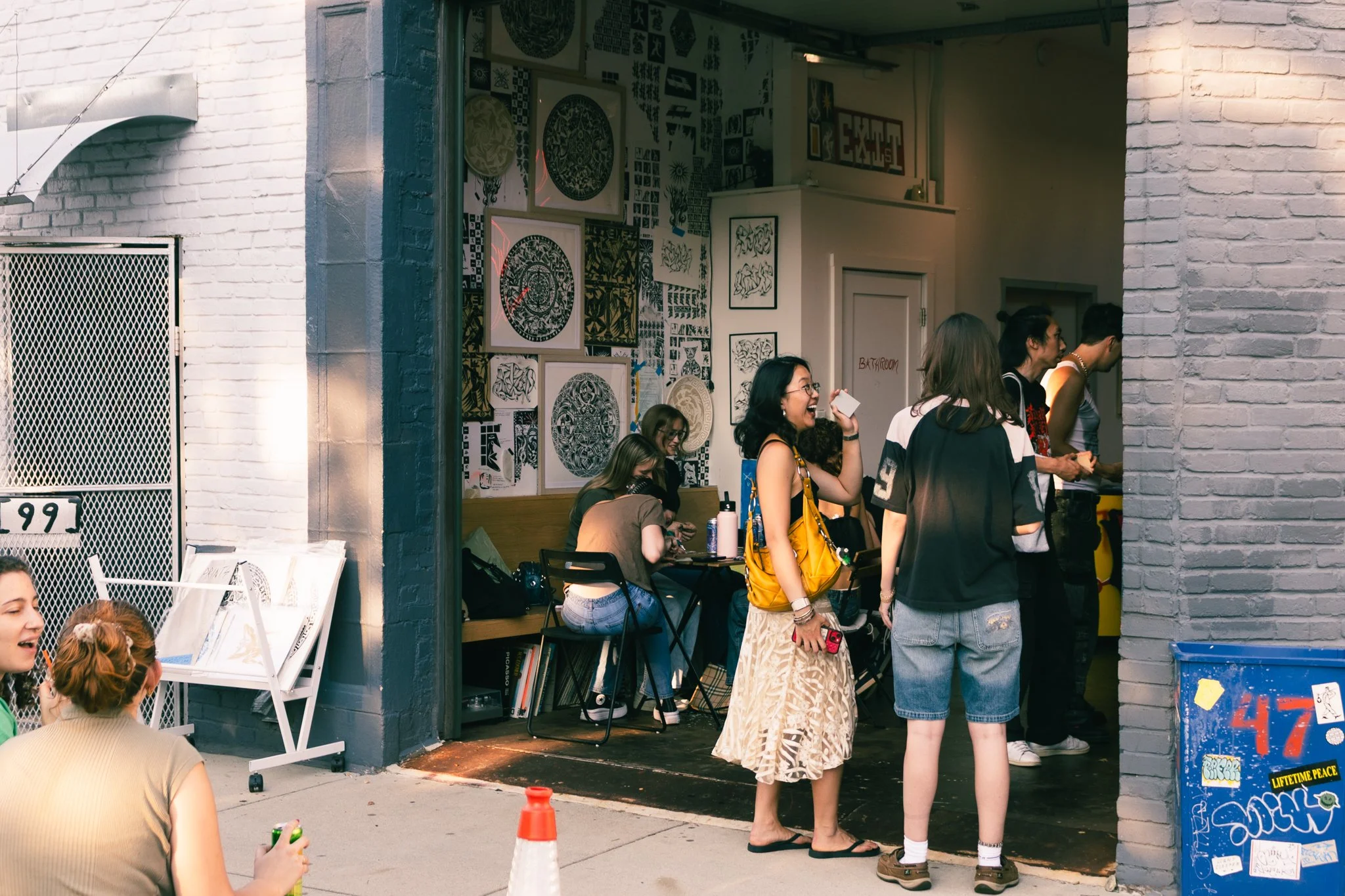







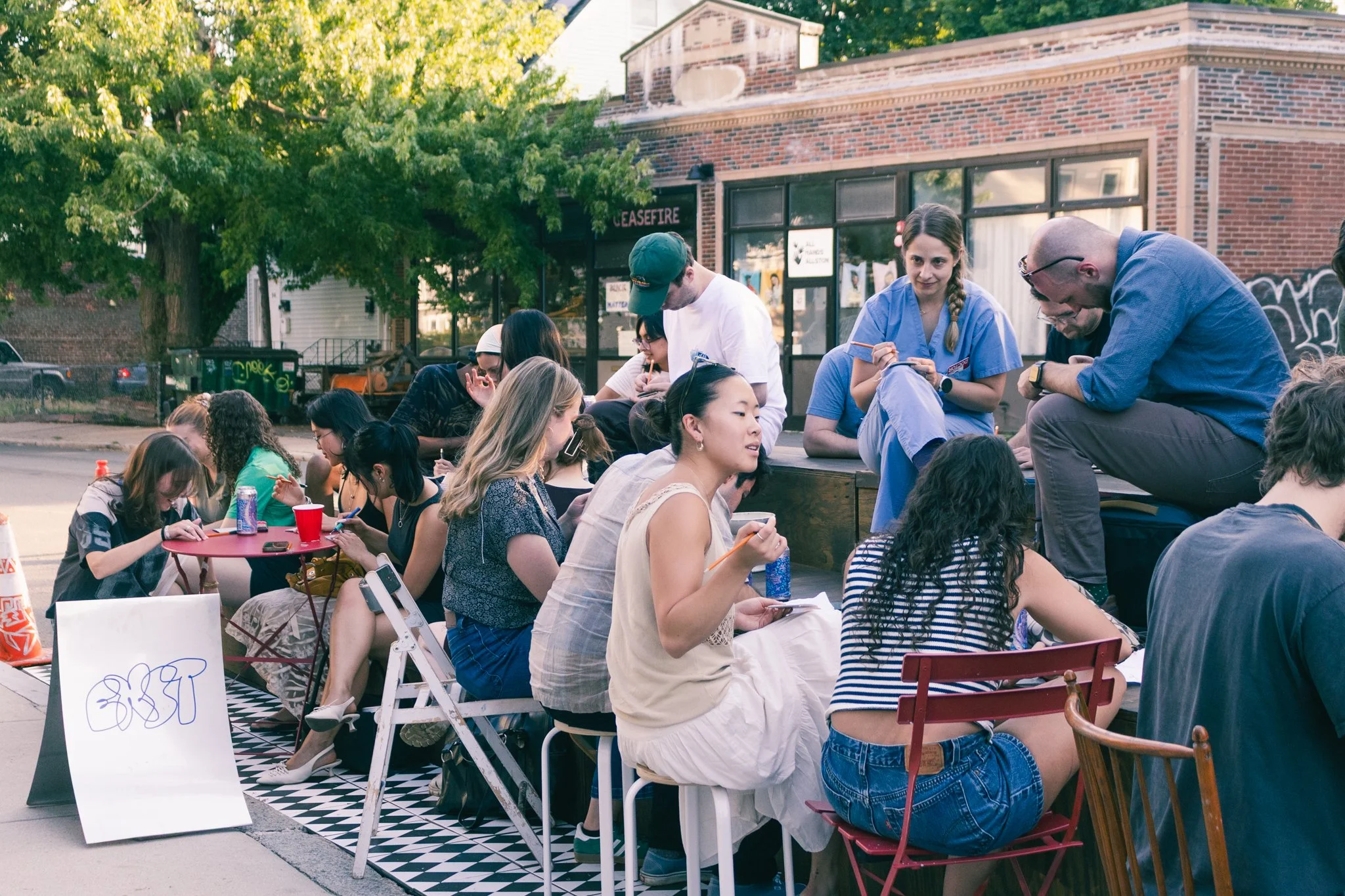
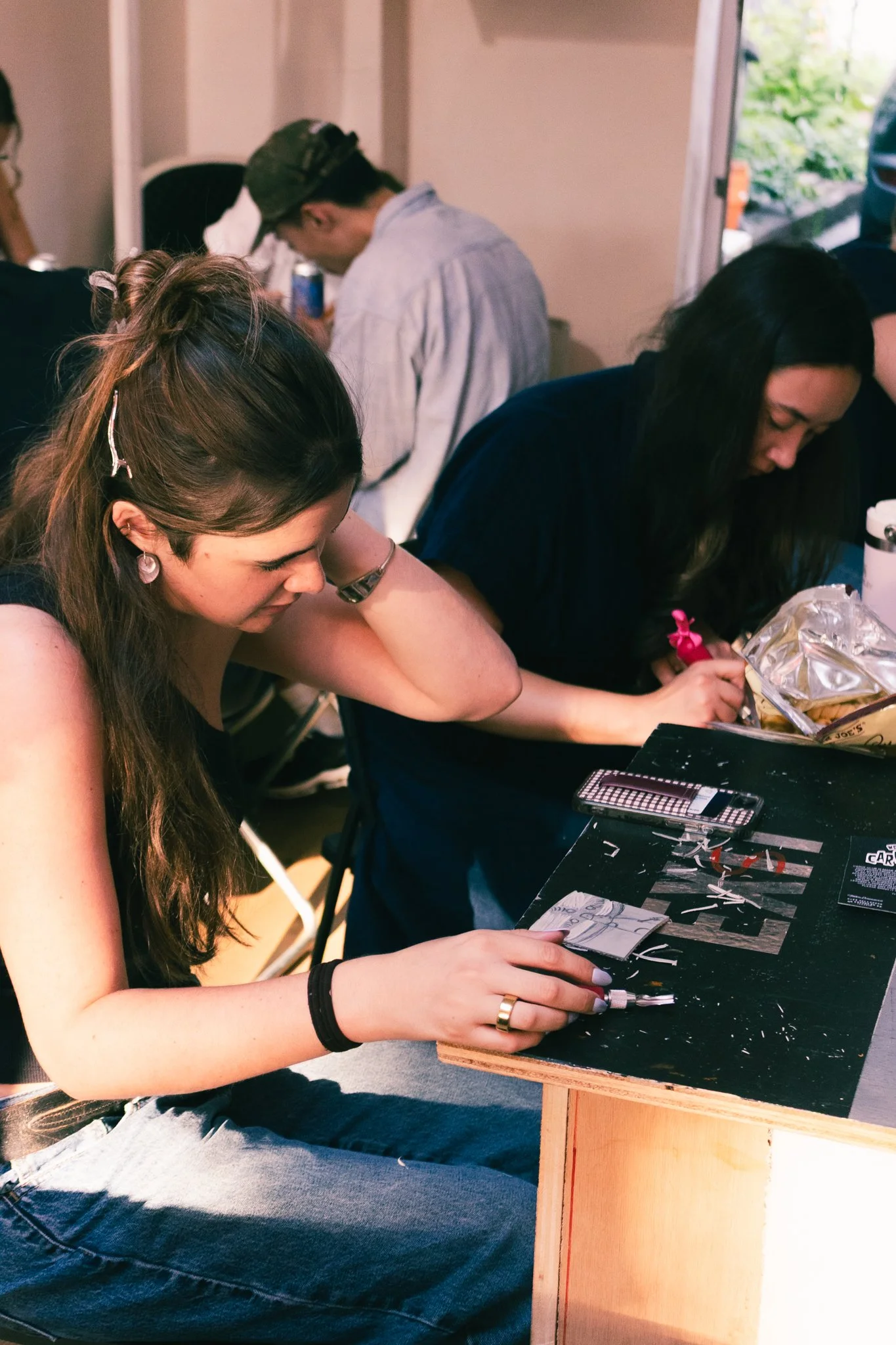
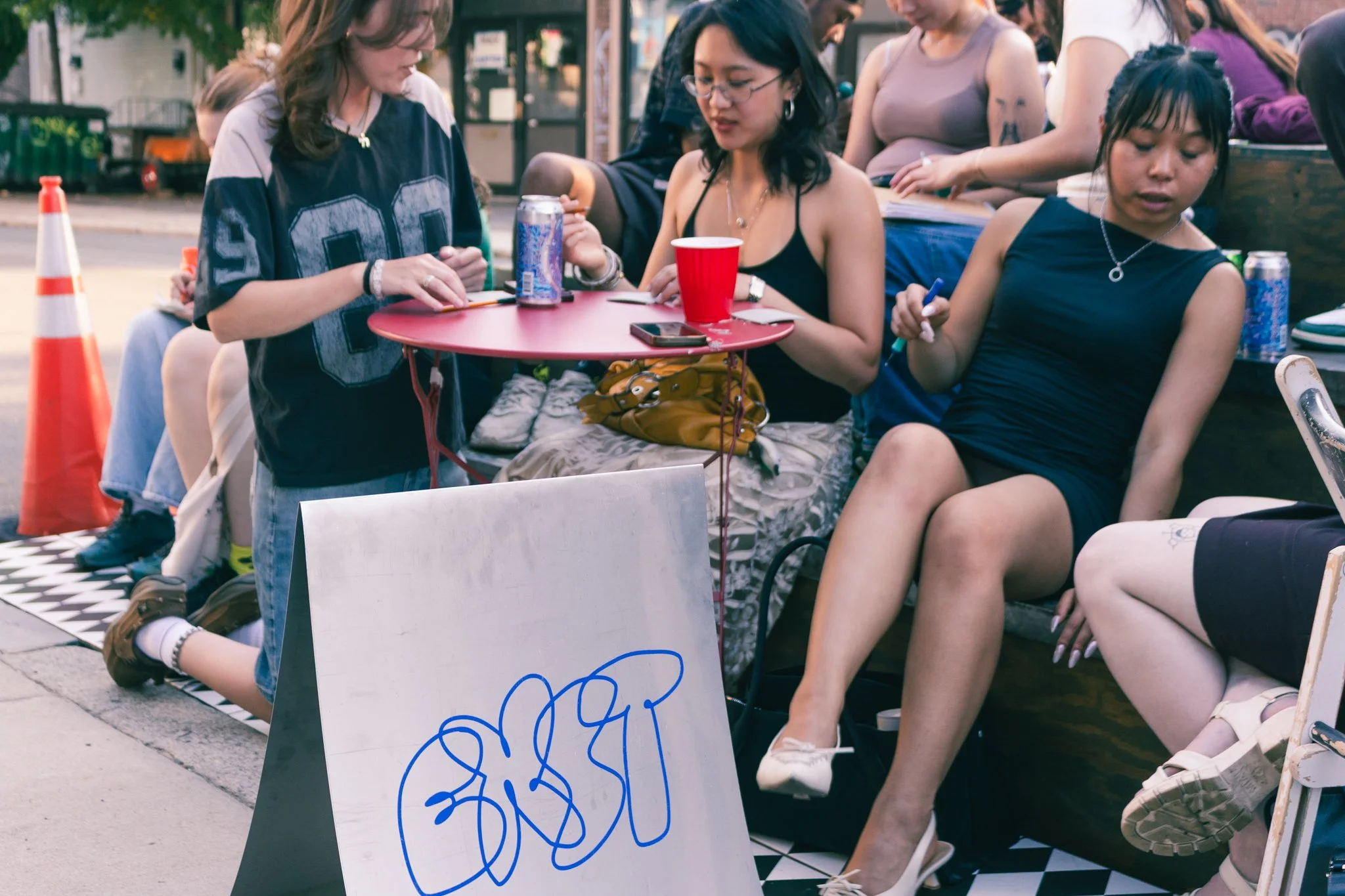
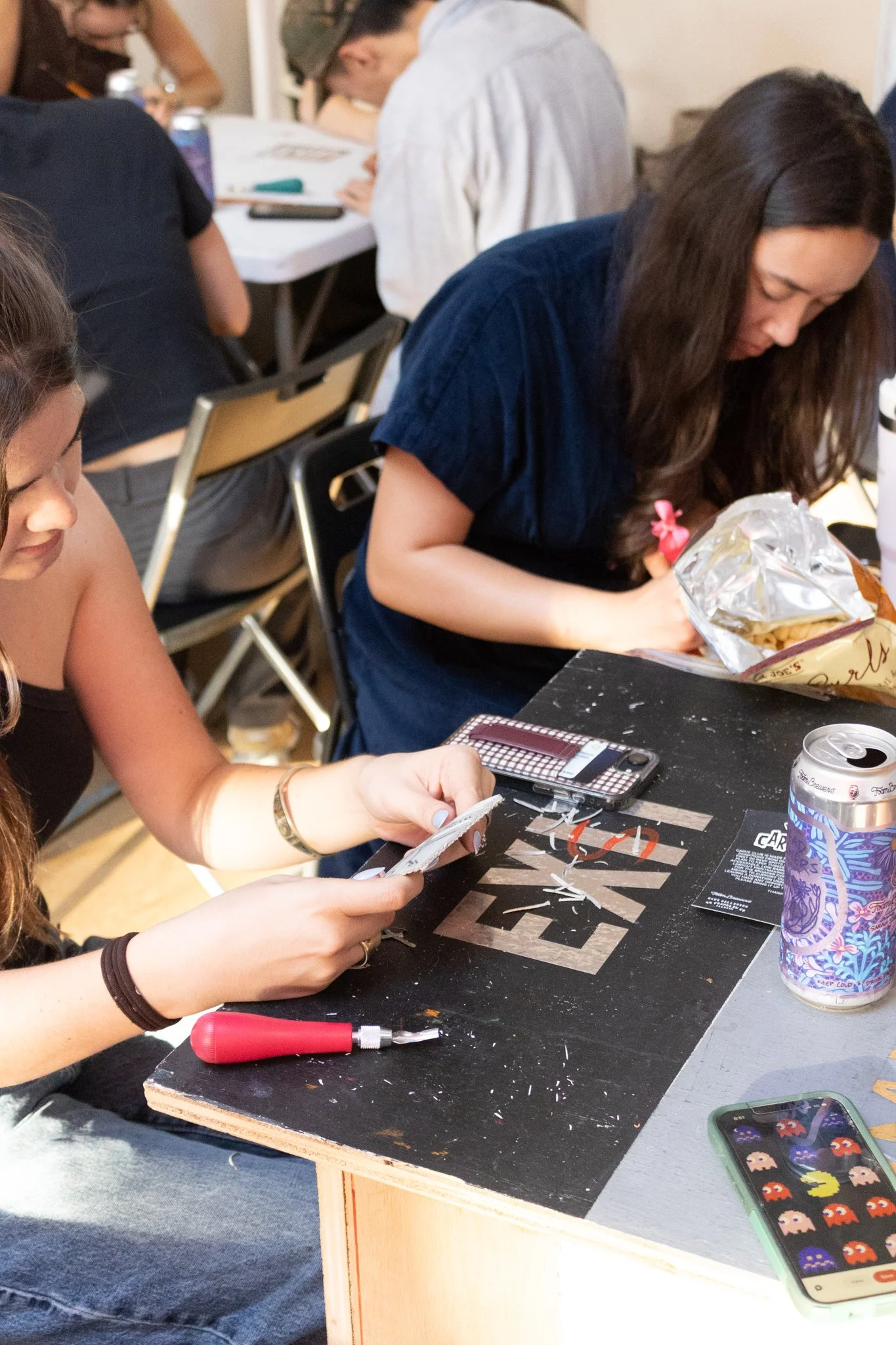

















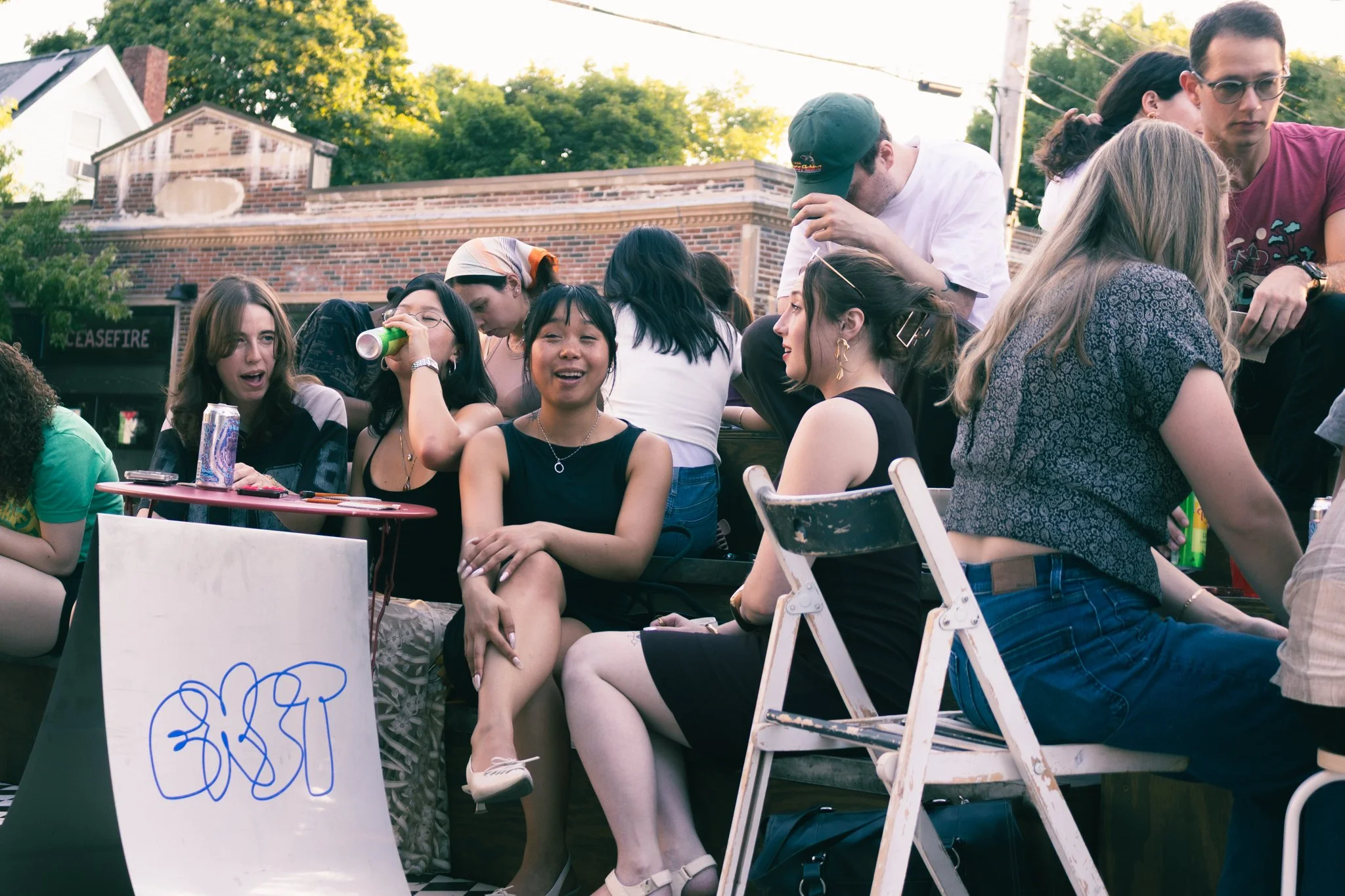
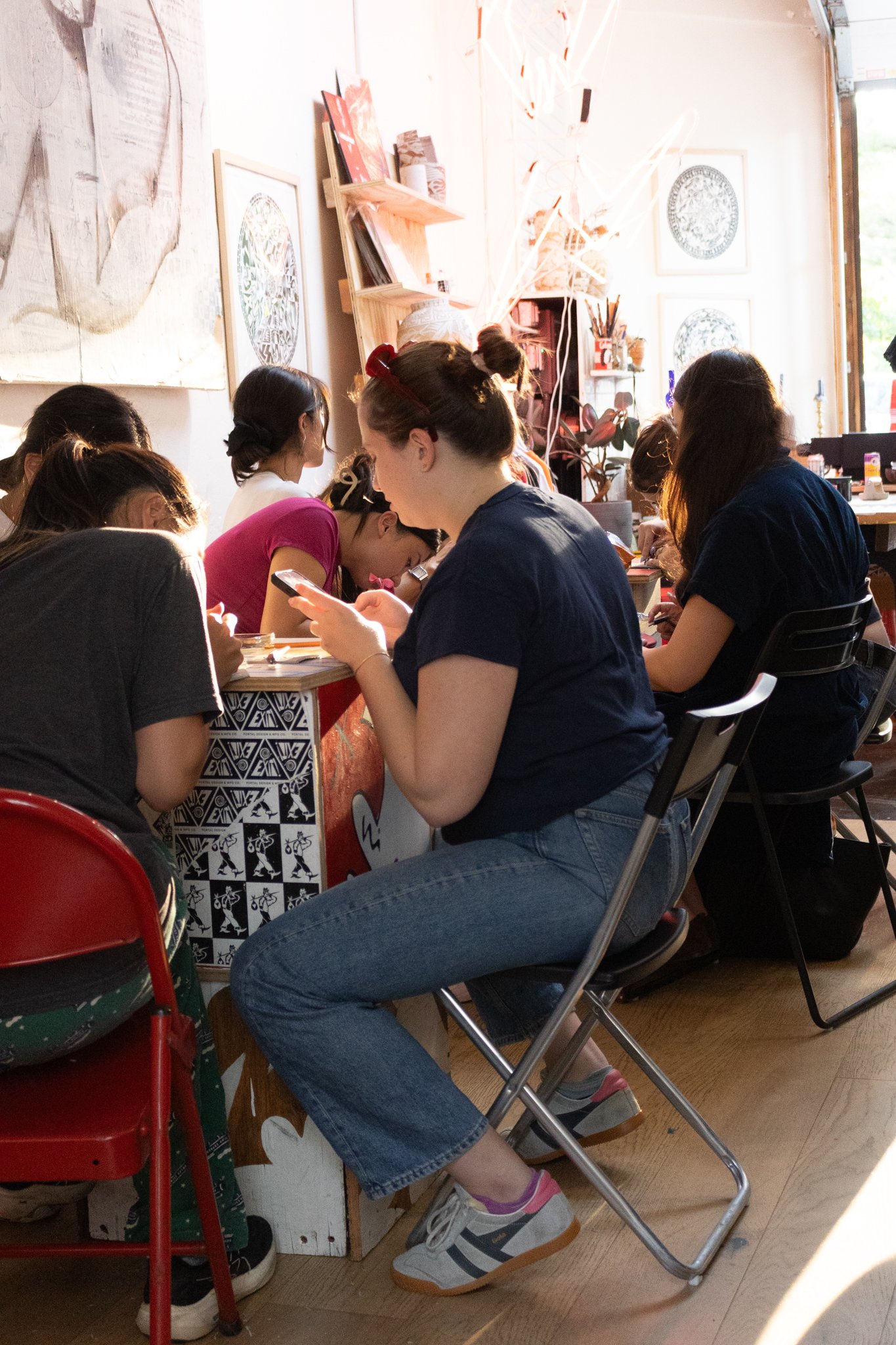

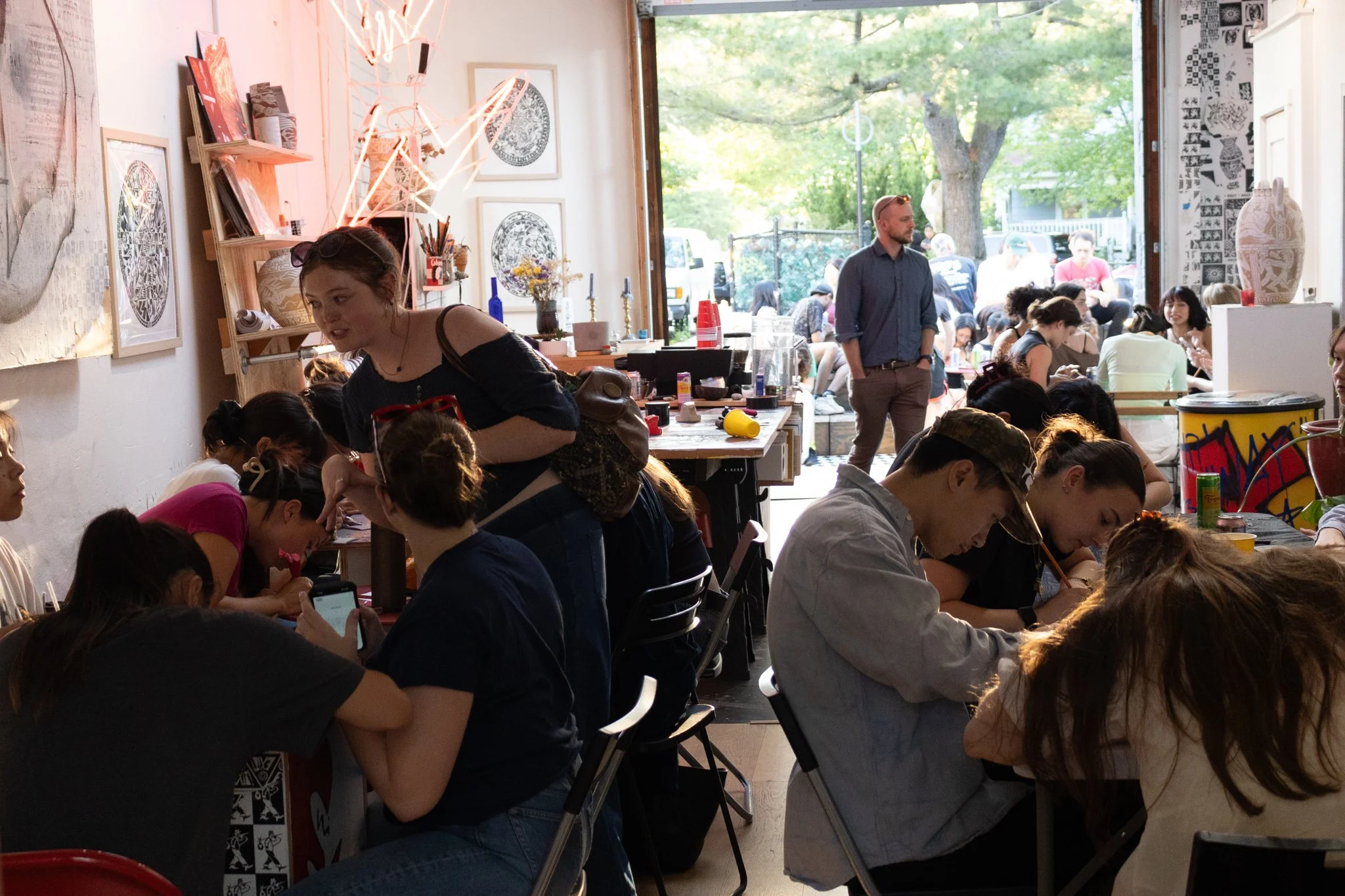


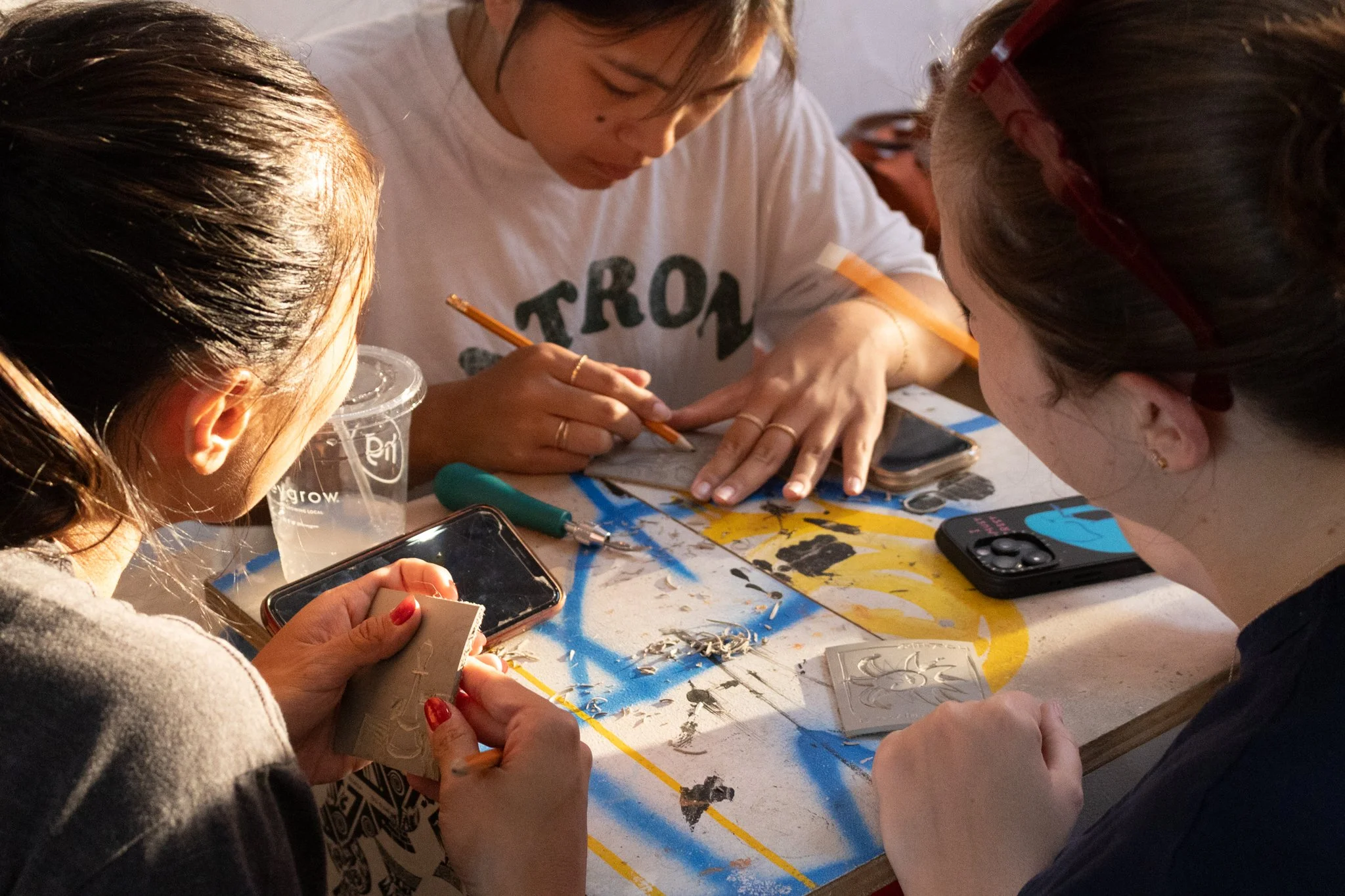


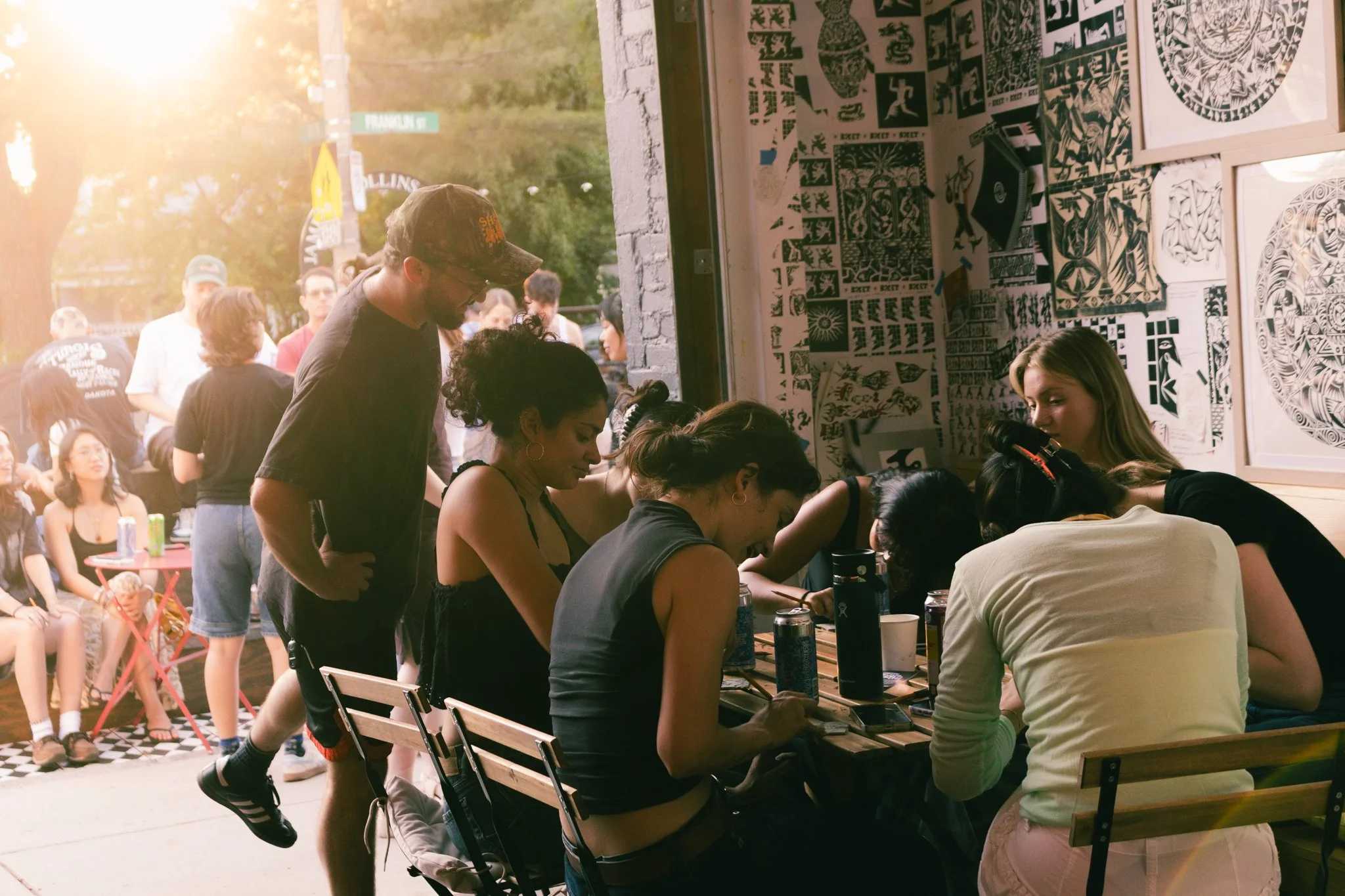

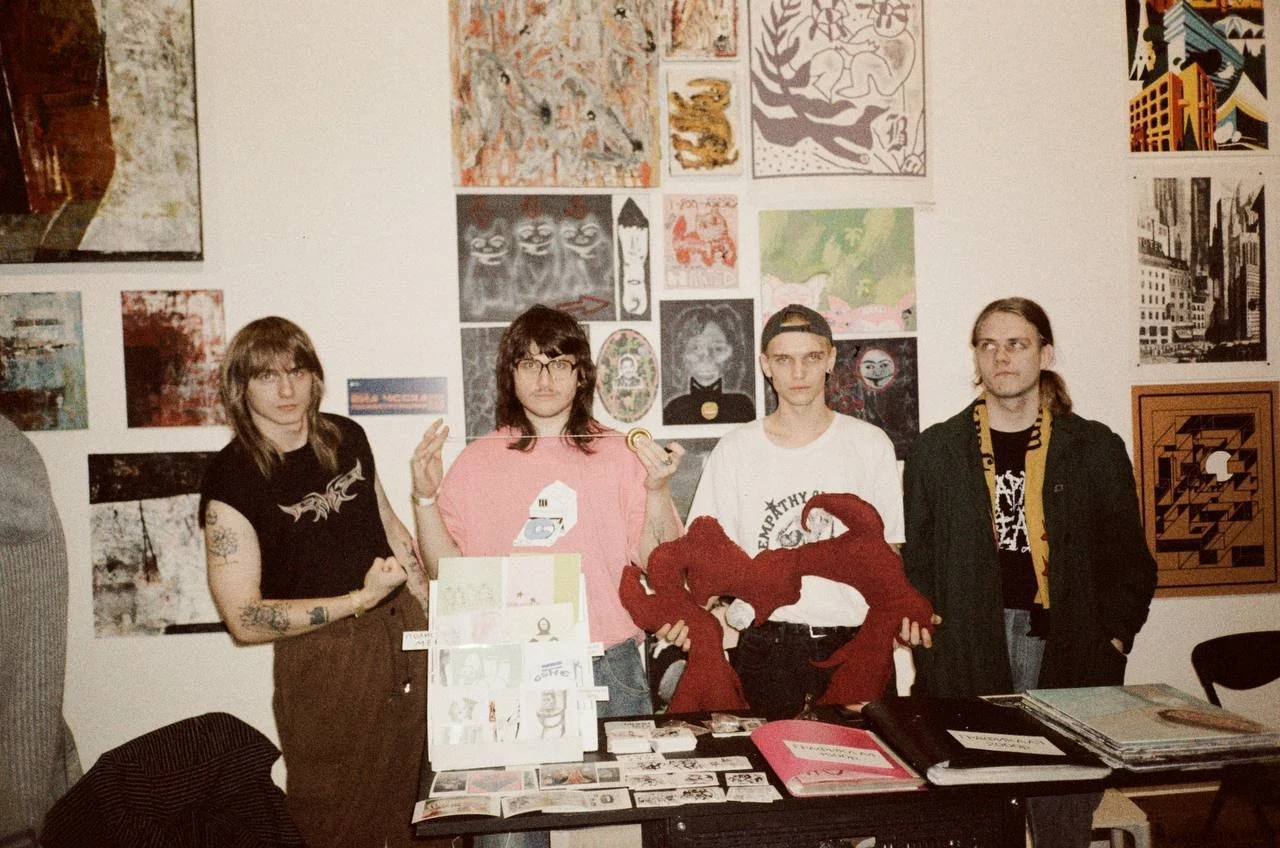
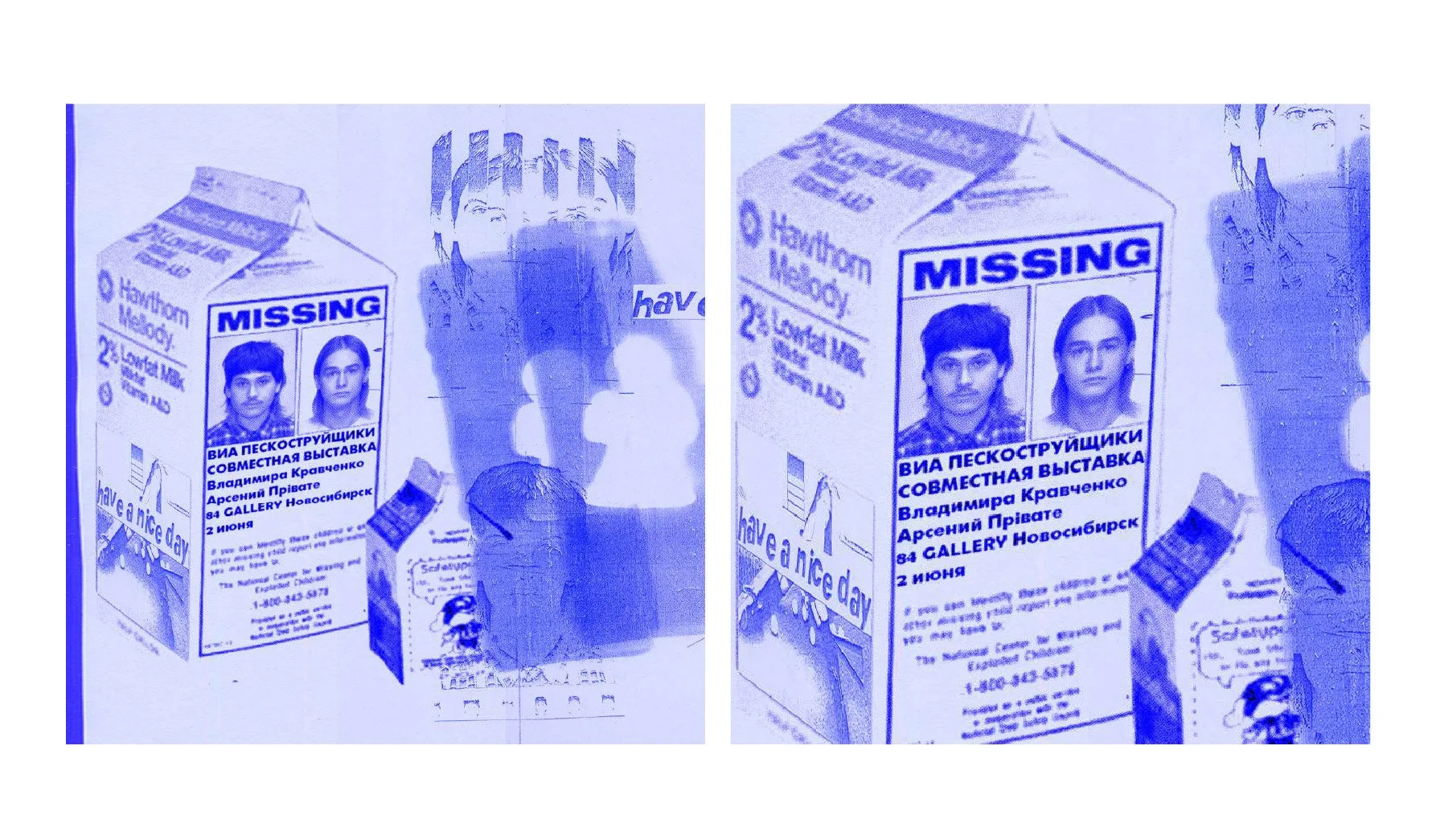
The Sandblasters
VIA CHSSKHA “Sandblasters” is the self proclaimed union of outsider Krasnoyarsk artists Vladimir Kravchenko, Arseny Chuksin, Andrey Shmaliy, and Nikita Che. Sitting out in the middle of Siberia, Russia, the group of twenty-somethings have sandblasted out a signal all the way over to us in good ol USA. For however abysmal we claim social media to be, we wouldn’t have connected with these guys otherwise. So thank god for that. Blending mystical ephemera with corporate iconography, the artists collective world function as a form of personal and artistic escapism. The Sandblasters make their world through painting in mixed media, upcycling, ceramics, and natural found materials. Trying to communicate with them hasn’t been the easiest, since they’re attempting to evade the army draft, but we have attempted to translate a short interview here for your reading pleasure. We plan to follow up with a longer form video with them soon.
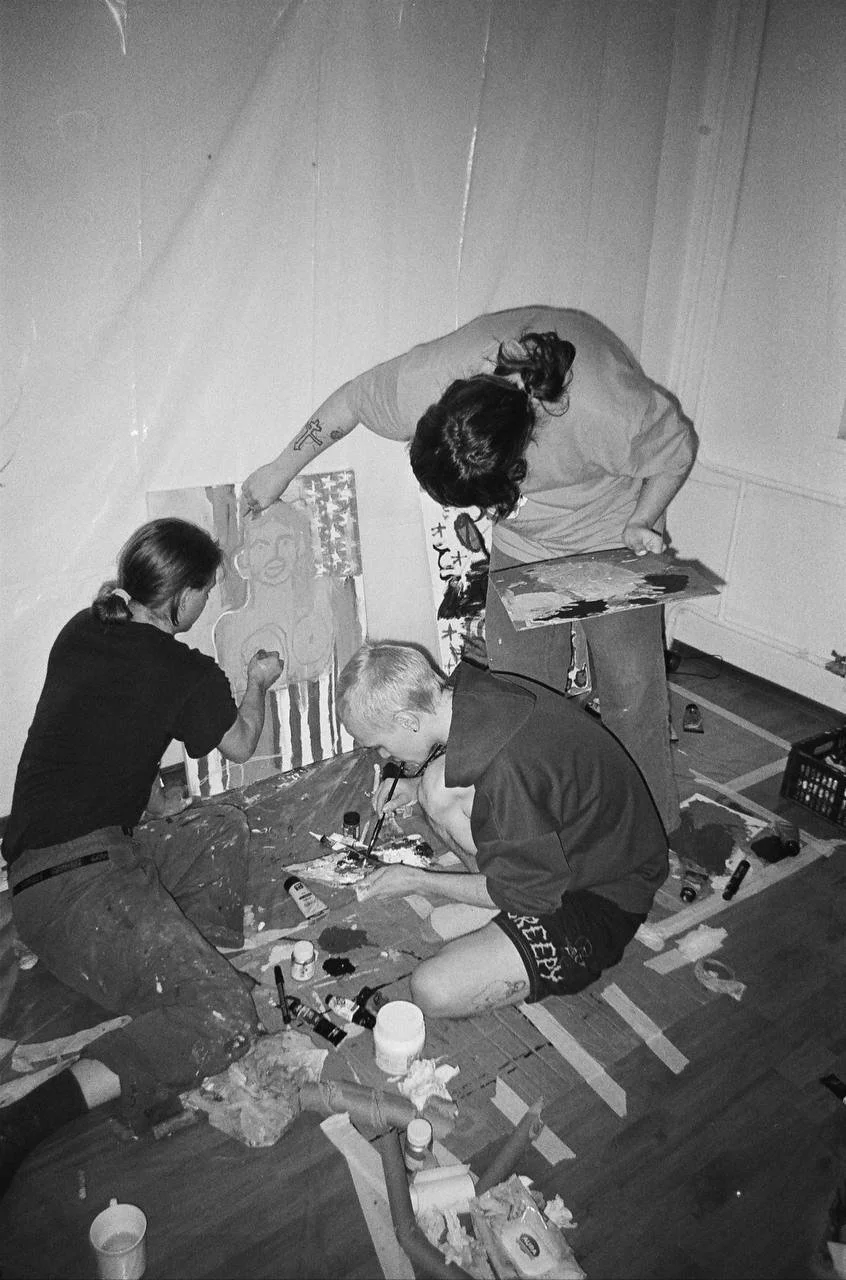
In 2022, two then auto mechanics, Vladimir and Arseny, met while working in a repair shop. They became friends, and during their smoke breaks would imagine their future creative pursuits. Soon, an older colleague, Andrey, joined their conversations. One day, the mechanics decided it was time for a change. They began experimenting with creative car paint jobs, skillfully handling the airbrush. Clients were thrilled, and the future artists finally realized that art had become their calling. Shortly after, Nikita and Slava joined the shop, quickly becoming part of the group and helping paint the cars. The mechanics gradually spent less time repairing vehicles, devoting themselves entirely to their newfound passion. Unable to tolerate the “slackers” any longer, management fired all five of them. Rejected, they formed their own art collective. And so, VIA CHSSKHA “The Sandblasters” was born.
It’s the intention of this page to raise awareness to the Sandblasters, who are truly outsider artists. We hope we can fly them out here for a real showing, installing work in the EXIT garage in order to reclaim it in all its auto shop glory.
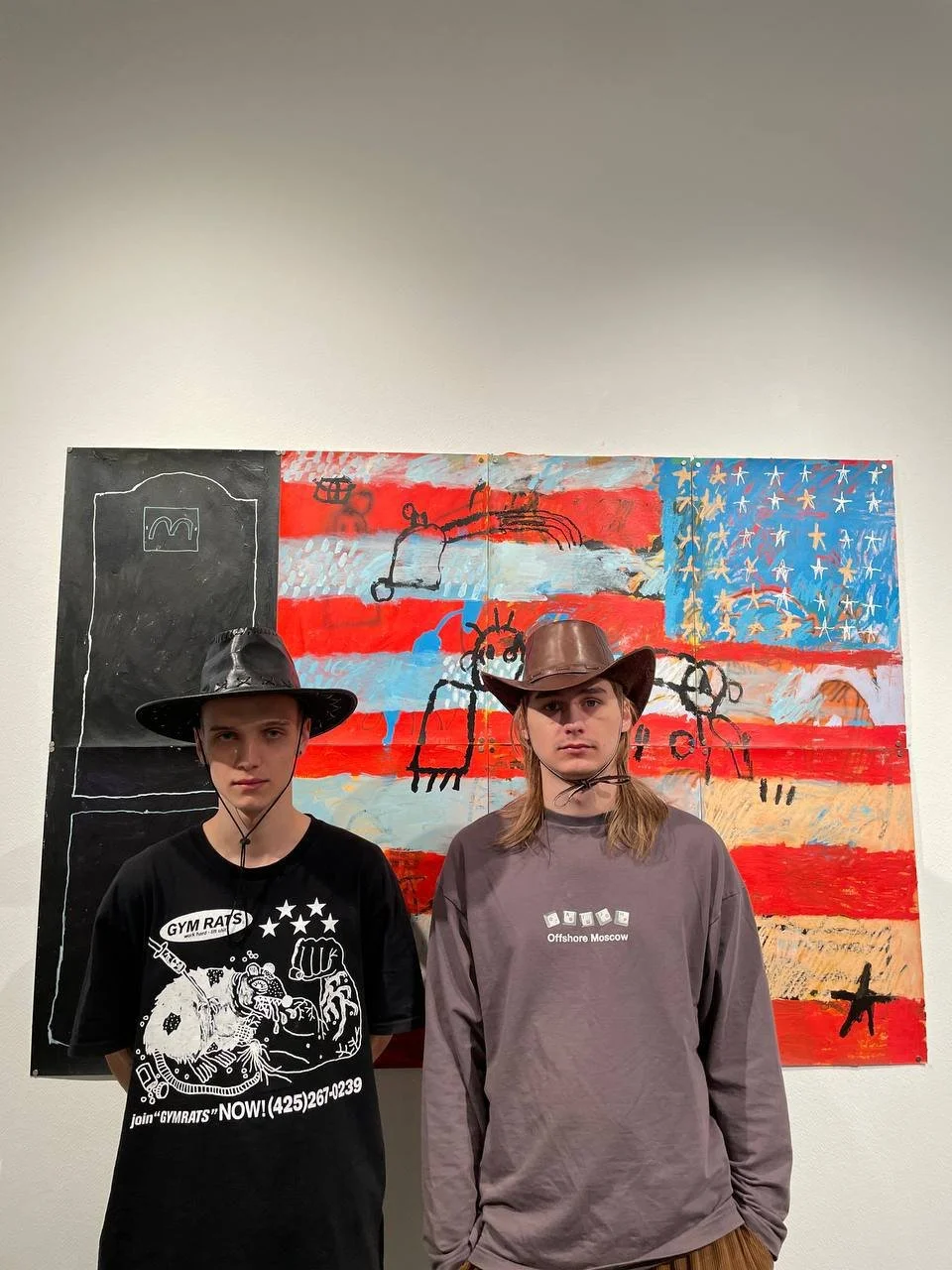
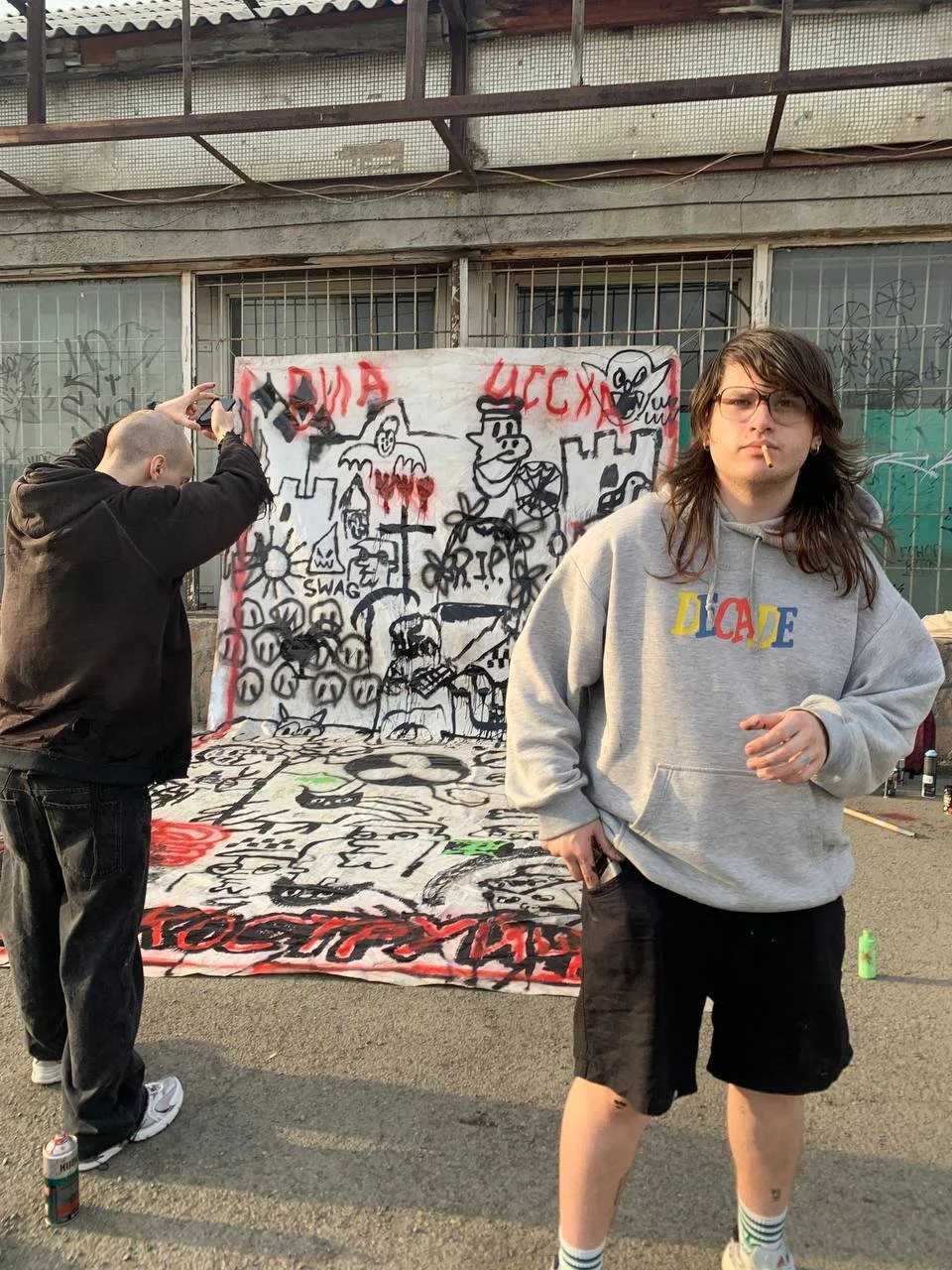
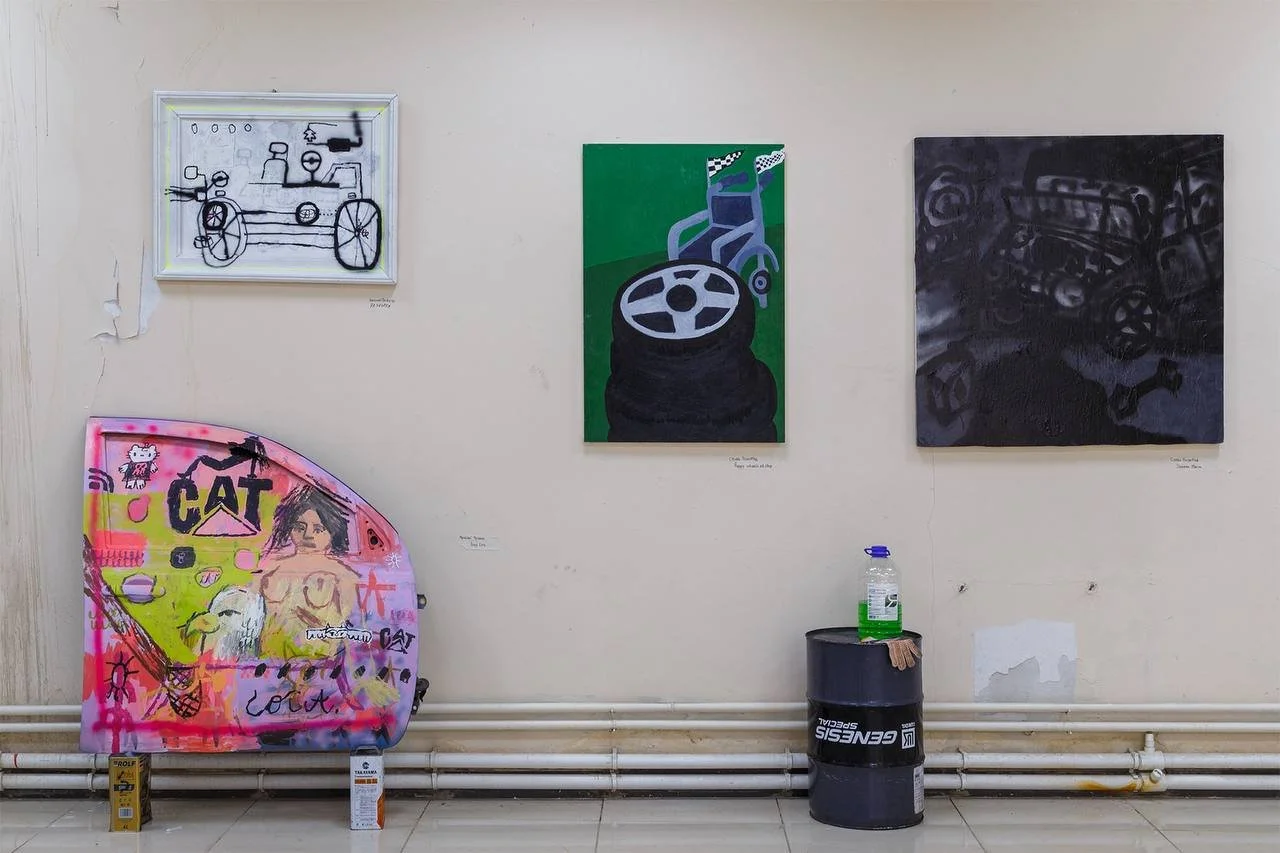
“Smoke Break” — VIA CHSSKHA “The Sandblasters,” 2025
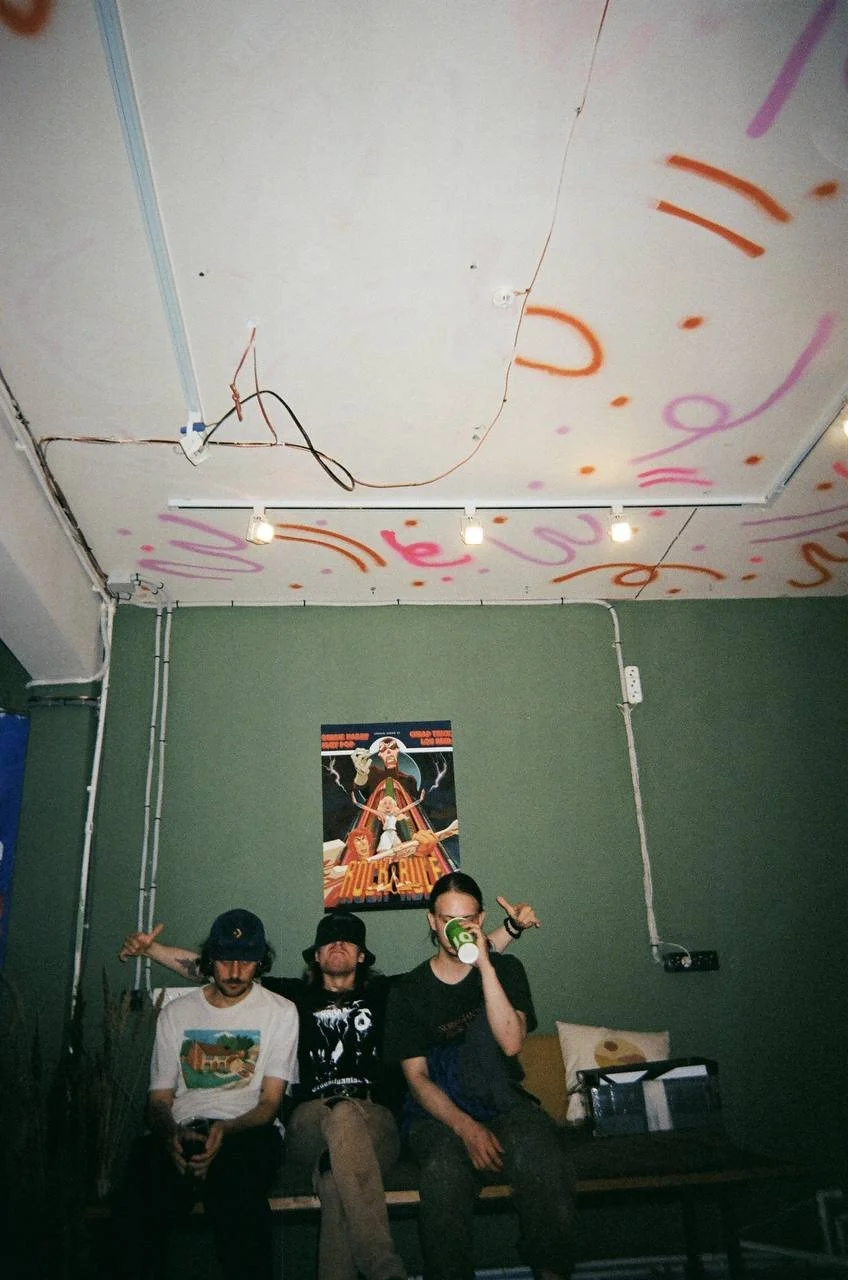
The exhibition transports viewers into the atmosphere of an auto repair shop—a place of origin and energy where the art collective of former mechanics first emerged. The works reflect their world: everyday scenes intertwined with imagination.The “smoke break” space itself WAS carefully reconstructed—serving as the cradle of these self-declared outsiders.
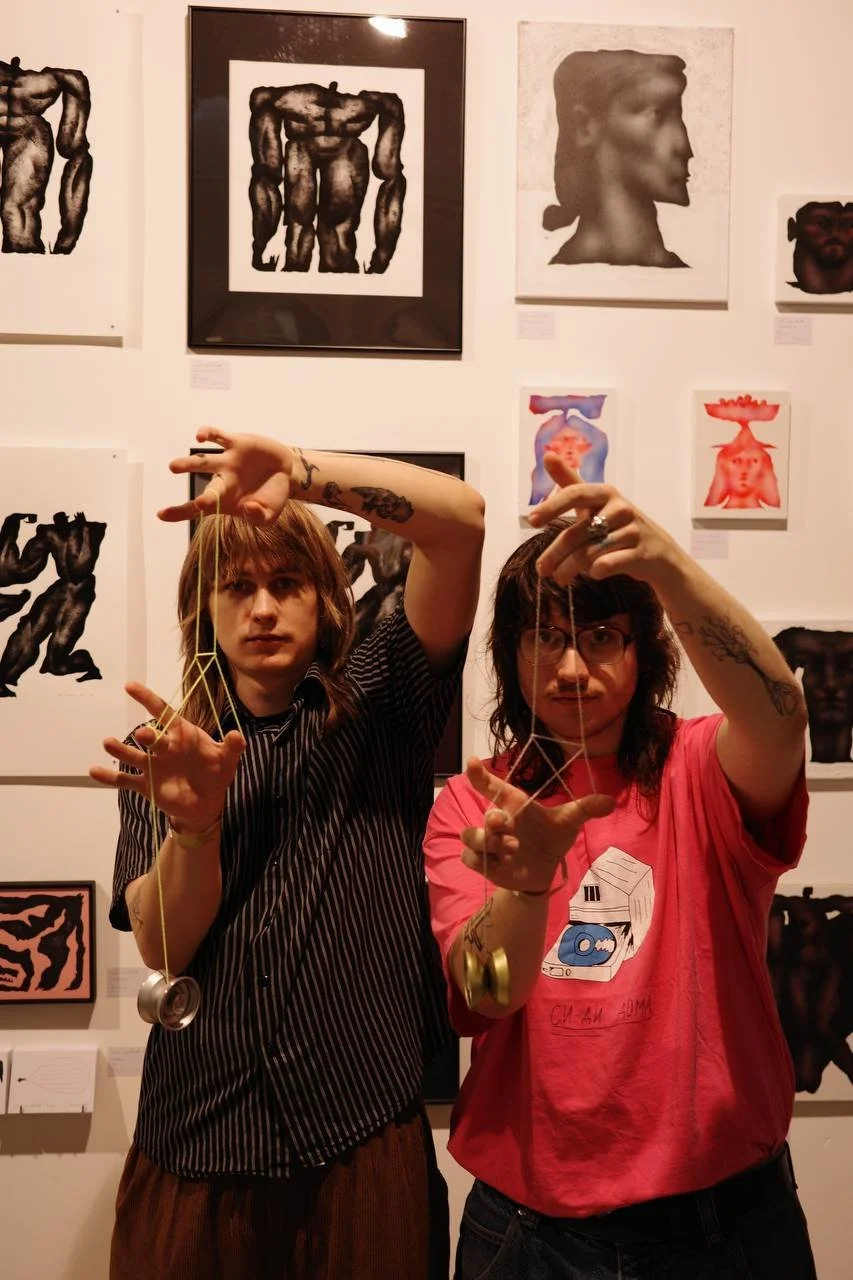
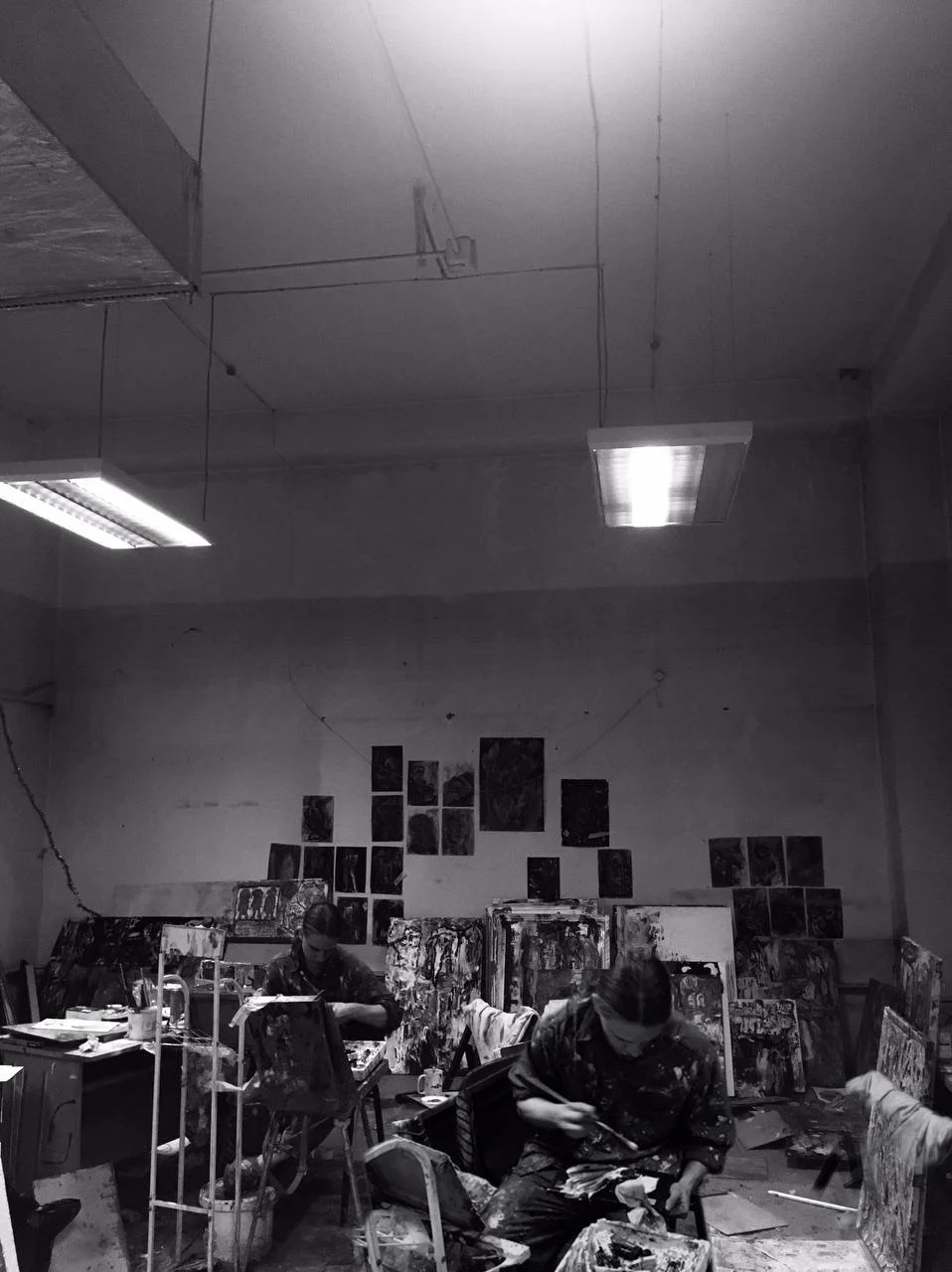
‘Our artistic language is sandblasting, and we aim to "sandblast" our opponents’
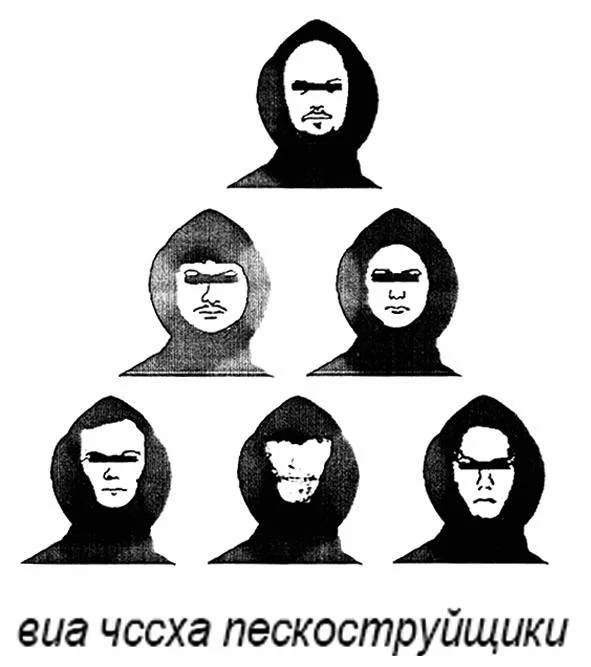
Please introduce yourselves. Who are you individually and as a collective?
Individually:
Arseniy Private — artist, graphic designer, songwriter and musical performer in the band "plavmagazin".
Vladimir Kravchenko — artist, lawyer, bassist.
Slava Podobed — artist, studying at a medical university.
Andrey AZBNK — artist, father.
Vitya ipad kid — artist, illustrator, one of the creators of the brand "ofshore".
Nikita Platonow — artist, songwriter and drummer in the band "plavmagazin".
Together we represent the art collective VIA CHSSHA "Sandblasters". We are a group of young artists who, apart from blood ties, are united by a shared perspective on art. Our artistic language is sandblasting, and we aim to "sandblast" our opponents.
How did you start making art together? How did you meet?
We share the same father — Andrey AZBNK, but have different mothers. It's a pretty crazy story: in our teens, we found each other and started making art. We worked in auto repair shops, sandblasting cars and other metal objects. Later, we took on more serious art activities. In the summer of 2021, Arseniy Private and Vladimir Kravchenko, who are brothers, took part in a street festival where they created a collaborative piece, later documented on a website (bubentomori.hotglue.me). The name "Sandblasters" appeared around the same time, since we had been working with sandblasting shortly before. Later, we found our father, Andrey AZBNK, online — and from there, things just naturally took off.
Do you have a shared creative process? Why do you create together?
I don't know if you can call it a shared process, but one way or another, because of our blood ties, our themes overlap. We're always in touch, and we share a common vision. We've painted several works together, for example, for the exhibition "Daddy". I compare this process to recording rap features on SoundCloud: the canvas is the beat, and the rest, I think, is self-explanatory.
Your collective manifesto has a real direction connection with EXIT . You say: "we exist here". What does this mean to you guys?
Our work doesn't quite fit into the format of the contemporary Russian art market. We've even ended up on some "lists of banned artists," but we're not alone in that. We're, like, true, and the opps are not true. There are a huge number of artists around who make work just to sell it— like mannequins in a store. There's nothing wrong with that, but when it becomes the only goal, that's shitty. Our manifesto is not fixed. "We exist here" is more of a statement of our presence.
Does your communication have a specific intention?
To create our own fully realized world and become very rich.
Thoughts on art in the age of the internet?
Most of the artists in our collective grew up in the internet era, and everything related to art was largely taken from there. All our references come from the internet, and everything we produce is closely connected to it. The tension is more that there is more art now than ever before, and in this chaos, it's very easy to lose your unique perspective: one swipe, and you feel like you've disappeared.
You guys are fucking mystics
We come from a country that is largely steeped in mysticism, with a history that is constantly changing, where Christianity and paganism are mixed, and where there are many psychics. So yes, we feel like part of that mysticism.
Do you have recurring symbols and motifs?
Yes, there are many. It reminds me of the Old Masters, where, for example, the color blue symbolized God, or when hidden meanings understood by contemporaries were embedded in still lifes. Over time, symbols and borrowed elements from pop and internet culture have acquired their own meanings, following the same principle as the Old Masters. But what exactly they mean is a secret.
Do you ever "steal" from each other?
We steal — yes, but unconsciously. We have common elements, and that's because we have a common "father".
Where can we see more of your work?
Общий инстаграм
Арсений Прiвате
инстаграм / телеграм
Владимир Кравченко
инстаграм / телеграм
Андрей Азбуниак
инстаграм / телеграм
Born in 2000. Lives and works in Krasnoyarsk.Since 2022, he has been working in the genre of unique graphics (pencil, ink, oil pastel, construction chalk, liners, markers), as well as painting and mixed media. His main themes include the distorted human body in lifeless space, minimalist naïve still lifes, and compositions. Through figurative portraits, the artist explores destruction, metamorphosis, transcendental experience, and feelings of fear and absurdity. His subjects often include corpses, people broken by illness, and “dead nature.” In his work, he reinterprets traditions of slasher aesthetics, neo-noir, necrorealism, and Californian abstract expressionism (Richard Diebenkorn). His visual language has been influenced by working in a morgue and studying at a medical academy. He works across expressionism, abstraction, primitivism, and naïve art.
“In my work, I try to create a sense of dampness, dirt, incompleteness, and absurdity. Drawing is always an exploration and a struggle—for me, both with myself and with the material.”
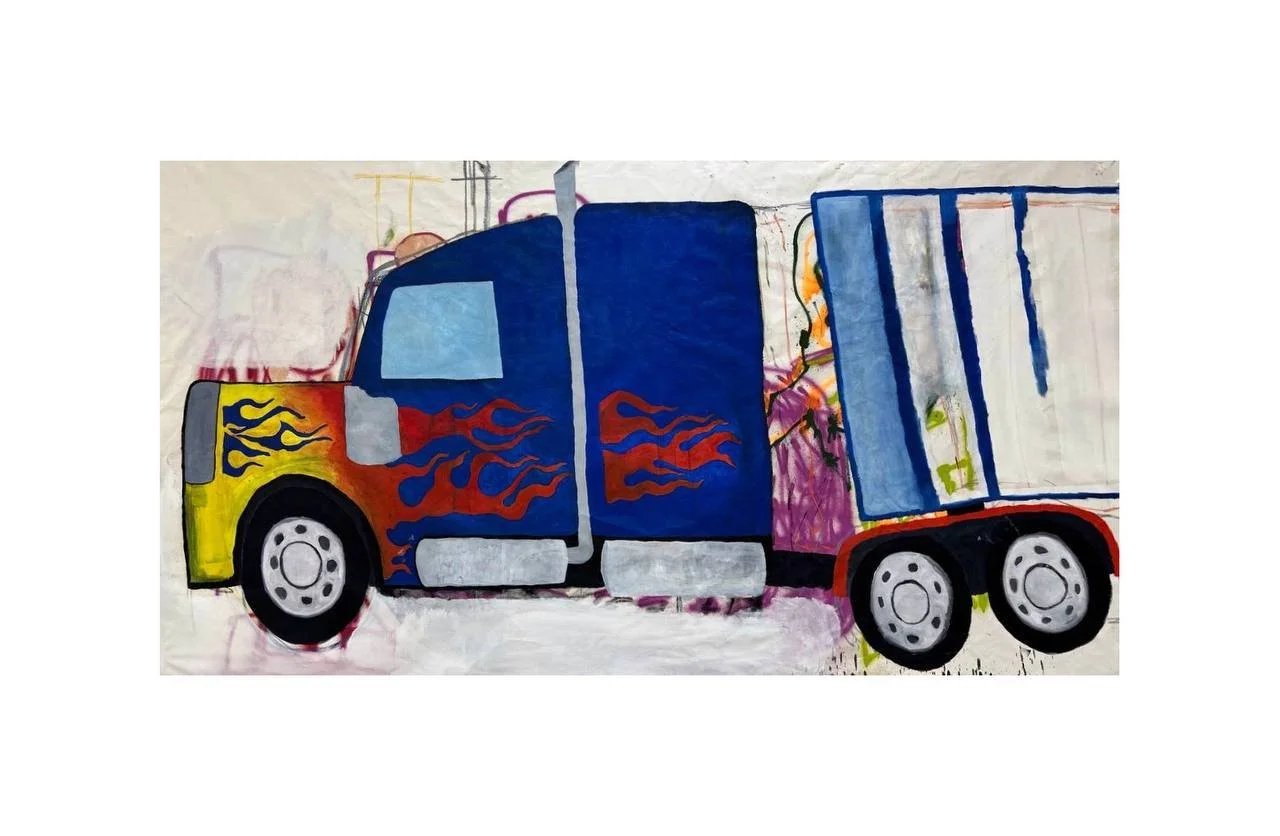
Peterbilt truckfuck in flames
300 x 150 cm
Oil
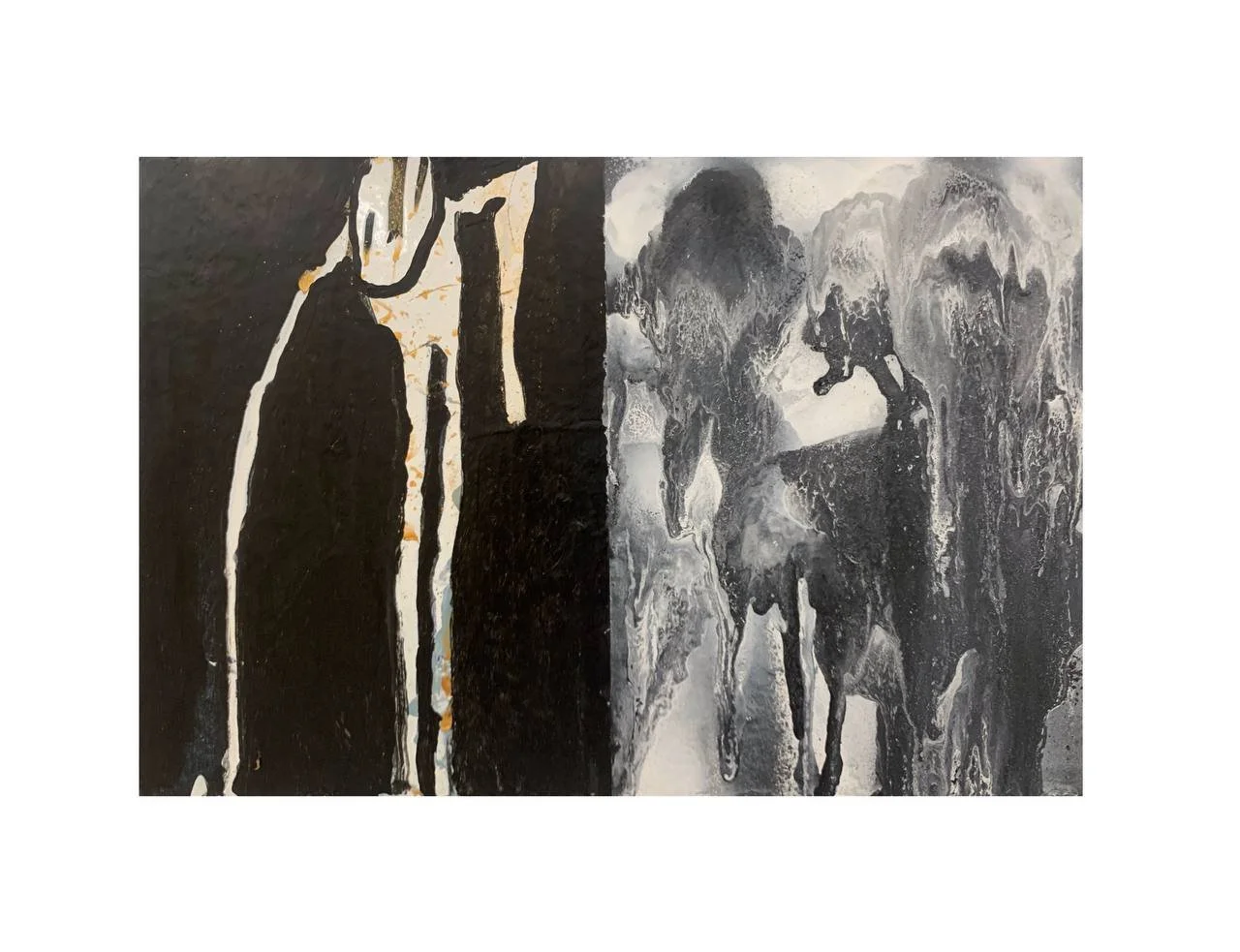
The Keeper
16 x 22 cm book cover
mixed media
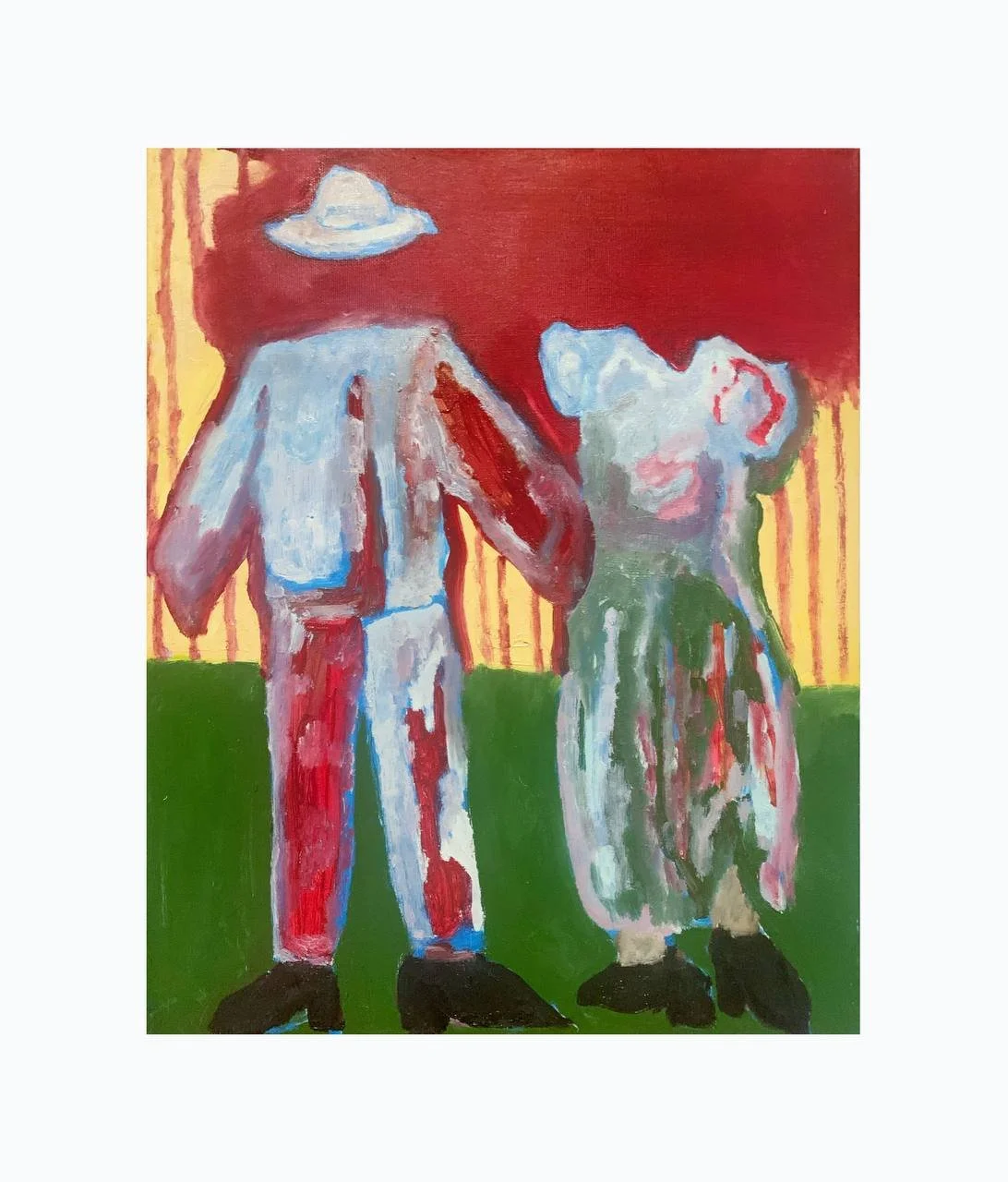
Last Meeting
50 x 60 cm
Oil
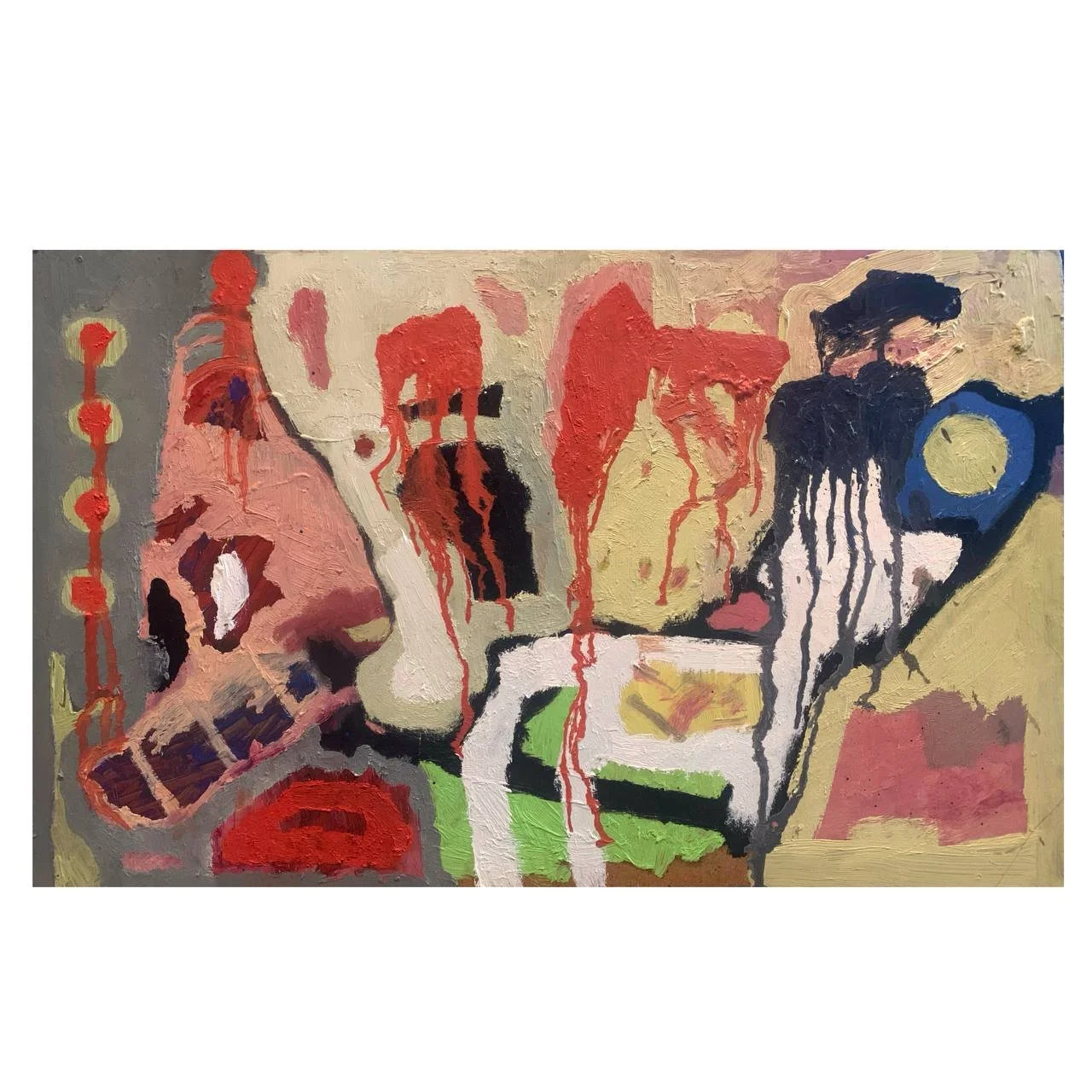
65 x 40 cm
Oil
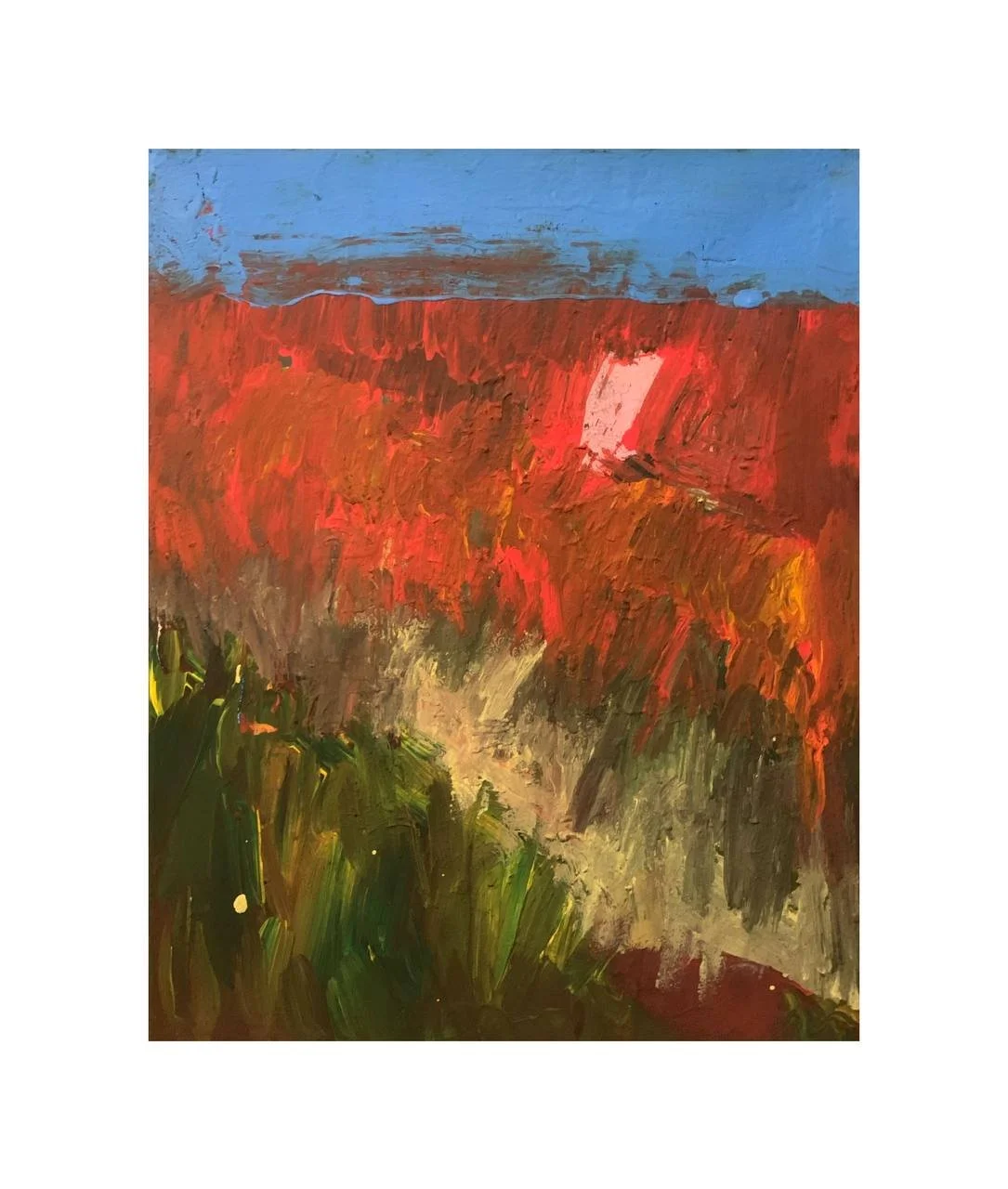
Cascade
40 x 50 cm
acrylic on canvas
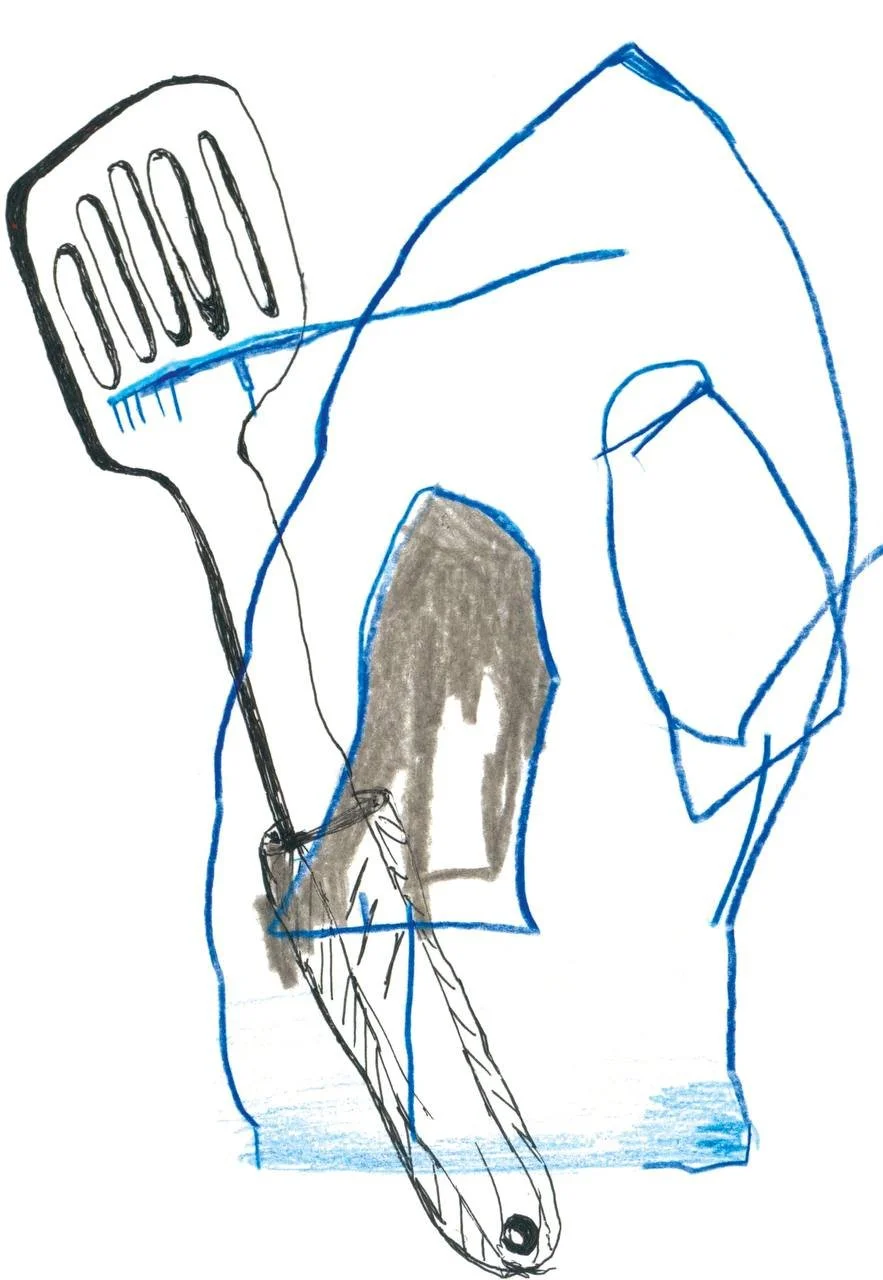
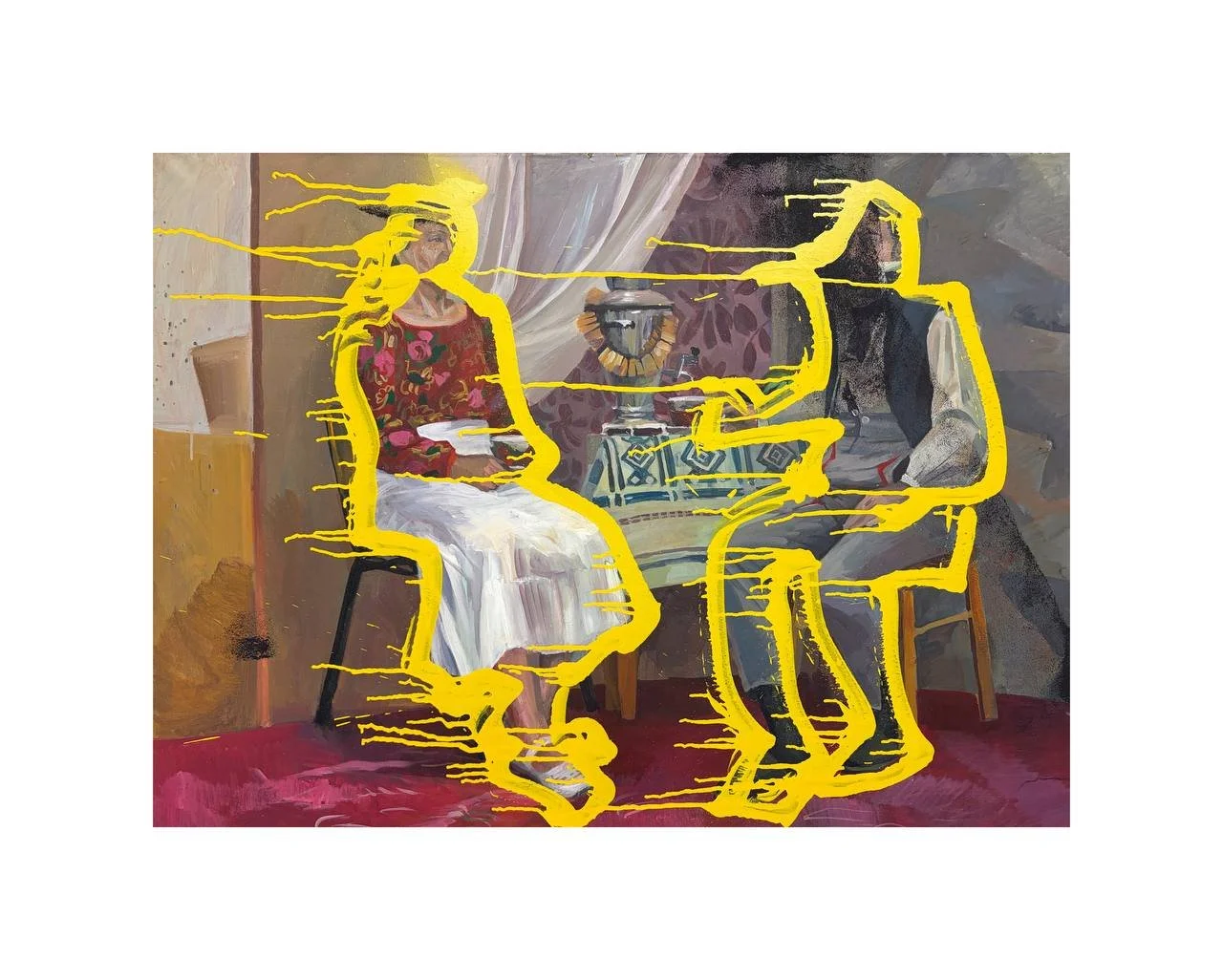
Transgression
120 x 85
acrylic, spray paint on canvas
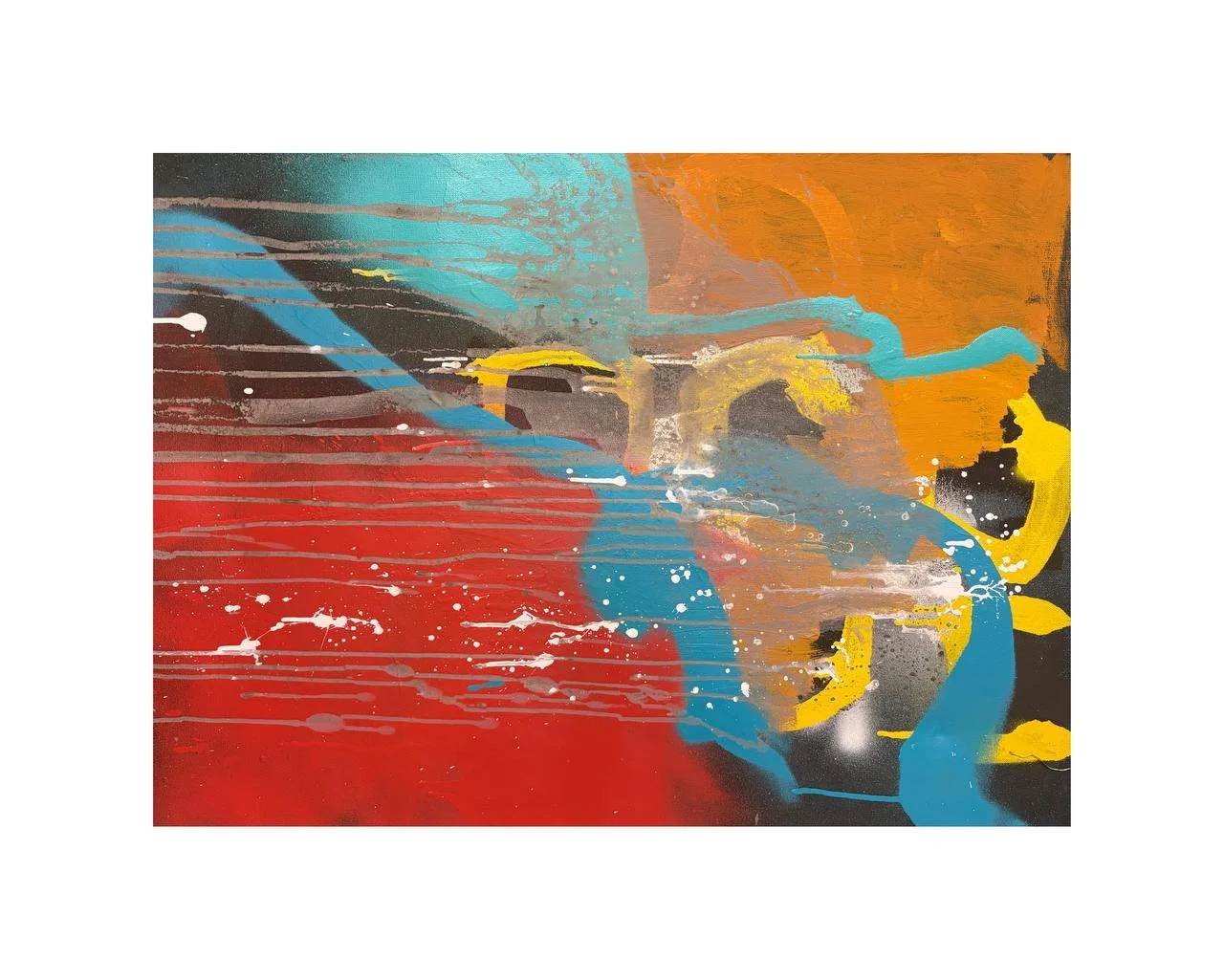
Waterpark
80 x 70 cm
acrylic, aerosol, exterior paint, radiator enamel
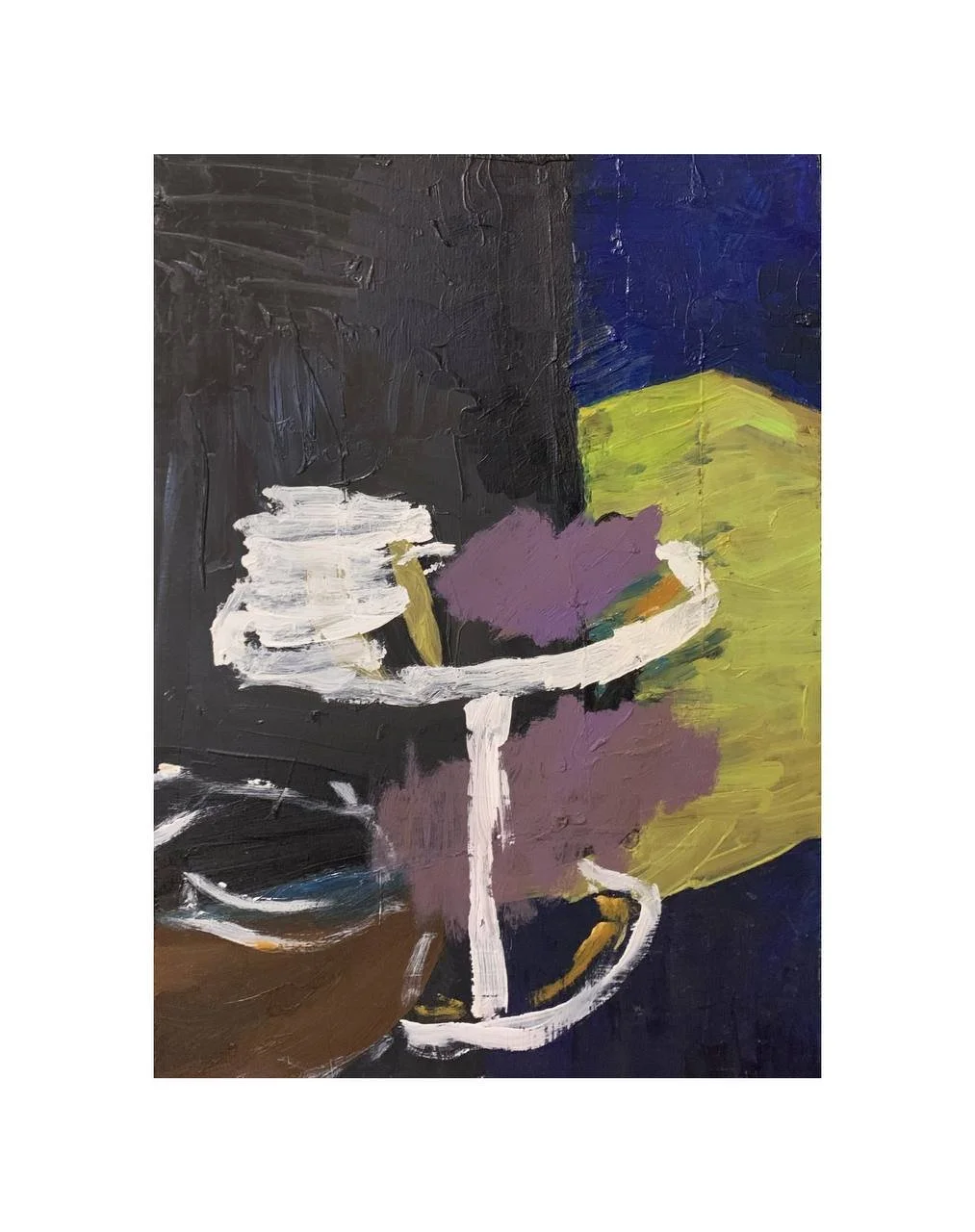
table outside
60 x 40 cm
canvas on cardboard
acrylic
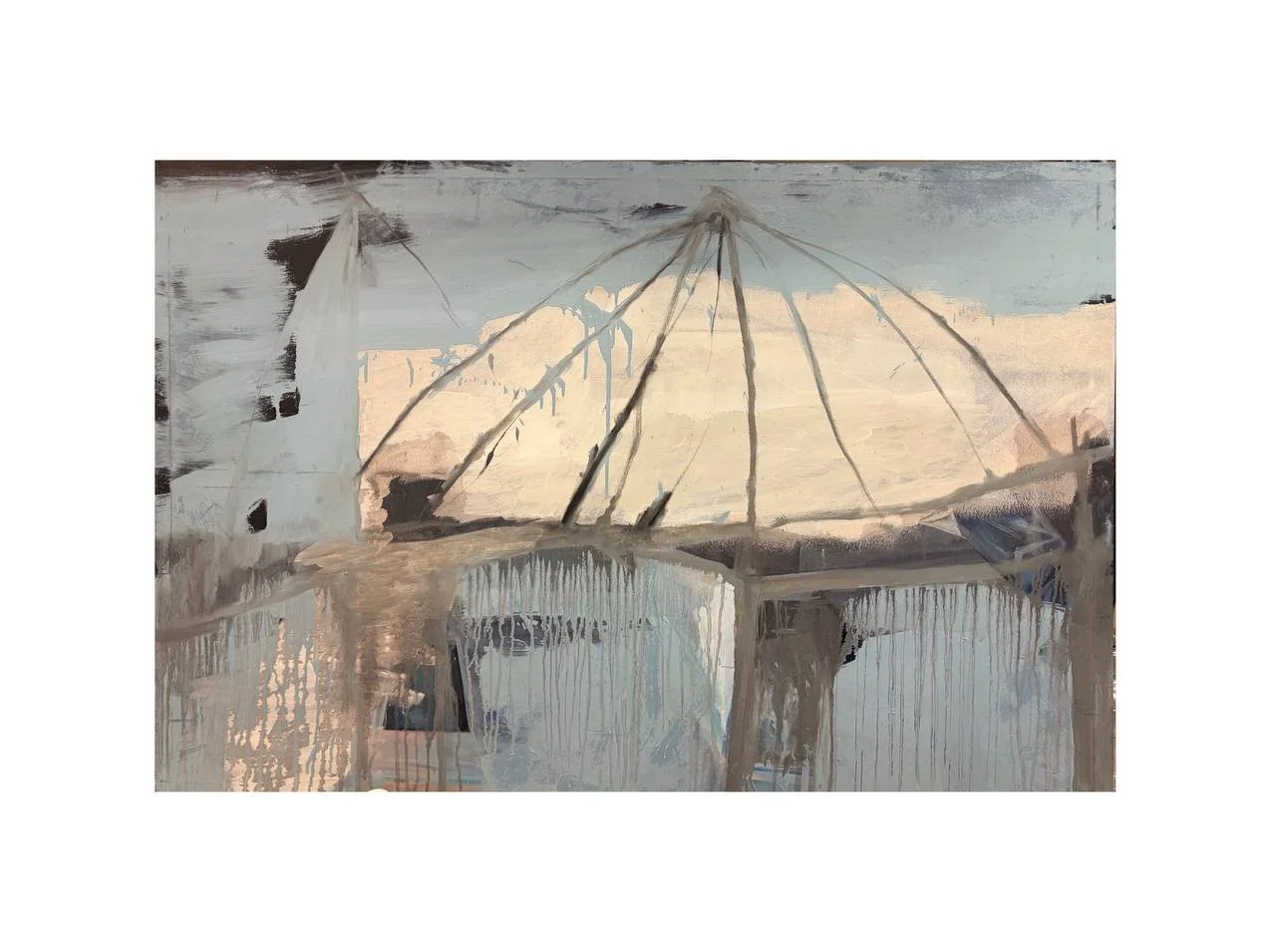
Dome
125 x 85 cm
oil
on canvas
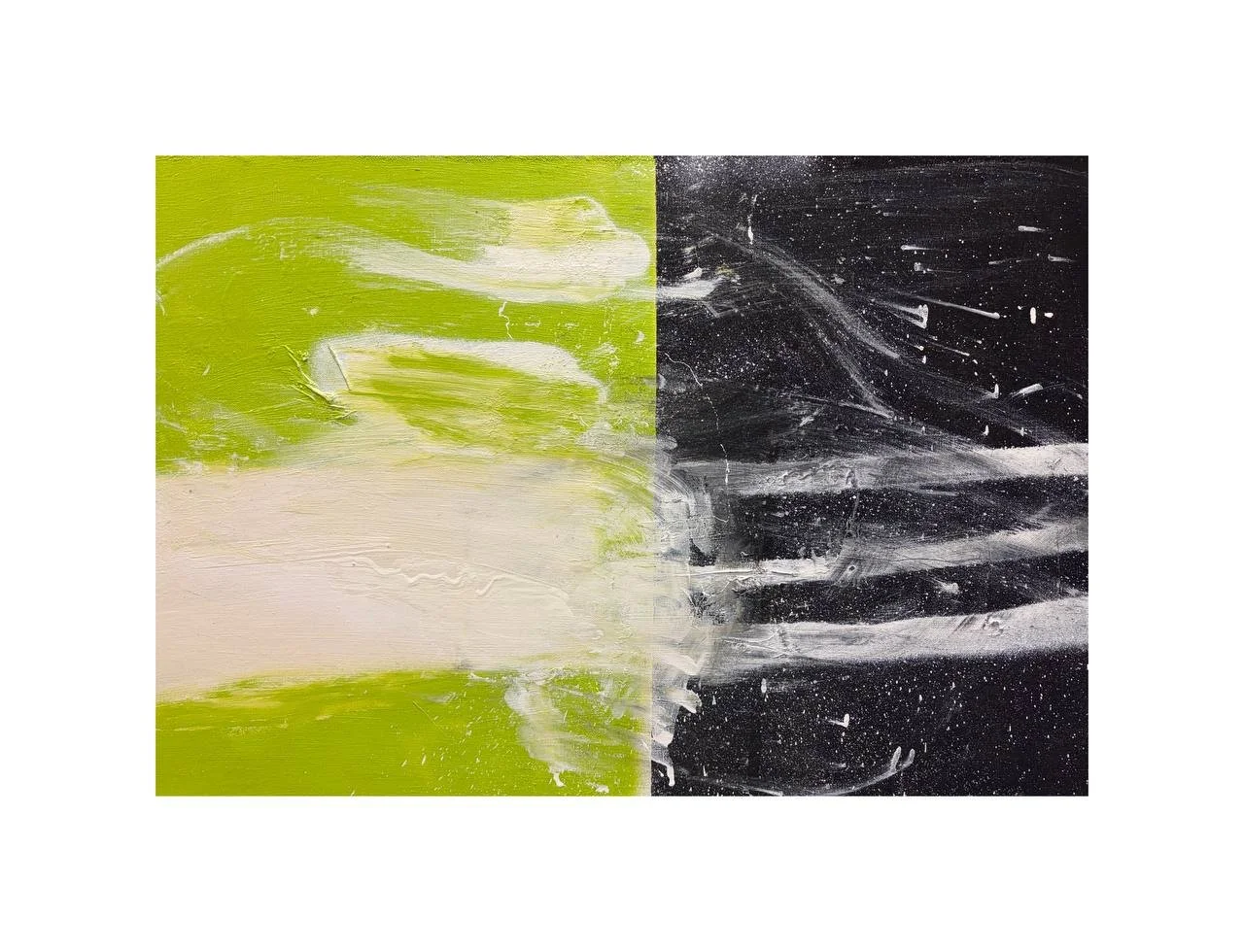
reading a newspaper in a snowstorm
80 x 50 cm
acrylic, aerosol, colorant
on canvas
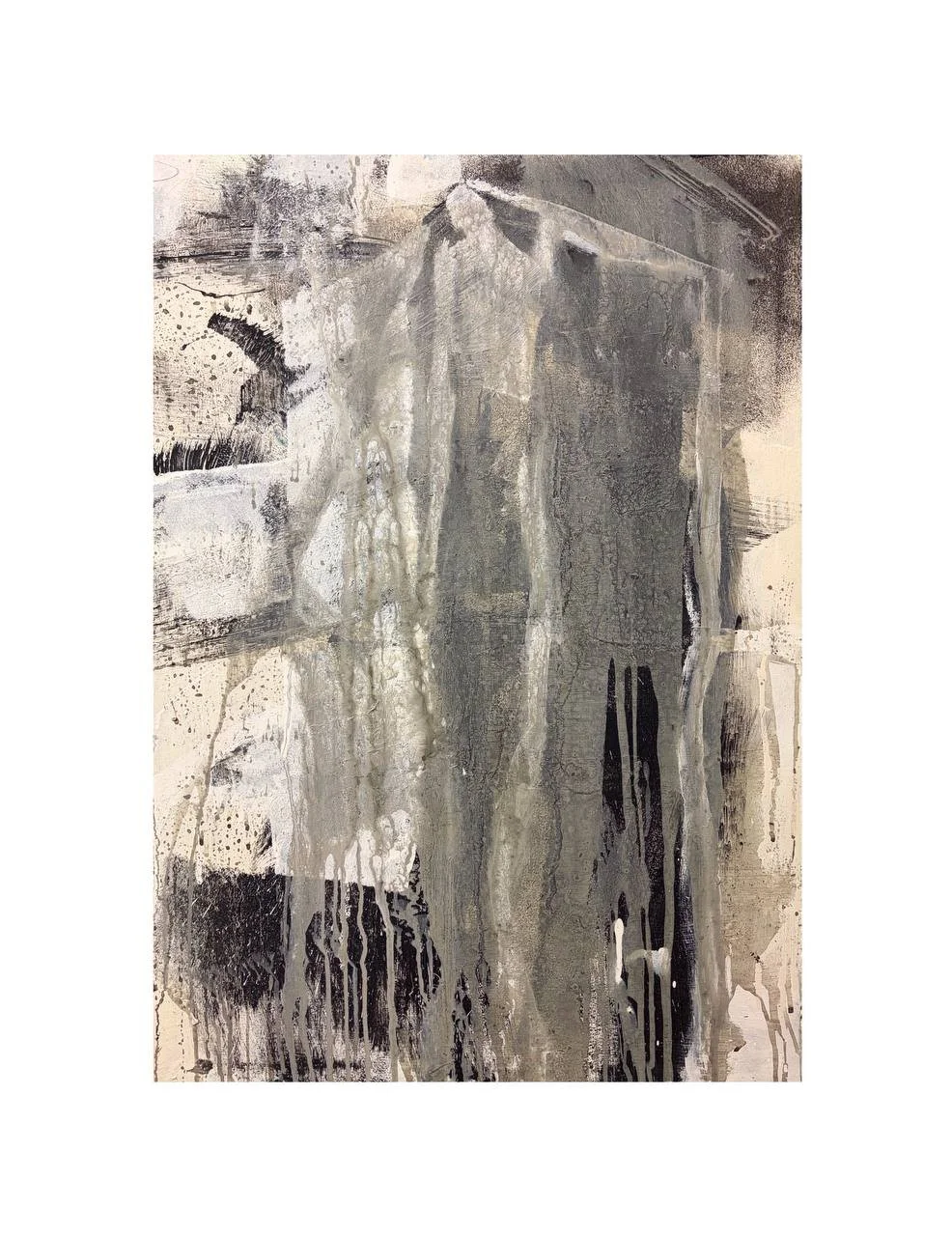
Remnant
80 x 55 cm
acrylic, enamel on canvas
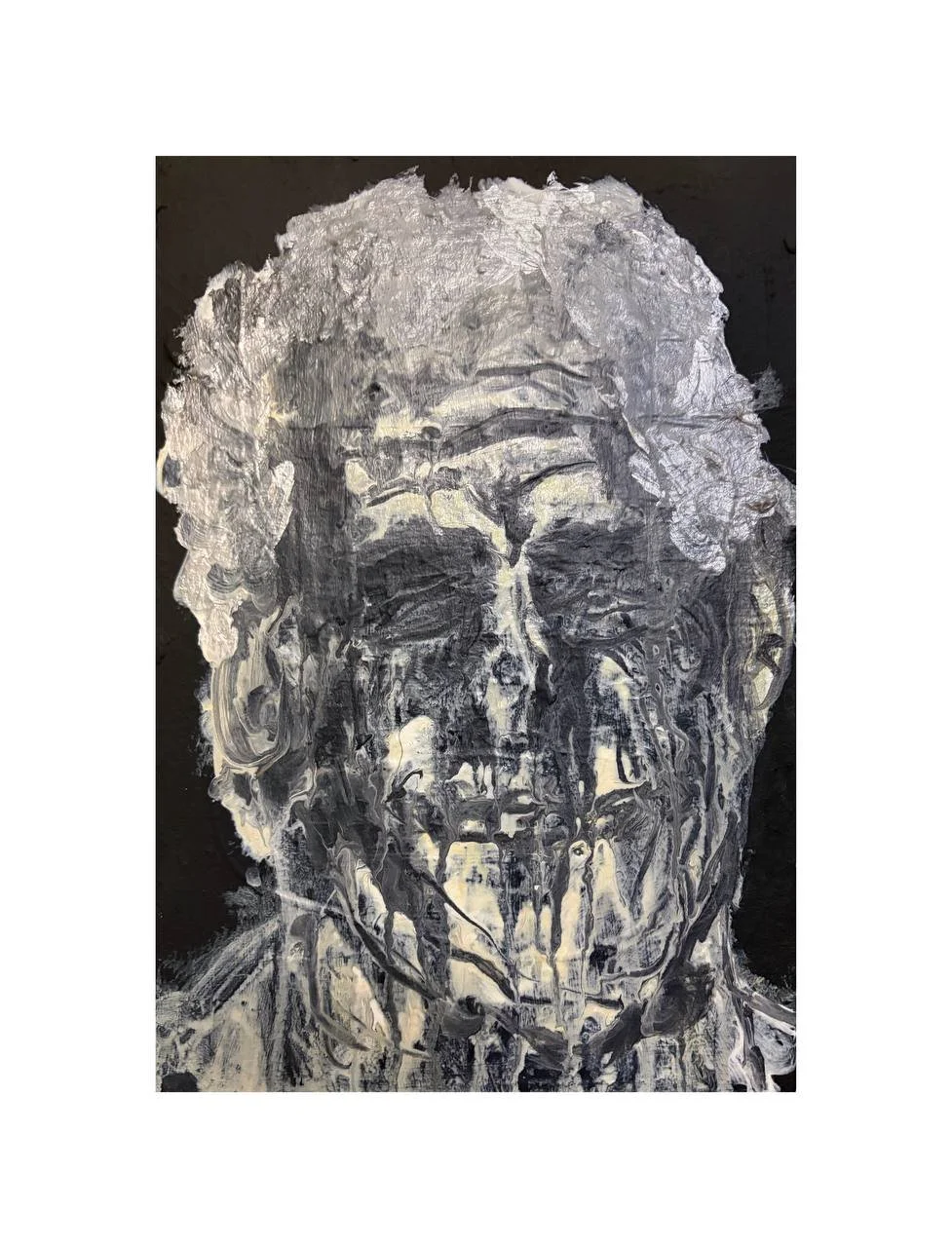
portrait
20 x 30 cm
acrylic
on canvas
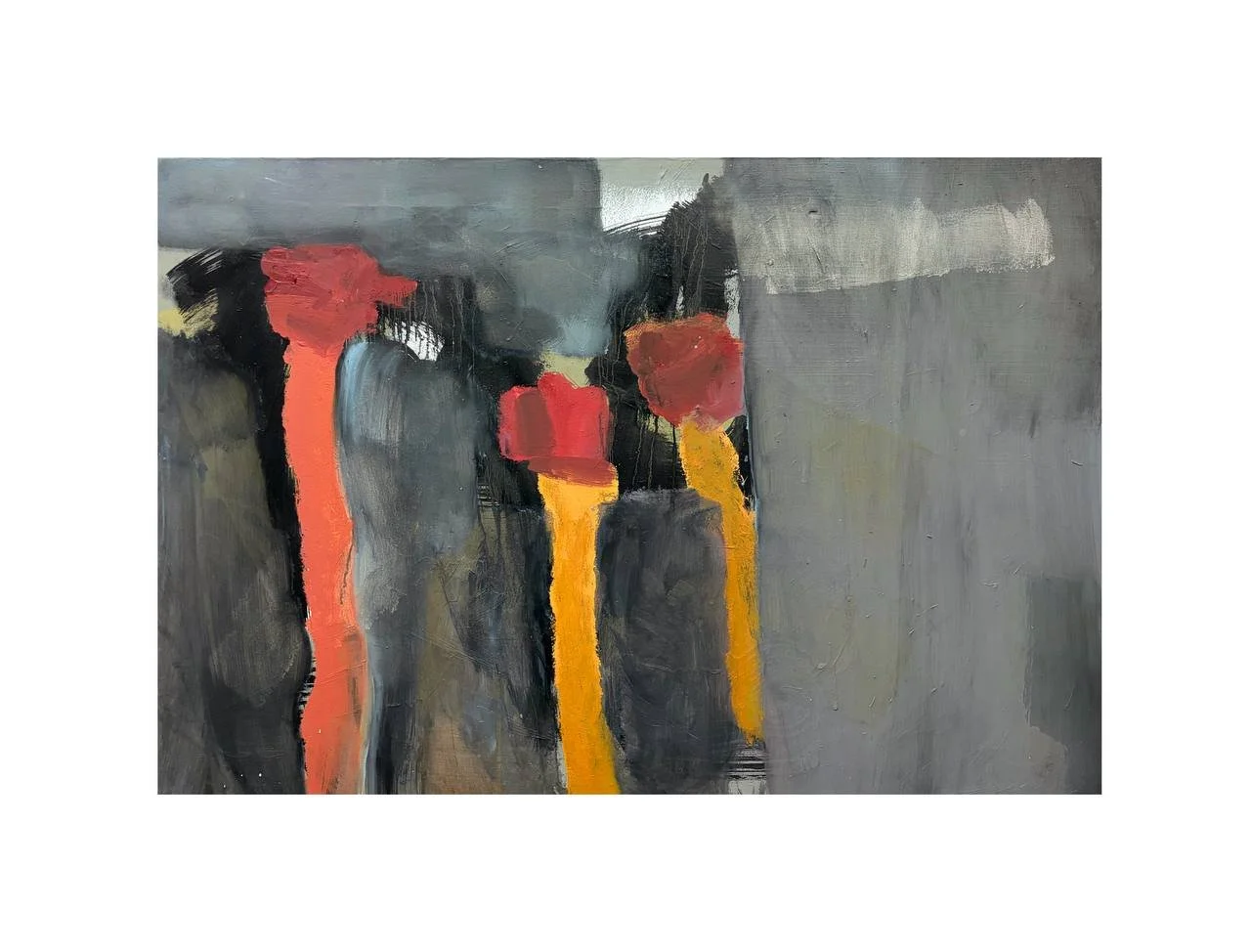
“Flowers of Evil”
90x60
canvas
oil
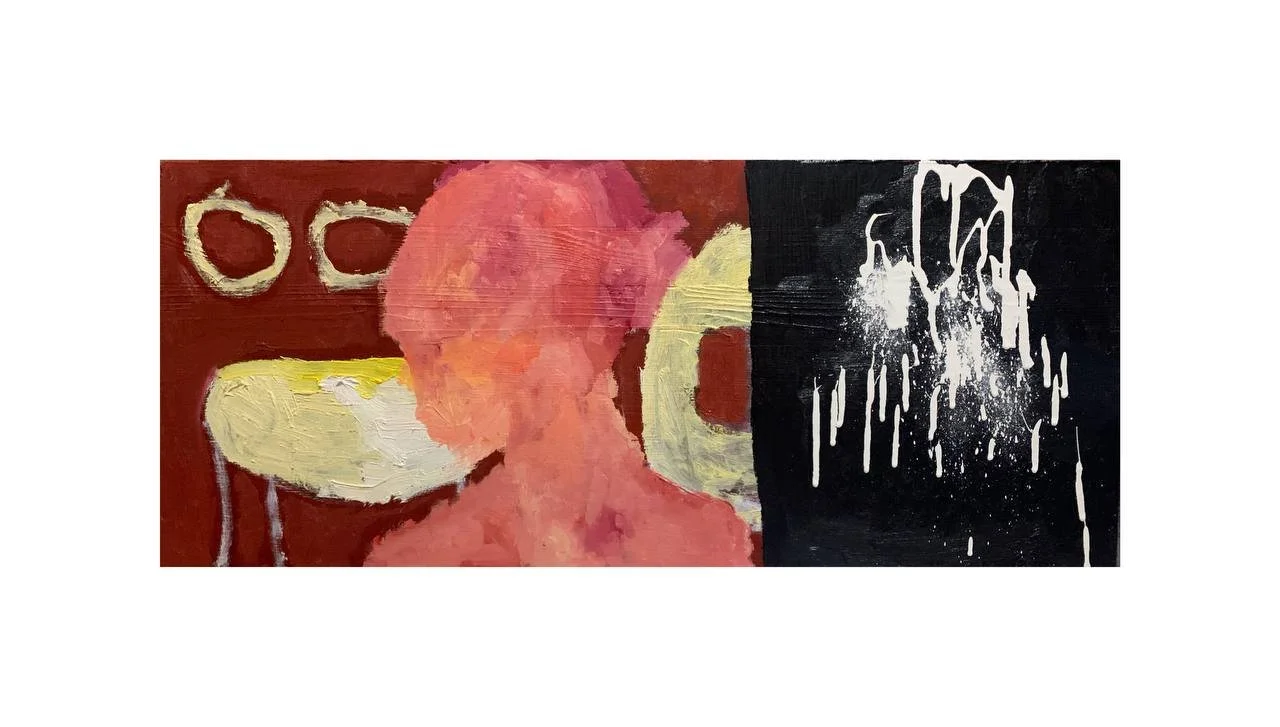
Soul X-ray inversion
65 x 30
acrylic, oil
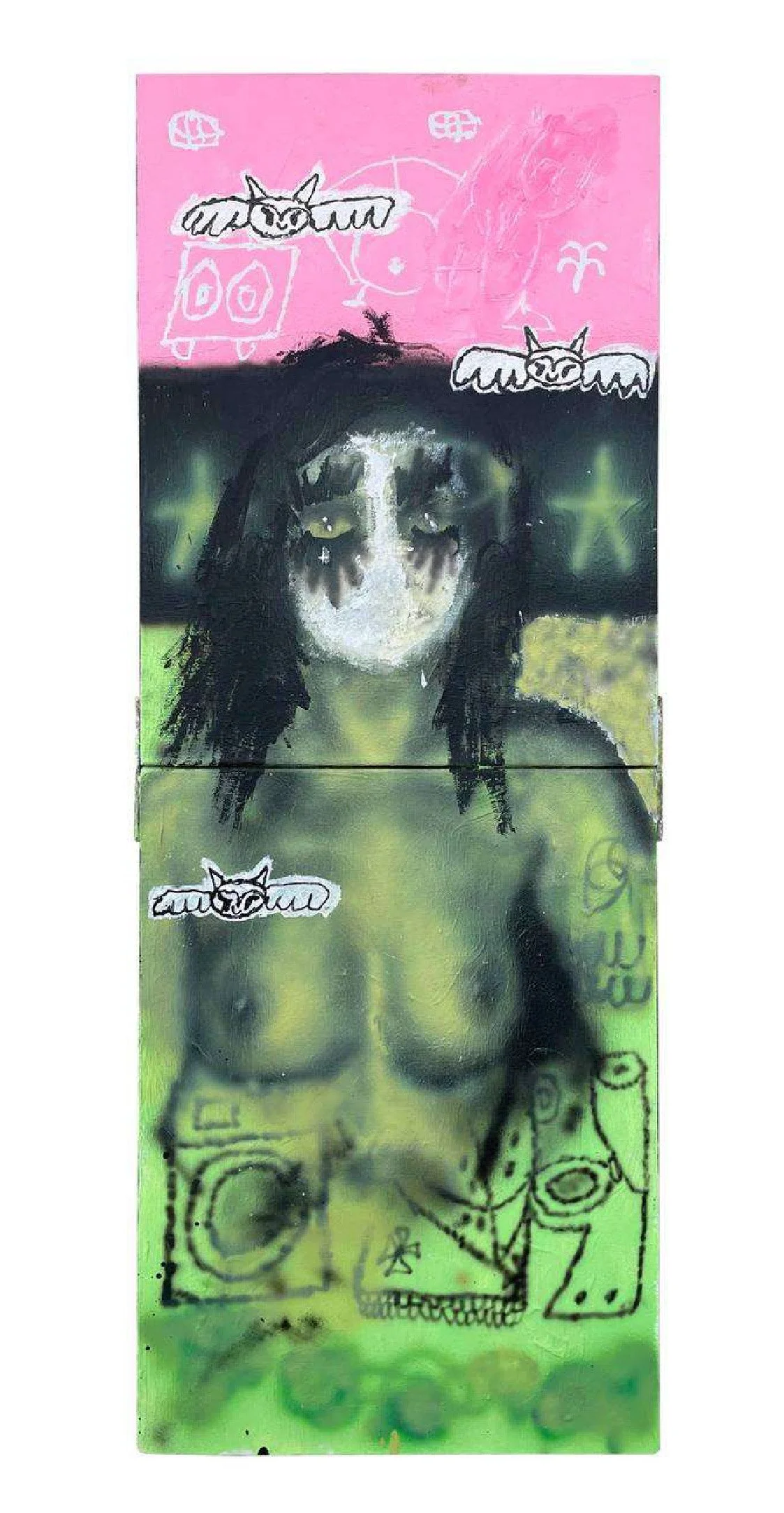
“The Last Gig”
30 × 80 cm
Acrylic, airbrush
Diptych (two canvases)
2025
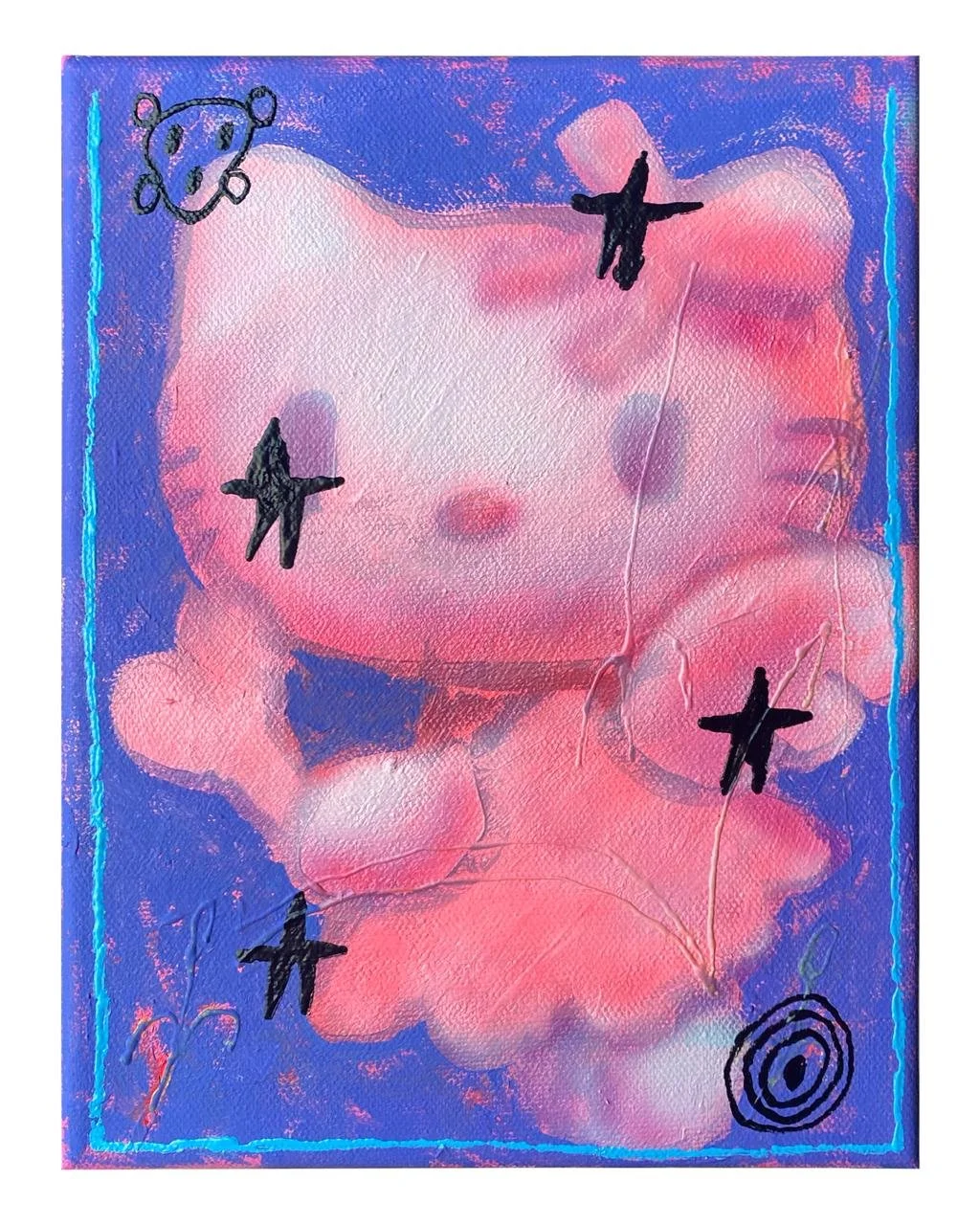
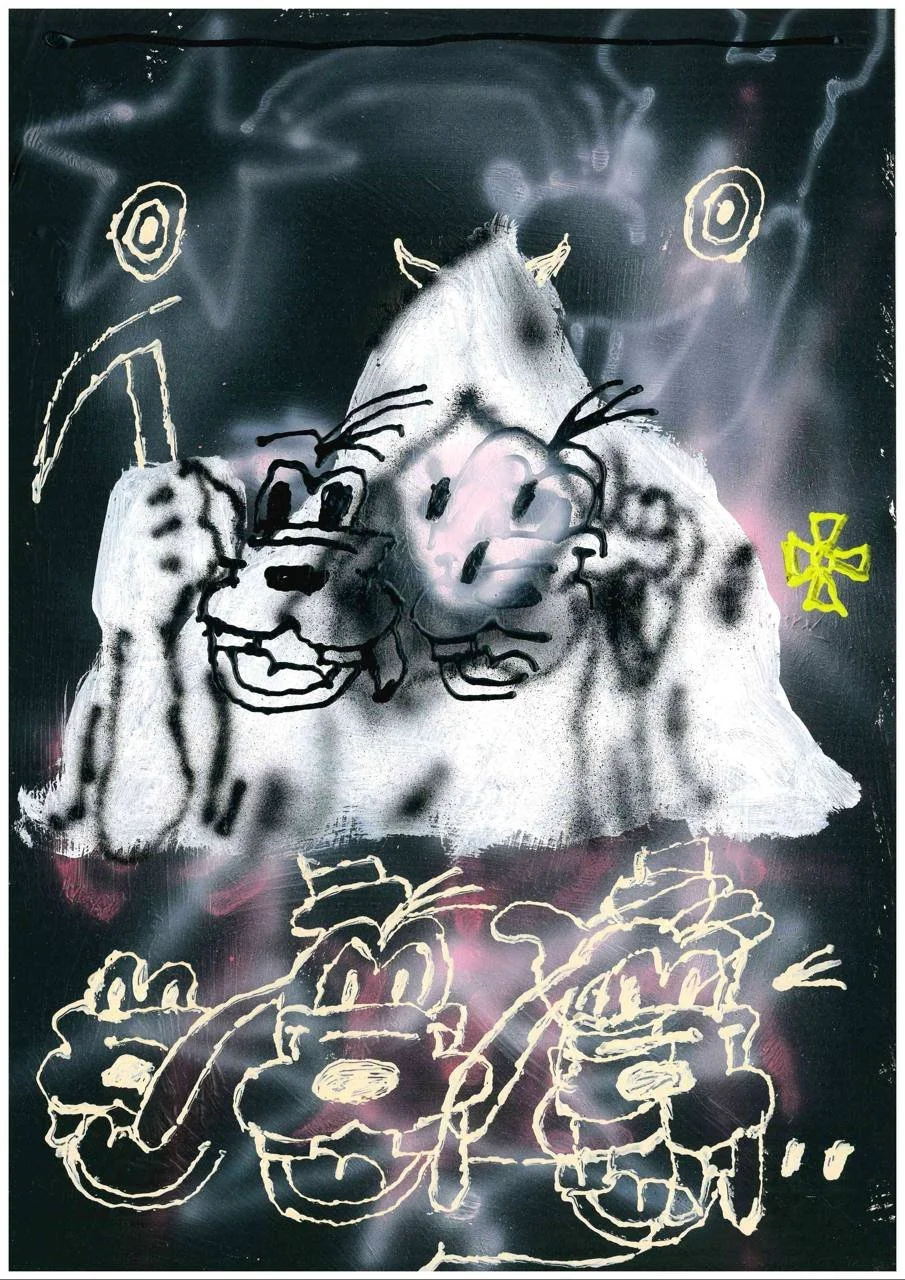
Goy Slop Art / Baby
18 × 24 cm
acrylic, airbrush
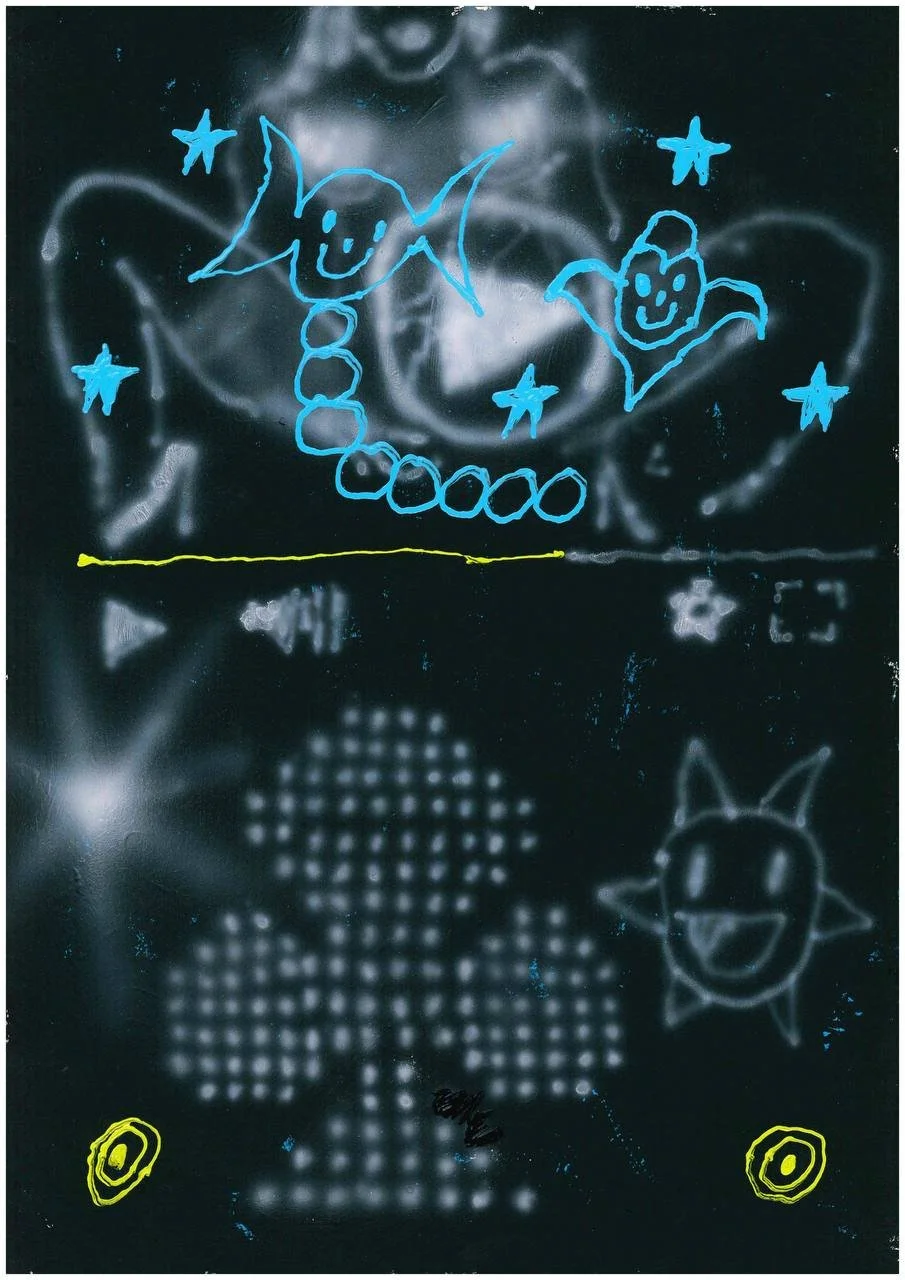
A3
acrylic, airbrush
2026
A4
acrylic, airbrush
2026
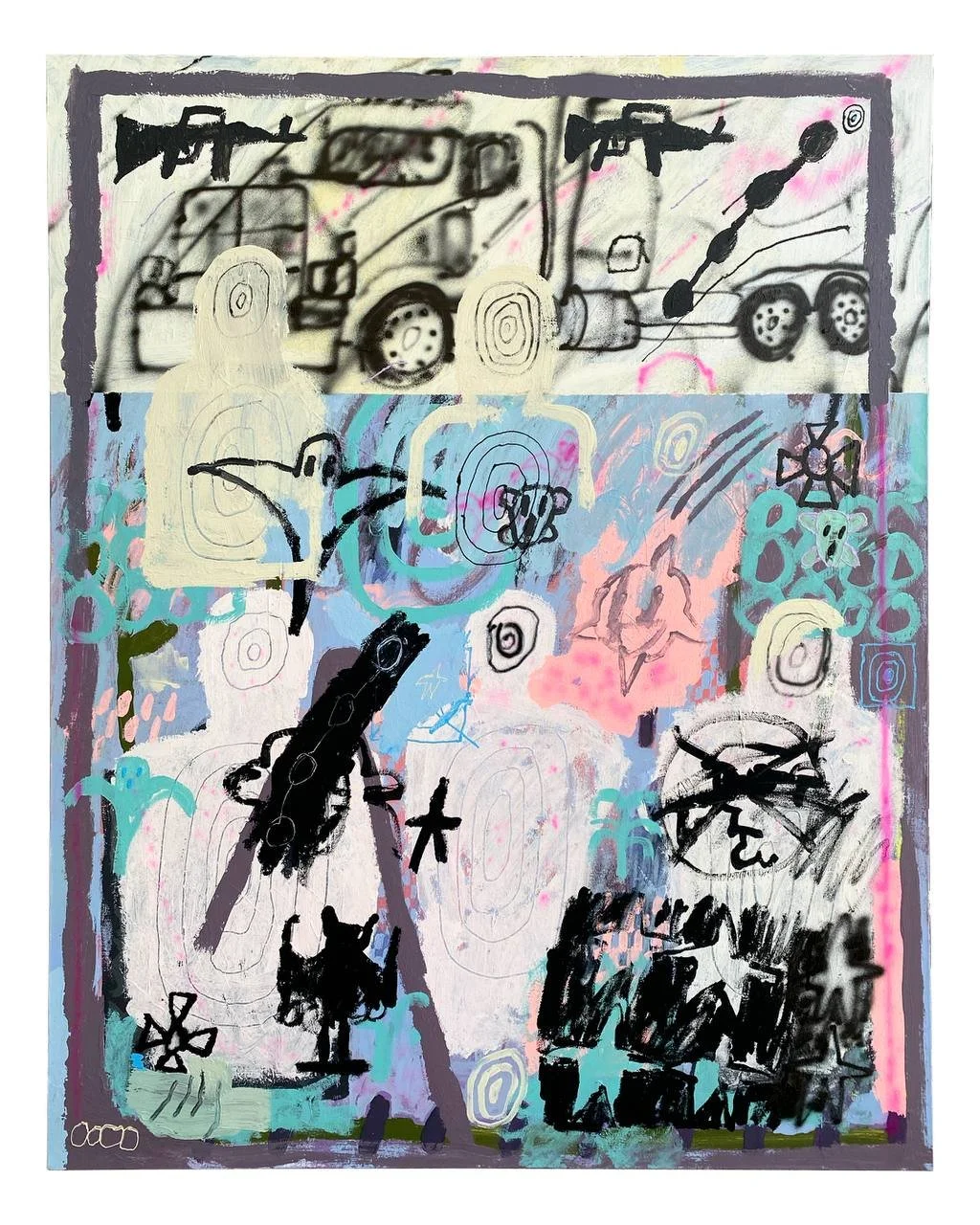
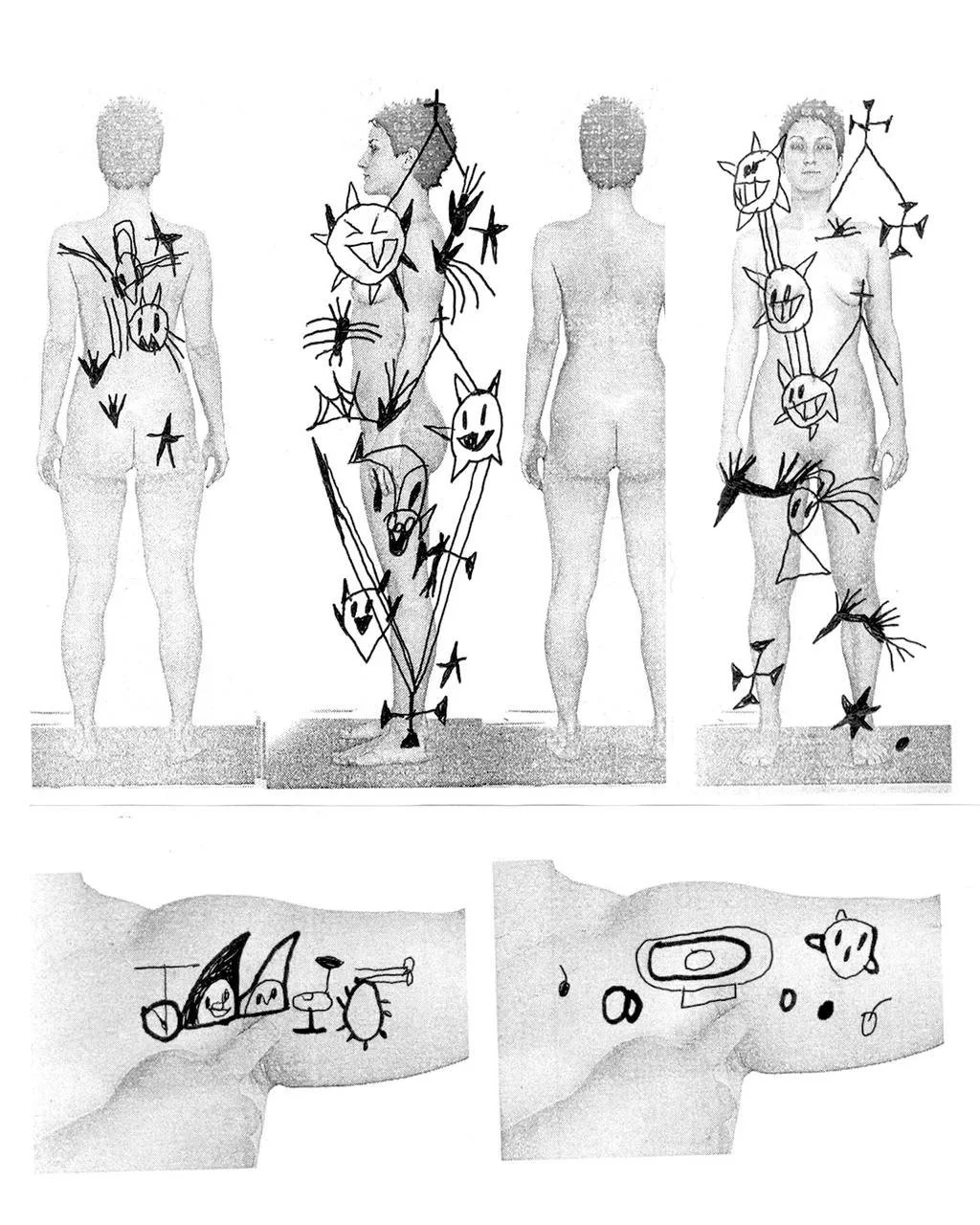
militia / I need to shoot the targets
100 × 79.5 cm
acrylic, airbrush
on canvas
2026
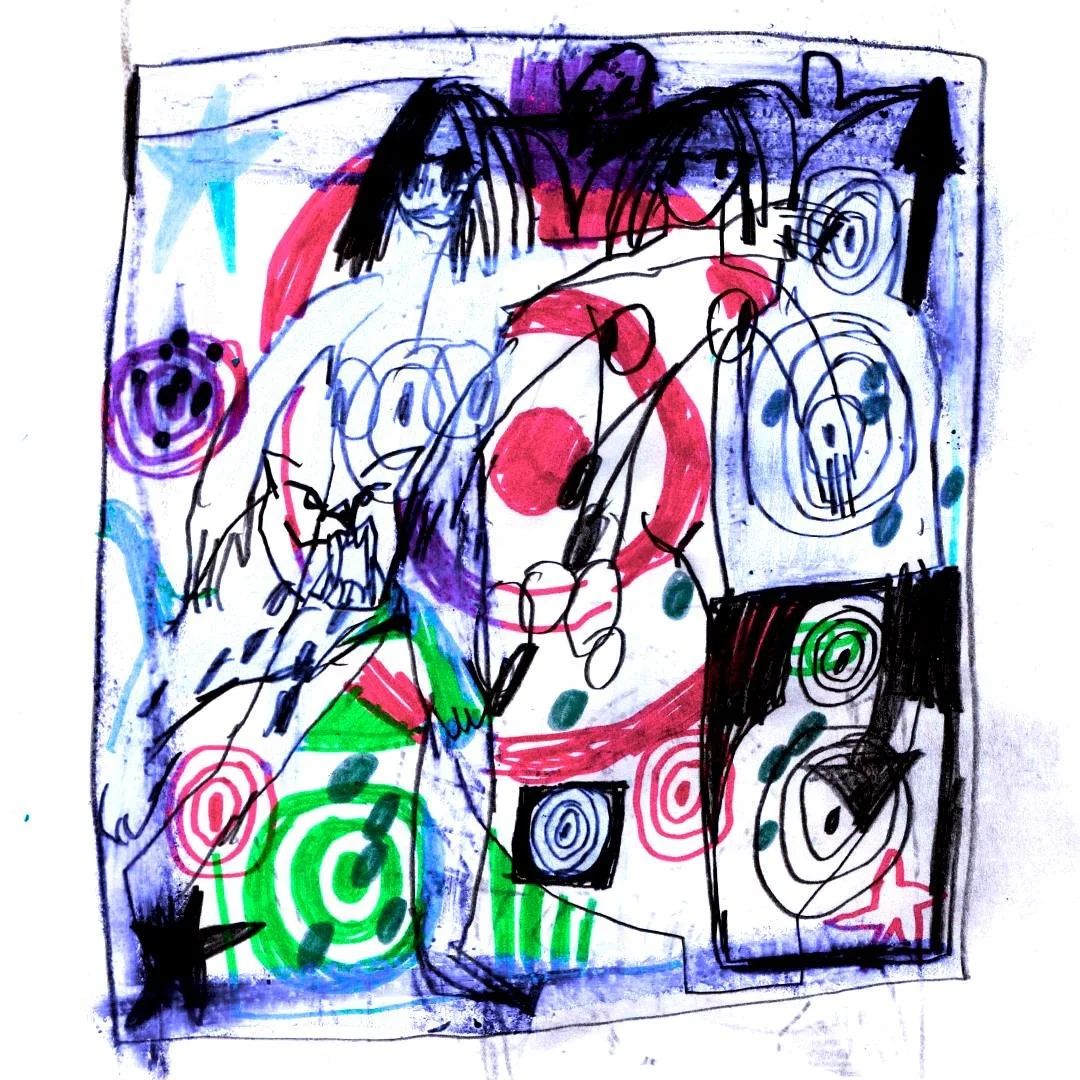
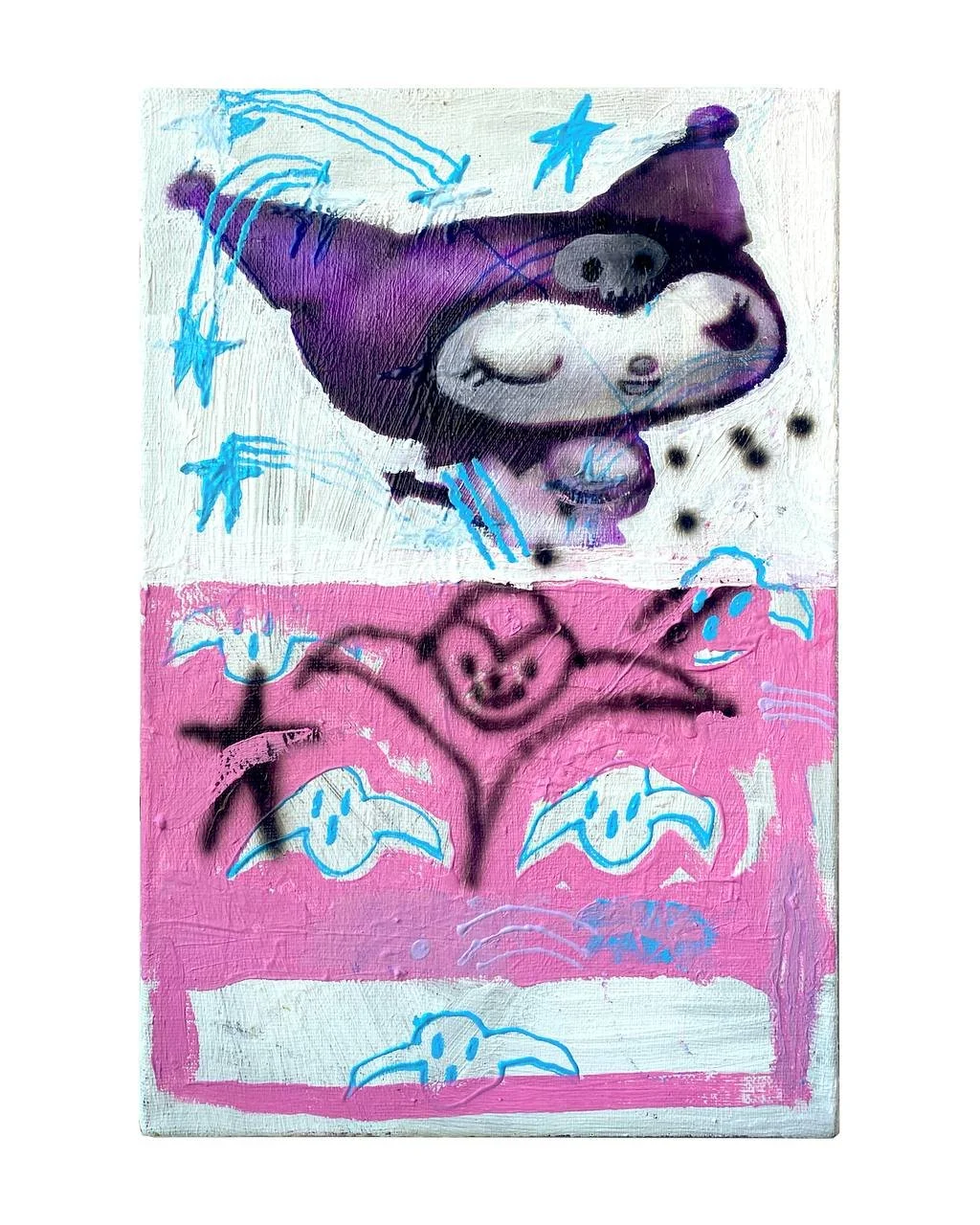
Goy Slop Art / baby angel
20 × 30 cm
acrylic, airbrush
on canvas
2026
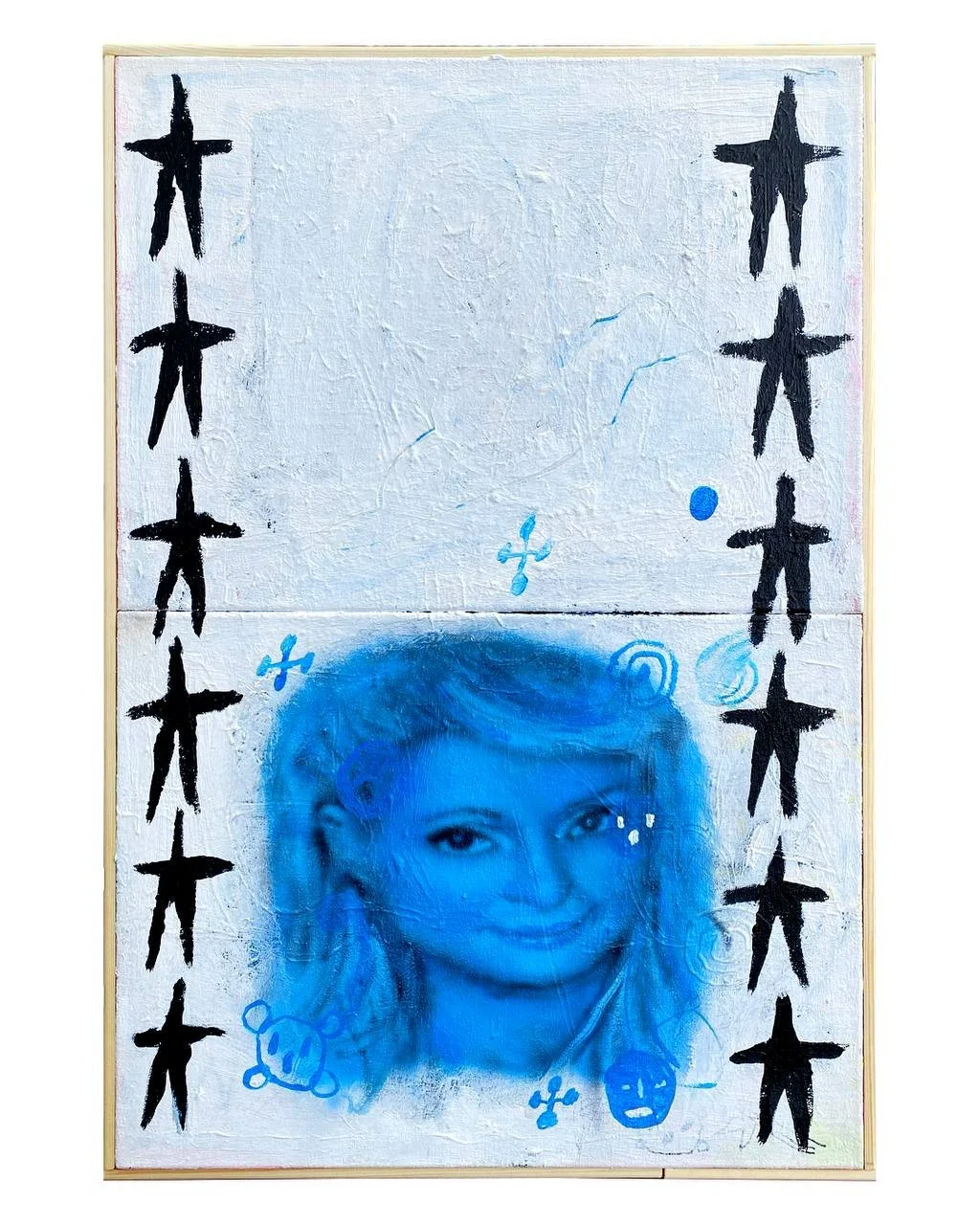
Paris Hilton
40 × 60 cm
acrylic, airbrush
on canvas
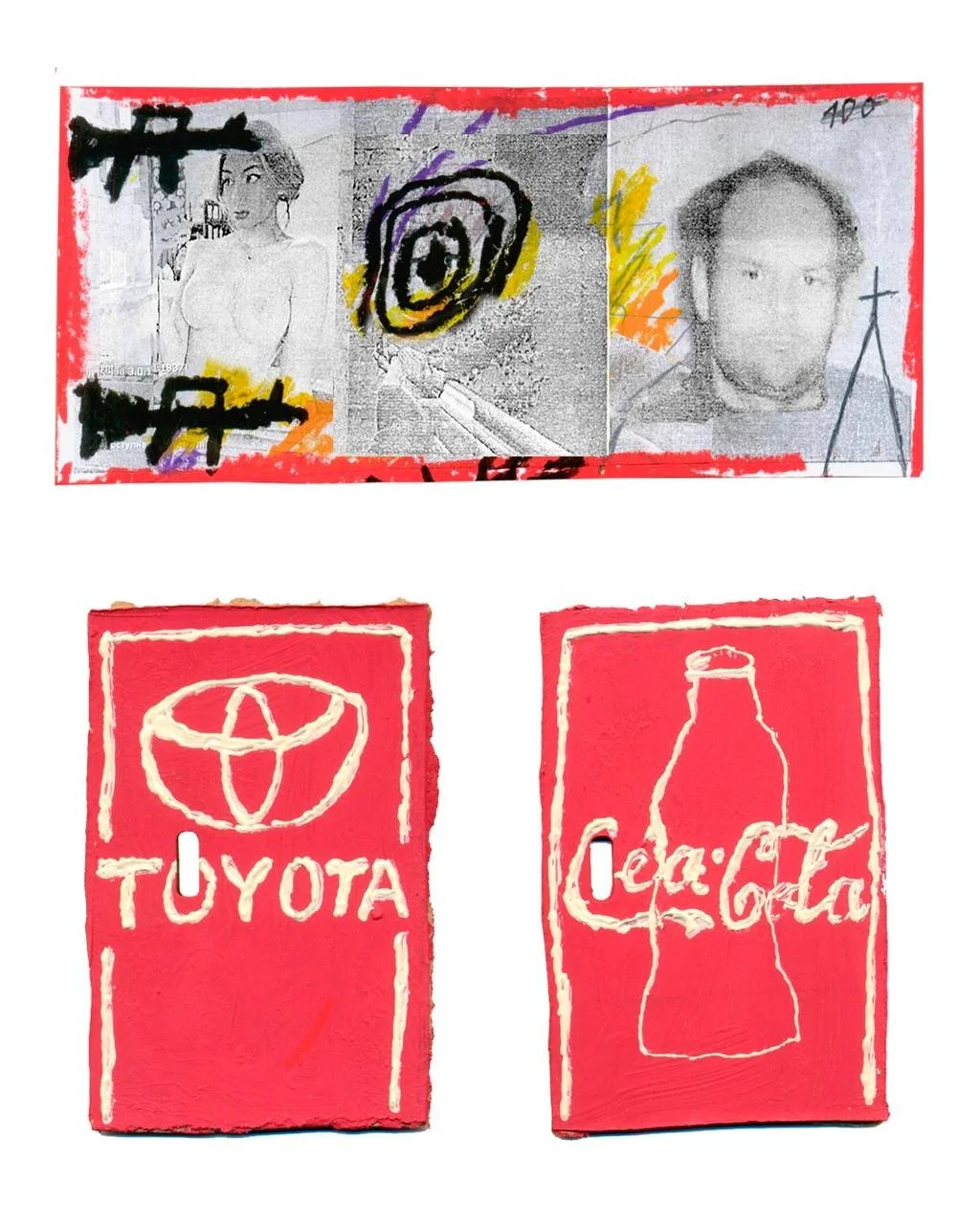
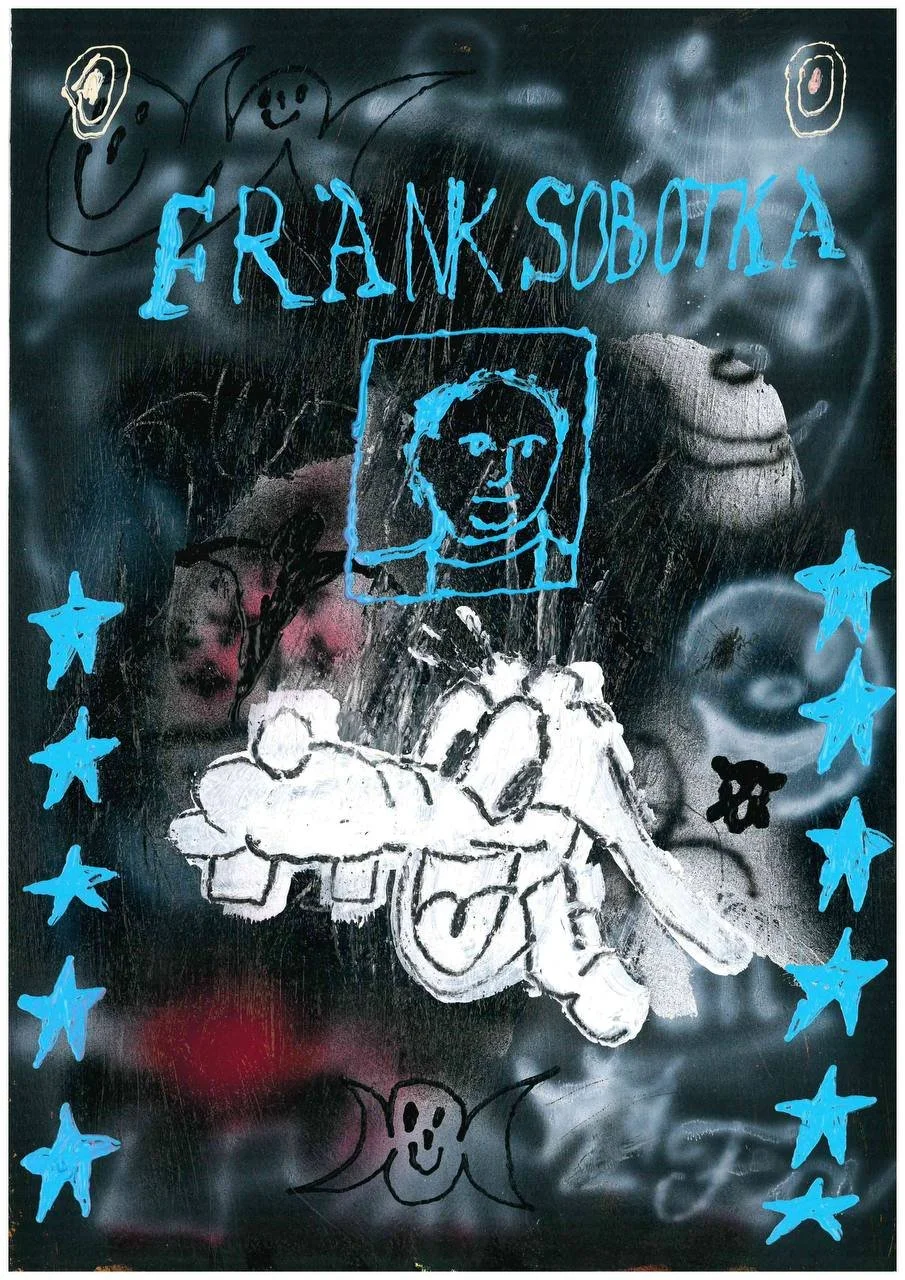
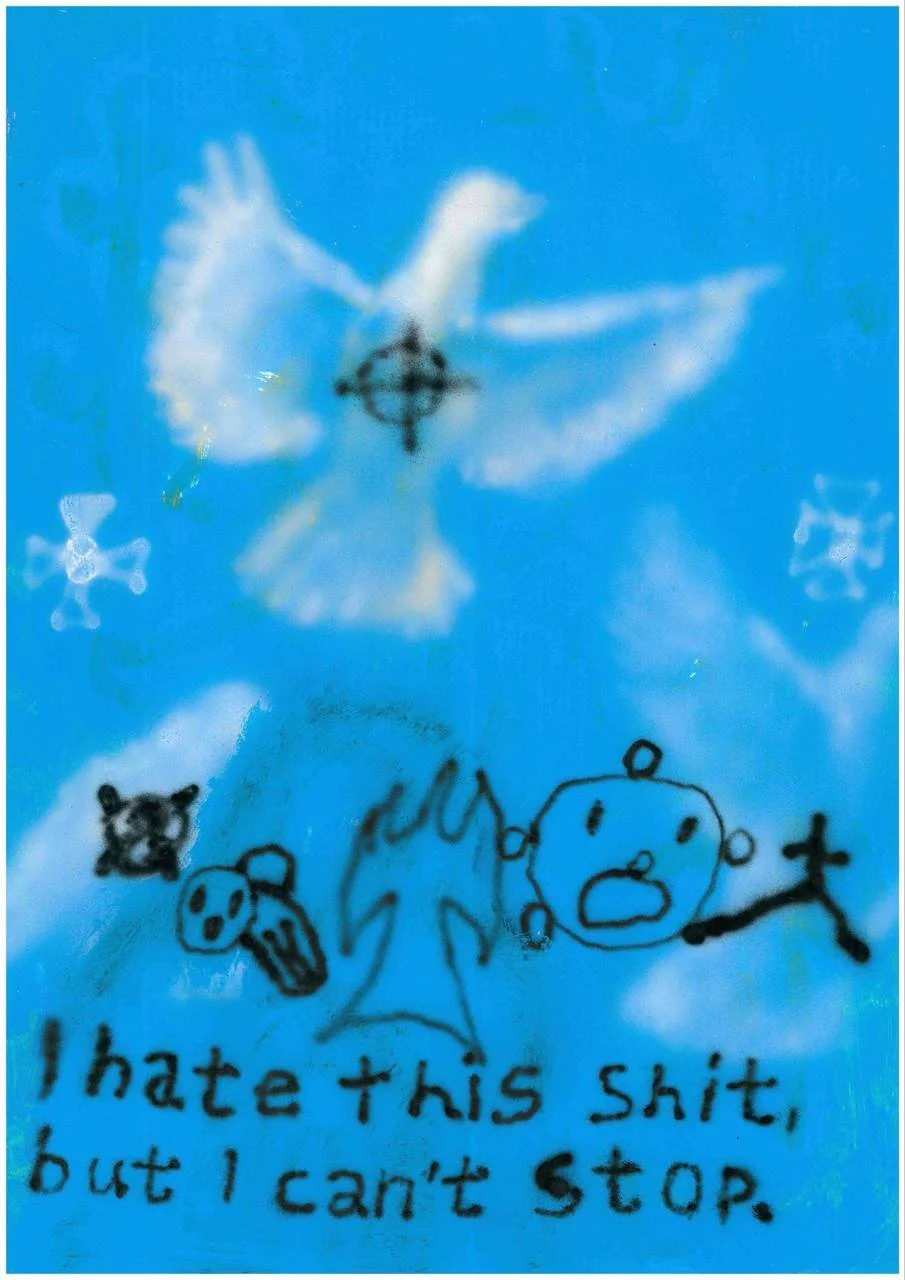
A3
airbrush, acrylic
2026
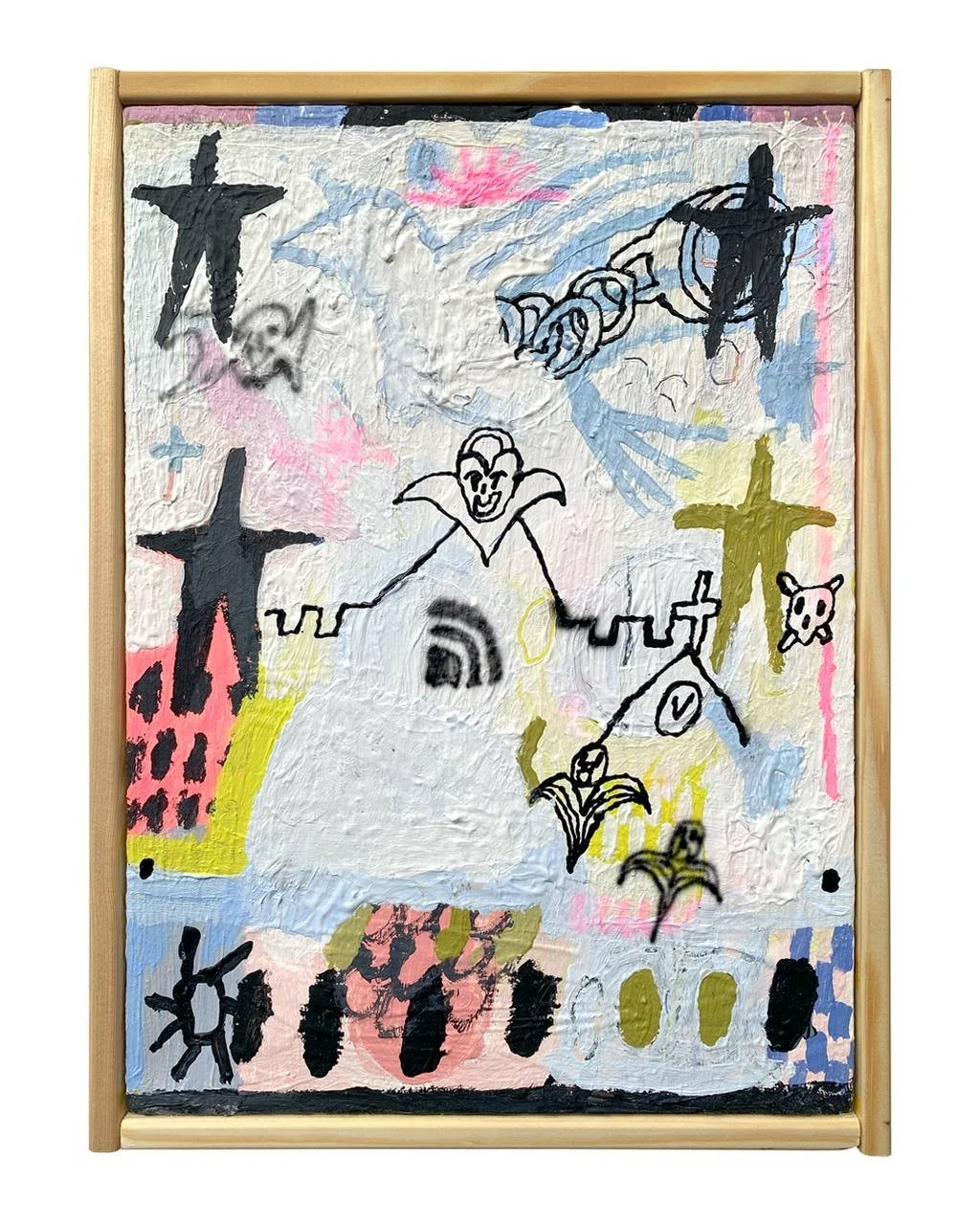
sky is falling onto the ruins
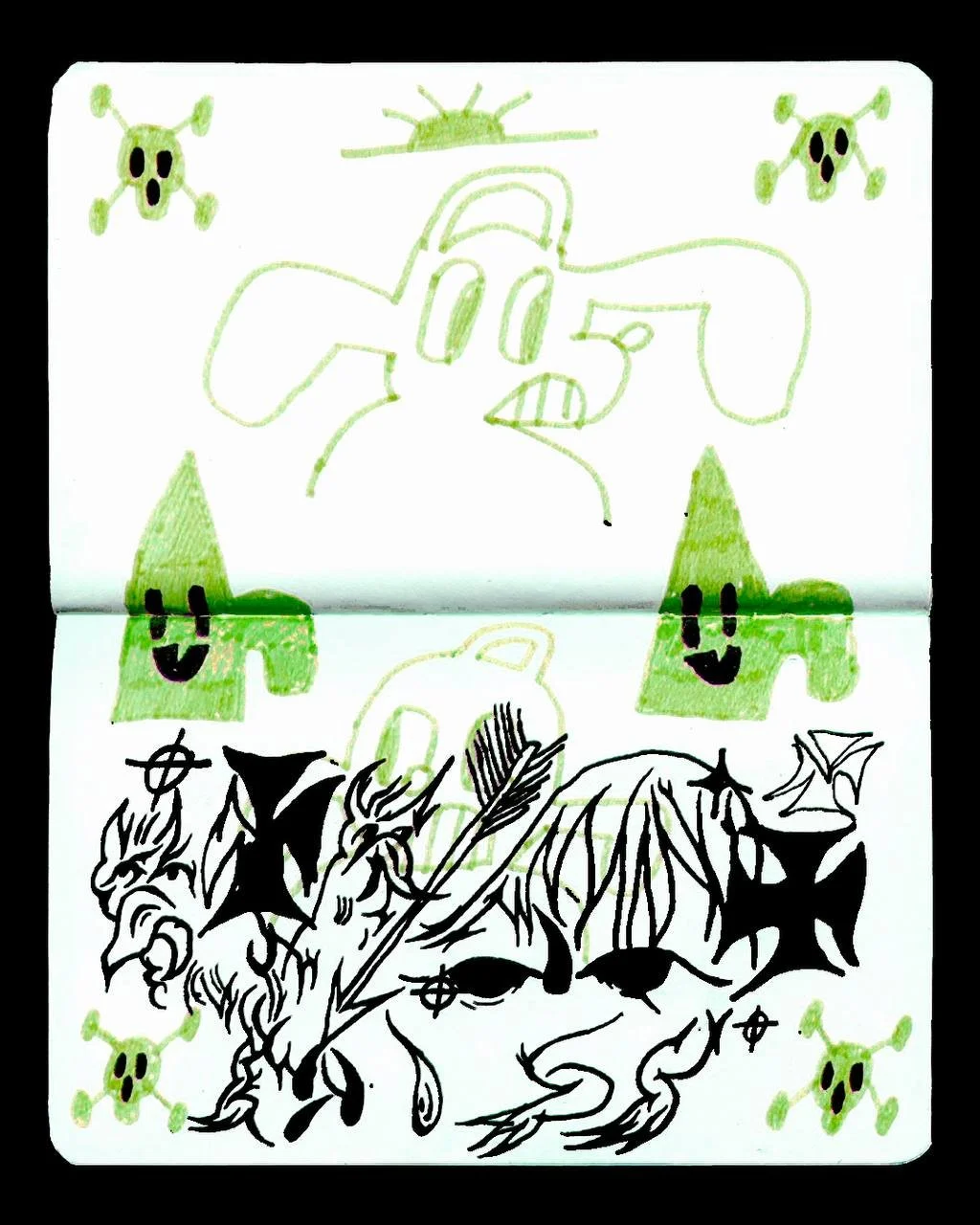
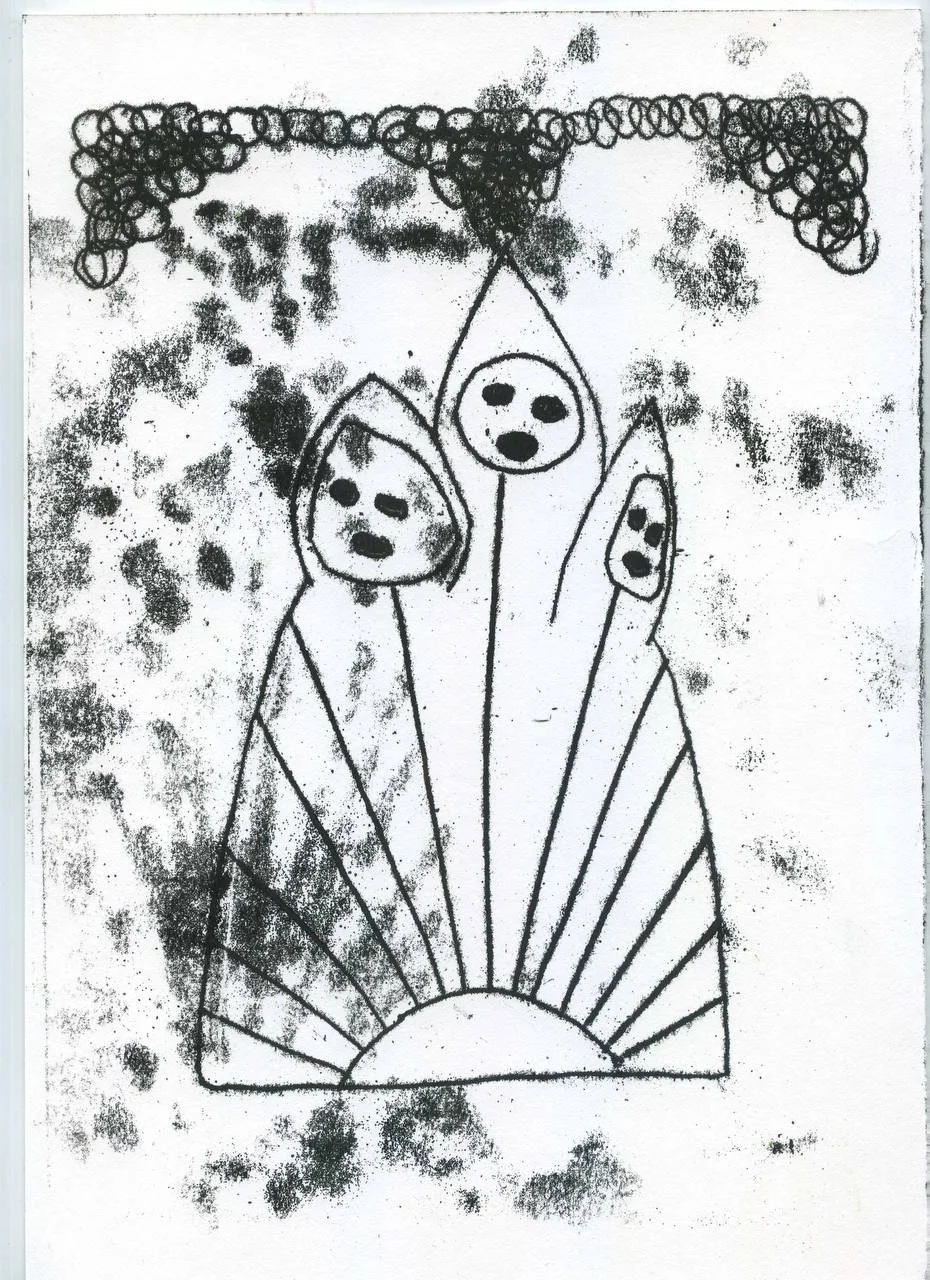
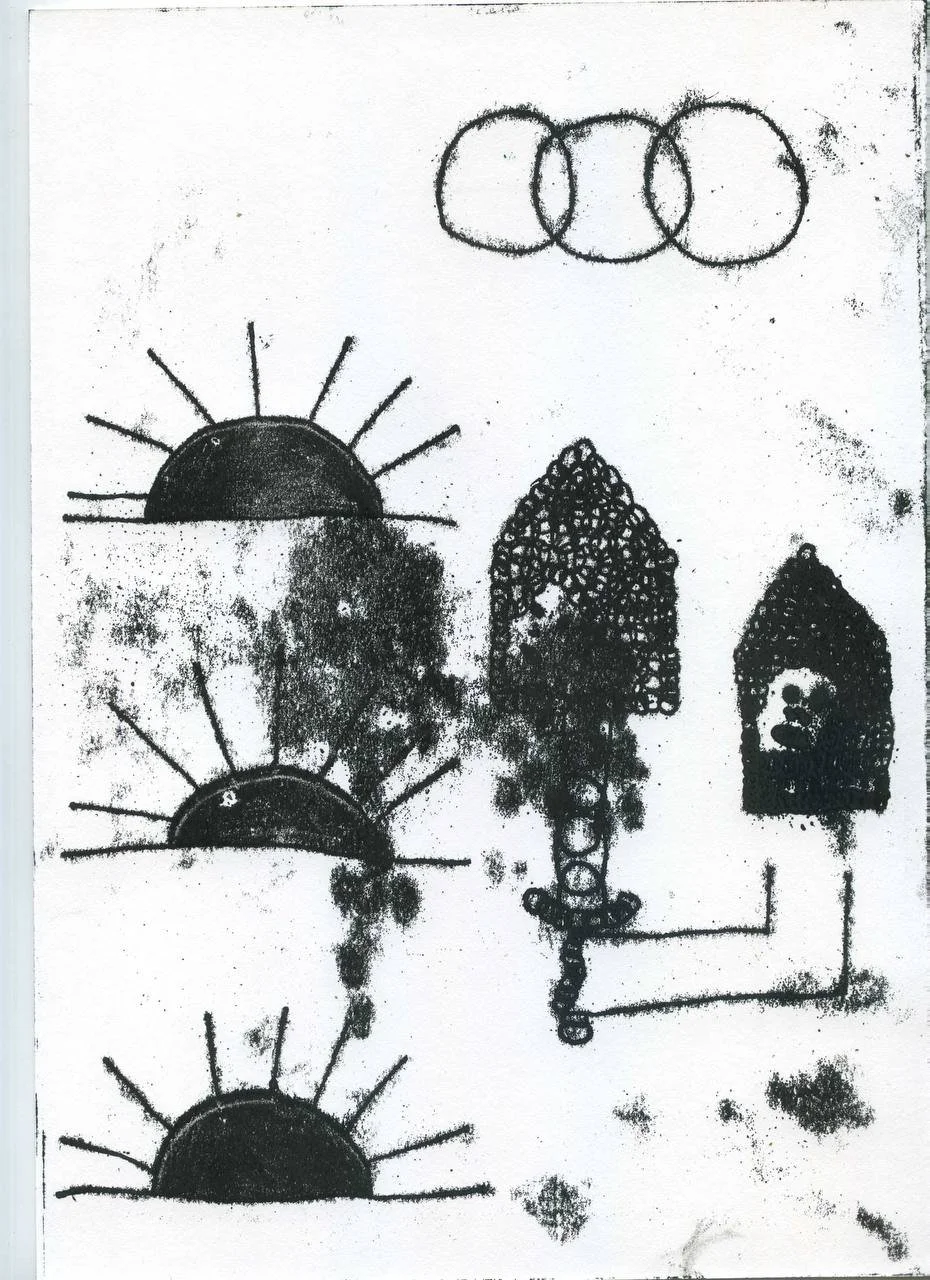
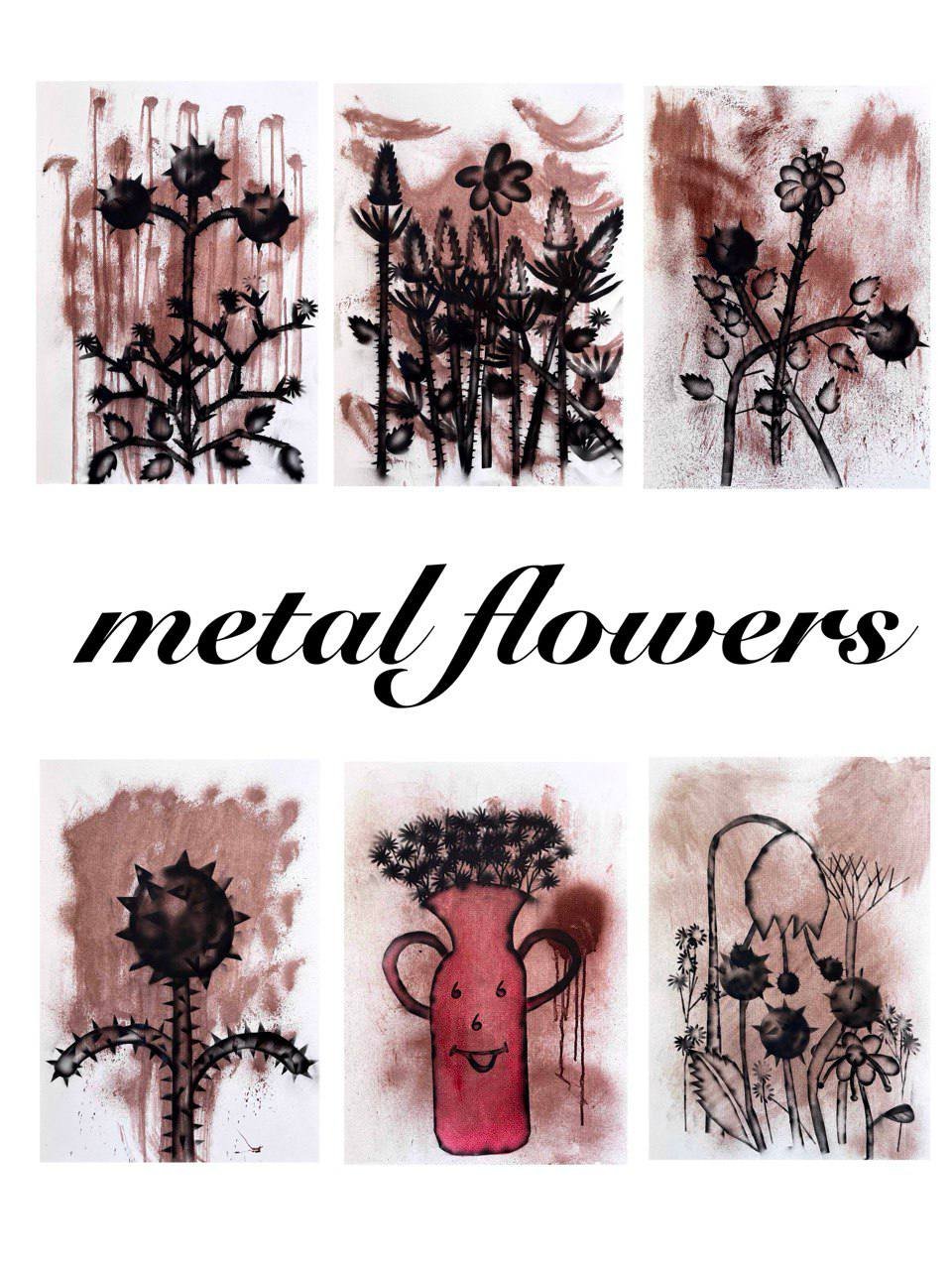
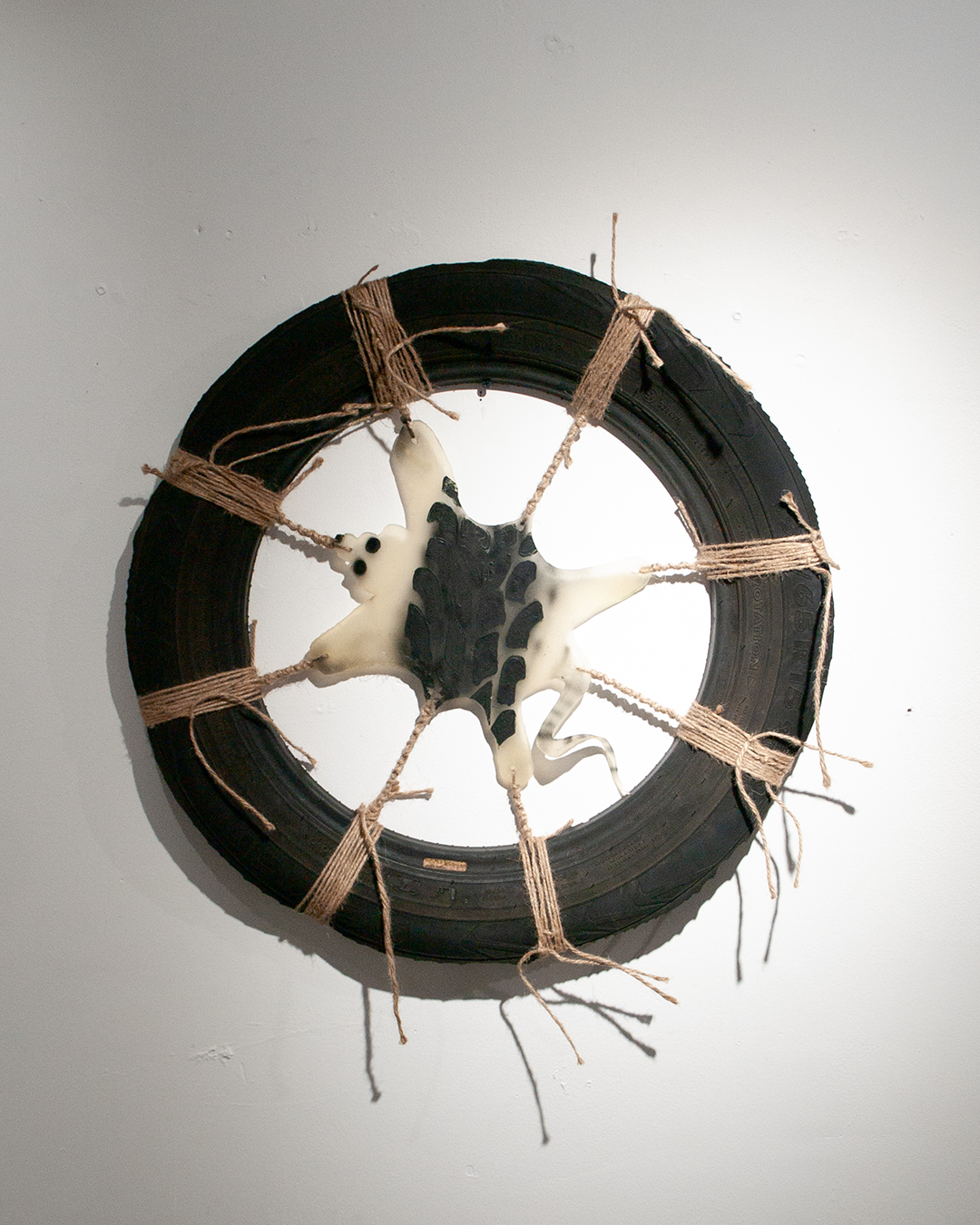
Photos from Vladimir Kravchenko’s solo exhibition, "Bubentamori Origins" 2026.

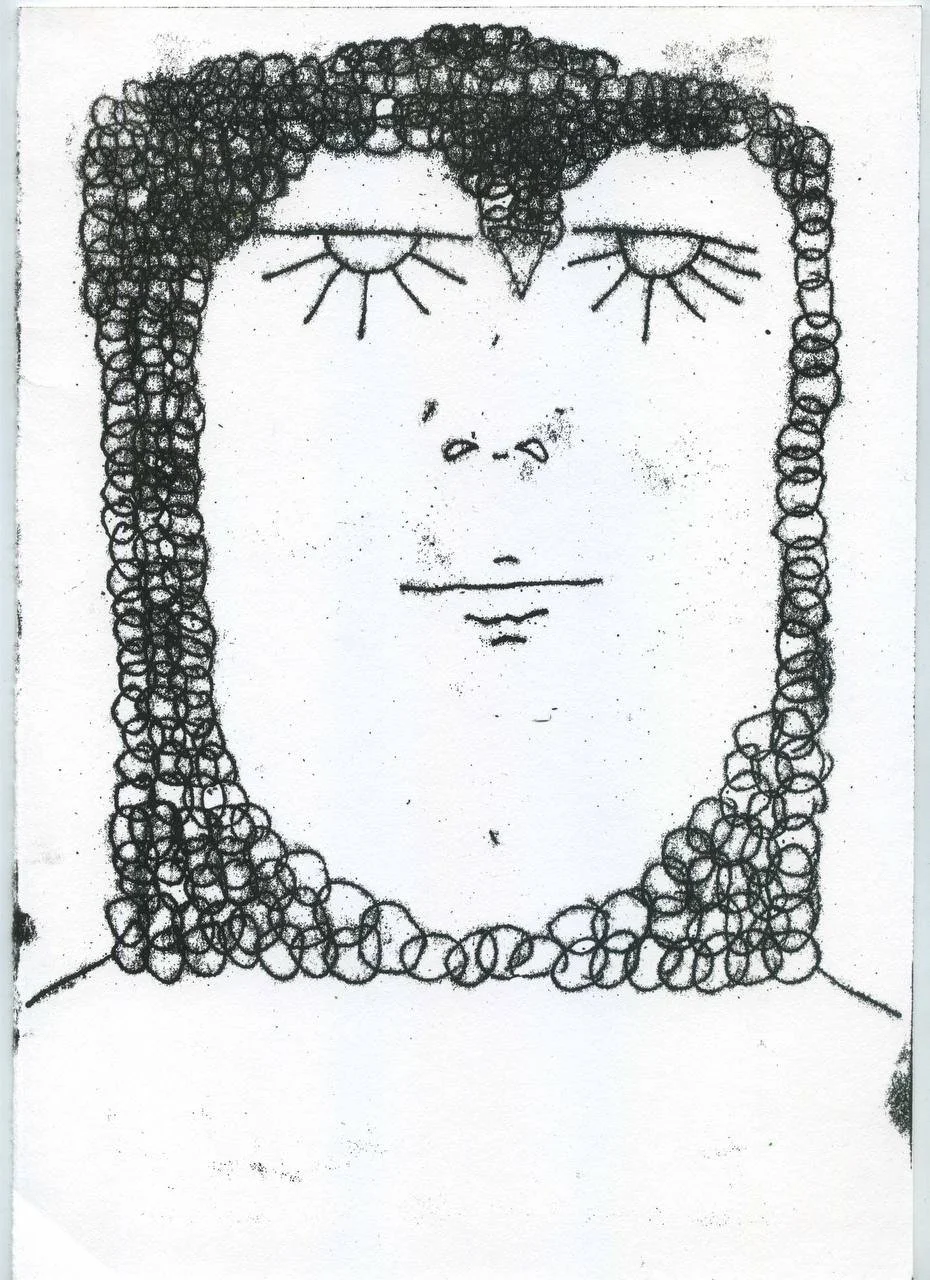
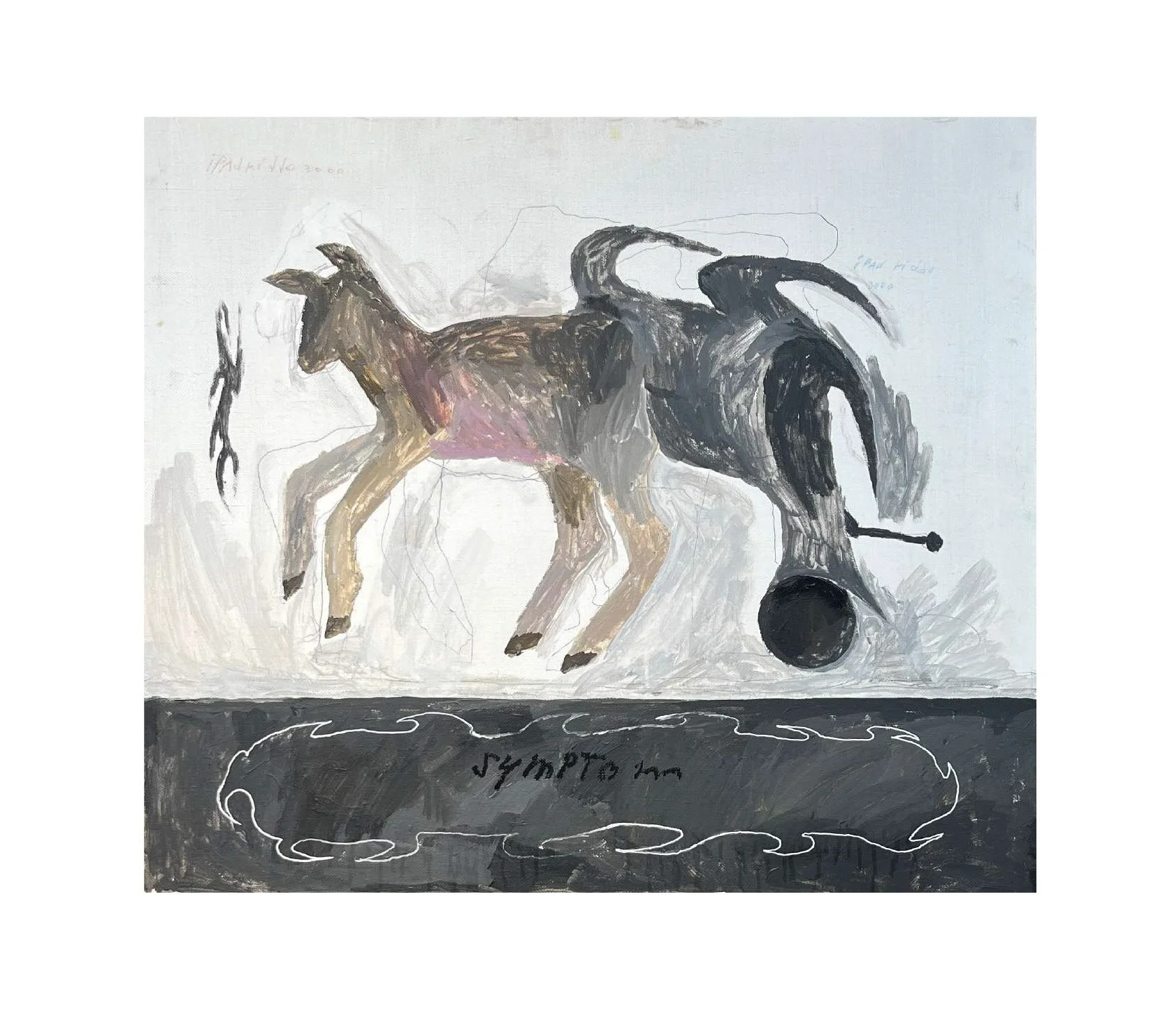
“Symptom”
Acrylic on stretched canvas
70 × 50 cm
2025

"Toxic kids #1" 60х40 Acrylic on canvas 2025
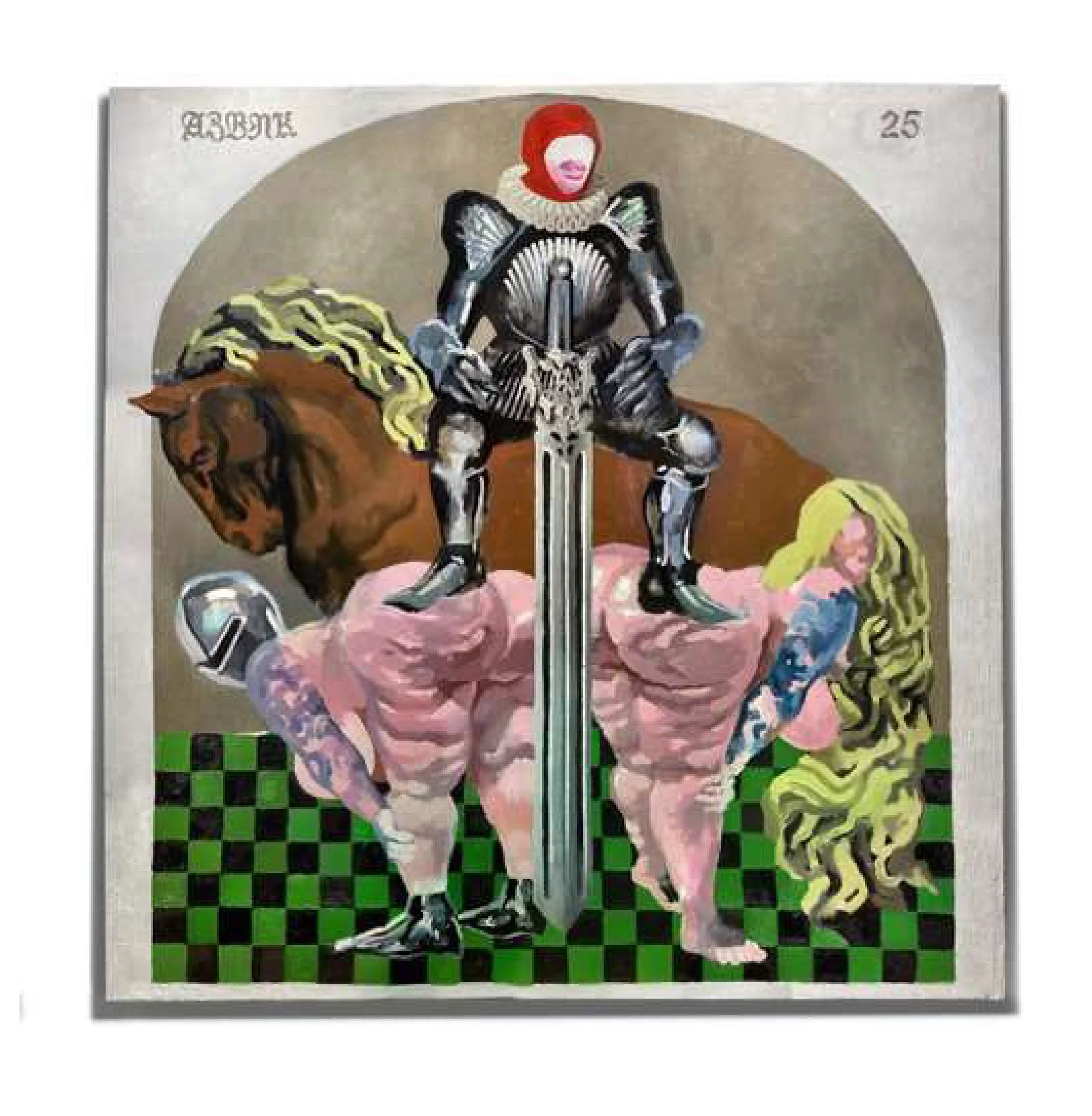
“Triumph of the Valiant Knight, Tamer of the Captives of Macromastia”
Oil on canvas (stretched)
140 × 140 cm
2025
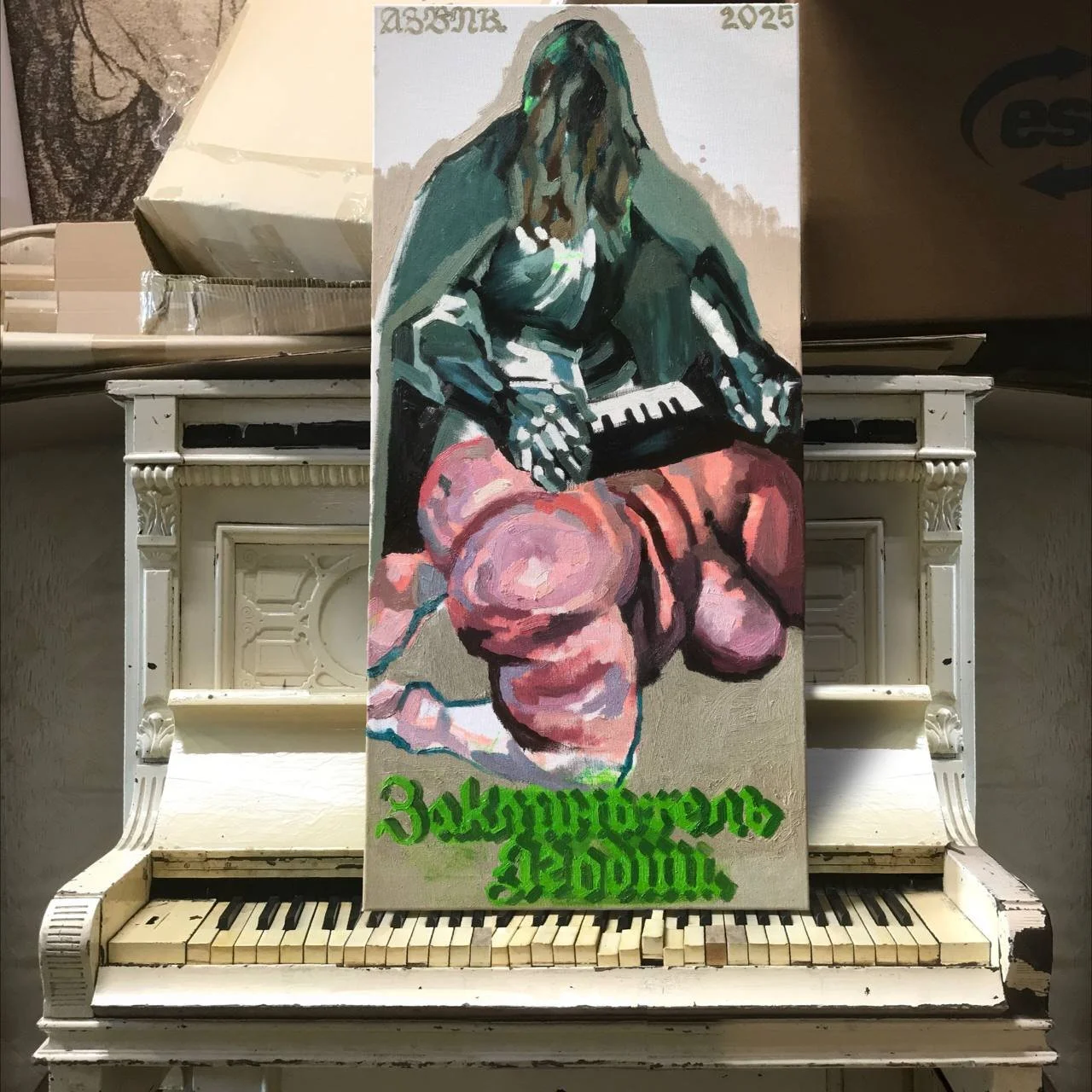
«Заклинатель Ягодиц»
100 х 50, холст, масло
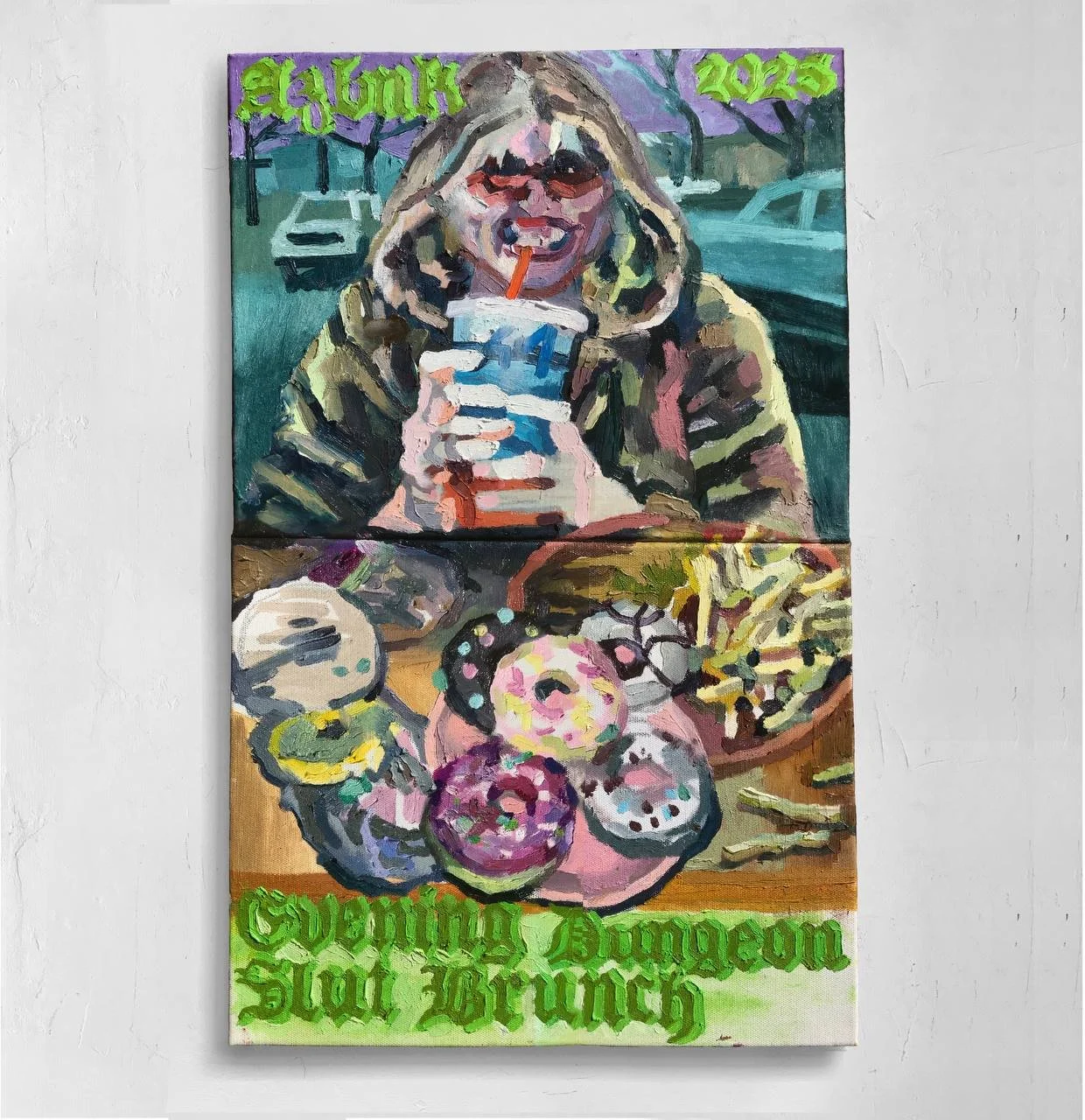
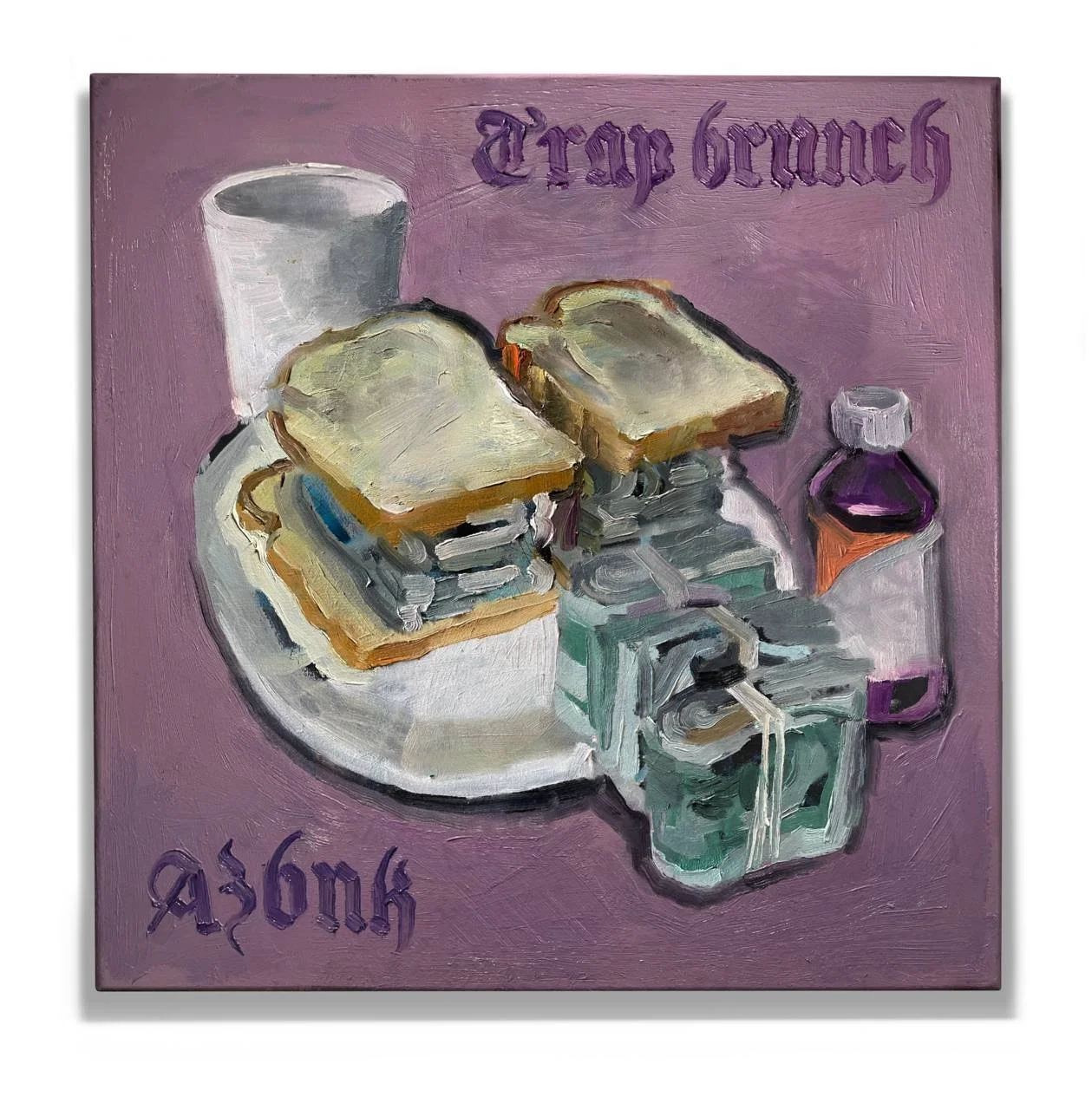
Бранч ✩ чемпиона по приседаниям на уши ✩
оргалит, масло, 50 х 50 см ]
✩ 2026 ✩
INTERVIEW CONDUCTED REMOTELY IN RUSSIAN—
Sasha:
Let's start with where you are right now, why you're there, and whether it's your hometown. And the next question is: where do you actually do your practice, your art? Like, at home, or do you have some kind of studio? How did that all come together? Those are the first two questions.
Andrey:
I'm in Krasnoyarsk. I came here from Lesosibirsk. It's about 400 kilometers from Krasnoyarsk, a small town. They cut timber there and ship it somewhere. Basically, that's what the city lives on.
And it felt like nobody there needed artists. They needed guys who would cut trees, carry boards, work at the timber plant. And at some point, when I was about 16, I realized I didn't really fit into that whole story, and I needed to move somewhere, to get out of there.
So I moved to Krasnoyarsk, got into an art institute, and that's how I ended up settling in Krasnoyarsk. Now I live in a small apartment, and I work there too. I have a bunch of canvases here. I basically sleep hugging them. But it feels comfortable for me to work this way, so I don't have a separate studio.
The only time it gets difficult is when I need to make big works, big canvases. That's when it gets complicated because there isn't enough space. But overall, it's cool and comfortable. I breathe paint thinner, I eat here, I sleep here.
There was a moment, I think about a year and a half ago, when the other Peskostruyshchiki guys were renting a shared apartment. There were several rooms, and the guys painted together. One room was kind of used as a studio. I would sometimes come by, and we would paint something together. But to me, it didn't really work that well. The guys had a kind of synergy, but I had a bit less of that.
In general, I'm kind of a loner. I'm more comfortable working alone than in a pair or a group. But at the same time, we do have some shared story, some shared motifs. We steal ideas from each other. Well, not steal - borrow, I'd say.
Basically, it's the first community I've more or less managed to fit into. Usually I can't really join any communities or work with them. But here, the guys think roughly the same way I do. We listen to more or less the same music. Everything kind of came together by itself. Very organically. I don't know what else to add.
Oh, and about the studio: on the one hand, I would like to have a studio. And that would be cool because there would be more space, everything would be set up for painting. You wouldn't be afraid of staining the walls or the floor. Although, to be honest, I'm also not afraid of staining the walls or the floor at home.
For me, the key thing about a studio would probably be the amount of free space. And also having storage separate from home - for canvases, different sculptures, whatever else I make. But at the same time, if I had a studio, if it were big, I'd probably spend more time there than at home. I'd probably live there, eat there, and do everything else there too. Maybe I'd even throw some parties there, just because there would be a lot of space.
But the downside of a separate studio is exactly that. I know people who go to their studios like they're going to work. On the one hand, now that I think about it, that's kind of cool: you sort of switch modes on the way there. Like, I'm going to the studio, and now I'm going to work and not get distracted by anything.
But I think it's much more convenient when you wake up at night to go pee, and on your way to the bathroom some thought comes into your head. You come back from the bathroom, go over, grab a brush. The paints are still wet, you dip into them, quickly paint something, and it takes 5, 10, 15 minutes. And sometimes you can just get sucked into that process until morning.
What I mean is, if you want to bring some idea to life, or you realize you need to fix some moment, some fragment, you don't have to travel across the whole city to do it. Everything is right there.
Sasha:
Yeah, I agree. In general, it's probably cool to have your own place, some kind of studio or workshop, so you go there specifically with the intention of spending time productively, working, making something.
But there should also be some kind of corner at home, at least. Like you said, somewhere to sit down. Paints and canvases, so you can quickly do something. Or if you make music, some kind of mic, a minimal audio interface, so you can sit down, record a demo, and then, I don't know, go somewhere else to finish it.
Okay, cool. Then let's move to the next question, about the war. In general, what was it like for you when the war started? Did you leave the country or not? Were there any difficulties with that, or were you just basically sitting there, chilling in Krasnoyarsk, as if nothing was happening?
And the second question: did it affect your creative process in any way? I'd be curious to hear about that.
Andrey:
Let's skip that question.
Sasha:
Okay, then tell me, please, what do you do besides art? And... and... Tell me about life in Siberia in general. I'd be interested to hear.
Andrey:
Well, if we're talking about the weather, it's very cold to live in Siberia. That really affects your psyche.
The first minus 20 degrees, in November and December, is still kind of tolerable. But then, when it gets past minus 30, closer to minus 40, and that lasts for two, two and a half months, you feel like you're starting to go insane. Because you get tired of it. You get tired of not being able to move around the city normally and comfortably. Every time you go outside, it turns into a test. So, yeah.
If we're talking about social life, I think it's like everywhere else. There are local places, museums, shops, cars, food courts.
In Siberia, we have the only contemporary art museum in all of Siberia, specifically in Krasnoyarsk. And I think about a year ago it won first place among contemporary art museums. Or maybe I'm mixing something up. But I think there's information like that, because I worked at that museum for a while.
I do all kinds of random things, because it's hard to find yourself in something besides creativity, while being a creative person. So if there are some sales, if something sells, if there are some exhibitions or something like that, then I focus on art.
For a long time, I did tattoos. I made a little bit of money that way too, but very little. Because I made original sketches, original tattoos. And the general public needs some kind of sketches, mostly Pinterest-style ones. Basically, they need something they've already seen online so they can repeat it. And that feels not very interesting to do.
What else did I do? I painted walls for money, worked as a school painter, things like that. I worked in a bar, worked at the post office, stuff like that. My last job, or second-to-last job, was as a museum worker. I installed exhibitions, participated in exhibitions. Things like that.
Sasha:
Cool. And this whole aerosol thing you do - is it connected to some kind of graffiti past, or not? Or do you just enjoy painting with spray cans?
I also want to ask about the collective. What's the idea behind it? Why do you move collectively? Do you have some shared thing going on? Is there some idea, some concept behind it? I don't know, why did the collective form in the first place?
And the second question is about sources of inspiration. Maybe there are some Russian artists, either contemporary or from the past, who influenced your style, or inspired you in general. Or, if not Russian artists - although I think it would be cooler to list Russian ones - but if there are more Western or European guys who influenced you or still influence you, you can name them too.
Andrey:
Yeah, everything actually started with graffiti. I used to watch all kinds of youth shows on TV. One of them was called "Jam," I think. And I liked one episode where the guys went to Germany. They ended up in a graffiti shop there. They were buying paint, painting something with it, and I think they even showed some kind of lessons.
So what did I do? I went looking for stores. Stores with paint, at least automotive paint. I looked at the prices and realized I couldn't afford it, because I was still a kid and didn't have that much pocket money. In the end, I found some paint in my parents' storage closet. It was for walls, or... well, basically, it was for wood, I think. And it was brown and really smelly.
I took a brush, called my friend so he could be on lookout, and took some audiocassette. It was a rap cassette, some kind of rap compilation. I used that cassette as a sketch and transferred the outline of the drawing onto someone's garage wall.
And basically, it felt amazing. That was my first graffiti.
Later, over time, opportunities started appearing, and gradually, while doing graffiti, I began to understand that I was more interested in the method of applying paint itself than in painting on walls specifically.
I was never really chasing adrenaline. On the contrary, I enjoyed understanding the material, digging into it carefully, picking it apart, getting into it, more than running along walls, climbing roofs, and all that. Basically, I never really had much of a desire for vandalism.
At one point, I really liked Robert Crumb, the comics artist. And when I first saw a documentary about him... Actually, first I saw two cartoons about Fritz the Cat. I started searching online to find out who had drawn him. Then I found out who the animator was. Then it turned out that the cartoon had actually been based on a comic. I found out who made it. It was Robert Crumb.
I started reading, looking for information, saw the rest of his work. I really liked him. In the end, I even bought a couple of his comics. So, yeah.
Who else? Well, he influenced me conceptually. When I saw his work, I realized that he was kind of my soulmate in terms of the meanings embedded in the work.
Then who? Lucian Freud, of course. I also liked him a lot. I looked at a lot of his work and was inspired by his technique.
Slava Podobed introduced me to Richard Diebenkorn. I really like Richard Diebenkorn. He resonated with me because I feel like, technically, I'm kind of close to him. At least it seems that way to me. Maybe I'm wrong. But that crooked filling of space, that careless space, and these local empty areas filled with color - basically, he also felt very close to me. I really love that artist now.
Basquiat, of course, everyone likes him. And Tom Bennett paints nudes really well.
Then who? The guy who actually pushed me toward painting. Because after graduating from the institute, I felt like my painting was really fucking bad. But that was because we had academic painting, and the institute wasn't contemporary art, but academic, easel painting, this kind of slightly stuck, preserved, frozen school.
And then at some point I came across an artist named Kim Dorland. I really liked what he did with paint. First of all, the ideas - there was this kind of grunge spirit in his work. Birch trees with skulls scratched into them, some inscriptions, things like that. And also the technique he uses really resonates with me.
He uses thick layers of paint, sometimes squeezing it straight from the tube if he wants to convey some texture. And I had always thought that painting landscapes was complete bullshit. Richard... oh damn, Richard - Kim Dorland became this kind of counterexample for me. And that's partly what hooked me: he made landscapes not boring and showed that through his own example.
As for Basquiat, I tried many times to paint like him and realized I couldn't. I'd have to completely forget the entire school I received.
As for the community, and why we came together: I think we came together because we were outside the scene. We didn't really fit into the Siberian artists' association scene. For the simple reason that we weren't interested in looking for some kind of identity inside ourselves. We were just the identity of the place we came from. Yeah, probably that.
Because we all grew up in the internet era, and what influenced us was what we were interested in, what we found online. And Siberian artists were probably just boring to us. The predecessors of Siberian art also seemed like pretty folk-art, postcard-type guys to us.
And we were kind of outsiders. And we came together around that outsider position, I think. I think that's why it all happened.
If we're talking about Russian artists who could have influenced me, among Siberian artists I can mention Pozdeev. I participated in... Well, before that, he seemed like a pretty mediocre artist to me, but I participated in preparing his works for an exhibition. I worked with the archives and saw a lot of really good, interesting drawings, sketches, and some painting pieces there.
Yeah, Andrey Pozdeev is a cool artist. I wouldn't say he influenced me somehow, but I liked his immediacy.
Damn, well, Deyneka. Alexander, I think. He probably grabbed me in childhood with his monumentality, and with the fact that he had these full-bodied women on his canvases, very curvy. I've always liked those kinds of female forms.
There was even a period in my graffiti when I tried to transfer his language into my own work. It still came out in my own way.
Who else? Maybe the graphic work of Favorsky, Vrubel. But it feels like these are all kind of mainstream artists. Unfortunately, I don't know contemporary artists very well - Russian or foreign.
And in general, the fact that we were unclear to the broader audience of Krasnoyarsk art, specifically to its consumer side, kind of pushed us to come together and become these unclear, outside-the-scene, but at the same time cult-like artists, a cult-like collective.
This lack of clarity and this inability to fit into the understanding of the broader audience made us, I think, these mysterious, quiet, underground artists of Siberia.
So we were kind of... not exactly antagonists, but antagonists to comfortable, understandable art. And I think it worked like the story of Andy Kaufman and Tony Clifton.
At some point, when the familiar, recognizable authors of the Krasnoyarsk scene started to get boring, and the younger generation had gotten tired of them, and those artists alone weren't enough anymore, that's exactly when we appeared as an alternative. As a... as an alternative to them, basically.
Sasha:
What else inspires you besides other artists? Maybe completely different fields - design, architecture, sports, and so on?
Andrey:
Like everyone, I'm inspired by life situations that trigger you somehow, that hook you. Most often it's some kind of stress, some kind of pain, disappointment in something.
Roughly speaking, some shit happens, and while trying to deal with that shit, you spend a long time reflecting. And then, in order to somehow save yourself from those reflections, you sit down to draw, and somehow it saves you.
For me, art is a way to escape, to somehow run away from reality and enter some kind of fantasy. And maybe even to play out a situation from life that affected you and pushed you to sit down and draw, to use a creative method.
Basically, while I'm drawing, I feel more or less whole. It helps me deal with some kind of internal neurasthenia. The feeling of my own uselessness disappears. Probably like that.
And if we're talking more formally, then I'm inspired by images, music, things that resonate with you. Things that, through their image or sound, express your state.
You collect references, gather all of that into one pile, listen to music, make collages out of references, and then draw something on top of those collages.
And most often, what you start with can end up looking very different from what you finish with. Because some unforeseen circumstances happen, forces connected to your ability to transfer images, plus some other factors.
And that path itself is the most, most, most interesting thing for me. The process of creating, the process of absorbing something into yourself.
Sometimes I deliberately throw myself into questionable stories, questionable events. I deliberately pull myself out of my comfort zone in order to live through some kind of experience that feels unusual to me, but that I'm interested in.
I allow myself to make mistakes that later become compost, so that something can grow from them - some story, some plot for the works.
Sports, probably not. Sports don't inspire me, because sport more or less balances your mental state. And after sports, it feels like you don't want to do anything anymore. You feel confident, and everything seems cool. You're confident, full of dopamine and testosterone. So why do anything? Why? It feels like the reason for making art disappears.
Sasha:
What are the collective's plans? Maybe you're planning to move forward together somehow? Or are you planning to move individually? Are there any plans, I don't know, to go to Saint Petersburg or Moscow, organize some kind of event, an exhibition? Things like that? What would you do if you didn't make visual art?
Andrey:
I don't know about the other guys. They're more ambitious than I am.
Arseny already had a solo exhibition in Saint Petersburg. I think it was curated by "Dungeon Keeper." I don't remember his actual name.
Vova Kravchenko also had a solo show in Moscow. The other guys haven't really stood out yet. I've probably only participated in group exhibitions in Saint Petersburg.
Basically, I think the guys want to conquer the capital. I don't have ambitious plans like that. I'd just like to keep doing what I'm doing. Of course, damn, I'd like to become rich and famous. No point pretending otherwise.
I think if I didn't make visual art, if I didn't draw, I'd either make electronic music or do some kind of DJing. If I didn't do that, I'd write books. I think my long-windedness would be very appropriate there.
Sasha:
Perfect, thank you.